“Questioning Sophistication”: Editioning the Moving Image: Old Problems and New Possibilities
Friday 5 June 2015
— Erika Balsom
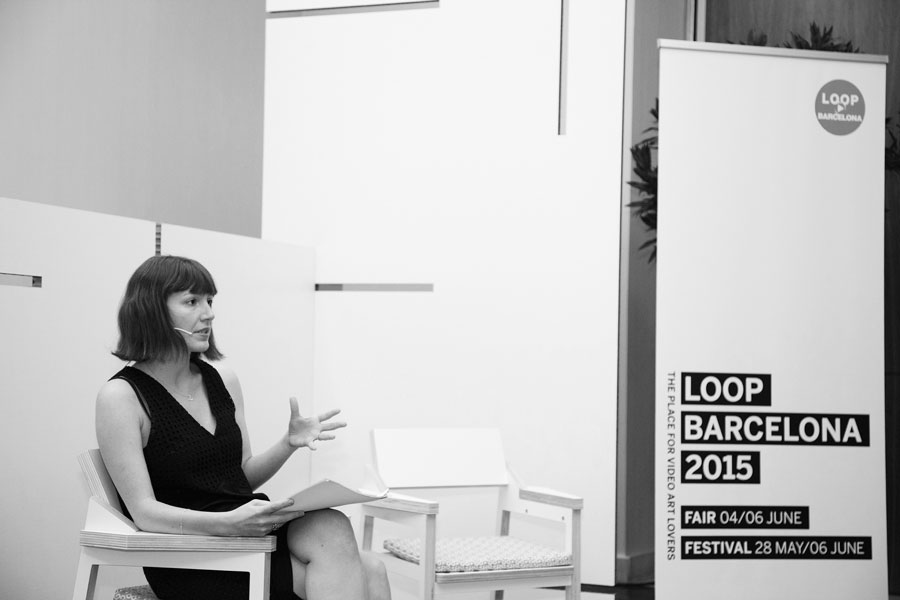
- Speakers
- Erika Balsom
- Venue
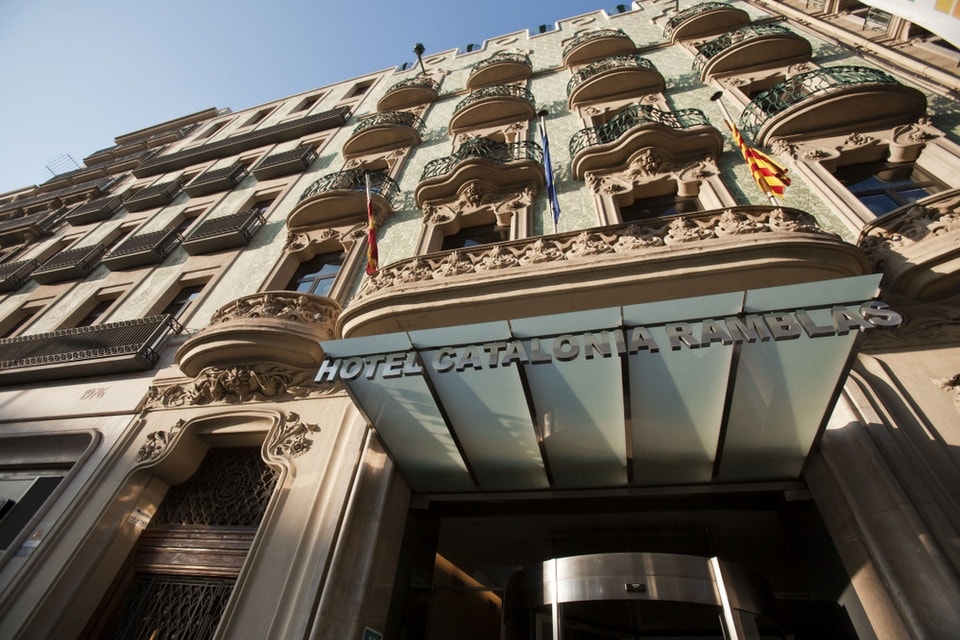
- Hotel Catalonia Ramblas
- Language
- English
Add to calendar
The sale of artists’ film and video as limited editions on the art market is an increasingly dominant form of distribution, displacing both the rental model of the co-ops and the sale of uneditioned works. The widespread espousal of editioning represents a reining in of the inherent reproducibility of the moving image and its wholesale recuperation into the symbolic economy it once compromised, that of the unique work of art. The rise of this model has provoked considerable controversy. For some, its artificial scarcity goes against the inherent qualities of the medium and betrays promises of access and democratization; for others, it represents the only way film and video will be taken seriously by museums and the most viable economic model to support the livelihood of artists.
Influenced by the practices of late nineteenth-century printmaking, the idea of selling artists’ films as limited editions arises in the early 1930s but remains unrealised at that time. Throughout most of the twentieth century, attempts to edition film and video consistently failed to achieve market viability. This changes in the 1990s, when a number of factors align to make such a model of distribution not only possible, but increasingly preferred. This talk unfolds this history, proposing an account of the reasons behind the increasing adoption of the limited edition over the past twenty years, and explores what implications this development has for the distribution and acquisition of film and video today.
Erika Balsom
- Curator, Speaker
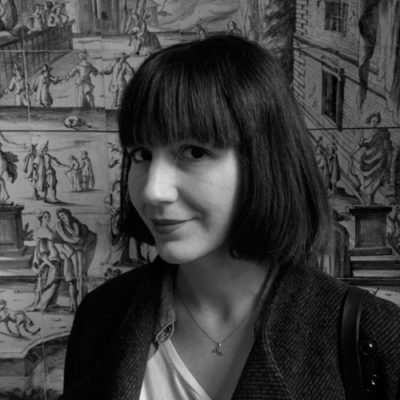
Erika Balsom is a senior lecturer in Film Studies at King’s College London. Her book After Uniqueness: A History of Film and Video Art in Circulation, was published by Columbia University Press in 2017. She is the author of Exhibiting Cinema in Contemporary Art (2013), the co-editor of Documentary Across Disciplines (2016), and a frequent contributor to magazines such as Artforum, frieze, and Sight & Sound. Her scholarly work has appeared in journals including Cinema Journal, Screen, and Grey Room. In 2017, she was the international curator in residence at the Govett-Brewster Art Gallery/Len Lye Centre, New Zealand, resulting in the 2018 screening programme and publication An Oceanic Feeling: Cinema and the Sea. In 2018, she was awarded a Leverhulme Prize and the Katherine Singer Kovacs essay award from the Society for Cinema and Media Studies.
Last update 7th February 2019