Round table about the collective film “In the City”
Wednesday 14 November 2018, 7 pm
— (1976-77)
- Artists
- Eulàlia Grau
- Participants
- Manuel Delgado
- Curators
- Eugeni Bonet and Albert Alcoz
- Venues
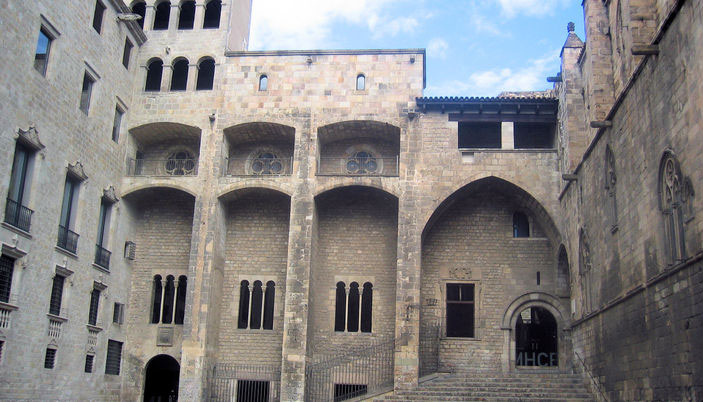
- Museu d’Historia de Barcelona, Capilla de Santa Ágata
Add to calendar
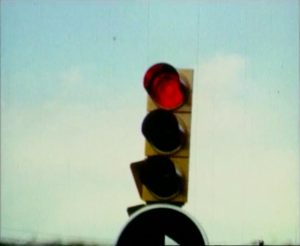
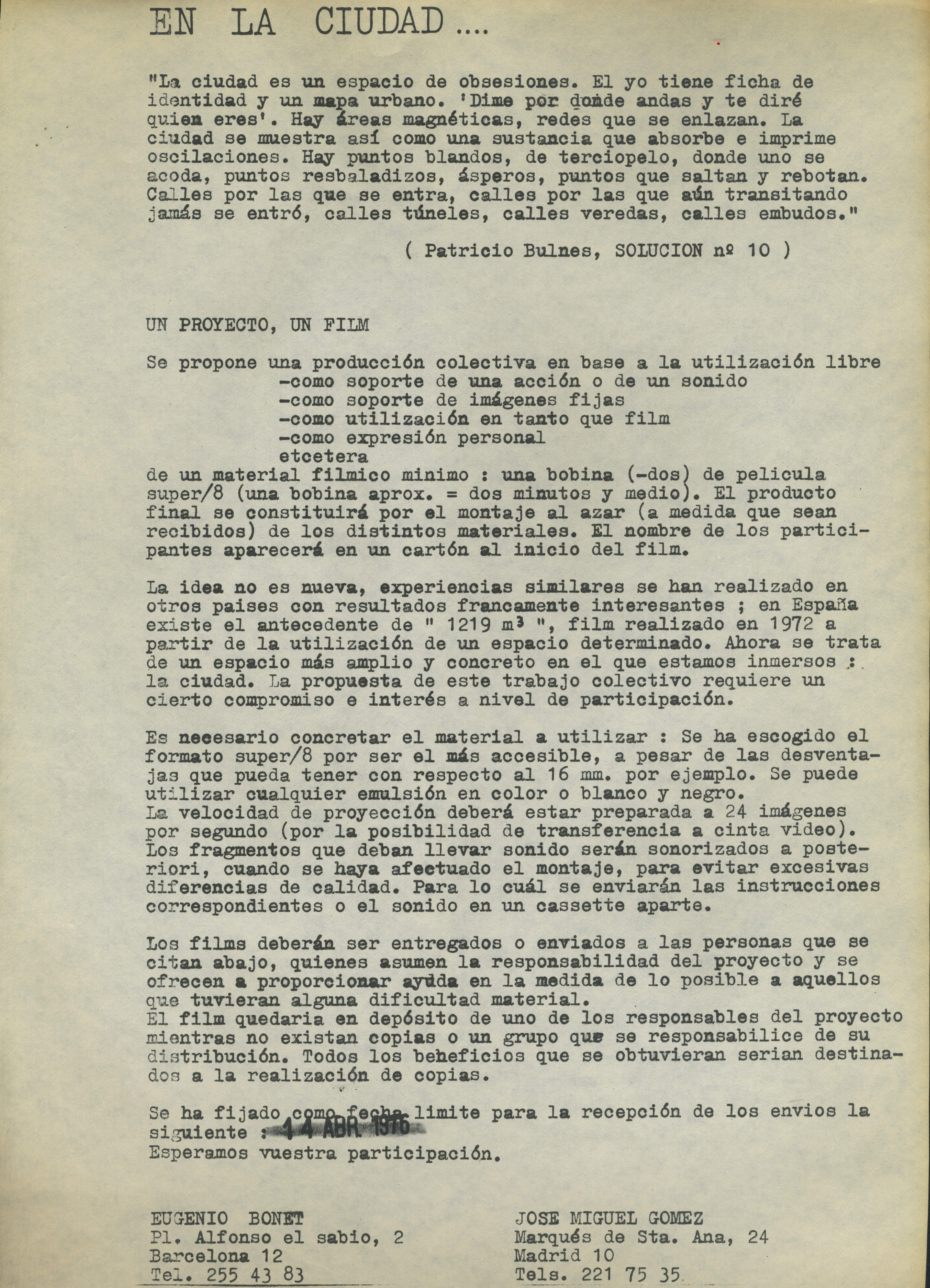
Round table about the collective film En la ciudad [“In the City”] (1976-77). Urban transformation, economic recovery, environmental pollution, traffic noise, the anonymity of the citizen and the media landscape are some of the themes of a feature film that explores the photochemical properties of the Super 8 and the ideological possibilities of editing. The promoter of the film project (Eugeni Bonet), one of the participating artists (Eulàlia Grau), the anthropologist Manuel Delgado and the curator of the exhibition (Albert Alcoz) will discuss the different problems touched upon in the film taking into account contextual considerations linked to the cities represented as well as to the cinematographic medium used.
Manuel Delgado
- Artist, Curator, Participant
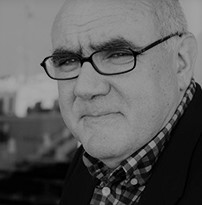
Manuel Delgado has a degree in Art History and a PhD in Anthropology (Barcelona University). Since 1986, he has been a staff lecturer in Religious Ethnology in the Department of Social Anthropology at the same university. He is a board member of the Institut Català d’Antropologia and the European Association of Social Anthropology. He has given talks and courses at various universities. His work has centred particularly on the construction of ethnicity and exclusion strategies in urban contexts. He is also interested in cultural representations in the city and new forms of religion in the contemporary world.
Eulàlia Grau
- Artist
1946
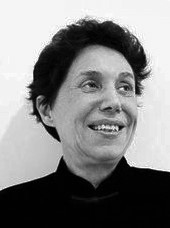
Eulàlia Grau (Terrassa 1946), also known simply as Eulàlia, began to study Fine Art in Barcelona but abandoned it in favour of cinema studies at the Sala Aixelà under teachers such as Pere Portabella and Alexandre Cirici, and at the Eina School where she met Albert Ràfols-Casamada and Josep Maria Carandell. In Milan she worked at the design studio Olivetti. Most of her work was done during the seventies and early eighties. After a short stay in Germany in the mid-eighties, she moved to Japan and China where she would remain until the late nineties, when she moved back to Barcelona and resumed her artistic career. In 2013, MACBA presented an exhibition focused on her most critical works. In her work, Eulàlia uses photographs from the media, which she re-contextualises by establishing a dialogue between them, bringing out some very critical social messages.
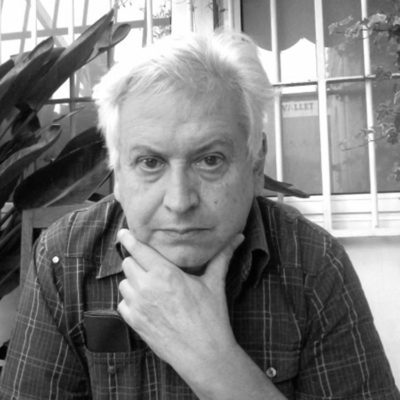
Eugeni Bonet works with film, video and digital media. Since the 1970s, he has been moving across research and creative practice, spanning both audiovisual art and the moving image.
He curated several exhibitions and programmes, such as: Desmontaje: film, vídeo/apropiación, reciclaje (1993), Señales de vídeo: aspectos de la videocreación española de los últimos años (1995-1997), El cine calculado (1999-2001), Movimiento aparente: la invitación al viaje inmóvil en las tecnologías ubicuas del tiempo, la imagen y la pantalla (2000), Comer o no Comer, o las relaciones del arte con la comida en el siglo XX (2002, with Darío Corbeira y Carlos Jiménez), Properament en aquesta pantalla: el cinema lletrista, entre la discrepància i la sublevació (2005, with Eduard Escoffet), Gustavo Romano. Sabotaje en la máquina abstracta (2008), Desbordamiento de Val del Omar (2010-2011) and De trencar i estripar (2016). He co-authored two reference books on video art and film: En torno al vídeo (Barcelona: Gustavo Gili, 1980), together with Joaquim Dolls, Antoni Mercader and Antoni Muntadas; and Práctica fílmica y vanguardia artística en España, 1925-1981/The Avant-Garde Film in Spain (1983), together with Manuel Palacio. Many of his texts and essays were compiled in Escritos de vista y oído (2014). Beginning in the 1970s, he has created film sculptures, multiple channel projections, as well as feature films, like Tira tu reloj al agua (2003-2004) and eGolem (2007- ongoing), also conceived for an online version. He also works with shorter formats and multi-screen devices and often experiments with found footage and recycled images.
In 2014, the MACBA (Museo de Arte Contemporáneo de Barcelona) dedicated him a large exhibition titled El ojo escucha. Eugeni Bonet: pantallas, proyecciones, escritos, which testified to his activity as an artist, curator and writer.
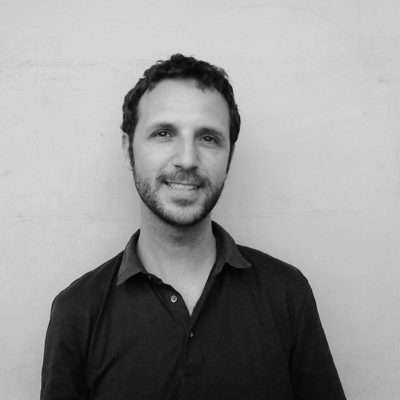
Albert Alcoz is a filmmaker, teacher and film curator of experimental film and artists’ video. PhD in Media Arts from Universidad Pompeu Fabra in Barcelona and Bachelor of Fine Arts from the University of Barcelona where he teaches cinema and video. He writes about avant-garde cinema, documentary film and video art for various print media as well as his website Visionary Film created in 2006. Since 2005 he has made several works in film and videographic formats, some of which are distributed by HAMACA or included at the Xcèntric Archive. He has been part of audiovisual platforms like Angular –a publisher of DVDs of international experimental film–, Venusplutón!, Blogs&Docs, Found Footage Magazine and curated the screenings series Amalgama, Cinema Anèmic and CRANC. He has written the books Resonancias fílmicas. El sonido en el cine estructural (1960-1981) (Shangrila, 2017) and Radicales libres. 50 películas esenciales del cine experimental (UOC, 2019).
Last update: July 17th, 2019