TALK. VÍDEO-RÉGIMEN. Coleccionistas en la era audiovisual
Wednesday 3 June 2015
— Carles Guerra in conversation withEmilio Pi and Helena Fernandino
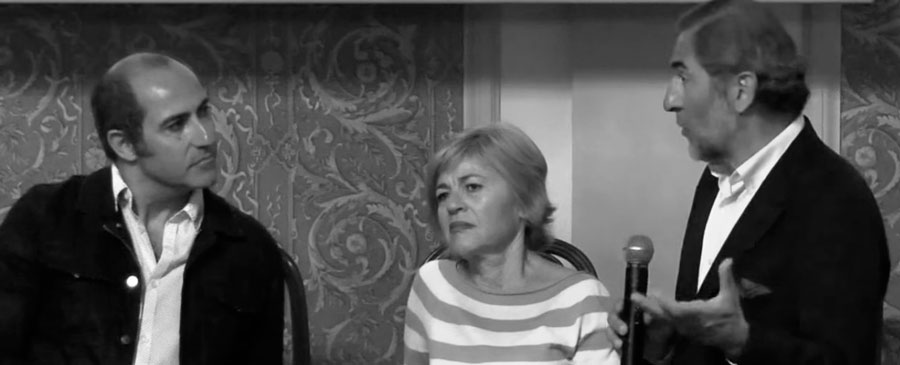
- Speakers
- Emilio Pi and Helena Fernandino
- Venue
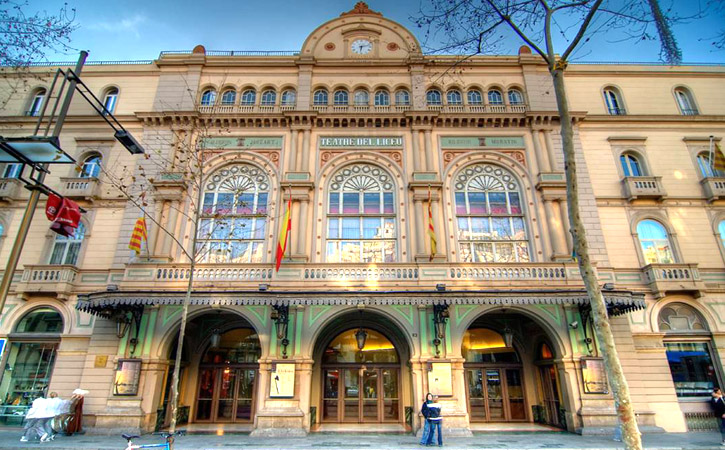
- Gran Teatre del Liceu
- Language
- English & Spanish
Add to calendar
Art critic and curator Carles Guerra converses with collectors Emilio Pi and Helena Fernandino in the context of the exhibition ‘VÍDEO-RÉGIMEN. Coleccionistas en la era audiovisual‘, that took place at Cercle del Liceu during LOOP Barcelona 2015, and had been previously on show at Museo Lázaro Galdiano in Madrid.
The result is a lively conversation on the paradoxes surrounding video as a medium, its status as a collectible, its distribution and preservation, as well as the much debated role of collectors in video and film production. Holding about 1000 titles (among which are archival pieces, editions and video installations), the Collection Pi Fernandino functions as a magnifying lens on the history and evolution of the medium, while it also positions itself among those “pedagogical collections” to be shared with and enjoyed by people.
Emilio Pi
- Speaker

Emilio Pi is a lawyer and businessman in the communication sector. Together with his wife, Helena Fernandino, they are the founders of the Collection Pi Fernandino that, started in the late 1990s. Now they are mainly focused on video art and digital works, as the future massive transmitters of artistic creation. The works in the collection have been shown at the Centro Nacional de Arte Reina Sofia, the Centro de Arte Dos de Mayo, the Museo Vostell, the Museo Nacional de Brasilia and in several European and Asian capitals, within the programme Vital International Video Art. In 2010, together with the Paul Getty collection (international category), it won the prize sponsored by ARCO Madrid and aimed at private collections.
Helena Fernandino
- Speaker
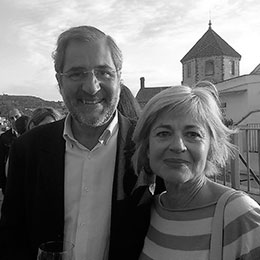
Helena Fernandino is an expert in Human Resources and Strategic Consulting. Together with her husband, Emilio Pi, they are the founders of the Collection Pi Fernandino that, started in the late 1990s. Now they are mainly focused on video art and digital works, as the future massive transmitters of artistic creation. The works in the collection have been shown at the Centro Nacional de Arte Reina Sofia, the Centro de Arte Dos de Mayo, the Museo Vostell, the Museo Nacional de Brasilia and in several European and Asian capitals, within the programme Vital International Video Art. In 2010, together with the Paul Getty collection (international category), it won the prize sponsored by ARCO Madrid and aimed at private collections.