VIDEO REWIND: Ant Farm
18 — 27 May 2017
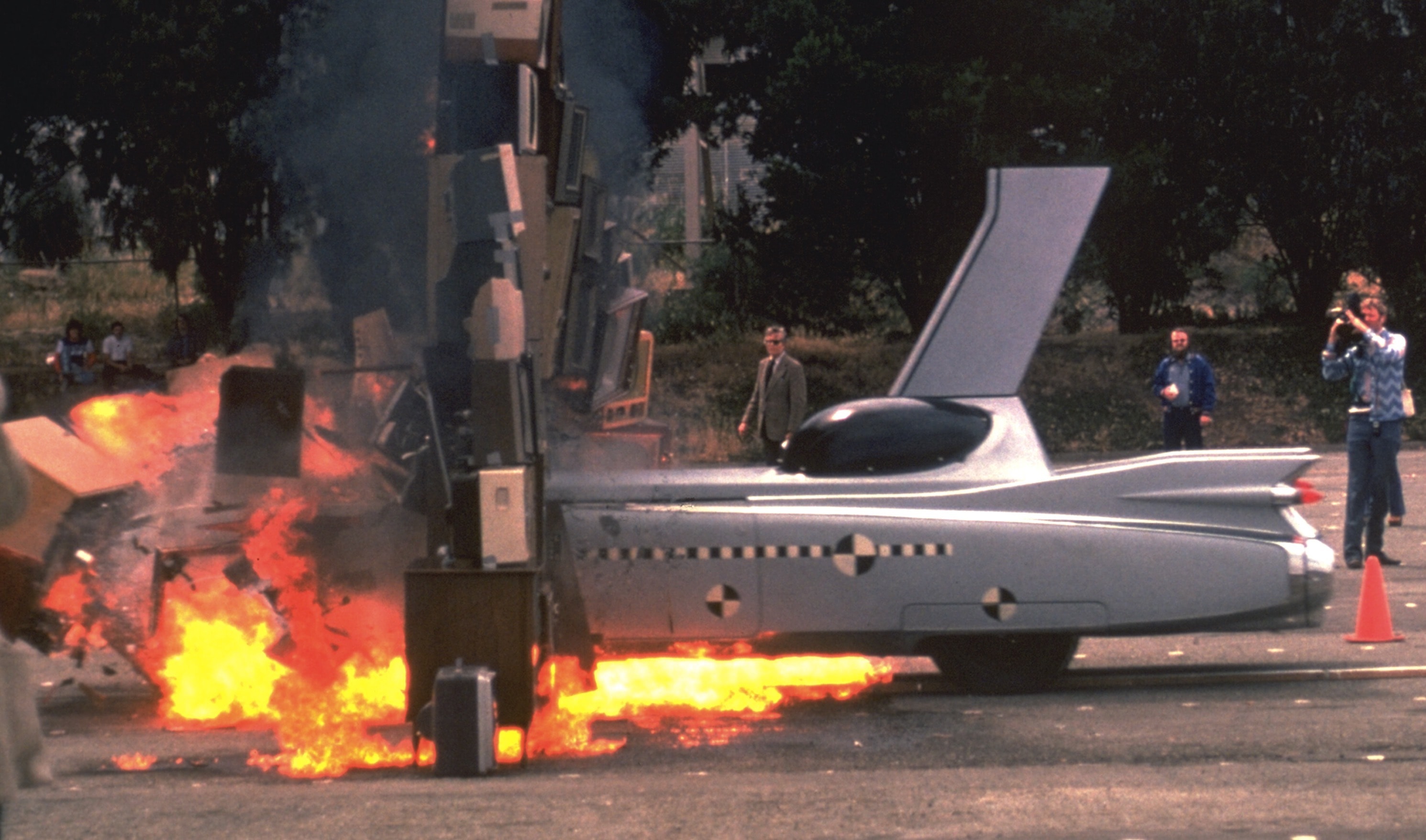
— 'Media Burn', 1975
- Artists
- Chip Lord
- Curators
- Eugeni Bonet
- Venue
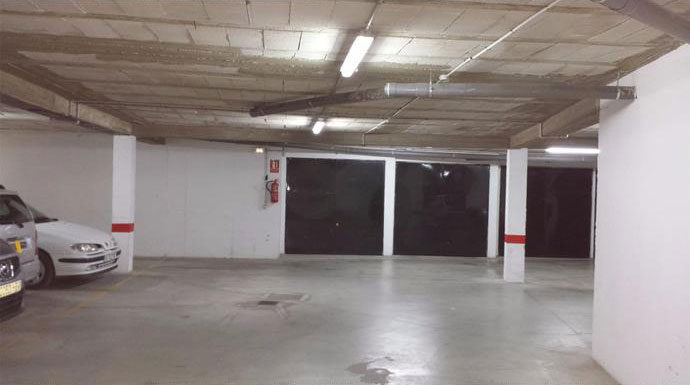
- Parking Ortigosa
- Price
- Free admission
Add to calendar
As part of 'VIDEO REWIND: A look back from early video works from the 1970s and 1980s', 'Media Burn' by the US based collective Ant Farm ponders on the icons of modern society and the spectacle of a future of intense consumerism.
MEDIA BURN by Ant Farm was a public performance event that grew out of the desire to create a singular image – a rocket-car crashing a pyramid of television sets. What began as a simple image idea, became a complex performance and video production during more than one year of planning. Within the context of the alternative media movement of the early 1970’s, it was a statement against the monopoly of American broadcast media. It took place on July 4, 1975 in a parking lot in San Francisco in front of an audience of 400 people and featured a speech by the “Artist-President”and other rituals of “media events.” Local television coverage was included in the final video art edit and it was also distributed as a post card.
Chip Lord
- Artist, Speaker
- chiplord.net
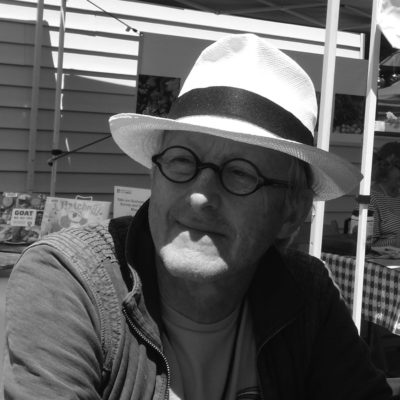
Chip Lord (Cleveland, Ohio, 1944) was the co-founder with Doug Michels of the group Ant Farm in 1968. For ten years Ant Farm worked the radical fringe of architectural practice, in the process they became video and performance artists. When Ant Farm dis-banded in 1978, Lord continued as a video artist producing works for single channel and installation. Currently, he is producing a series of films about cities and climate change and to date has produced Venice Underwater, New York Underwater, and Miami Beach Elegy. His work is in the collections of the Museum of Modern Art (New York), the Pompidou Center (Paris), SFMOMA (San Francisco), the Berkeley Art Museum (Berkeley, CA), the Tate Modern (London) and other museums. He is Professor Emeritus in the Department of Film and Digital Media at the University of California, Santa Cruz and lives in San Francisco.
Last update, 14 March 2017
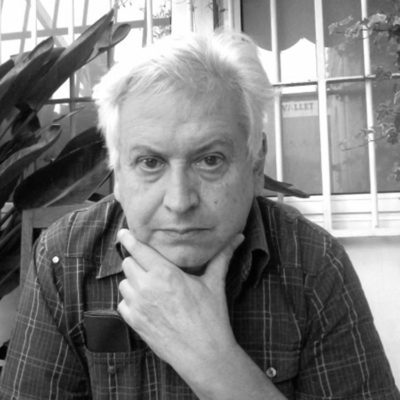
Eugeni Bonet works with film, video and digital media. Since the 1970s, he has been moving across research and creative practice, spanning both audiovisual art and the moving image.
He curated several exhibitions and programmes, such as: Desmontaje: film, vídeo/apropiación, reciclaje (1993), Señales de vídeo: aspectos de la videocreación española de los últimos años (1995-1997), El cine calculado (1999-2001), Movimiento aparente: la invitación al viaje inmóvil en las tecnologías ubicuas del tiempo, la imagen y la pantalla (2000), Comer o no Comer, o las relaciones del arte con la comida en el siglo XX (2002, with Darío Corbeira y Carlos Jiménez), Properament en aquesta pantalla: el cinema lletrista, entre la discrepància i la sublevació (2005, with Eduard Escoffet), Gustavo Romano. Sabotaje en la máquina abstracta (2008), Desbordamiento de Val del Omar (2010-2011) and De trencar i estripar (2016). He co-authored two reference books on video art and film: En torno al vídeo (Barcelona: Gustavo Gili, 1980), together with Joaquim Dolls, Antoni Mercader and Antoni Muntadas; and Práctica fílmica y vanguardia artística en España, 1925-1981/The Avant-Garde Film in Spain (1983), together with Manuel Palacio. Many of his texts and essays were compiled in Escritos de vista y oído (2014). Beginning in the 1970s, he has created film sculptures, multiple channel projections, as well as feature films, like Tira tu reloj al agua (2003-2004) and eGolem (2007- ongoing), also conceived for an online version. He also works with shorter formats and multi-screen devices and often experiments with found footage and recycled images.
In 2014, the MACBA (Museo de Arte Contemporáneo de Barcelona) dedicated him a large exhibition titled El ojo escucha. Eugeni Bonet: pantallas, proyecciones, escritos, which testified to his activity as an artist, curator and writer.