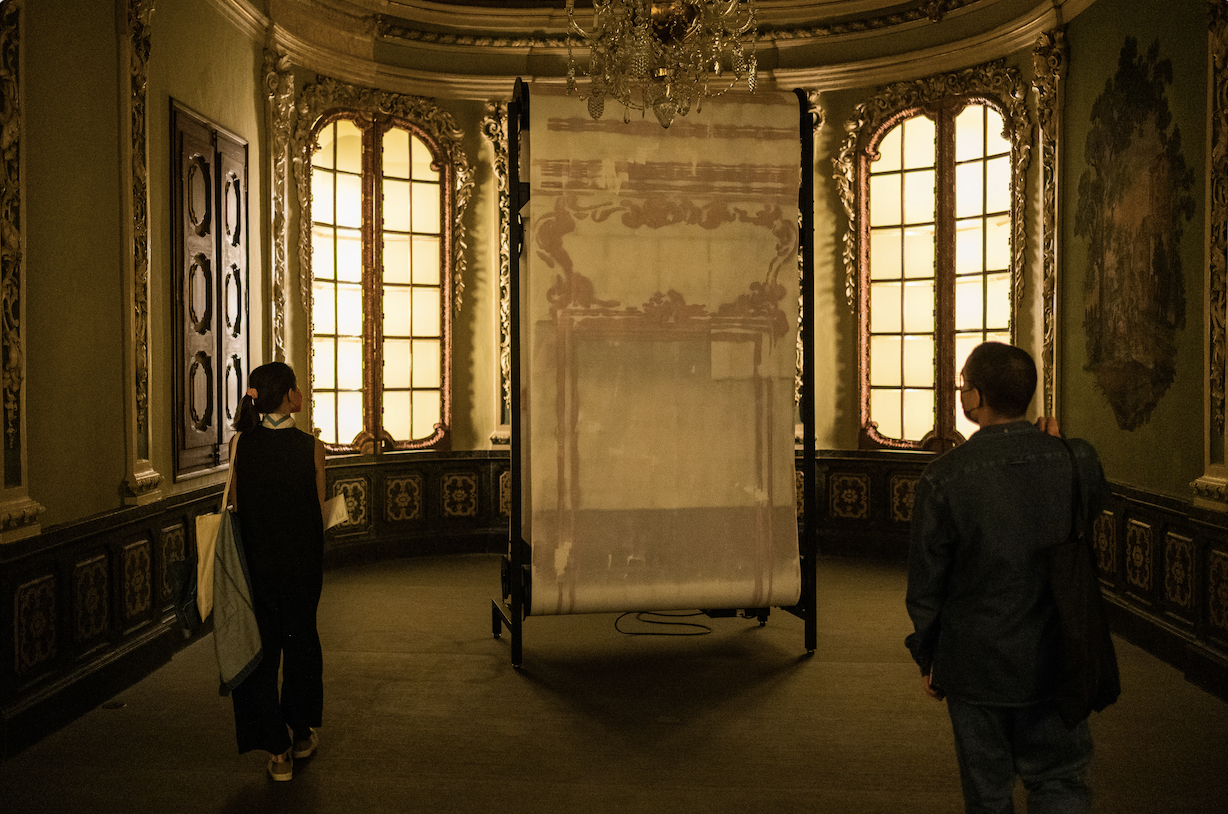
Robert Cahen. Voyage
29 April — 25 June 2017
— Intermitents
- Artists
- Robert Cahen
- Curators
- Eugeni Bonet
- Venue
- La Virreina Centre de la Imatge
- Price
- Free admission
- Tickets & register
- ajuntament.barcelona.cat/lavirreina/en/visit
Add to calendar
LOOP 2017 presents fifteen years of Robert Cahen's work — the most comprehensive collection of his pieces ever shown in Spain.
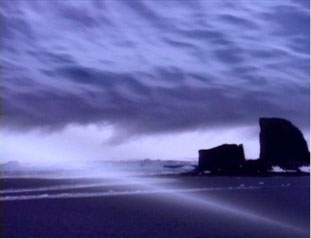
The exhibition Voyage gathers a selection of video installations made by Robert Cahen during the last fifteen years, as well as regular projections of the artist’s audiovisual production since 1970, for cinema, video and television. Among the greatest innovators of the moving image language in Europe, Cahen’s works analyze the notions of voyage, landscape, portrait, and time in order to access the thresholds of the image, the sounds and the silence of the world and its inhabitants. The show, thus, takes the form of an invitation to the viewers to take on a journey through “the deep emotions, beautiful yet terrible, that constitute the basis of our existence”, as in the artist’s words. This exhibition is the most exhaustive survey of Robert Cahen’s work ever presented in Spain.
Artists: Robert Cahen
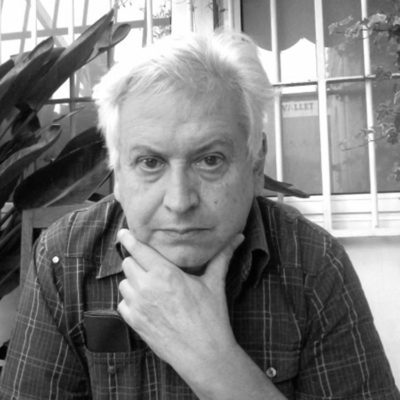
Eugeni Bonet works with film, video and digital media. Since the 1970s, he has been moving across research and creative practice, spanning both audiovisual art and the moving image.
He curated several exhibitions and programmes, such as: Desmontaje: film, vídeo/apropiación, reciclaje (1993), Señales de vídeo: aspectos de la videocreación española de los últimos años (1995-1997), El cine calculado (1999-2001), Movimiento aparente: la invitación al viaje inmóvil en las tecnologías ubicuas del tiempo, la imagen y la pantalla (2000), Comer o no Comer, o las relaciones del arte con la comida en el siglo XX (2002, with Darío Corbeira y Carlos Jiménez), Properament en aquesta pantalla: el cinema lletrista, entre la discrepància i la sublevació (2005, with Eduard Escoffet), Gustavo Romano. Sabotaje en la máquina abstracta (2008), Desbordamiento de Val del Omar (2010-2011) and De trencar i estripar (2016). He co-authored two reference books on video art and film: En torno al vídeo (Barcelona: Gustavo Gili, 1980), together with Joaquim Dolls, Antoni Mercader and Antoni Muntadas; and Práctica fílmica y vanguardia artística en España, 1925-1981/The Avant-Garde Film in Spain (1983), together with Manuel Palacio. Many of his texts and essays were compiled in Escritos de vista y oído (2014). Beginning in the 1970s, he has created film sculptures, multiple channel projections, as well as feature films, like Tira tu reloj al agua (2003-2004) and eGolem (2007- ongoing), also conceived for an online version. He also works with shorter formats and multi-screen devices and often experiments with found footage and recycled images.
In 2014, the MACBA (Museo de Arte Contemporáneo de Barcelona) dedicated him a large exhibition titled El ojo escucha. Eugeni Bonet: pantallas, proyecciones, escritos, which testified to his activity as an artist, curator and writer.