489 years
Hayoun Kwon
Galerie Sator, Paris
— Log in to watch the artist video if you have been given an access
- Title
- 489 years
- Gallery
- Galerie Sator, Paris
- Year
- 2016
- Duration
- 11 min 18 s
- Format & Technical
Video 16/9
Edition of 3/5 + 2AP
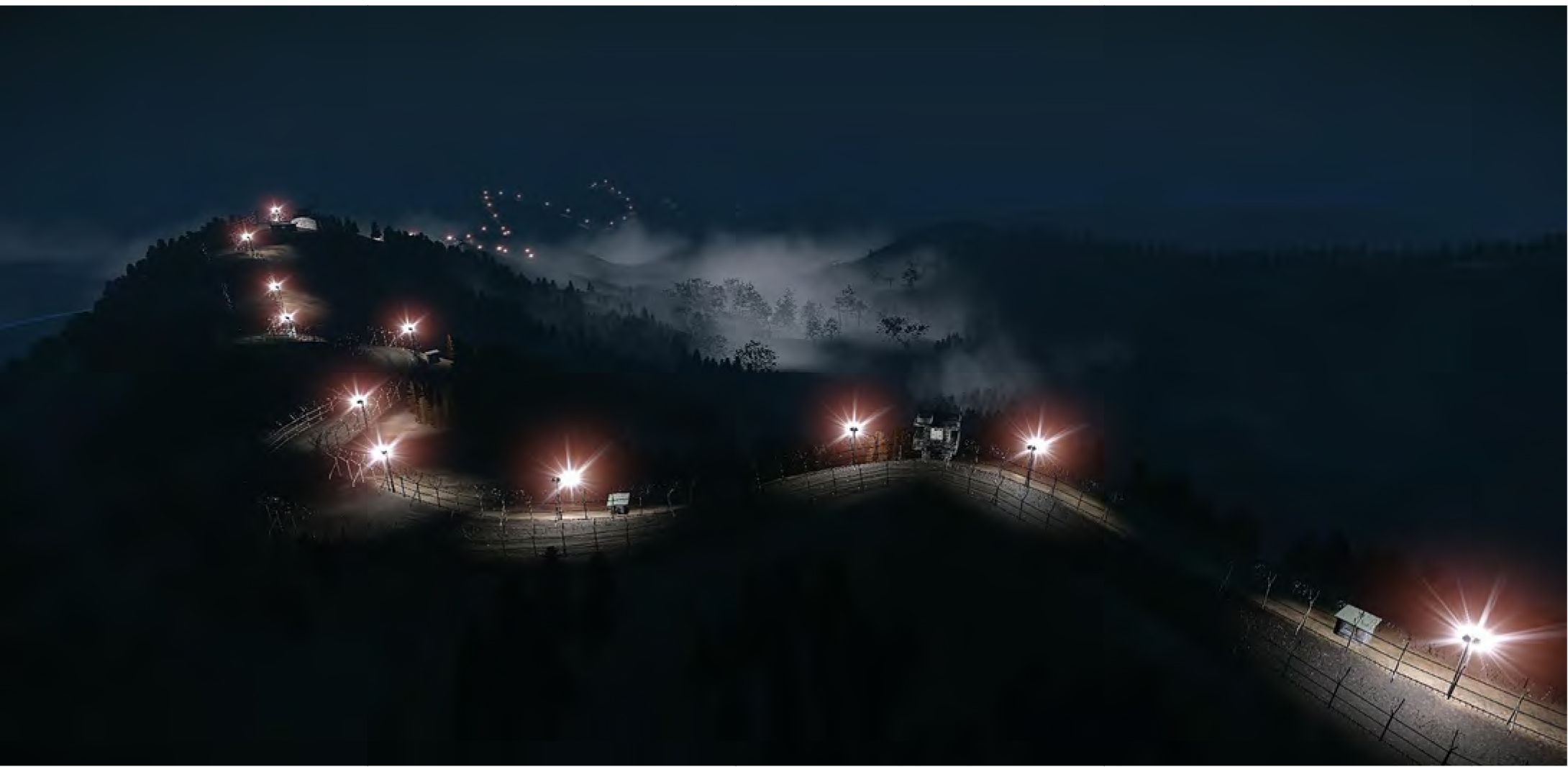
The Korean Demilitarized Zone (DMZ) is a strip of land, 248km long and 4km wide, which separates North from South Korea. The Korean peninsula is today the only region that remains divided in such a way. Originally the final battlefield of the Korean War, the DMZ as we know it today was established as a result of the Cold War.
According to data compiled by the South Korean Ministry of National Defence, it would take 489 years to remove all the landmines in the area. As estimated, the mines kill more than a hundred soldiers every year. In near-total isolation for over 60 years, the DMZ has become a nature reserve and a sought-after tourist destination. Despite its name, it is one of the world’s most heavily militarized areas.
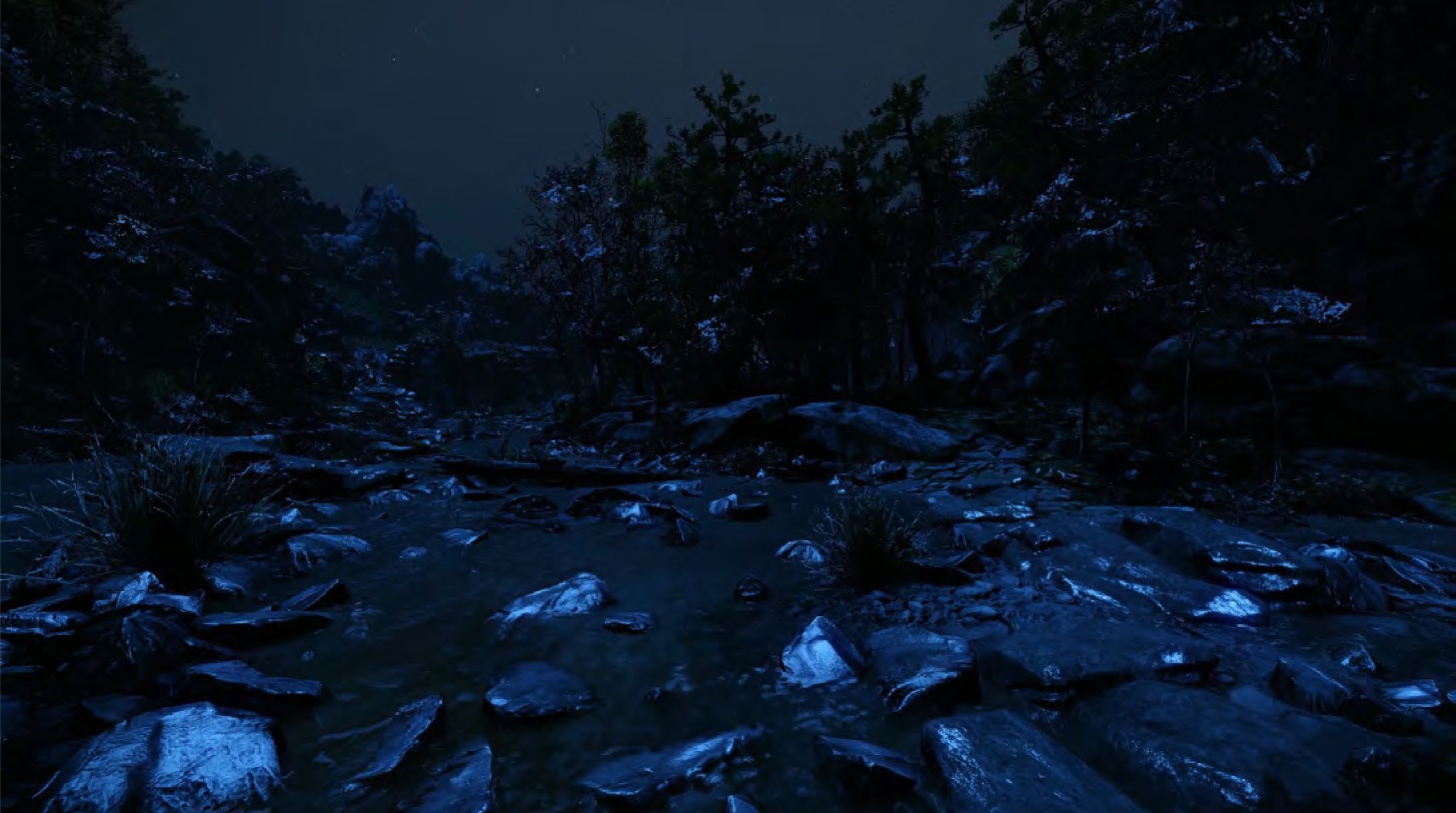
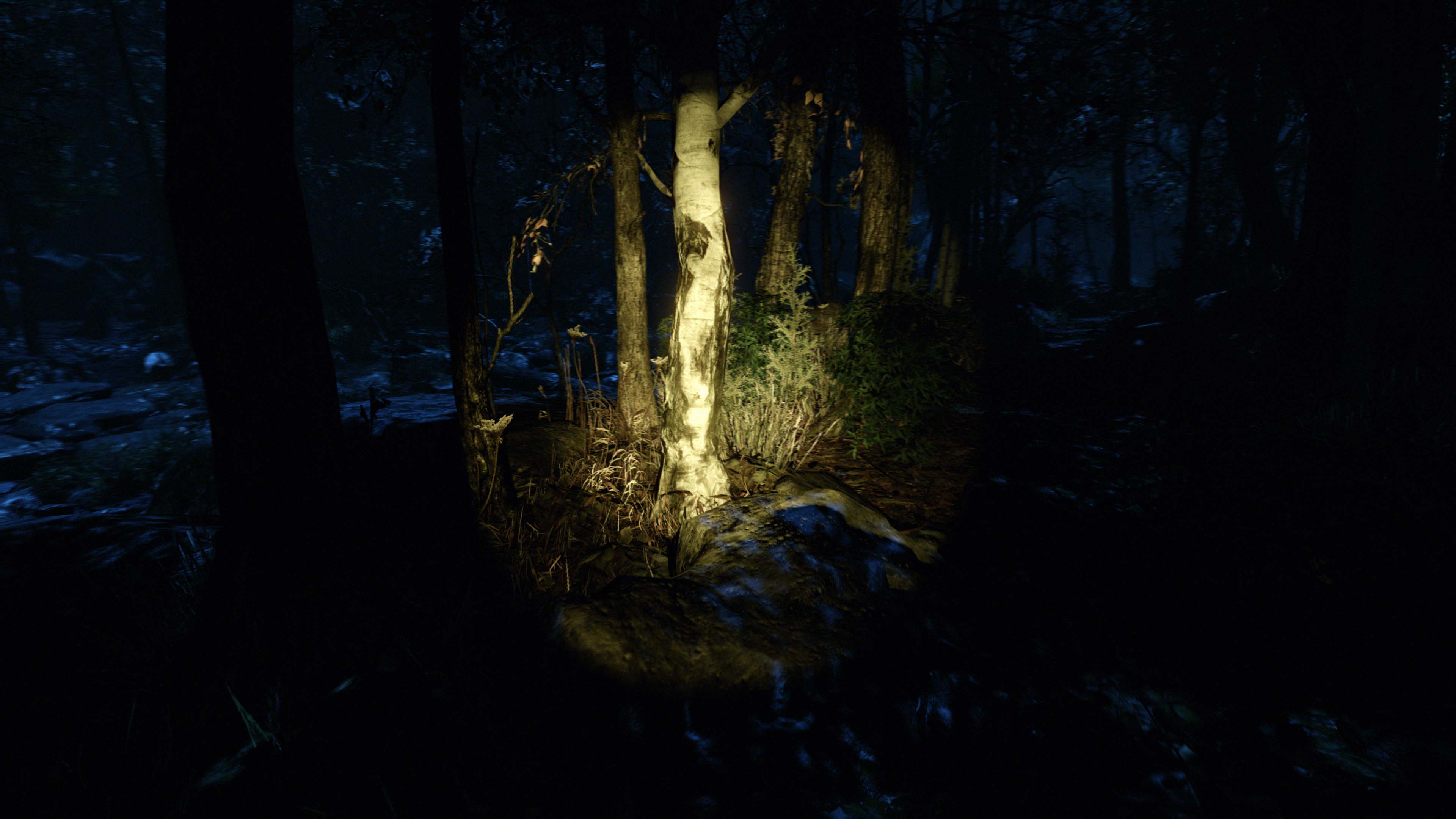
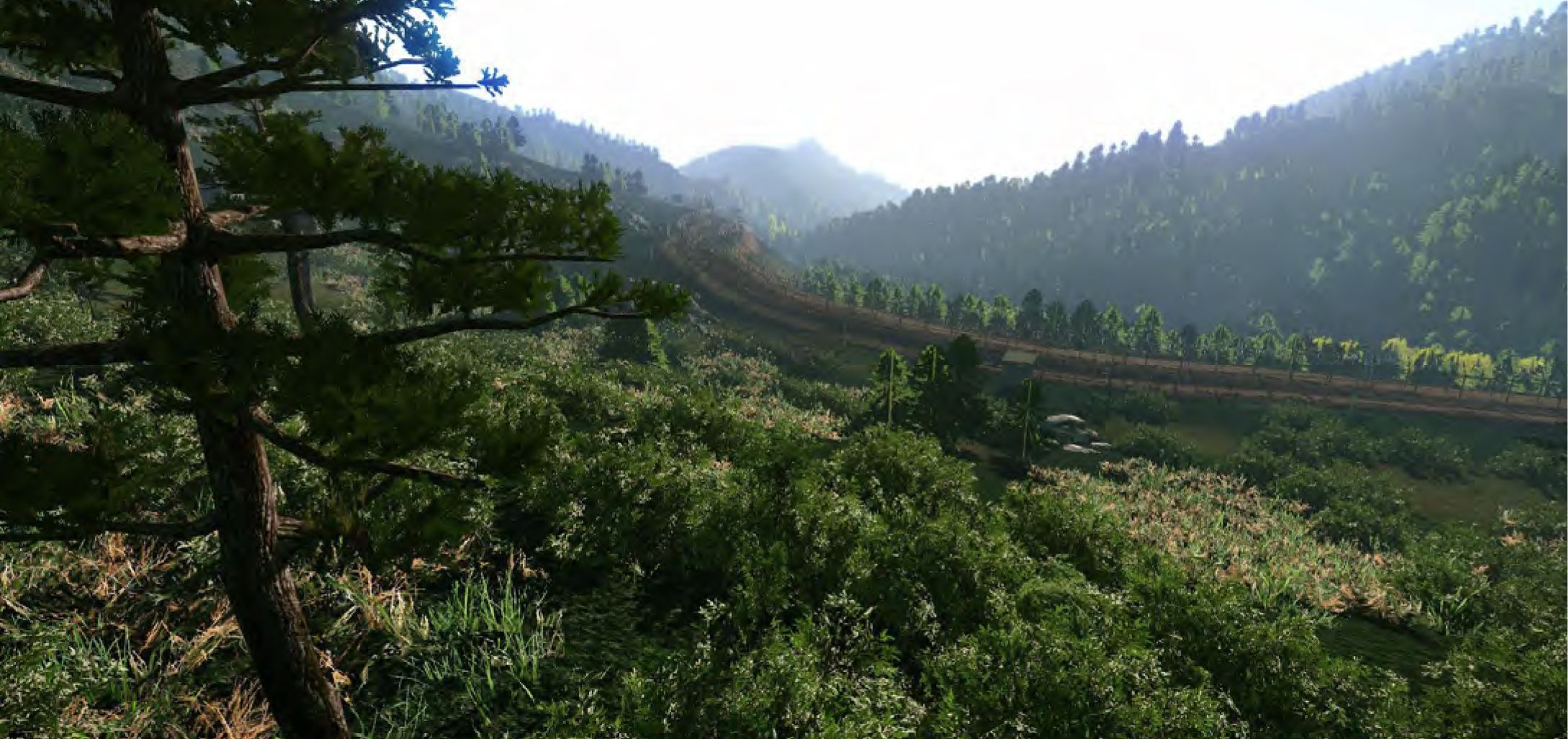
This project consists of a transcription of an account of the zone by a former South Korean soldier, Kim. We gain access to the DMZ as he immerses us in his personal memories. Relating an anecdote from a reconnaissance mission, he shares the stunning discovery that he made in an unidentified minefield, where explosives were placed by the South Korean army although it was not recorded on any maps. He speaks of a place where man is forbidden to tread and which has been reclaimed by nature. This piece is an invitation to encounter the memories of a man whose past and present blur with one another, a fundamentally paradoxical vision where the dignity of nature surpasses an omnipresent lethal danger.
Stills
Hayoun Kwon
- Artist, Participant
1981, Seoul

Hayoun Kwon (Seoul, 1981) first began working with video between 2006 and 2008, and has since developed a practice in which the digital medium is utilized in all its diversity to transgress the limits imposed by contemporary political situations. Animation affords her the freedom to dramatize, exaggerate, and push the frontiers of representation, and to exploit the fantasmatic potential of her subject matter. Of particular interest to her is the border that divides North and South Korea, perceived as a mirror that reflects similar images back to both the watcher and the watched, or as a theatre stage whose limits cannot be transgressed. The concept of border poses the question of the physical and mental limits of the individual. A sensitive reflection on identity and borders runs throughout Kwon’s work, interrogating the construction of historical and individual memory, as well as the ambiguous relationships that link memory, reality and fiction.
Related galleries
Galerie Sator
- Address
- Passage des Gravilliers 8, 75003, Paris, France
- Phone
- +33142780484
- lise@galeriesator.com
- Website
- www.galerie-sator.com
The gallery is characterized by its strong emphasis on visual art that references other forms of art and a range of fields of thought – politics, history, art history, literature, philosophy and science – which seek to question the place of the human in the world and offer tools for critical reflection on contemporary societies, their evolution and their transformation, and their territorial relationships. An ongoing investigation of the image and the production of plastic forms complete the gallery’s approach.
Resolutely international, the gallery promotes the work of artists from both France and throughout the world. The mediums of expression explored by the gallery’s artists range from painting to drawing, and from objects to installation and photography. For several years now, Galerie Sator has also developed a research project dedicated to the production of video art, from virtual reality to documentary-fiction and from classic projections to participative environments.