June 28th 1950, The Agrarian reform
Marcos Ávila Forero
Galerie Dohyang Lee, Paris
— Log in to watch the artist video if you have been given an access
Première
- Title
- June 28th 1950, The Agrarian reform
- Gallery
- Galerie Dohyang Lee, Paris
- Year
- 2017
- Format & Technical
Double channel, HD video, colour, sound
Edition of 5 + 2 AP
- Produced by
- Photography
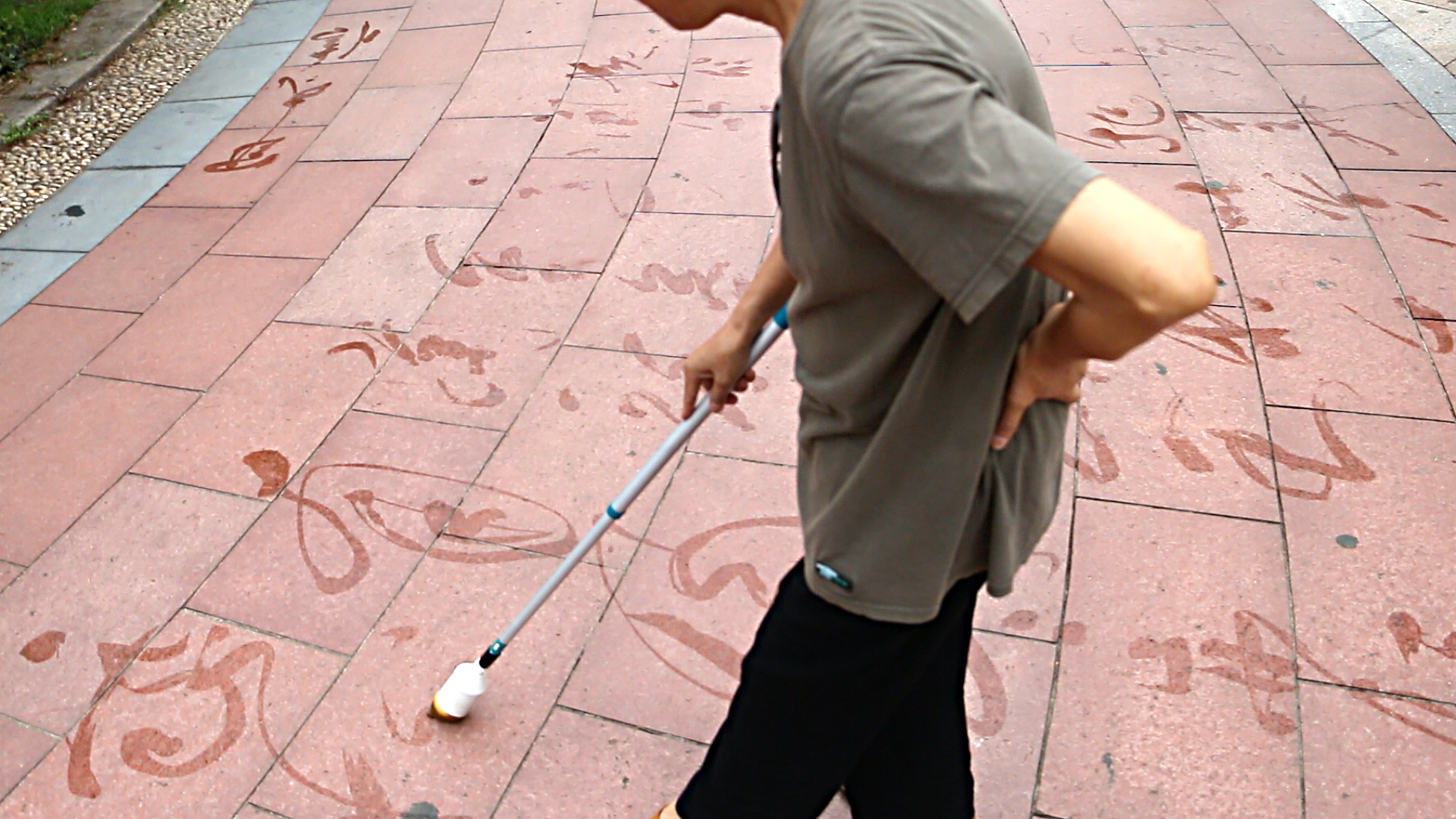
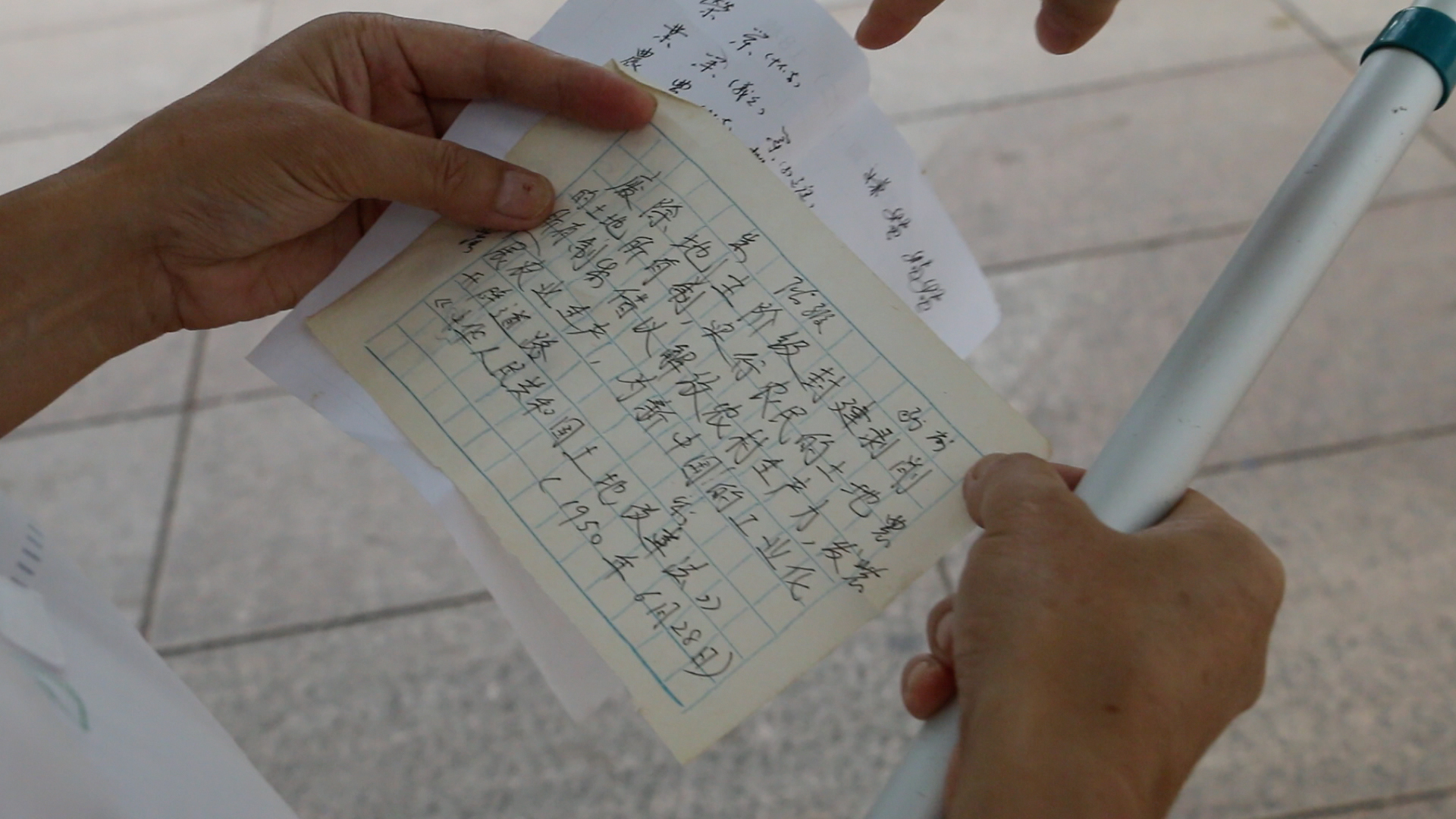
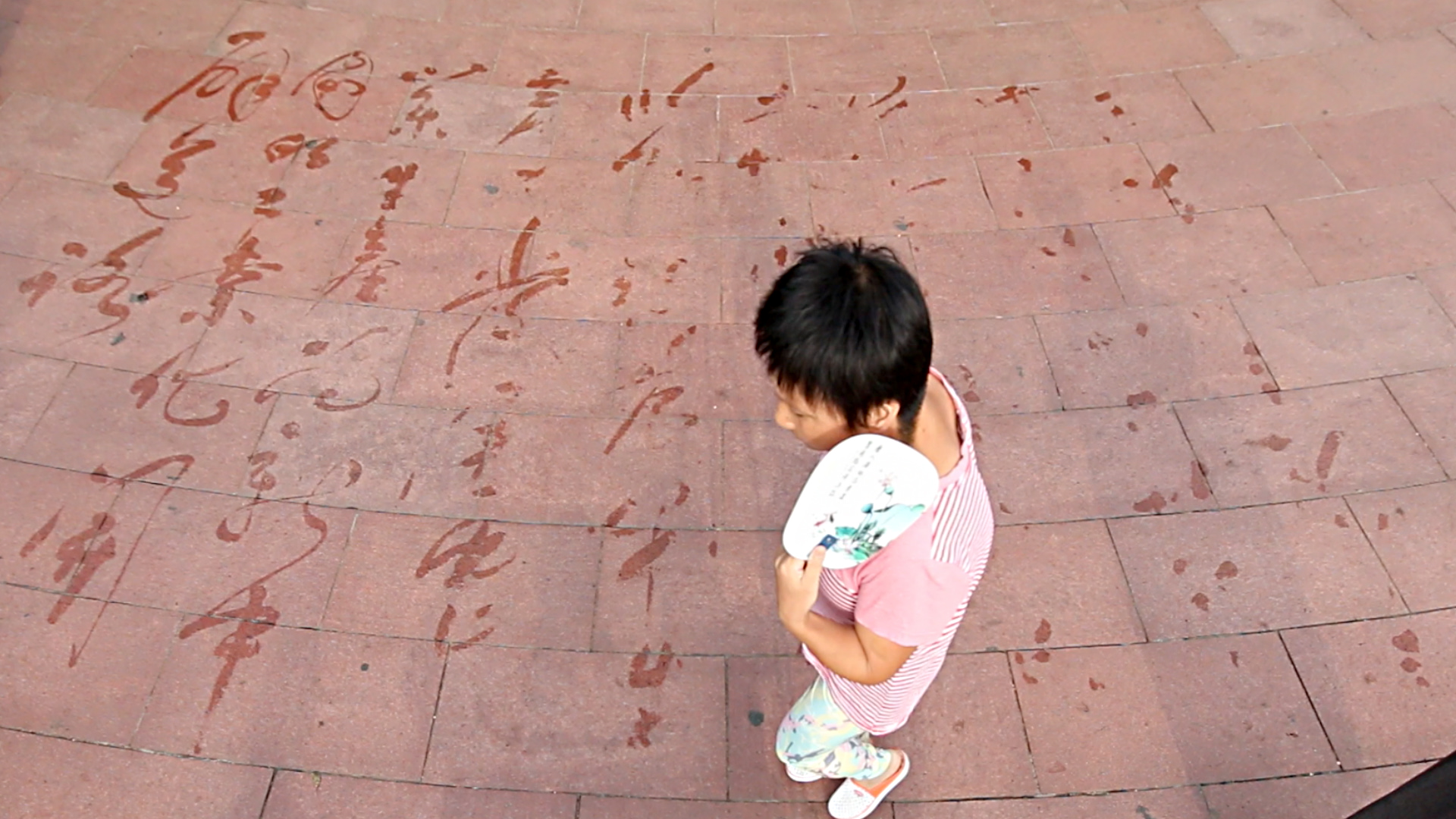
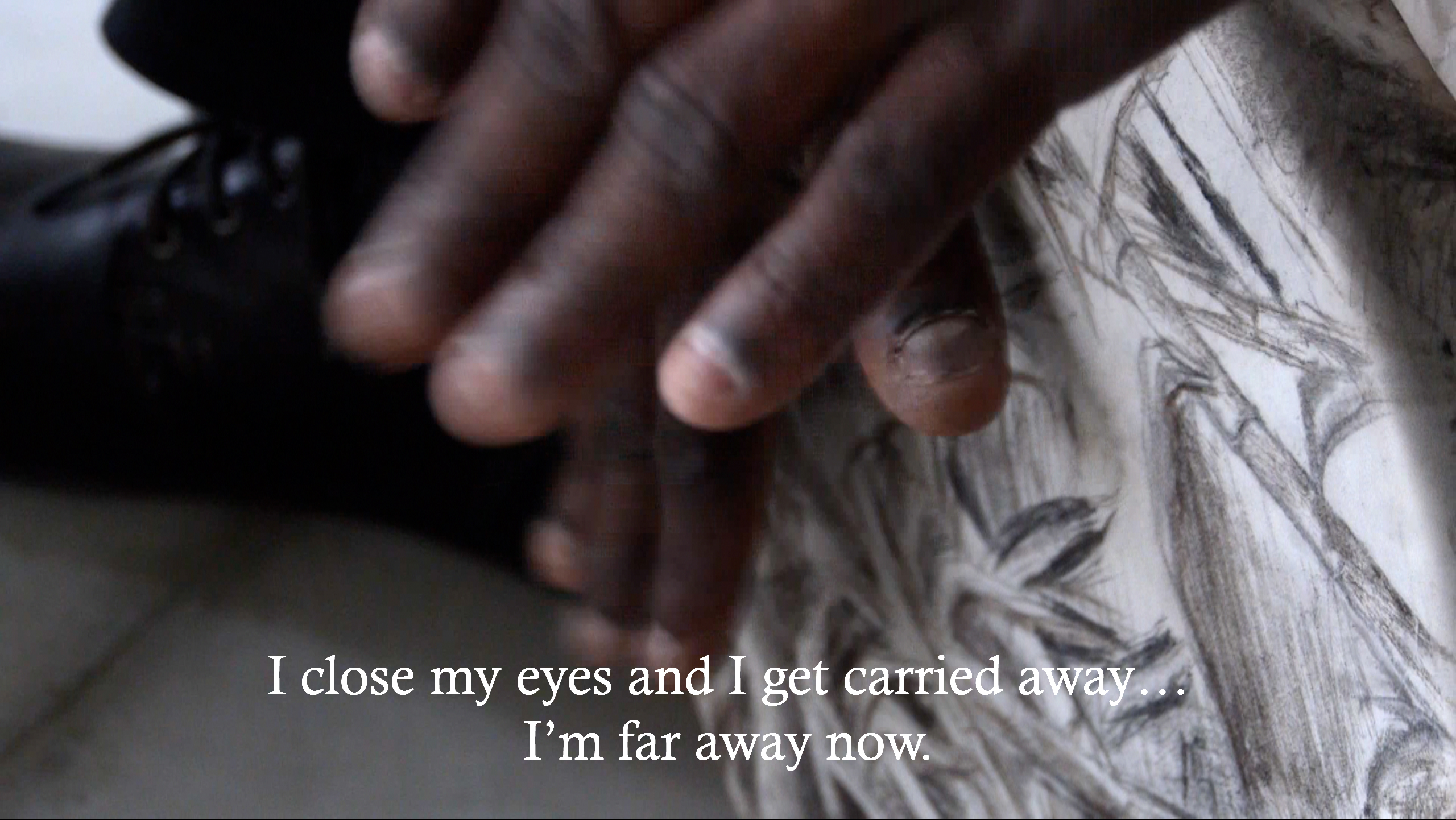
For the piece June 28th 1950, The Agrarian reform, the artist requested a Chinese calligrapher specialised in italicised form, to work on this millennial technic of popular calligraphy —that it is done using water directly on the ground. This form, also called “grass script” or “cao style”, is used to write drafts but also more artistic text, being the one Mao Tse Tung chose for the transcription of his poems. For Avila´s work, the text transcribe the content of the agrarian reform after de Chinese Revolution with the water of the Yangtze River. The Agrarian Reform of 1950 was decisive in the formation of modern socio-economics in the Chinese post-Revolutionary agricultural community, since for centuries, the country had been based on the concentration of land ownership, the exploitation of the peasantry, and inequality in wealth and political power.
Chinese calligraphy, also known as shūfǎ, is an ancient practice that carries multiple meanings. On the one hand, it is the purely aesthetic act of writing; at the same time, it may be understood as the set of features that characterise the way in which a person writes, or in which a document is written. In its italicised form, or cǎo, it is an art wherein abstract expression takes precedence over legibility. Likewise, in its technique the action itself takes precedence over its transcendence. The sun evaporates the letters on the earth in just a few minutes, and upon disappearing, explains Ávila Forero, the written texts become a “secret assertion”. The ephemeral nature of this practice, for which a permanent materialisation cannot exist, creates in it an invocation: continually vanishing transforms it into a utopian act.
Marcos Ávila Forero’s multidisciplinary production focuses on critically investigating cultural, ideological, and social contradictions. He works with collective and individual histories, forgotten rituals and memories, with the stories that have been left out of the hegemonic discourse of History. The use of materials and techniques belonging to the contexts in which he works, as well as collaboration with local figures and collectives, make his actions particularly interesting in terms of transmission and translation. Given its cultural, social, and historical particularities, together with its legacy of communist ideology as well as a position of immense international political pressure, the Chinese experience has become a symbol for so-called third world countries. This reform, still in force today, is at the core of the peasantry’s current demands and vindications not only in China, but also all across the Global South. Registering the text with water momentarily reveals a fleeting yet enduring vestige of a struggle, a memory, and a latent history that are, like other traces, destined to be re-written again and again as an act of resistance.
Antonella Medici
Stills
Marcos Ávila Forero
- Artist
1983, Paris
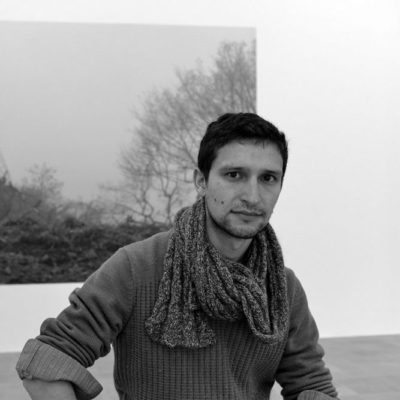
The works by Marcos Ávila Forero submerge the audience in the complex and often violent political and social situations they present. Ávila Forero has participated in screenings at Centre Georges Pompidou, in Paris; as well as the 43 Salón Nacional de Artistas — Museo de Arte Moderno in Colombia. His works can be found in numerous institutions and private collections such as the Fonds Régional d’Art Contemporain in Aquitaine, Bordeaux and the Fondation d’entreprise Hermès, Paris. He has also received the Découverte des Amis du Palais de Tokyo award, and was the recipient of the Hermès grant. In 2014 he won the best video-installation prize at LOOP Art Fair. This year, he will participate in the Venice Biennale’s main exhibition, Viva Arte Viva, curated by Christine Macel.
Last update 8th May, 2017
Related artist videos
— Log in to watch the artist video if you have been given an access
Première
- Title
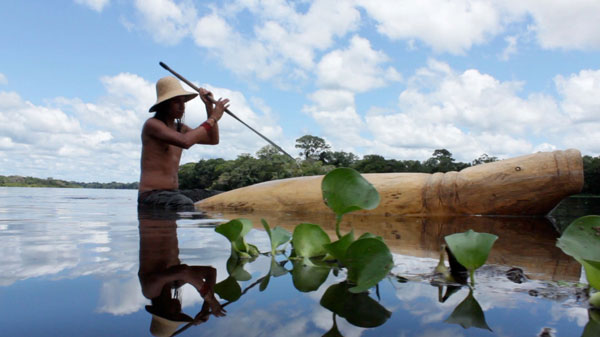
- Un pechiche para Benkos
- Gallery
- ADN Galeria, Barcelona | Paris
- Year
- 2016
- Duration
- 5 min 28 s
- Format & Technical
Single channel, HD video, colour, sound
5 + 1 AP
- Music
- Text
- Special thanks
— Log in to watch the artist video if you have been given an access
- Title
- À Tarapoto, un Manati
- Gallery
- Galerie Dohyang Lee, Paris
- Year
- 2011
- Duration
- 18 min
- Format & Technical
3 channel installation, HD video, volour, sound Edition 3/5 +2 AP
Related galleries
Galerie Dohyang Lee
- Address
- 73 - 75 rue Quincampoix, 75003, Paris, France
- Phone
- +33 (0)1 42 77 05 97
- info@galeriedohyanglee.com
- Website
- www.galeriedohyanglee.com/en
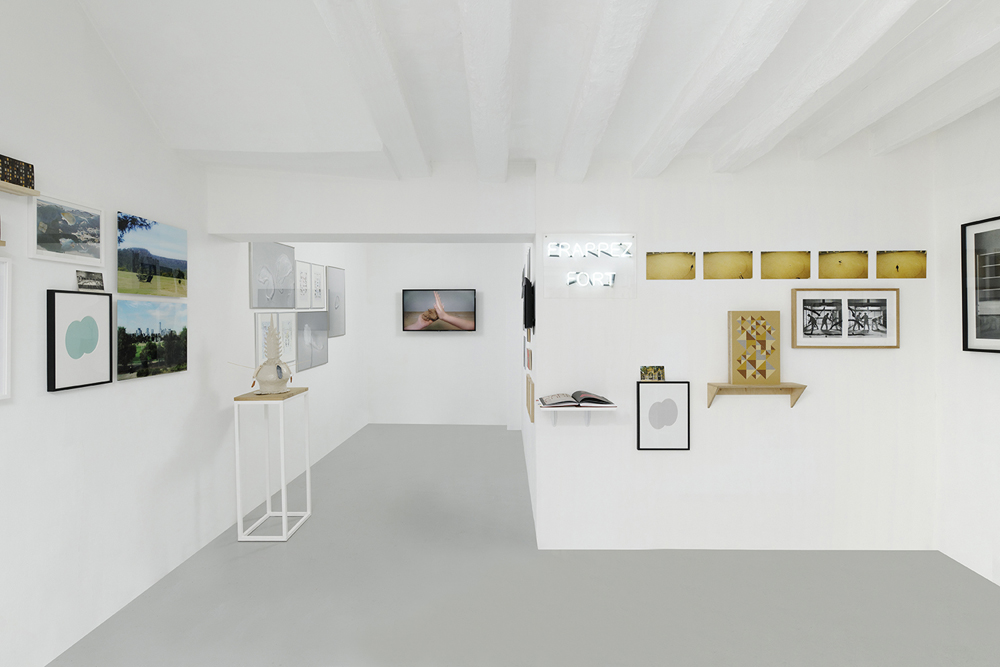
The Dohyang Lee Gallery is founded in Paris, in 2010, near the French National Museum of Modern Art (Centre Pompidou). Its multidisciplinary program, through various media, is an accurate reflection of the contemporary art creation. Inviting young international emergent artists, without limitation of materials or artistic concepts, the gallery contributes to the production and realization of their works. Invitations are proposed so that young art critics and curators can present their projects. The gallery regularly holds international cultural exchanges. A specific aspect of its work lives in the interest for movies and new media.