Colorless, Odorless
Eunhee Lee
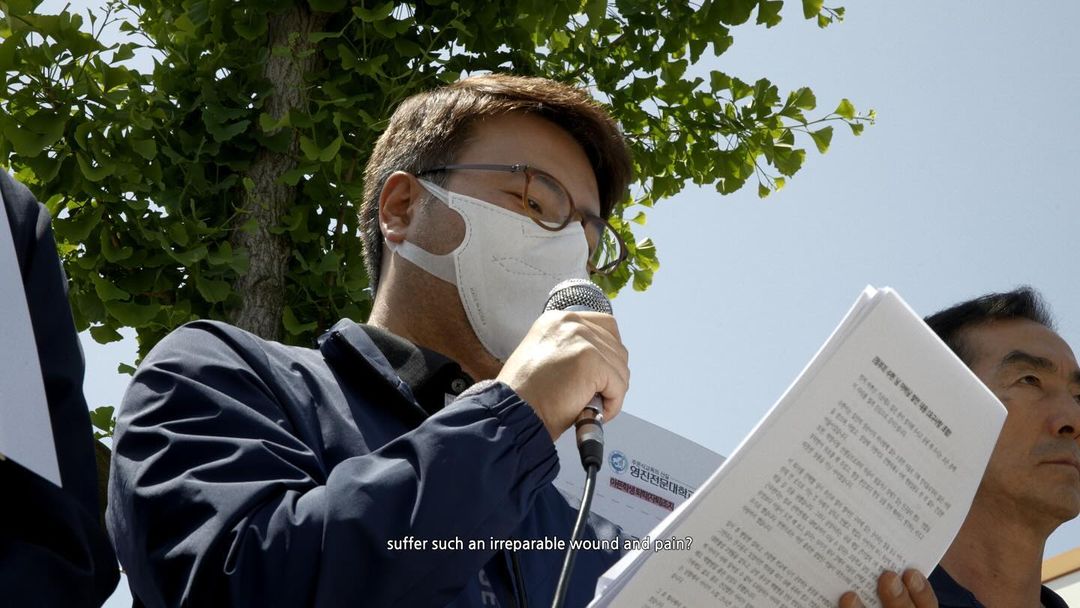
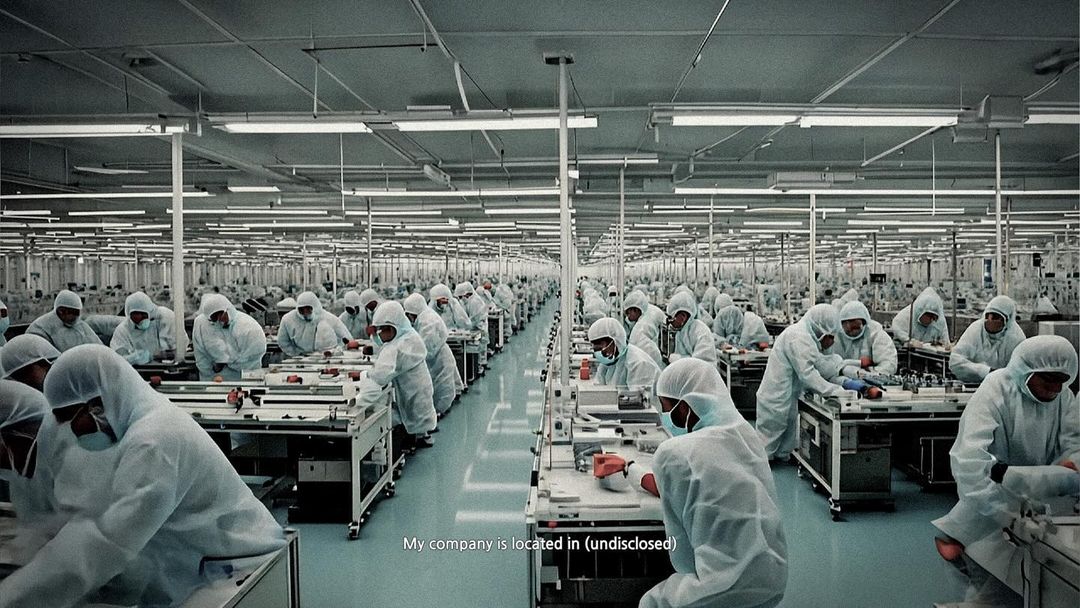
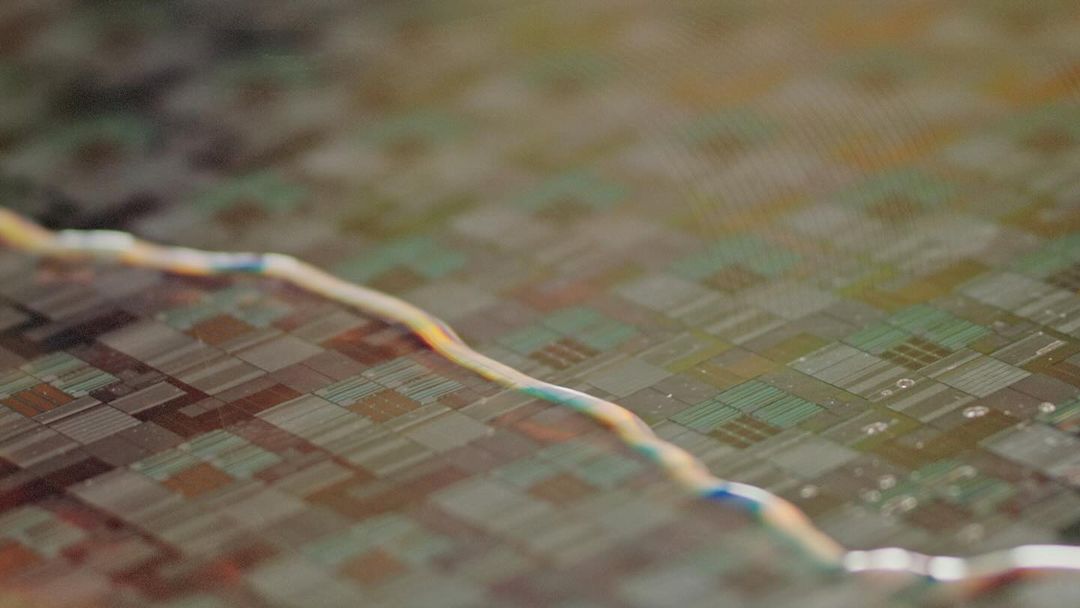
The key elements of electronics, such as semiconductors and display components, are produced in “clean rooms,” which are spaces where environmental conditions, including dust, are controlled. However, workers in these clean and sanitized spaces are often exposed to chemicals that are seriously hazardous to their health. Unlike immediate catastrophes, diseases caused by the accumulation of chemicals often go unnoticed and develop slowly over generations.
What was that sour-yet-sweet odor? Does “clean” mean that it only maximizes production stability while being far from body safety? Ironically, it is only the memories of the bodies and the faint smells of the substances passing through the clean rooms that prove the invisible toxicity and dangers in these cutting-edge technology sites.
Colorless, Odorless follows the work records and archival materials of victims of semiconductor biohazards to trace the smells and actions of substances that cameras cannot capture. To this end, the voices of Asian women and migrant workers, who are exposed to the vulnerability, are heard. Testimonies from the past are overlaid on current symptoms, and the disaster perpetuates itself in other bodies and places. As multinational corporations move manufacturing plants to developing countries to lower not only labor costs but also the costs of implementing safety standards and regulatory responses, industrial disasters take place globally.
Perhaps the future is not an abstract projection, but something intertwined with specific bodies and matter. As high-tech industries lead the way in the globalization of risk and exploitation in increasingly outsourced workplaces, Colorless, Odorless attempts to map out the terrain of solidarity among victims, activists, and workers’ unions in the face of these risks and exploitation.e often exposed to chemicals that are seriously hazardous to their health. Unlike immediate catastrophes, diseases caused by the accumulation of chemicals often go unnoticed and develop slowly over generations.
- Han Nefkens Foundation – Loop Barcelona Video Art Production Grant 2023
Stills
Eunhee Lee
- Artist
1990
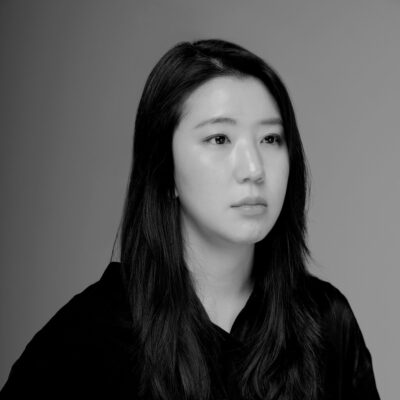
Eunhee Lee (born in 1990, South Korea) creates experimental and documentary videos that explore the relationship between the individual, the image, and technology within a social context. Technology is not only a product of science but also a complex composition of various political and economic interests. The practice of observing these phenomena is an ongoing attempt to understand the strange and absurd world we currently live in. Eunhee Lee received an Absolvent and Meisterschüler in Fine Arts from the Universität der Künste Berlin and earned a Master’s degree in Fine Arts from the Korea National University of Arts. Based in Seoul, Lee has held solo exhibitions at Doosan Gallery (2023), The Reference (2021), CR Collective (2020), Open Circuit (2017), and Space291 (2016), and has participated in group exhibitions at the Seoul Museum of Art (2022), National Museum of Modern and Contemporary Art, Seoul (2022-2021), ARKO Art Center (2020), Busan Museum of Contemporary Art (2019), and many others. Her films have been screened at the DMZ Documentary Film Festival (2022), the EXiS Film Festival (2018/2019), and the Seoul International New Media Festival. She is the winner of the Han Nefkens Foundation – Loop Barcelona Video Art Production Grant 2023.