COS SOCIAL [Lliçó d’anatomia]
Joan Morey
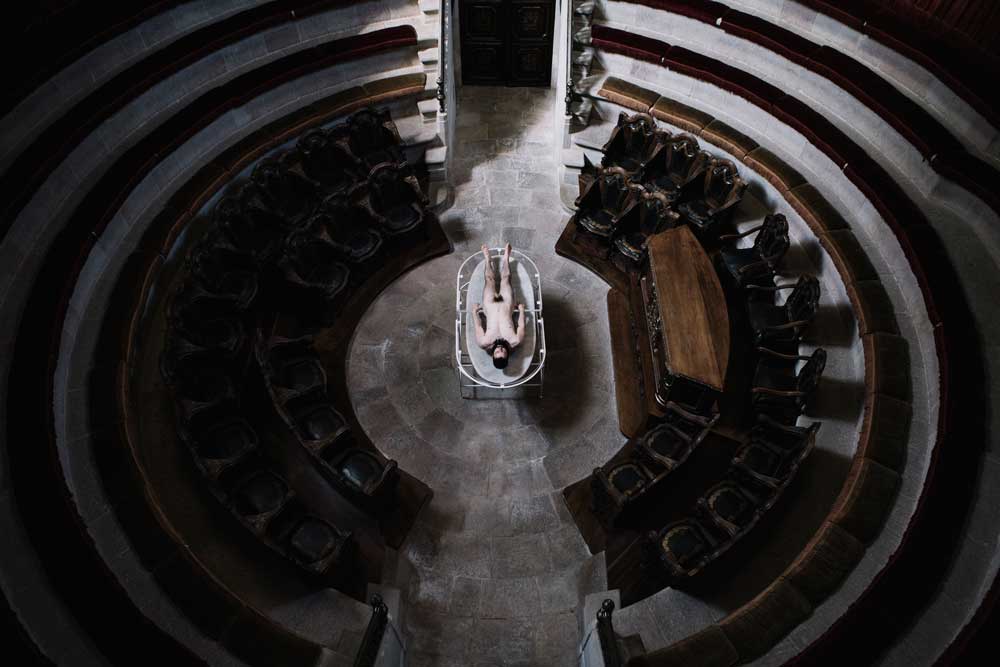
— Log in to watch the artist video if you have been given an access
- Title
- COS SOCIAL [Lliçó d’anatomia]
- Year
- 2017
- Duration
- 50 min
- Format & Technical
Video projection. Colour and sound.
- CAST
- VOICE OVER
- DIRECTOR OF PHOTOGRAPHY
- FIRST ASSISTANT CAMERA
- SECOND OPERATOR
- GAFFER
- SOUND EDITOR
- DIALOGUE EDITOR
- COSTUME DESIGNER
- COSTUME DESIGNER ASSISTANT
- SHOES
- HAIR AND MAKE UP
- PRODUCTION ASSISTANT
- STILL PHOTOGRAPHY
- PRODUCTION
- POSTPRODUCTION
- SUBTITLES
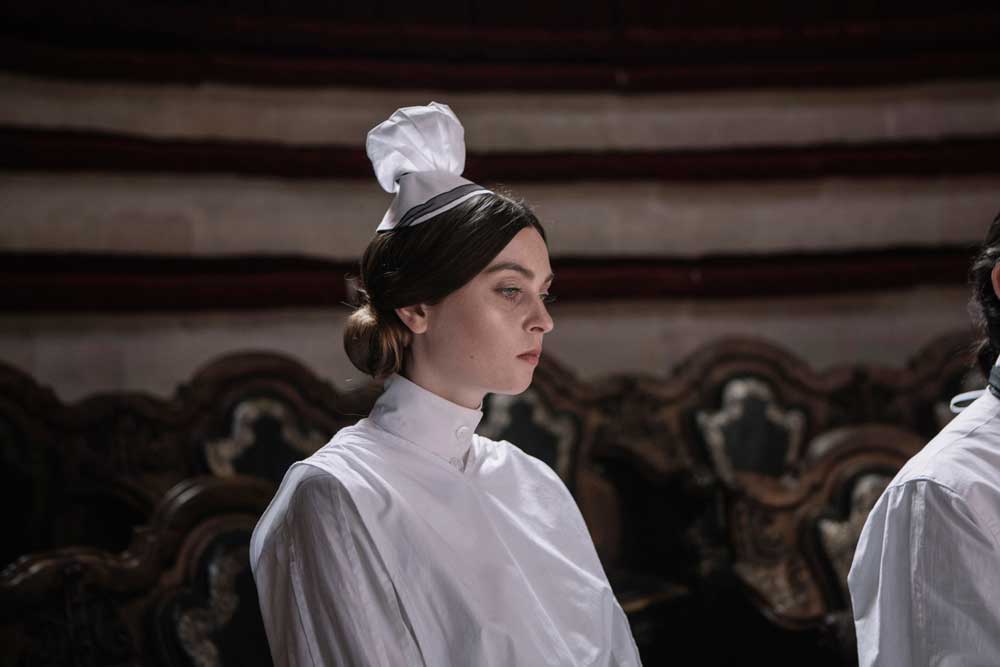
'COS SOCIAL [Llicó d'anatomia]' (Social Body [Anatomy Lesson]) by Joan Morey (Mallorca, 1972) is the winning project of the third edition of the Video Production Prize launched by the Xarxa de Centres d’Arts Visuals de Catalunya, Arts Santa Mònica and LOOP Barcelona.
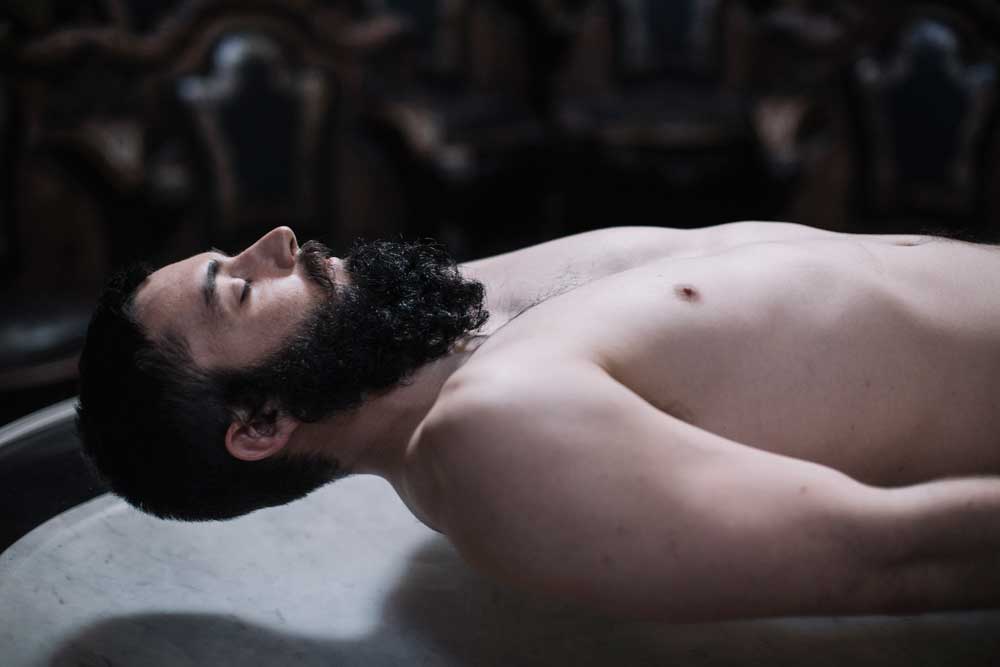
COS SOCIAL [Llicó d’anatomia] deals with the body and its immanence, putting the human figure at the centre of the stage. Focused on the individual as a social instrument, the project explores the objectuality of his physical condition and how this impacts the place a person holds in the world; furthermore, the piece hints at the effects that power instances have over the individual and suggests a linguistic understanding of affection. Morey’s project also dialogues with the historical representation of the body in Western art and its contemporary presence in the field of performance.
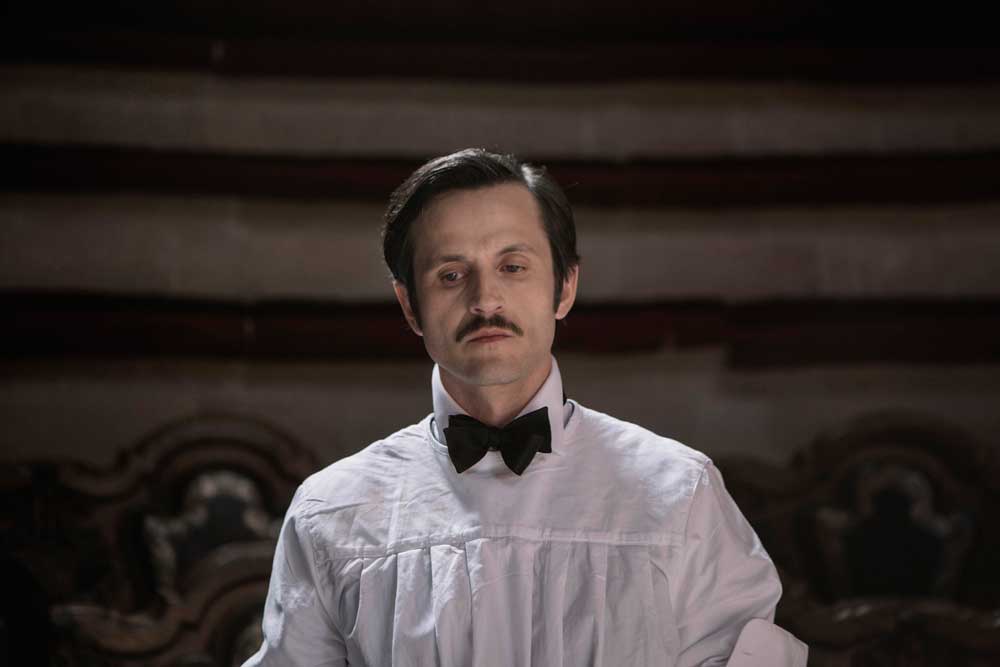
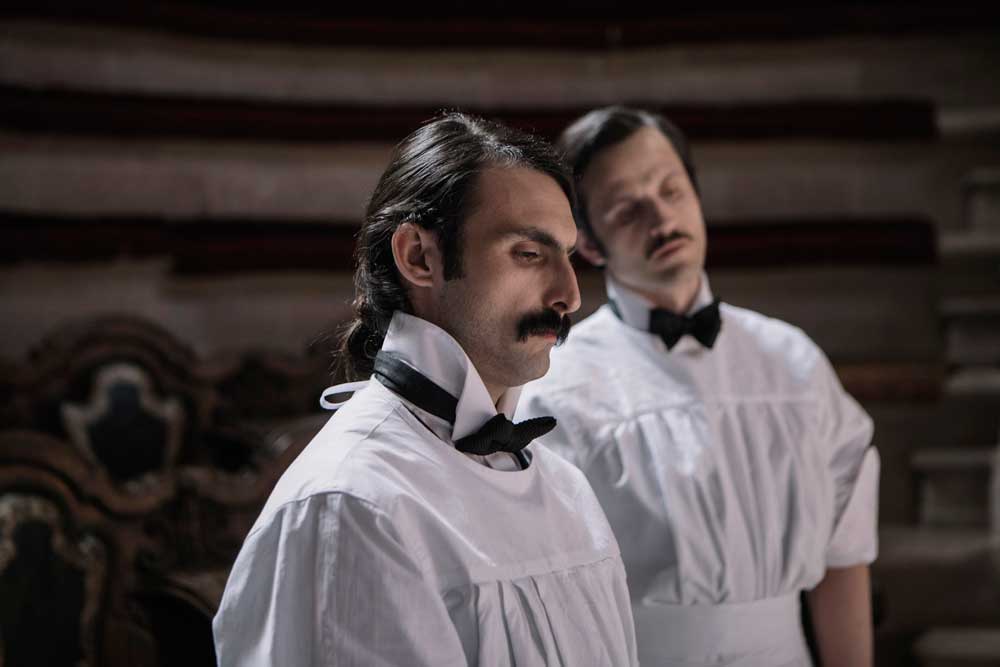
Taking the anatomy lessons depicted in Renaissance and Baroque paintings as a starting point, this video performance establishes itself as a vast three-dimensional device that remains closed in itself, exhausting all its being and action. Here, the body is made up of flesh and bones, while the camera is a manifold character that replaces the audience. COS SOCIAL [Llicó d’anatomia] places the actor and the spectator under the same experience, one in which observation is conditioned by audiovisual language and rooted in performance.
- Video Creation Award la Xarxa i Loop 2017
Stills
Joan Morey
- Artist
1972, Mallorca
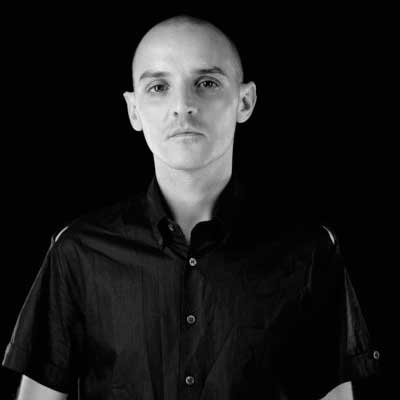
Joan Morey holds a BA and a DEA in Fine Arts from the University of Barcelona. His artistic practice mainly focuses on the language of the performance, generating events, mises en scènes, environments or specific interventions that give place (or not) to derivative works. The backbone of his discourse is the unorthodox relationship between “Master / Slave” – which goes from the dialectic of the master and the slave as in Hegel to the sub-cultural practices “BDSM” -and the devices of power, with the objective to review them through artistic performance. Consequently, such mechanisms are used for the reconstruction of visual, oral and written proposals that reflect on ideology, religion or politics, in their multiple aspects.