How Was History Wounded?
Wang Jun-Jieh and Cheang Shu Lea
Chi-Wen Gallery, Taipei
— Log in to watch the artist video if you have been given an access
- Title
- How Was History Wounded?
- Gallery
- Chi-Wen Gallery, Taipei
- Year
- 1989
- Duration
- 28 min 20 s
- Format & Technical
Single-channel Video Installation, Colour, Sound
- Courtesy
- Supported by
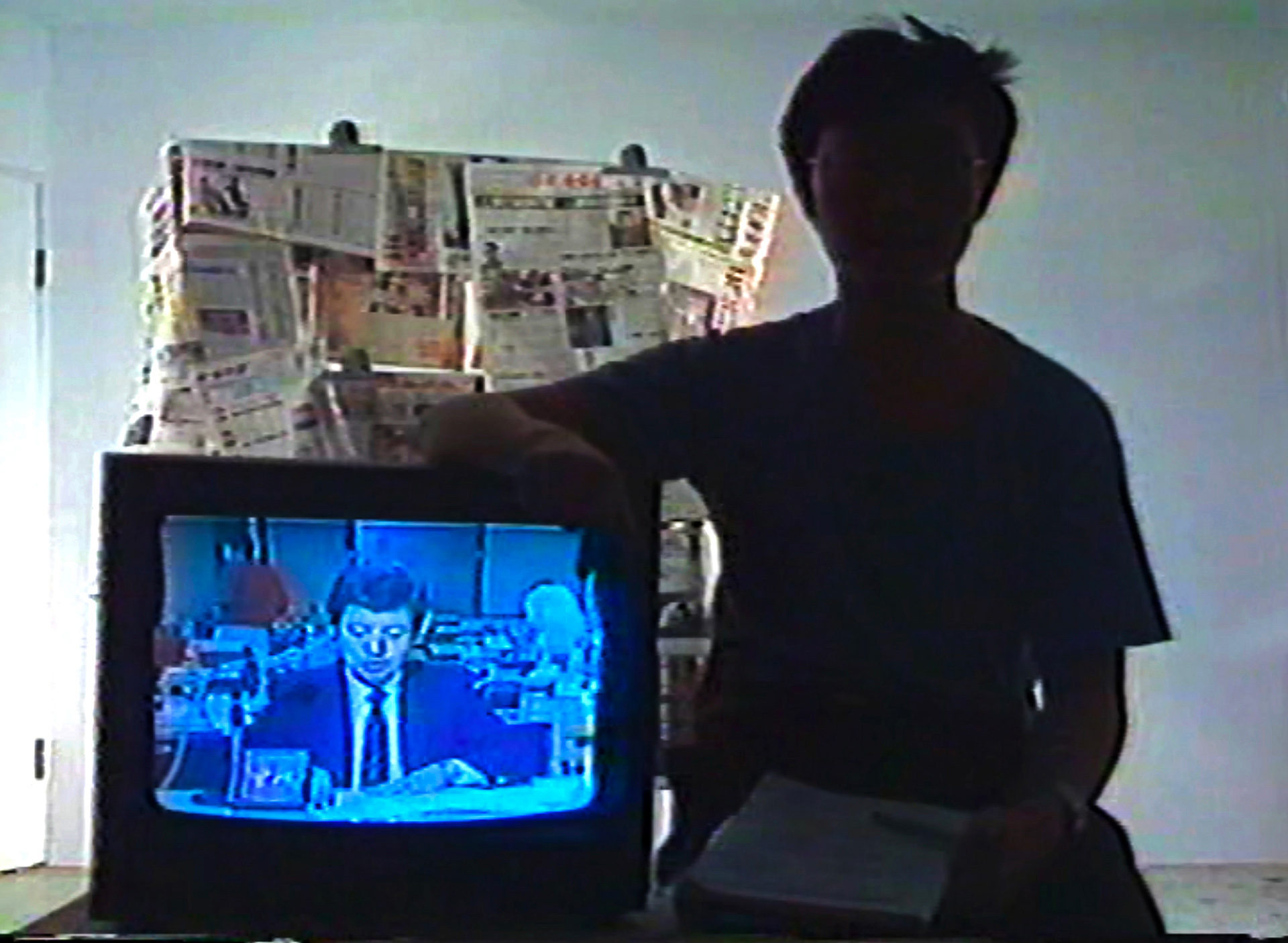
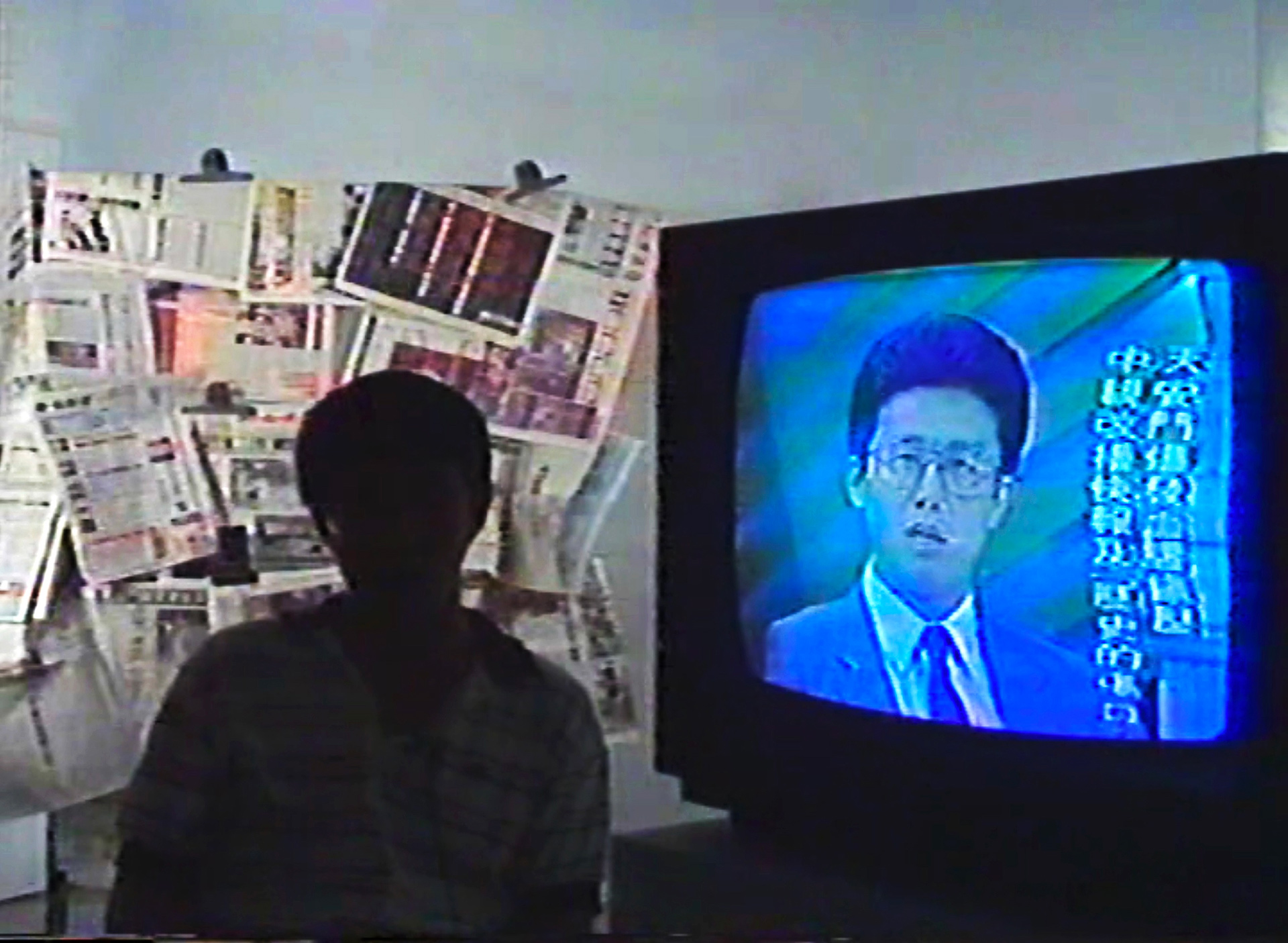
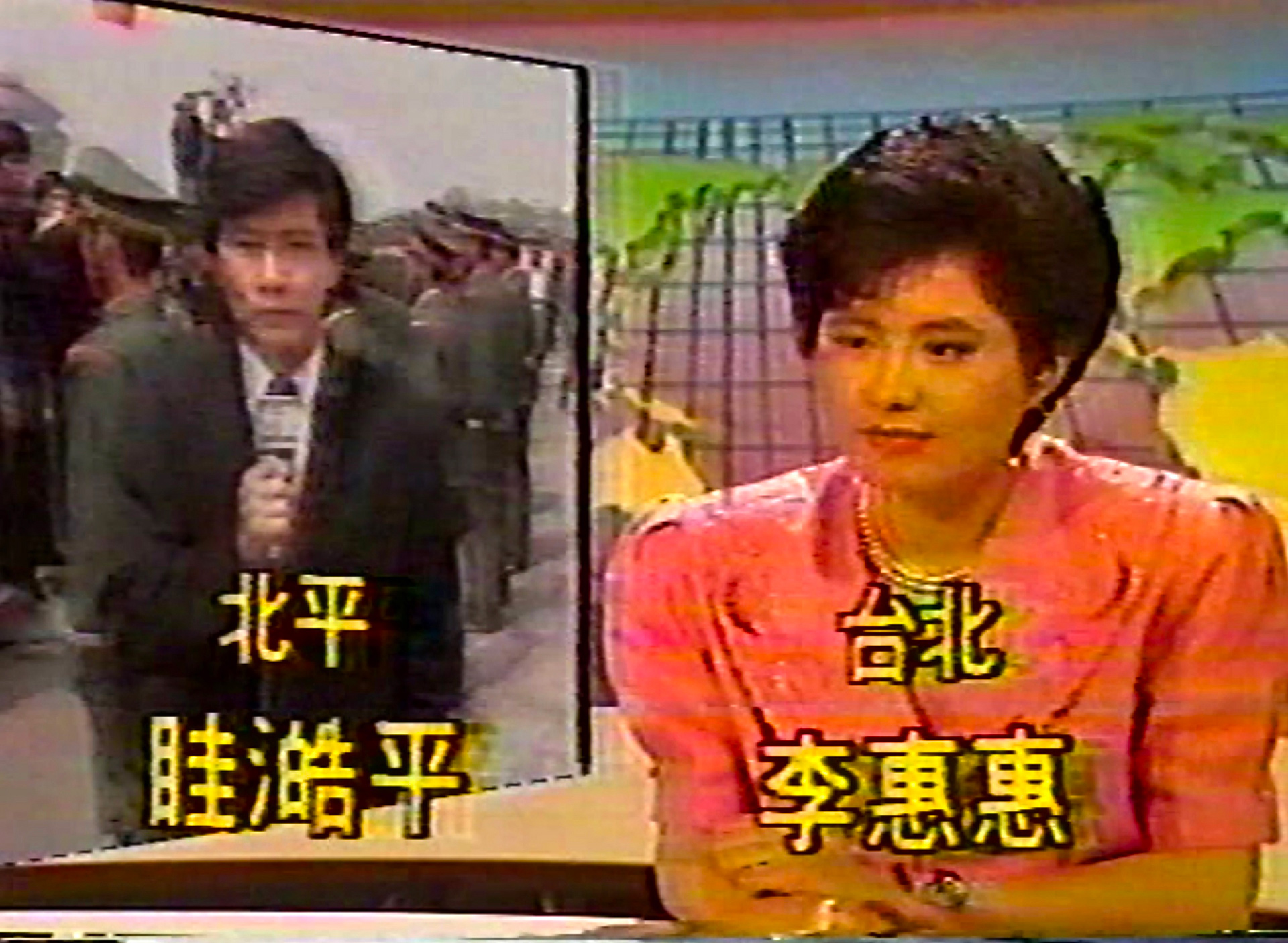
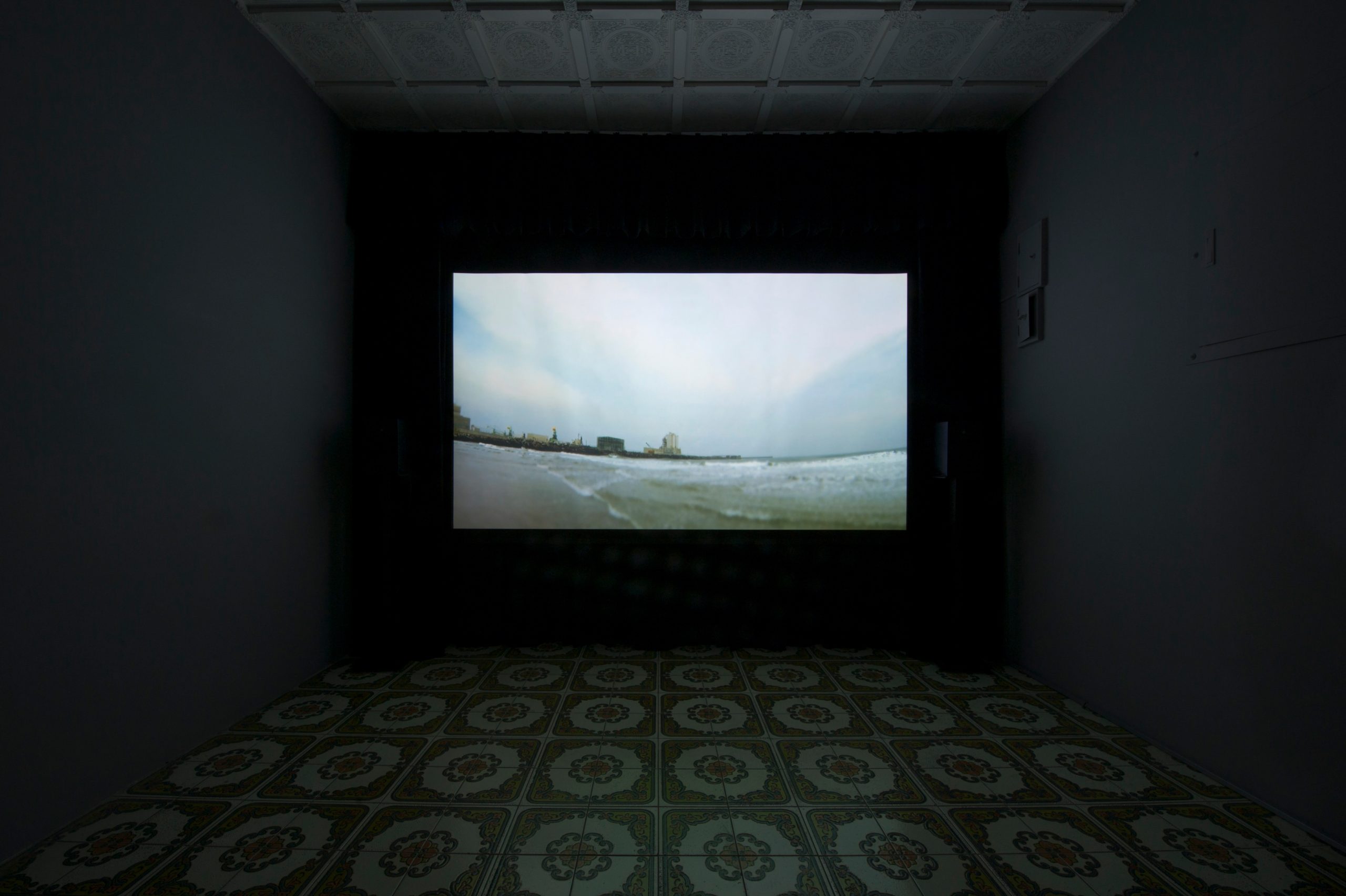
In this film we see three commentators sitting in front of a TV in a news studio discussing the Tiananmen Square protests of 1989 as reported by local and foreign media. Not only did the waves of student protests in Tiananmen Square command media attention around the world, it also attracted the governing authority of Taiwan to cover the issue to its own benefit. With help of the Taiwanese news media, the government manipulated the event in a dramatic manner, as to consolidate the governing power and strengthen people’s anti-communist sentiments. This film aims to examine the politics of image and the image of politics through commenting on the topics of democracy, media control, consumption and commercialism.
- Loop Fair Award 2023
Stills
Wang Jun-Jieh
1963, Tapei
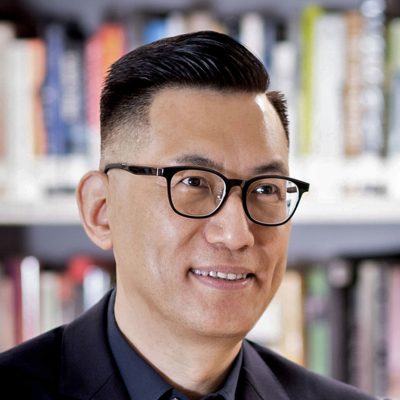
Wang Jun-Jieh was born in Taiwan in 1963. He has lived and worked in both Germany and Taiwan and is considered to be one of the pioneers of new media art in Taiwan. He is also an independent curator. Wang has been active on the international contemporary art stage from an early age, participating in such major international exhibitions as the American Film Institute Video Festival (1989), the Gwangju Biennale (1995, 2002), the 47th Venice Biennale (1997), the Taipei Biennial (1998, 2000), the First Fukuoka Asian Art Triennale (1999), the 3rd Asia-Pacific Triennial of Contemporary Art (1999), Transmediale, Berlin (2014), and “Awakenings: Art in Society in Asia 1960s-1990s (2018, 2019).
Picture: Wang Jun-Jieh. Photo by TFAM. Courtesy the artist and Chi-Wen Gallery
Cheang Shu Lea
1954, Tapei
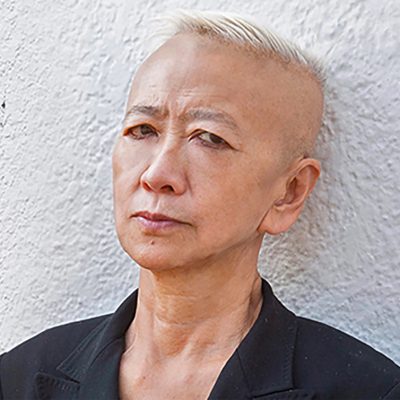
Born in Taiwan in 1954, Cheang Shu Lea has lived and worked in the United States, Japan, Holland, the United Kingdom and France. Her practice combines artistic concerns with hot-button social issues, defined by her nomadic and information-era existence. She has been a member of the alternative media collective Paper Tiger Television since 1982 and produced public-access programs for the group addressing racism in the media. As an artist, she has worked in a variety of mediums—film, video, installation, web spaces—her output as varied as cyberspace itself.
As a net art pioneer, her BRANDON (1998-1999) was the first web art commissioned and collected by the Solomon R. Guggenheim Museum in New York. Cheang represented Taiwan at the 58th Venice Biennale in 2019.
Cheang Shu-Lea. Photo by TFAM. Courtesy the artist and Chi-Wen Gallery
Related galleries
Chi-Wen Gallery
- Address
- No. 32, Ln. 2, Zhongshan N. Rd. Sec. 6, Shilin Dist., 11155, Taipei, Taiwan
- Phone
- +886228370237
- chiwen.huang@chi-wen.com
- Website
- www.chiwengallery.com
Founded in 2004 by Chi-Wen Huang, Chi-Wen Gallery is one of Taiwan’s premier contemporary art galleries, specializing exclusively in artists’ film, video, and moving images. The gallery is dedicated to supporting emerging artists through curatorial projects that explore cutting-edge subjects and technologies.
Chi-Wen Gallery actively participates in both local and international art fairs, including Art Basel Hong Kong, Frieze Art Fair, and LOOP Barcelona. This involvement keeps the gallery closely connected with today’s art scene and allows it to work with artists whose work is gaining historical significance.