Knowledge Editing Division
Kirill Savchenkov
Osnova gallery, Moscow
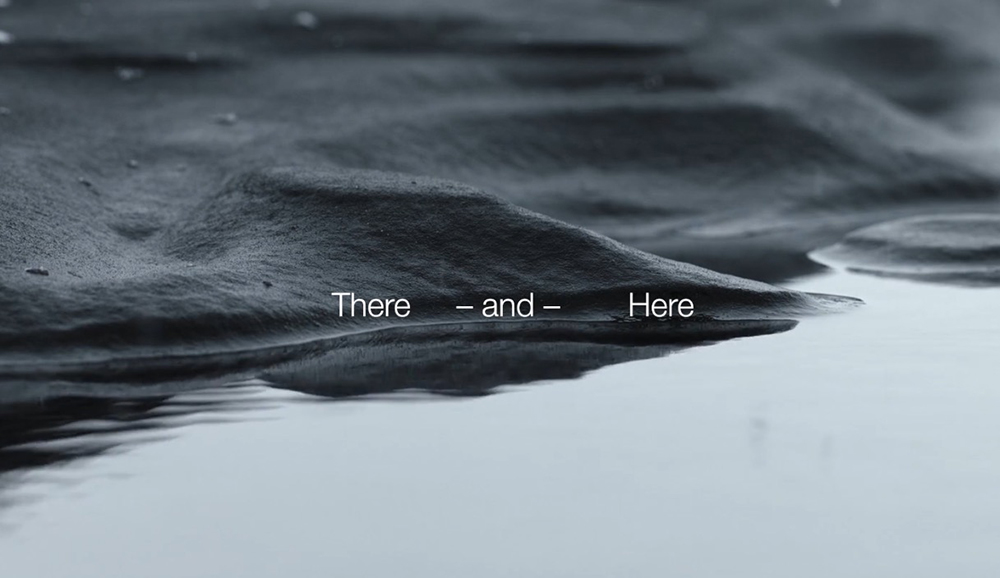
— Log in to watch the artist video if you have been given an access
- Title
- Knowledge Editing Division
- Gallery
- Osnova gallery, Moscow
- Year
- 2017
- Duration
- 8 min 39 s
- Format & Technical
Video HD, single channel, sound, 08:39 min
Ed. 3+1 AP- Contact
Alena Kurmasheva
hello@osnovagallery.com
- Photography: Florian Nick and Marcus SiesEditing: Maria Kharitonova and Kirill SavchenkovVoice over: Alia PathanFont: Theranos HelveticaSpecial thanks to Daria Kalugina, Ivan Merkulov, Katerina Chuchalina and Anna Ilchenko
Processes making up the fourth industrial revolution change the role of thought in economics, politics and technology. Descriptive models become a way for start ups to plan their actions and often their cognitive model determines not only the corporate culture but also the public value of ideas of a given start up. The interaction between humans and objects, as well as the interchange between data and knowledge, constitutes a social sphere operating under a threatening shift in cognitive behavior that I find analogous to the shift effected in Soviet times.
The work is built upon the history of usage of descriptive models, visualization, political techniques and cultural positioning by the Theranos company, which has become an example of monetizing of an inexistent promise of biochemical monitoring of human body. Such a practical science-fiction idea has been built upon finding a new way of relationship between body and intellect. The biochemical analysis of blood and the depiction of natural utopia based on the knowledge about the body appealed to emotional intelligence. And the Theranos tech was hidden behind such image, so the public has seen the whole situation as a role playing game with the start up by Elizabeth Holmes where the knowledge served as a basis.
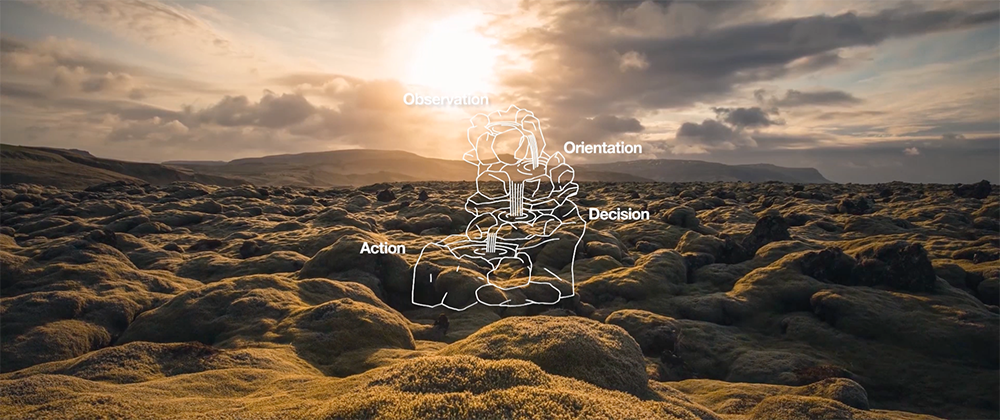
At the same time similar organizational-performative games make up the practices of a soviet philosopher Georgy Schedrovizky. Based on this methodology he attempted to overcome a cascade of shift in the cognitive dimension of soviet political, economical and cultural spheres. The narration is based on public speech by Elizabeth Holmes at TEDMed and descriptive models developed by Schedrovizky.
Commissioned by V-A-C Foundation
Stills

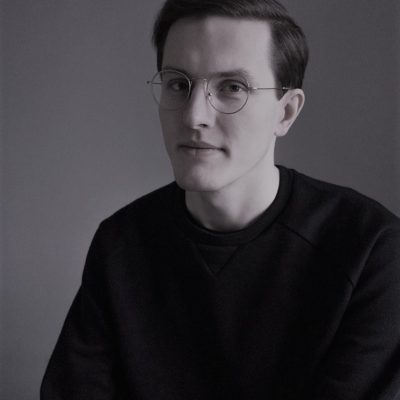
Kirill Savchenkov (b. 1987, Moscow) works with various media including mediated sculpture, installation, performance and sound. His artistic practice investigates the questions of hidden power and violence formations, new traumas acquired within production, experience, power and culture. The works highlight the metabolism of technology, informational autocracy and media weaponisation.
In 2018 Vadim Sidur Museum held his solo show Ch(k)ris(tin). Close Air Support. In 2017, his solo exhibition Office of Sensitive Activities/ Applications Group (supported by V-A-C Foundation) was shown at Moscow Museum of Modern Art. In 2016, Savchenkov presented Museum of Skateboarding as part of the Power and Architecture program at Calvert22, London.
He took part in the exhibition Time, Forward! (V-A-C Zattere, Venice) in 2019. He participated in the Ural Industrial Biennial of Contemporary Art (2019, 2017) and in the 12th Gwangju Biennale (2018). He received the Innovation Prize (New Generation, Russia, 2018) and the grant program of Garage Museum of Contemporary Art (2017). He has been teaching at Rodchenko Art School since 2013.
Last update 22nd October 2020
Related galleries
Osnova gallery
- Address
- 4th Syromyatnichesky Pereulok 1/6 , 105120, Moscow, Russia
- Phone
- +79 268 873 987
- hello@osnovagallery.ru
- Website
- osnovagallery.com
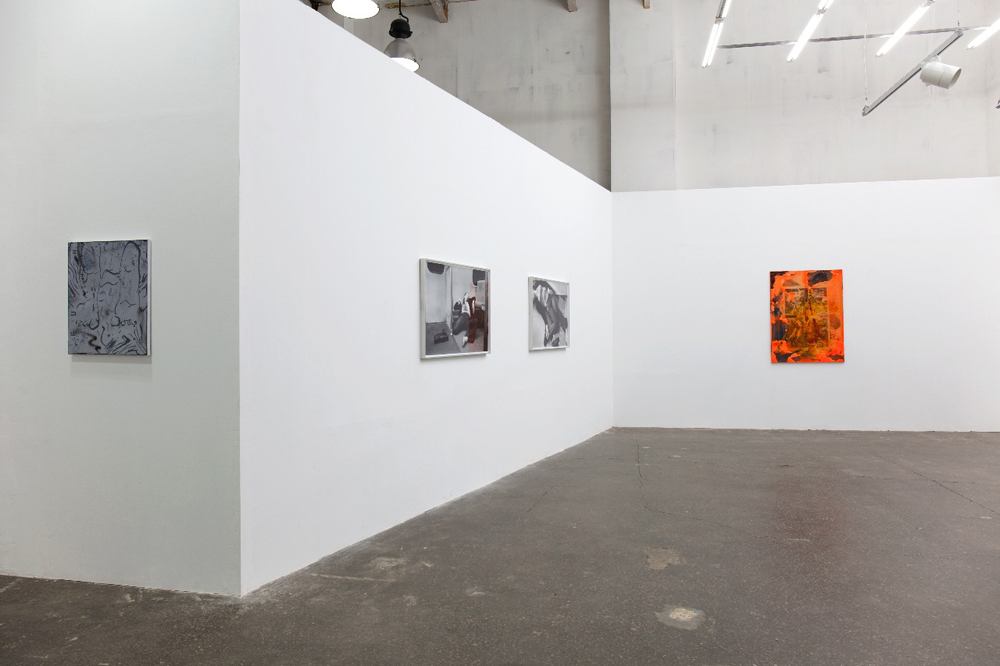
Osnova is a young and dynamic Moscow art space founded in 2014 that provides a vital platform for emerging artists from countries worldwide. Osnova strive to bring new artist names to the forefront of the contemporary art scene, and engage extensively with the local community integrating it to the international art scene.