Si les heures m’étaient comptées
Angelika Markul
Galería Solo, Madrid
— Log in to watch the artist video if you have been given an access
- Title
- Si les heures m’étaient comptées
- Gallery
- Galería Solo, Madrid
- Year
- 2016
- Duration
- 11 min 47 s
- Format & Technical
Video Installation
Edition of 2/4 + 1 AP
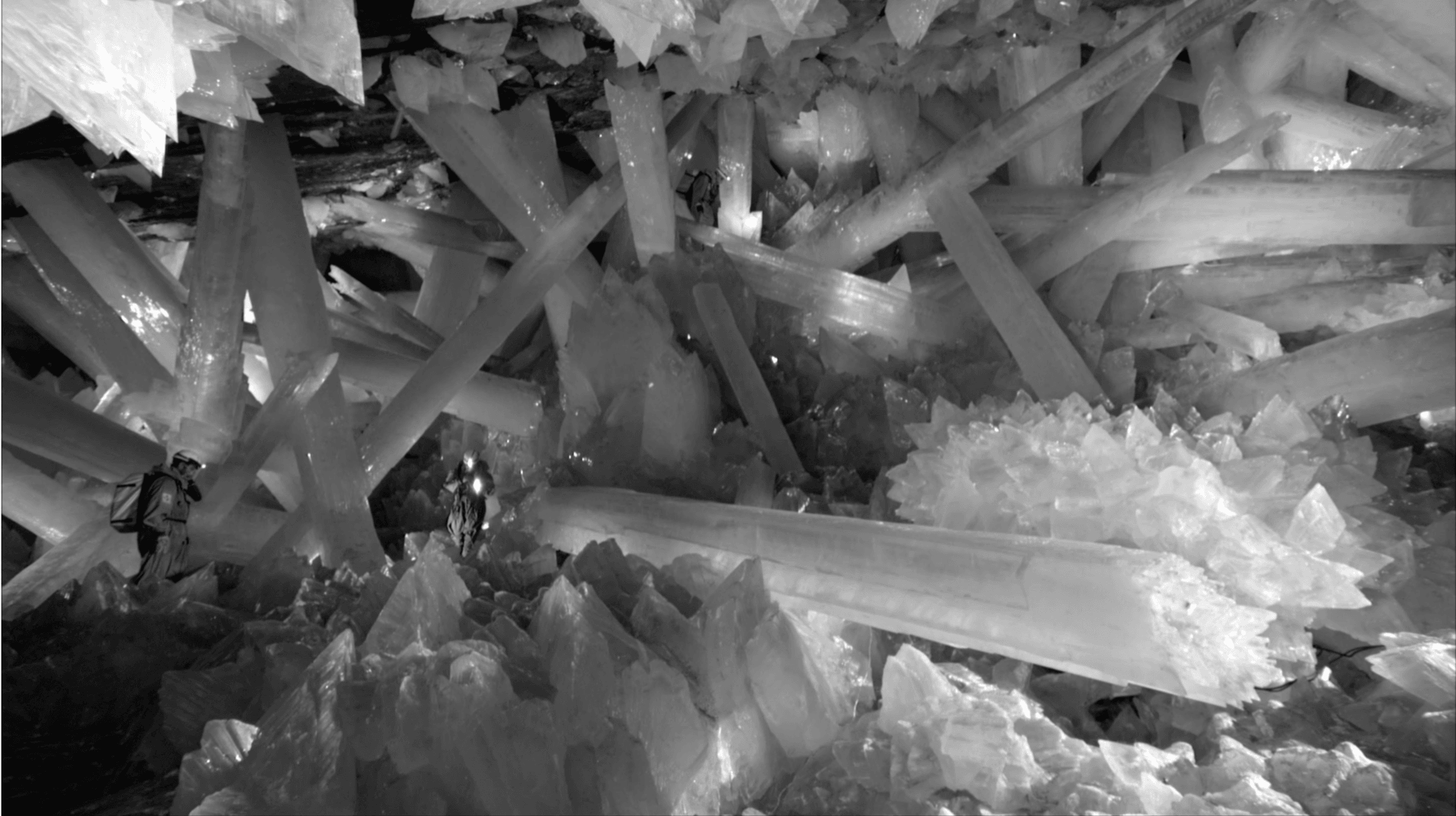
In April of 2000, during a routine run 300 meters underground in the lead and silver mine in Naica, Mexico, two miners made a surprising discovery. They accidentally dug into an underground cave, and what they saw left them breathless. The cave was filled with selenite crystals, the largest of which were 11 meters long, 5 times higher than those found in earlier discoveries. It is believed that they were formed between 500.000 and 200.000 years ago. Lethal conditions prevail in the cave, with a temperature of 45 to 50 C° and humidity of 90-100%. This discovery lead a group of scientists to initiate the Naica Project, in order to explore the past and search for primitive life forms. The crystals, as a result of the removal of water from the cave, were exposed to the risk of collapse due to changes in conditions. It is highly likely, however, that the mine will cease the costly pumping of hectoliters of water, restoring the cave’s original conditions and closing access to the interior of the cave. Those who visited the Crystal Cave describe their experience as an encounter with something unearthly.
The astonishing beauty and deadly conditions determine this extraordinary experience and, more specifically, allow for a way to reach the limits of survival in terms both biological and aesthetic. Geologist Juan Manuel García-Ruiz called it the Sistine Chapel of Crystals. What interests Angelika Markul, more than just beauty, is the fascination it evokes as well as the scientific technology and aesthetic exploitation applied in the extraction.
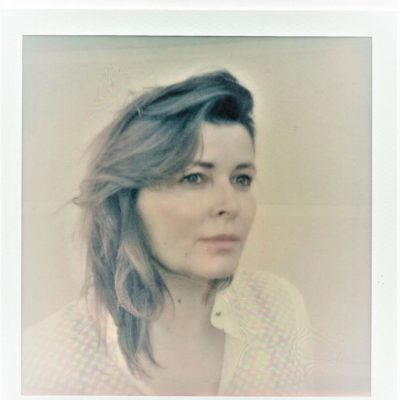
Angelika Markul (Szczecin, 1977) lives and works in Paris. She graduated at the National School of Fine Arts of Paris, with a recognition in the multimedia lab of Christian Boltanski.
She has recently received the Coal 2016 Award, which recognizes the work of artists whose art is environmental compromised. She also received the Sam Art award in 2013.
Among her recent individual exhibitions, we can find Terre de départ, at the Palais de Tokyo (2014), and Naturaleza Reimaginada, currently on display at the Muntref in Buenos Aires, Argentina.
Her artistic practice shifts between video, sculpture and installation, contributing with a poetic and plastic vision about dangerous or conflicting situations. Her works, dark and powerful, draw a map of humanity back to the most remote places. She is interested in uncommon and isolated landscapes; being time, memory, mankind and nature the common thread of her work.
Related galleries
Galería Solo
- Address
- Callejón Jorge Juan 12 D, 28001, Madrid, Spain
- Phone
- +34911727513
- info@galeria-solo.com
- Website
- www.galeria-solo.com
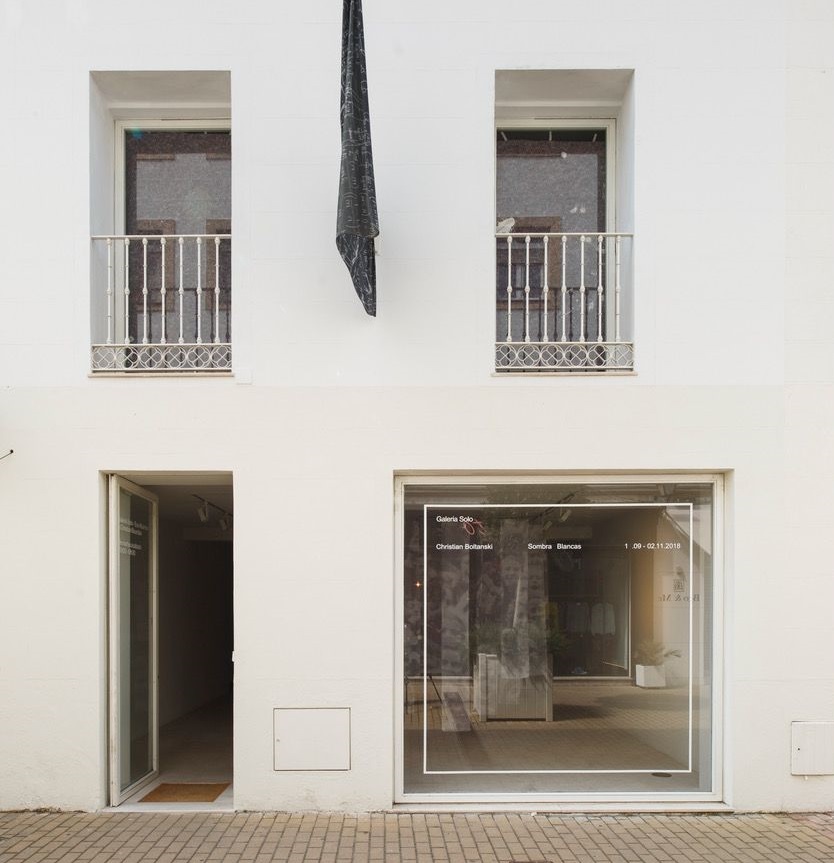
Over the last 15 years, Eva Albarran and Christian Bourdais have developed very close relationships of trust with important well-known and mid-career artists. With the opening of the Solo Gallery in Madrid, Eva’s hometown, they want to offer these artists a gateway to the Spanish and Latin American markets, the vitality of which is indisputable, in an opportunity that has great development appeal for them. With a fixed eye on the institution and the public space, the gallery aims to extend the walls of its “white cube,” located in the historic gallery district of Salamanca, into the city with projects in unexpected places. Though the Madrid gallery will focus on contemporary artists, Eva and Christian will continue to foster links between art and architecture through collaboration and the use of the Solo Houses park as a place of artistic expression and open-air exhibitions.