Touch and Go
Cristina Lucas
Galería Juana de Aizpuru, Madrid
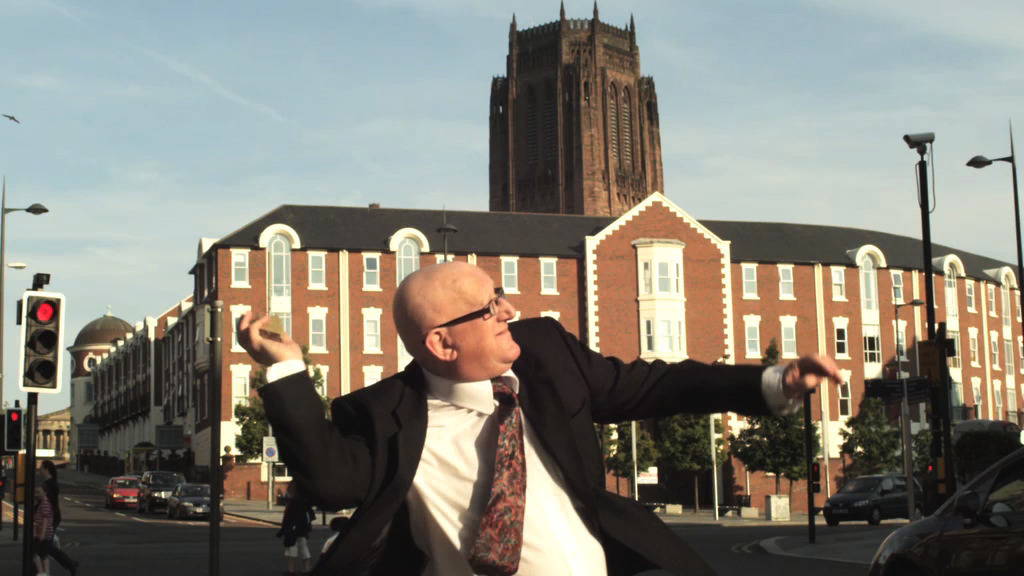
— Log in to watch the artist video if you have been given an access
- Title
- Touch and Go
- Gallery
- Galería Juana de Aizpuru, Madrid
- Year
- 2010
- Duration
- 13 min 49 s
- Format & Technical
Single channel, loop, HD video, colour, sound
6 + 1 AP
The Europleasure International Ltd. warehouses were already abandoned in 2010, the year in which Spanish artist Cristina Lucas chose them as the scenery for her production for Liverpool’s Biennial. During the 1970s, this English city underwent industrial off-shoring, which sparked a rise in the unemployment rate until it became one of the highest in the United Kingdom, causing an increase in poverty. Today this crisis is recorded in British history, as it was lived as a symbol of workers’ struggle against the growth of post-industrial capitalism. With the arrival of the 2008 global recession, which was not only economic but also existential, it is impossible to avoid the symbolic meaning behind having chosen a building in ruins owned by a company named “Europleasure”, a reading amplified even more today by the exit of the United Kingdom from the European Union.
Lucas video-records an orchestrated fictional act: the workers who had occupied these industrial complexes in the past stop in front of the building and throw rocks at the windowpanes, breaking them into pieces. These are Liverpool residents, the elderly union members who, in their own age, experienced and endured the crisis. In their furious resentment and rage, they launch stones at the past. Just afterwards, an expression of satisfaction shows on their faces.
The meaning behind Lucas’ gesture is twofold: first, it is a remembrance of activism against capitalism. Secondly, it integrates her protagonists into a new phase of global society; as she herself points out, this is the section of society that acts as a hinge into the new economic order: that of entertainment. Through this stylised rock-throwing, this generation links to and is integrated within the system of cultural production. And to commemorate this capitalisation of fun, the action is heightened by a version of Revolution, 1968 by the Beatles, conveying the spirit of a funfair stall. Touch and Go works in this way as a symbolic transfer of the intensity of the union fights, the neo-capitalist exploitation and the making into a spectacle of any given human capital.
Vera Renau
Stills


Cristina Lucas
- Artist, Participant
1973, Jaén

Cristina Lucas is interested in exploring the mechanisms of power and the contradictions between official history, the real history and collective memory. She lives and works in Madrid and Paris, after she finished her studies at Universidad Complutense in Madrid, University of California Irvine and Rijksakademie Amsterdam. Her works have been exhibited at Stedelijk Museum, Amsterdam, Herzliya Museum, Tel Aviv, Caixa Forum, Barcelona, MUSAC, León; CAC Malaga Contemporary Art Center; IVAM, Valencia; MARCO, Vigo; and the Galería Juana de Aizpuru, Madrid, among others. Her work can be found in collections like Centre Pompidou, Paris; KIASMA, Helsinki; FNAF; Colección ALTADIS, Obra Social Caja Madrid; Fundación NMAC Montenmedio. Lucas has received numerous awards, among which stands out the “Ojo Ctitico” of Fine Arts.
Last update: May 23th, 2017
Related artist videos
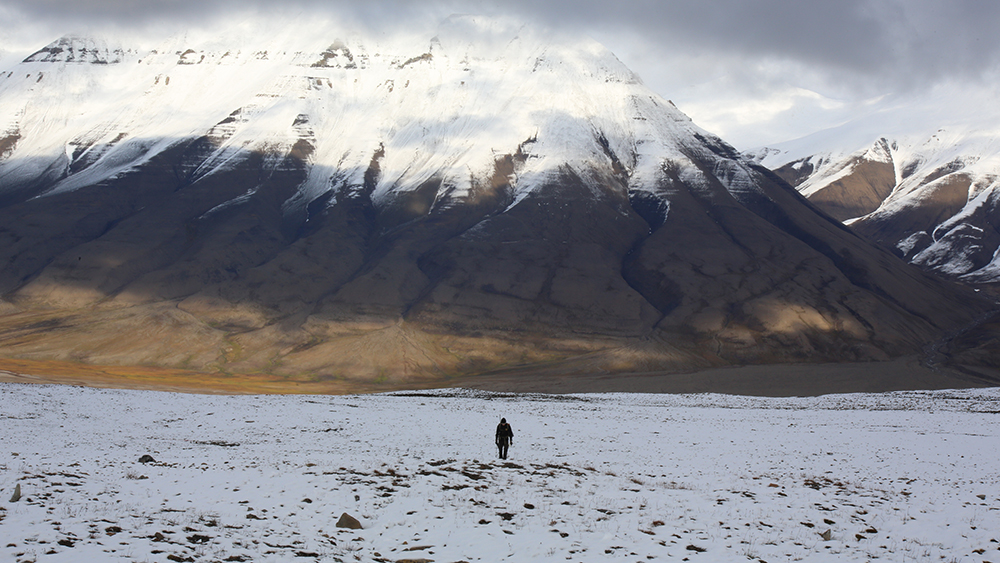
— Log in to watch the artist video if you have been given an access
- Title
- The People That Is Missing (El Pueblo Que Falta)
- Gallery
- Albarrán Bourdais, Madrid
- Year
- 2019
- Duration
- 8 min 4 s
- Format & Technical
Video HD, single channel, sound.
Ed. 6 + 1 AP- Contact
Luisa Fraile
luisa@albarran-bourdais.com
- Cristina Lucas, The People That Is Missing [El pueblo que falta], 2019 Video HD 16:9, 8’4” comisionado por Artica Svalbard and OCA courtesy Albarran Bourdais
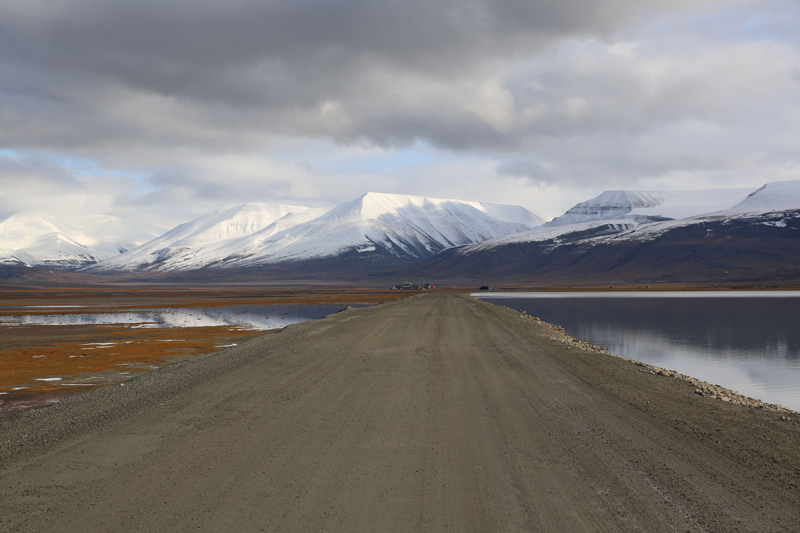
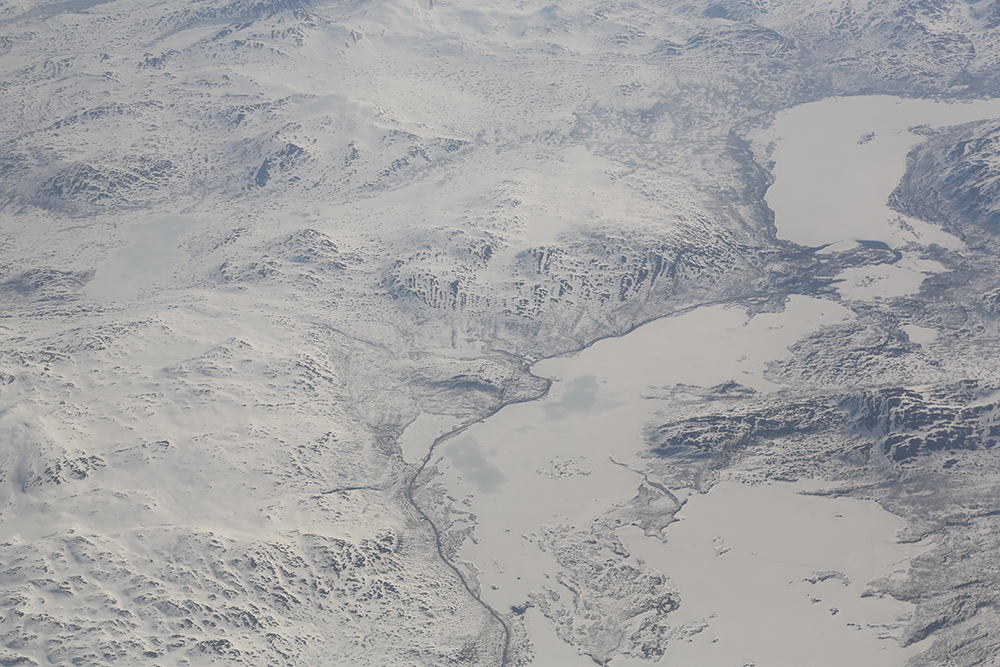
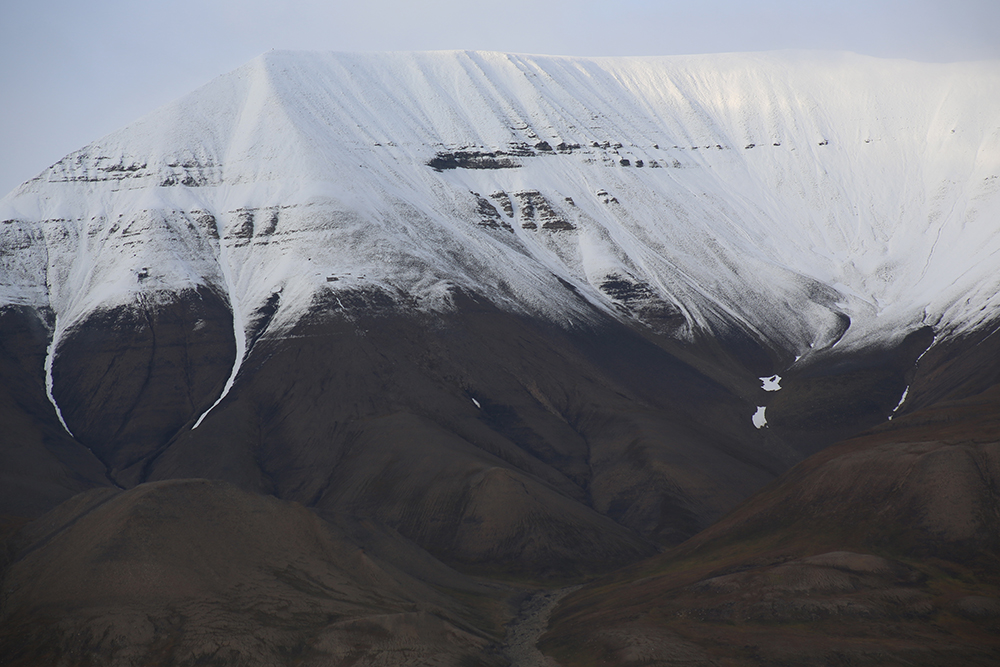
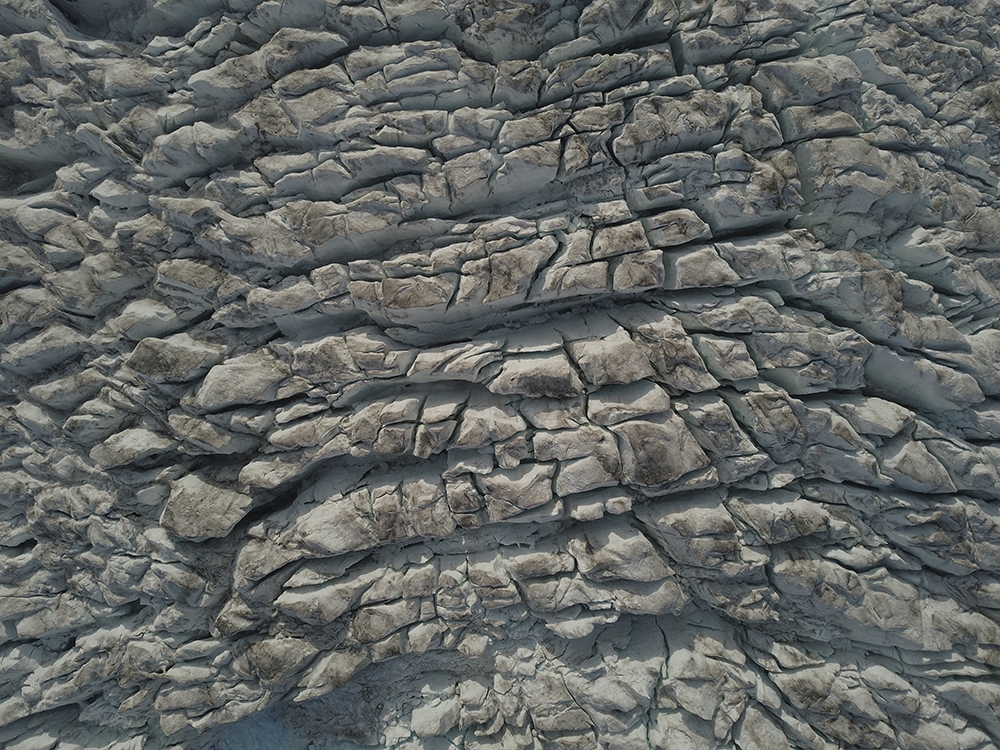
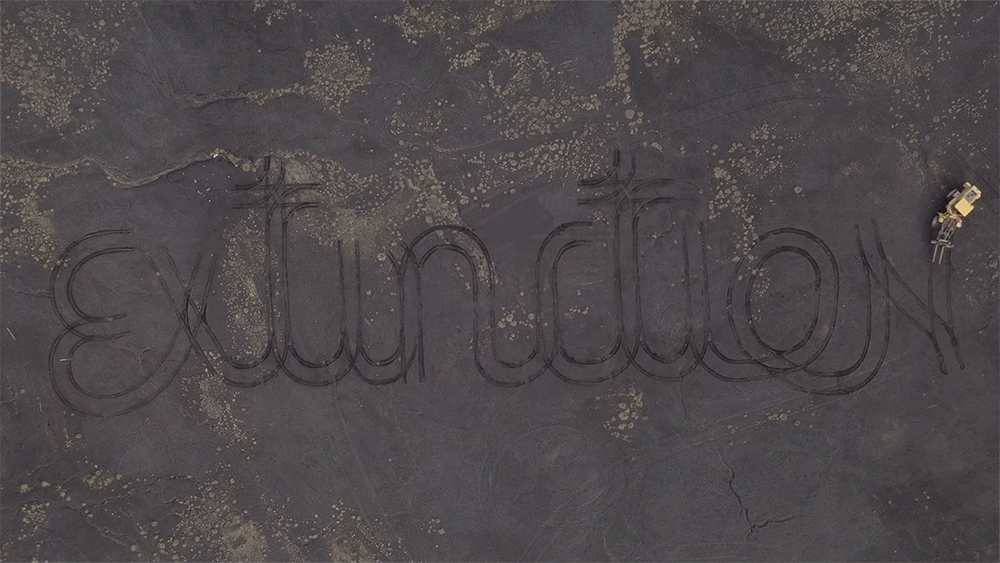
Taking place in the Svalbard Archipelago (old Spisvergen), the video sets out to enliven some of the most urgent questions of our time, an to do so from one of the most challenging sites in the world, in the North Pole, where the climate change is more evident and the tensions for the distribution of its resources will define the near future.
‘The video illustrates a poem composed by quotations of many influential, and often contradictory, thinkers ranging from Alexander von Humboldt to James Lovelock, Donald Trump and Bruno Latour, among others. The title The People That Is Missing is an original quotation by the visionary swiss artist of the early part of the 20th century Paul Klee.
Stills



Related galleries
Galería Juana de Aizpuru
- Address
- Barquillo 44, 28004, Madrid, Spain
- Phone
- +34 913105561
- Website
- juanadeaizpuru.es
Juana de Aizpuru Gallery opened in Seville in 1970, on the number 10 of Canalejas Street. Later, in 1986, the gallery was moved to Zaragoza 26, getting installed in an old sevilian three-story house. The headquarters in Madrid opened in 1983, on the street Barquillo, number 44, where the gallery remains to this date. In the year 2004 we closed our sevilian space.