Triptych
Arent Weevers
GaleriaZero, Oosterhout
— Log in to watch the artist video if you have been given an access
- Title
- Triptych
- Gallery
- GaleriaZero, Oosterhout
- Year
- 2019
- Duration
- 1 min 05 s
- Format & Technical
High-speed camera
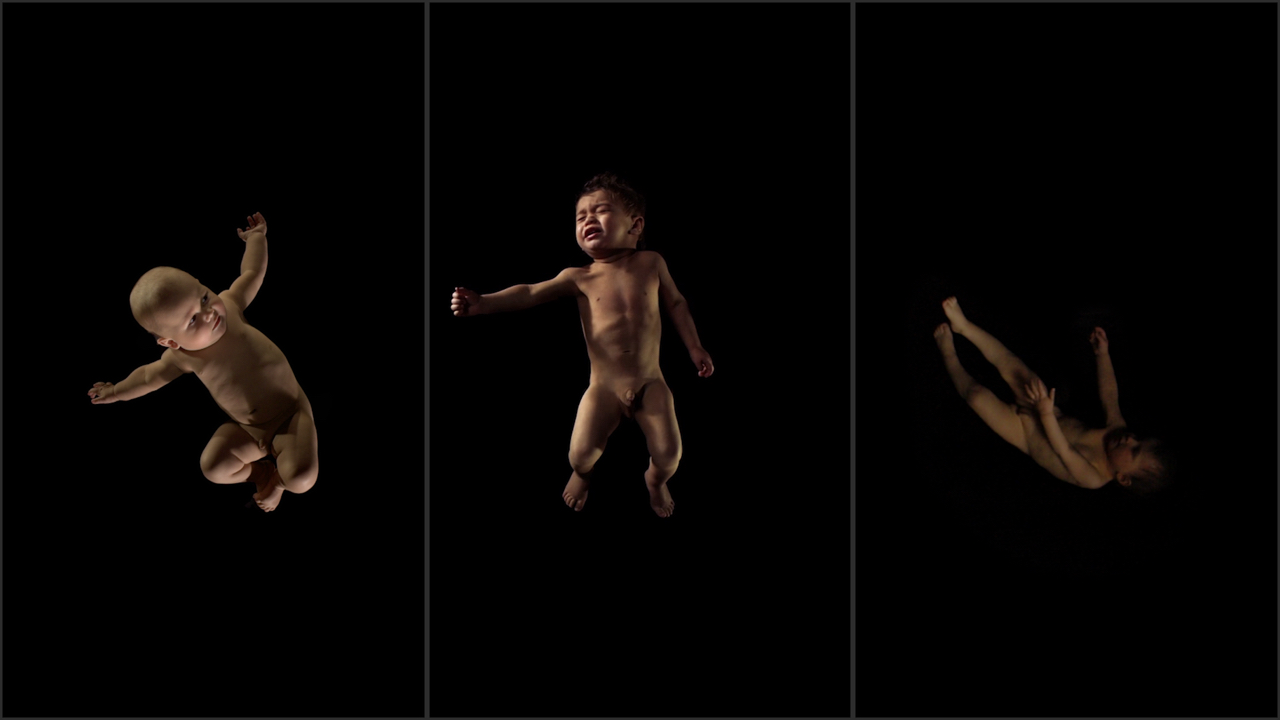
Triptych is what its name suggests. Within the context of our western culture and history it inevitably refers to the Christian retable.
A retable, positioned on the altar with its panels open on feast days, usually shows depictions of the life and suffering of Jesus and sometimes even his birth. On each of Weevers’ panels we see a child, an infant, in a short loop. It is naked and vulnerable. Its uncontrolled movements seem to be governed by some kind of higher choreography. A gesture of sadness and abandonment suddenly becomes a gesture of blessing. Reaching out for comfort becomes a gesture of surrender. Its childlike expression shows wondrous gradations of seeing, not seeing and seeing inwardly. The three panels are perfectly and poignantly connected by the moving song of a young woman. But what is she singing? Is it a lullaby or an elegy?
Text by Dr. Joost de Wal
Art historian, Utrecht, the Netherlands.

Media artist Arent Weevers is a visual artist and theologian specialised in video art. His work aims to express the paradoxical nature of the human body: its vulnerability and its strength. Within this, he is fascinated by the interaction between both the physical and virtual body and space. Working with a high-speed camera, black cubes, triptych, 3D techniques, gives him the possibility of evoking this tension. The bodies look lifelike and seem so close you can almost touch them. You are not just observing something; you are part of it. These realistic images generate a range of new physical experiences and perceptions. In 2015 he received an award for his installation ‘Josephine’s Well’ at the 3D Film & Music Festival in Barcelona.
Last update: October 14th, 2019.
Related galleries
GaleriaZero
- Address
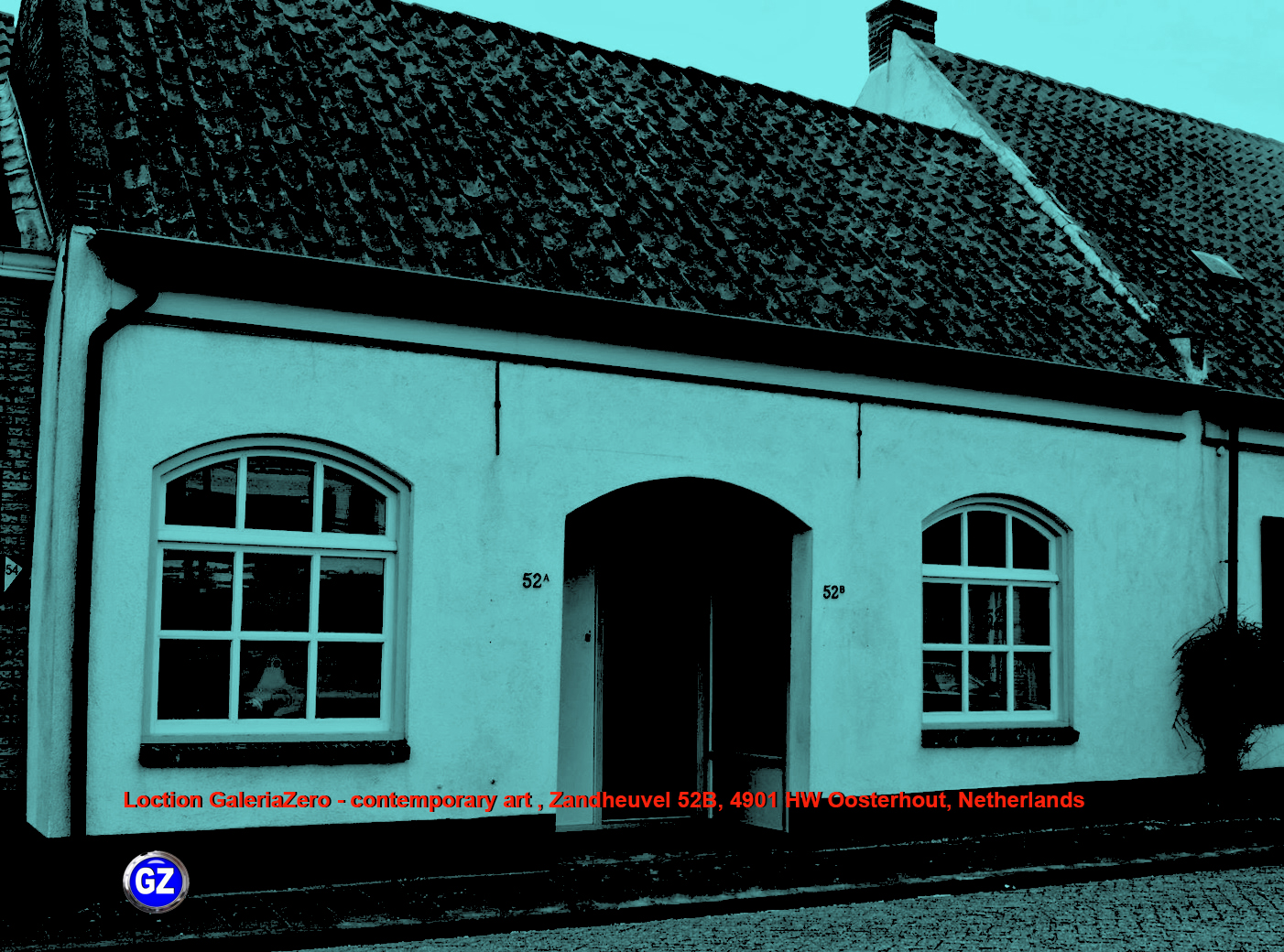
- Zandheuvel 52B, 4901 HW, 4901 , Oosterhout, The Netherlands
- Phone
- +34634486172
- mail@galeriazero.info
- Website
- www.facebook.com/GZART2012
GaleriaZero (from 1997) is a dynamic art gallery encouraging the international promotion of artists by means of international exhibitions, art fair participations and other promotional resources.