Cruzar un Muro
Enrique Ramirez
Die Ecke | Arte Contemporáneo, Santiago de Chile
Cargando vídeo, espere
- 00:00
- Título
- Cruzar un Muro
- Galería
- Die Ecke | Arte Contemporáneo, Santiago de Chile
- Año
- 2012
- Duración
- 5 min 12 s
- Formato
Single channel, HD video, colour, Spanish and English voice over, English subtitles. Edition 1/5 + 2 AP
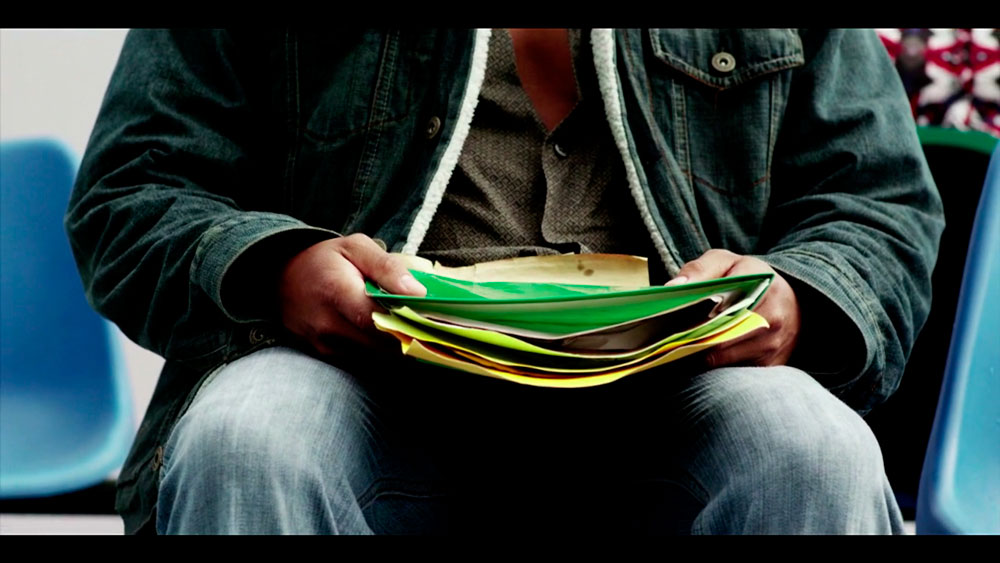
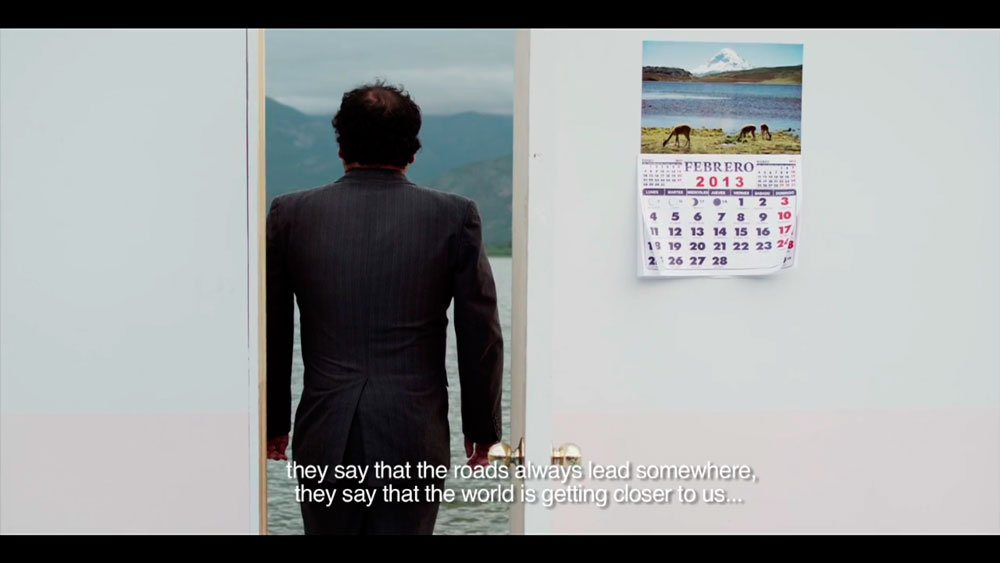
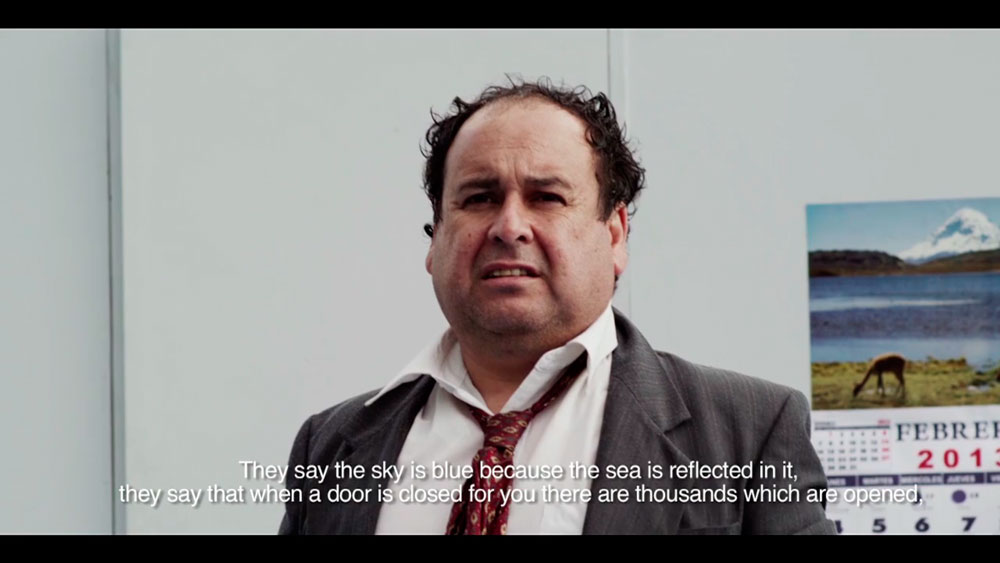
Cruzar un Muro (Crossing a Wall) is a film, inspired in the 13th Article of the Universal Declaration of Human Rights, in which affirm that “Everyone has the right to leave any country, including his own, and to return to his country”. In this film, a waiting room, a public office of immigration matters, located in «somewhere», is the scenario that converges all the human aspirations of our time… The waiting, the conviction, the longing and the right of everyone to dream, to travel, to cross, to freedom of movement and residence within the borders of each state or to the right of return to their country of origin… All this is represented metaphorically in this scenario of fiction and reality.
- Premio de adquisición Loop Fair 2014
Stills
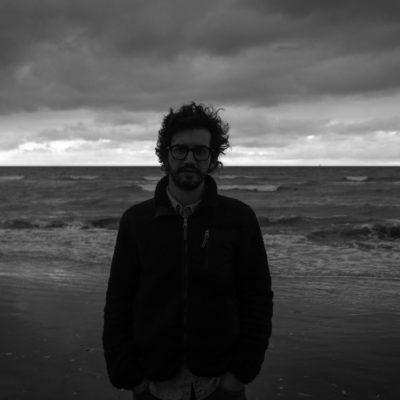
Since 2010 Enrique Ramírez lives and works between Paris (France) and Santiago (Chile). He studied popular music and cinema in Chile before joining the postgraduate master in contemporary art and new media of Le Fresnoy – Studio National des Arts Contemporains (Tourcoing, France). In 2014 he won the discovery price of Les Amis du Palais de Tokyo, Paris, France. He has since exposed in some major places as Le Palais de Tokyo, Centre Pompidou, Espace Culturel Louis Vuitton or le 104), France (le Grand Café, Saint-Nazaire) and in Central and South America (Museo Amparo, Puebla, Mexico ; Museo de la memoria, Santiago ; Centro Cultural MATTA, Embajada de Chile en Argentina, Buenos Aires). In 2017, he is invited to the 57th International Art Exhibition – La Biennale di Venezia curated by Christine Macel.
Enrique Ramírez’s work combines video, photography, installations and poetic narratives. Ramírez appreciates stories within stories, fictions straddling countries and epochs, the mirages between dream and reality. This Chilean artist, who lives and works between Chile and France, often uses image and sound to construct a profusion of intrigues and to occupy the equilibrium between the poetic and the political. His imaginary worlds are attached to one obsessional element—his thinking starts with the sea, a space for memory in perpetual movement, a space for narrative projections where the fate of Chile intersects with grand narratives of voyage, conquest and migratory flows. His liquid images speak of the sparkle of a truth in permanent flight, the backwash of history, always repeating and never the same.