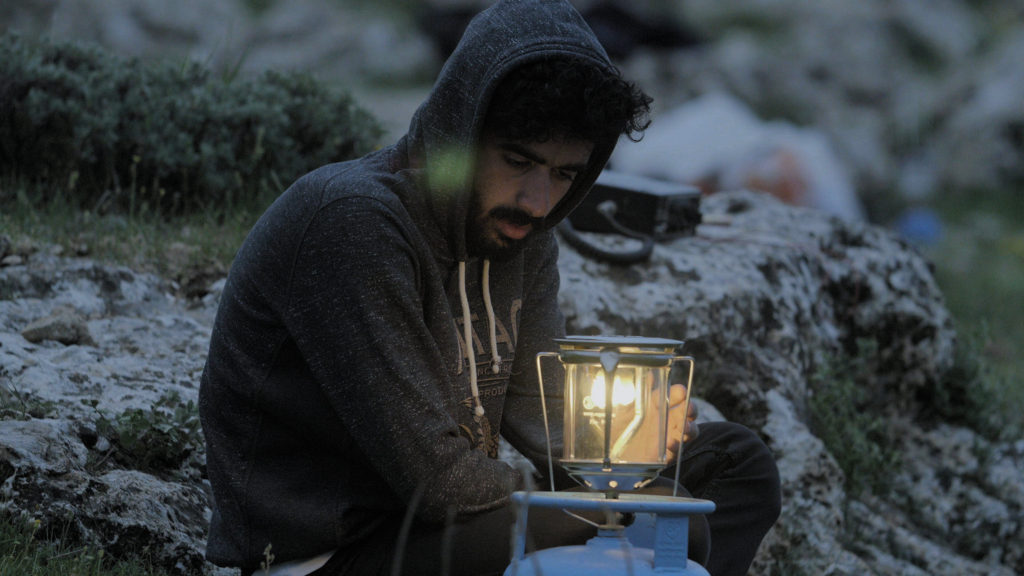
LOOP Talks 2019: ‘Moving Images, Moving Borders’
Cargando vídeo, espere
- 00:00
- Ponentes
- Sveva and Francesco Taurisano, Romain Kronenberg y Sébastien Gokalp
- Idioma
- English
The 2019 edition of the Talks gathered together artists, curators and collectors to discuss a variety of different topics such as the crossovers between politics and art, the socialization of private institutions and collections, precarity and resistance and the preservation of cultural heritage.
Often explored by practitioners through the medium of video, the social and political implications behind shifting borders have been in the agenda of important public and private collections – when they did not coincide with the very reason for their constitution. In this conversation Romain Kronenberg (Artist, France), Sveva D’Antonio (CollezioneTaurisano, Naples) and Sébastien Gokalp (Director, National Museum for the History of Immigration, Paris) analysed the notion of ‘movement’ as a whole concept: in relation to the inherent nature of video and in regards to global migratory flows.
Sveva and Francesco Taurisano
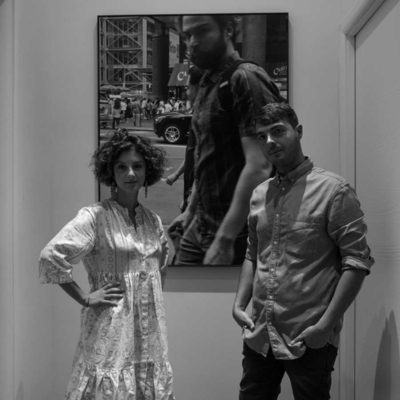
Sveva D’Antonio graduated in History of Art from Suor Orsola Benincasa in Naples in 2013, with a thesis on how certain type of films can be transformed in artworks and later access the museum space. After various internships in contemporary art galleries in Naples and Brussels, Sveva started working as an assistant at Laveronica arte contemporanea (Modica, Sicily), a contemporary art gallery mainly presenting politically and socially oriented art. In 2016, she then became a partner of the gallery.
Collezione Taurisano is a private collection of contemporary art based in Naples. Started in the 1970s by Paolo Taurisano, it is now flourishing thanks to the passion of his son Francesco, together with his wife Sveva D’Antonio. Francesco inherited the passion for art from his father, and that led him to specialize in Italian art from the 1970s. He soon started collecting key works from the Transavanguardia movement, and later went on acquiring pieces from the Nouveau Realisme and the Nuclear Movement. Art pushed him to travel a lot and to meet Sveva, whom he would later marry. With almost 400 titles to date, the collection’s main focus is now on living artists exploring the most pressing issues of our time. There are no restrictions on medium, but instead when the relationship with the artist is fruitful the collection is committed to following the production process of their works. He shares with his father the passion for art since he was a little child and for this reason he started to study italian art from ’70 but not only.
Last update 23rd October 2019
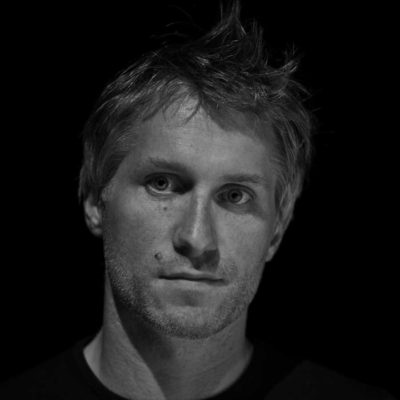
After two years spent at the Faculty of Theology of Geneva, Romain Kronenberg studies musical theory, Jazz and electro-acoustic composition at the Conservatoire Supérieur de Musique de Genève. Between 2001 and 2005 at IRCAM where he works as a composer and sound designer. Since 2005, he gradually extends his practice to other disciplines: performance, sculpture, photography, writing and cinema. He develops his own projects that now represent most of his activity. In 2008, he is an artist in residence at Palais de Tokyo then in 2009 at Villa Kujoyama (Kyoto). He shows his work at Centre Pompidou, Palais de Tokyo, Fondation Galeries Lafayette, Fondation Fiminco, Centquatre, Onomichi Museum, Hiroshima Art Document, Kyoto Art Center, Mardin Biennial, Institute for contemporary arts of Singapore, among others.
Last update: October 8th, 2019
Sébastien Gokalp
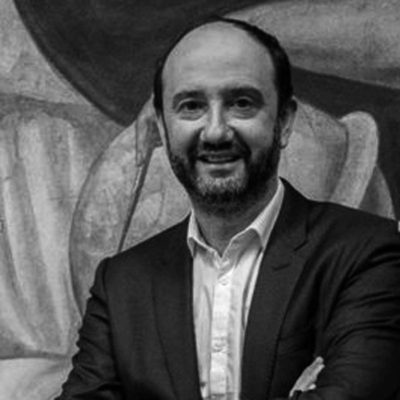
Sébastien Gokalp is director of the Musée national d’histoire de l’immigration since 2019. Aggregated of History, Heritage curator, Professor of the history of contemporary art at the Louvre. Previously he was curator in the Musée d’Art moderne of the Ville de Paris and in the Fondation Louis Vuitton.
Last update: November 31st, 2019.