Carles Guerra
- Curator, Moderator, Participant, Speaker
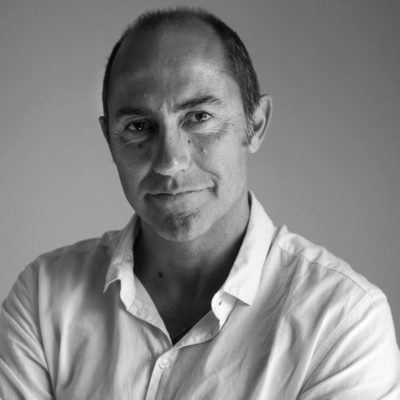
Carles Guerra is an artist, art critic and independent curator. He holds a PhD from Universitat de Barcelona. He studied at the Faculty of Fine Arts, Universitat de Barcelona and the Media Studies Department, The New School for Social Research. His most recent profile has been associated with outstanding positions in the field of cultural management, cultural policies and curatorial activities. He has been Director of Primavera Fotogràfica de Catalunya, Director of the Virreina Centre de la Imatge, Chief curator at Museu d’Art Contemporani de Barcelona MACBA and, from 2015 through 2020, Executive director at Fundació Antoni Tàpies.
On top of a vast number of monographic exhibitions devoted to individual artists such as Ahlam Shibli, Art & Language, Allan Sekula, Susan Meiselas, Harun Farocki, Oriol Vilanova and Ariella Aïsha Azoulay, he has curated projects like 1979. A Monument to Radical Instants and Antoni Tàpies. Political Biography.
Last update: 16th November, 2020
Related Activities
Harun Farocki. Empathy
1 June — 16 October 2016
- Artists
- Harun Farocki
- Curators
- Antje Ehmann and Carles Guerra
- Venue
- Museo Tàpies
- Price
- 7 €
- Tickets & register
- www.fundaciotapies.org
Add to calendar
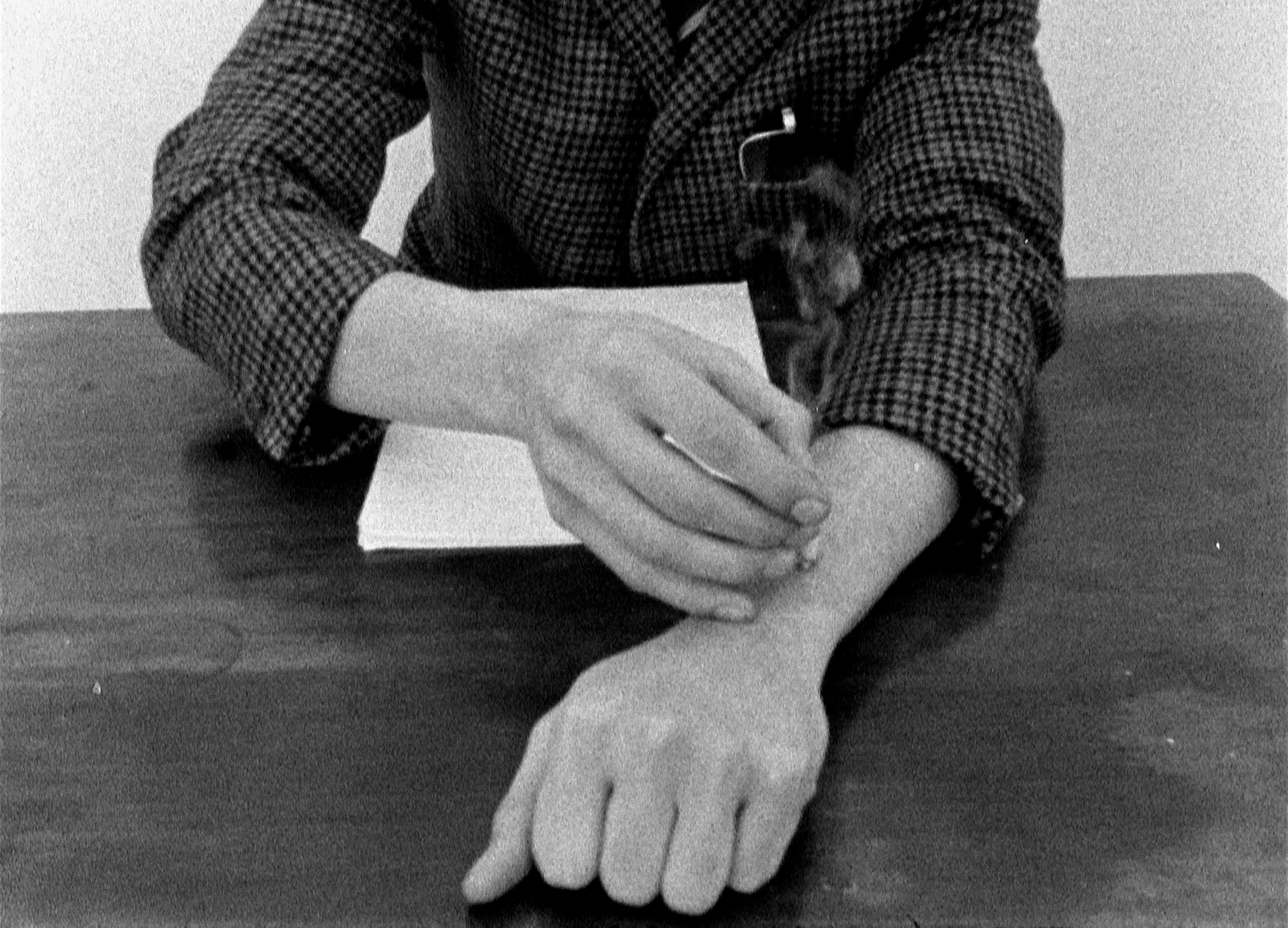
The exhibition "Harun Farocki.Empathy" brings together the films and installations of an author recognised as a filmmaker, artist, critic and activist and as a seminal figure of the second half of the twentieth century.


In collaboration with the Institut Valencià d’Art Modern, the Fundació Antoni Tàpies presents the second part of a project that revisits Farocki’s early militant films from the 1960s, as well as the video installations he produced from 1995 on. While the selection at IVAM focuses on Farocki’s research on the surveillance image, the operational image and the technologies of vision, the Fundació Antoni Tàpies will present a series of emblematic works that analyse forms of labour arising from traditional production modes as well as from the demands of capitalist production focusing on changes in labour processes and their representation in contemporary societies.
The notion of empathy, taken from a text by Harun Farocki, guides the selection of works to be presented in Barcelona. While from the 1960s on, Brecht’s distancing effect imposed a need for de-romanticization and objectivity in documentary practices, towards the end of his life Farocki questioned why the precious term “empathy” had been handed over to the enemy, i.e. to mainstream cinema and the entertainment industry. Harun Farocki called for its reconsideration and re-appropriation: for Another Kind of Empathy. We regard Farocki’s particularly patient and non-judgmental use of the camera as a tool for filming people at work and work spaces without interference or manipulation as a precious proof of his empathic skills. Complementing this selection of works driven by Harun Farocki’s interest in the world of labour, the Fundació Antoni Tàpies will present, for the first time in Spain, Farocki’s final long-term project, realized together with Antje Ehmann: Eine Einstellung zur Arbeit / Labour in a Single Shot.
From 2011 to 2014, Farocki and Ehmann conducted workshops with filmmakers and artists in 15 cities all over the world. Taken together, these workshops produced more than 400 one- to two-minute long films on the subject of labour. The exhibition on view at the Fundació Antoni Tàpies includes a selection of fifty-four films from nine cities. These short single-shot films exemplify the manifold kinds of labour that co-exist in the world today: material or immaterial labour, paid or unpaid work, occupations traditional or novel. The chosen works by Harun Farocki as well as the films selected from Labour in a Single Shot reveal that cinematic scenarios can be found wherever a pedagogy of the image exists. They are founded on the assumption that an image is never innocent, but rather part of a historically changing visual culture and its image regimes.
Three film programs that focus on different aspects of Harun Farocki’s film oeuvre – “Image Critique”, “Working with Words” and “Other Cultural Producers” – will give visitors the opportunity to delve deeply into Harun Farocki’s work. The films will be shown in Valencia this spring, and in Barcelona and Madrid the upcoming autumn.
Antje Ehmann and Carles Guerra will continue the project of working with Harun’s work with a third exhibition, to be titled Harun Farocki. Materials. This show will open in autumn 2017 in the NBK exhibition space in Berlin, and will be accompanied with a complete retrospective of Harun Farocki’s films at the Berlin Arsenal Cinema.
© Fundaciò Antoni Tàpies
‘Harun Farocki. Empathy’ at Fundació Antoni Tàpies ©Lluís Bover
‘Harun Farocki. Empathy’ at Fundació Antoni Tàpies ©Lluís Bover
Hito Steyerl. ‘Why Games? Can an Art Professional Think?’
Wednesday 8 June 2016, 8:30 — 9:30 pm
— A presentation by Berlin-based artist as part of Harun Farocki's show
- Artists
- Hito Steyerl
- Venue
- Museo Tàpies
- A project by
- Fundació Antoni Tàpies and LOOP Barcelona
- Contributor
- Goethe Institute
- Price
- Free admission
- Tickets & register
-
The activity has limited availability and requires previous registration. Please contact the Fundació Antoni Tàpies: 934 870 009 / activitats@ftapies.com
- Language
- English
Add to calendar
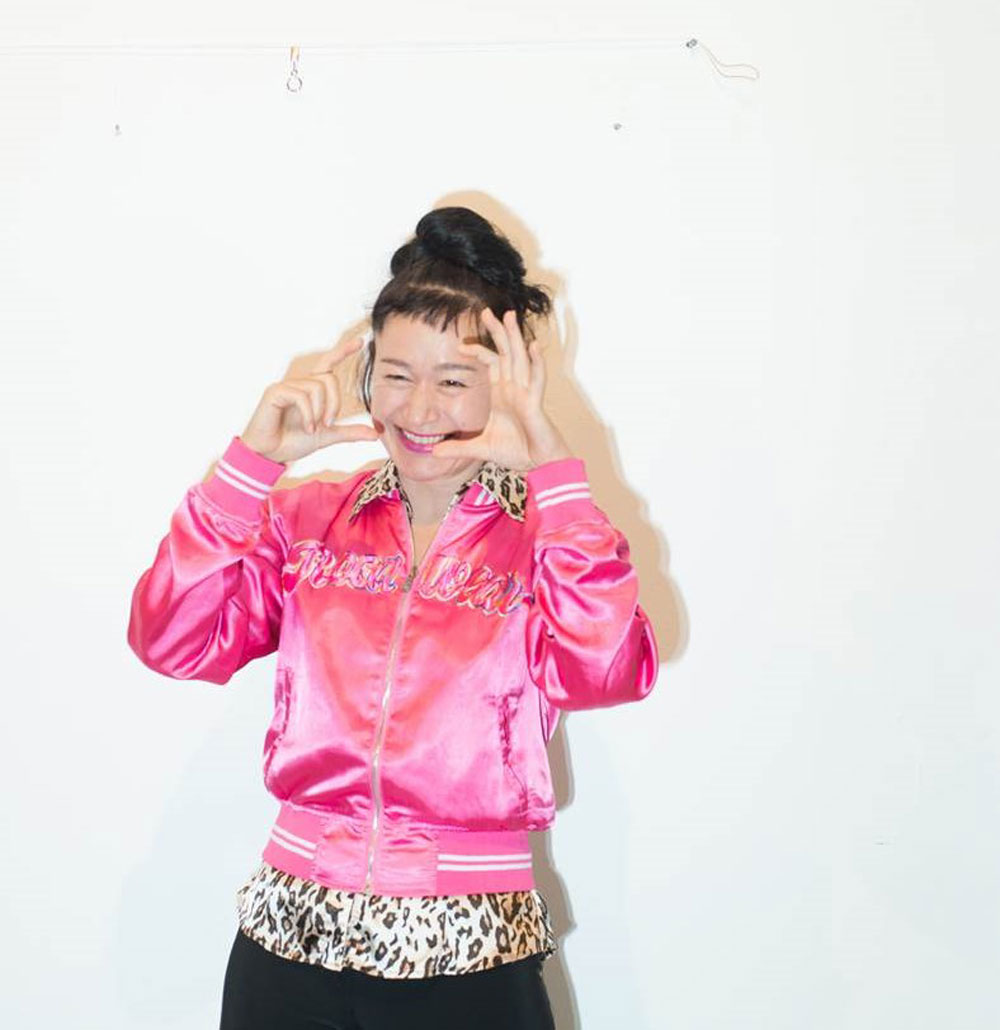
In the context of the exhibition "Harun Farocki. Empathy", Hito Steyerl will give an insightful presentation on video games, virtual simulations and the “generative fiction of autonomy”.
Berlin-based Hito Steyerl (Munich, 1966) is one of the most critically acclaimed artists working in the field of video, today. On the fence between cinema and the visual arts, her work spans reflections on globalization, image production and dissemination as well as the influence of technology on our daily life.
Once a student and close collaborator of the late German filmmaker Harun Farocki, she will give an insightful presentation on video games, virtual simulations and the “generative fiction of autonomy”.
Labour in a Single Shot
Wednesday 1 June 2016, 6 — 7 pm
- Speakers
- Antje Ehmann
- Venue
- Museo Tàpies
- Price
- Free admission
- Tickets & register
-
This session has limited seating.
- Language
- English
Add to calendar
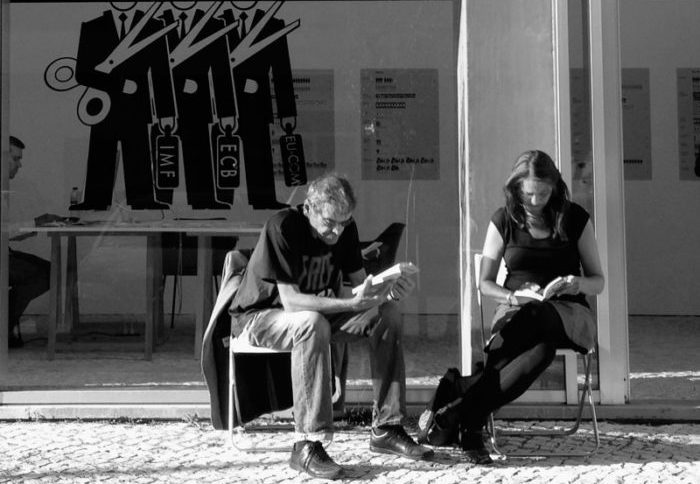
Labour in a Single Shot is a video production workshop, ideated by Harun Farocki and Antje Ehmann, on the subject of labour: paid and unpaid, material and immaterial, rich in tradition or altogether new. Through a series of workshops in 15 cities around the world, the project sought to produce videos of 1 to 2 minutes in length, framed only in a single shot. The task as set led straight to basic questions of cinematographic form and raised essential questions about the filmmaking process itself. Almost every form of labour is repetitive. How can one find a beginning and an end when capturing it? Should the camera be still or moving? How to film the choreography of a workflow in one single shot in the best and most interesting way? Yet the workshop’s results showed that a single shot of 1 or 2 minutes could already create a narrative, suspense or surprise.
Join Antje Ehmann for a talk on the making of the project and its films.
Vídeo-Régimen. Coleccionistas en la era audiovisual
13 February — 11 May 2015
- Artists
- Allora & Calzadilla, Ignasi Aballí, Francis Alÿs, Erick Beltrán, Patricia Dauder, William Doherty, Mario GArcía Torres, Douglas Gordon, Emily Jacir, Gilda Mantilla & Raimond Chaves, Paul McCarthy, Bruce Nauman, Itziar Okariz, Javier Pañafiel, Allan Sekula, Fiona Tan, Zhou Tao, Eulàlia Valldosera,
- Curators
- Carles Guerra
- Venue
- Museo Lázaro Galdiano
- A project by
- LOOP Barcelona in collaboration with Museo Lázaro Galdiano, showcasing the most important video art collectors in Spain
- Contributor
- Alicia Aza, Roser Figeras & Montse Badia, Ella Fontalanls-Cisneros, Josep Maria Lafuente, Estefanía Meana, Han Nefkens (H+f Colection), Ángel & Clara Nieto, Enrique Ordóñez (Colección COFF), Fernando Panizo & Dorothy Neary, Carlos Rosón (Fundación RAC), Teresa Sapey, Sisita Soldevila (Colección Ámister Hotel), Jaime Sordo, Carlos Vallejo & Wendy Navarro (CV Colection), Juan Várez, Ernesto Ventós (Colección olorVISUAL)
Add to calendar
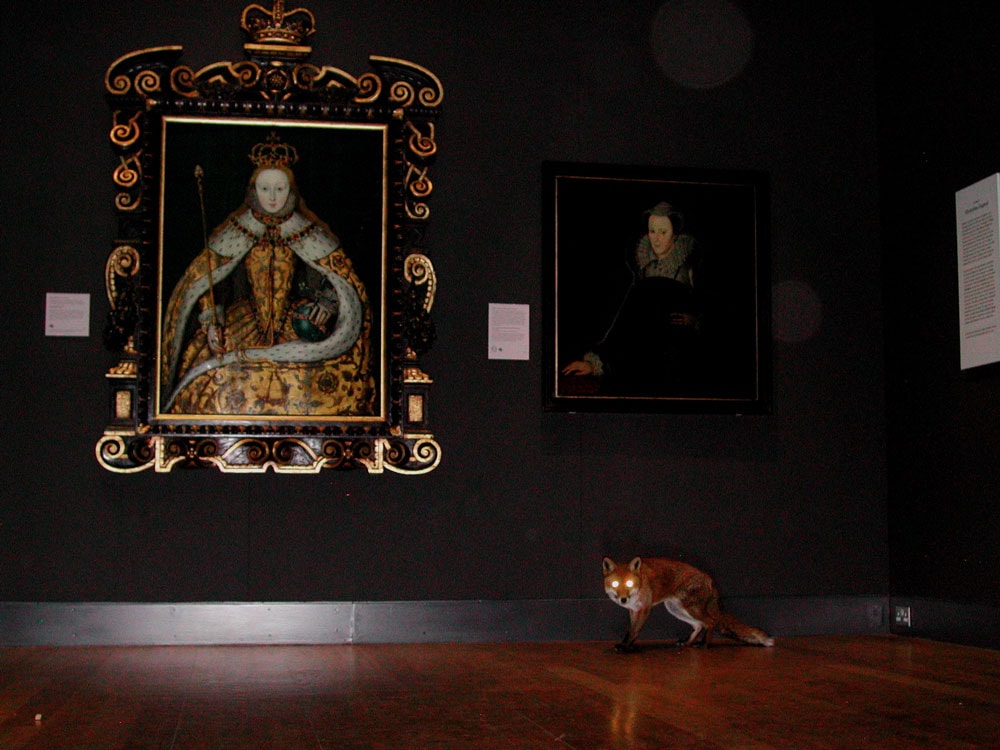
LOOP Barcelona, in collaboration with Museo Lázaro Galdiano, presents 'Vídeo-Régiman. Coleccionistas en la era audiovisual' (VIDEO-REGIME. Collectors in the Audiovisual Era), curated by Carles Guerra and included in the focus that LOOP 2015 dedicates to the collectors as central players within today’s art system.
LOOP Barcelona together with the artist, critic and independent curator Carles Guerra have assembled a selection of video pieces by leading international artists from the most important private collections in Spain that show the multiple uses of video art, from documentary practices to graphic records of artistic actions. The exhibition features the video works along with recorded interviews in which the collectors talk about their experience of collecting video art. The show is also accompanied by a publication and hosts a programme of talks.
Video’s assimilation by the art establishment has been quick and intense, mirroring what happened to photography in the late 1980s and early 90s. Just as photography soon found itself being measured by the valuation standards of painting, video has also been rapidly absorbed into the art market. Moreover, the technical requirements of video art are changing the characteristics of new museum projects. The video pieces and recorded conversations reveal the intricacies of assimilating the unique features of this medium, which burst onto the art scene in the 1970s. They are shown side by side in the galleries of the Museo Lázaro Galdiano sharing the same audiovisual format and suggesting that the artistic production associated with this medium and the debates surrounding it flow through the same channels. The holdings of the Museo Lázaro Galdiano set the stage for a collision of aesthetic regimes that highlights some of the latest changes in the field of art, where the works promote alternative timescales and new conceptions of heritage that increasingly verge on an immaterial economy.
The creations of the artists Allora & Calzadilla, Ignasi Aballí, Francis Alÿs, Erick Beltrán, Patricia Dauder, William Doherty, Mario García Torres, Douglas Gordon, Emily Jacir, Gilda Mantilla & Raimond Chaves, Paul McCarthy, Bruce Nauman, Itziar Okariz, Javier Peñafiel, Allan Sekula, Fiona Tan, Zhou Tao and Eulàlia Valldosera are closely related to the collections they belong to, which act as vessels that openly influence the value and original meaning of each piece. Through them, some advocate different forms of activism while others represent more personalised forms of collecting. The economy of access to video has facilitated the creation of heritage collections whose storage and distribution logistics are much more advantageous than those of other types of artistic objects.
In their interviews, we discover how collectors in the audiovisual era deal with this new kind of artistic object, whose timescale, experience and definition of ownership is different from that required by works of art in the past and that imply a new form of cultural consumption. The collectors who have contributed to this project are Alicia Aza, Joan Bonet, Roser Figueras & Josep Inglada (Cal Cego), Ella Fontanals-Cisneros (The Ella Fontanals-Cisneros Collection), Josep Maria Lafuente, Estefanía Meana, Han Nefkens (H+F Collection), Ángel & Clara Nieto, Enrique Ordóñez (Colección Ordóñez Falcón de Fotografía), Fernando Panizo & Dorothy Neary, Emilio Pi & Helena Fernandino, Carlos Rosón (Fundación RAC), Teresa Sapey, Sisita Soldevila (Colección Ámister Hotel), Jaime Sordo, Julio Sorigué & Josefina Blasco (Fundación Sorigué), Carlos Vallejo & Wendy Navarro (CV Colección), Juan Várez, and Ernesto Ventós (Colección olorVisual).
Carles Guerra talks about the exhibitions [Spanish]
TALK. VÍDEO-RÉGIMEN. Coleccionistas en la era audiovisual
Wednesday 3 June 2015
— Carles Guerra in conversation withEmilio Pi and Helena Fernandino
- Speakers
- Emilio Pi and Helena Fernandino
- Venue
- Gran Teatre del Liceu
- Language
- English & Spanish
Add to calendar
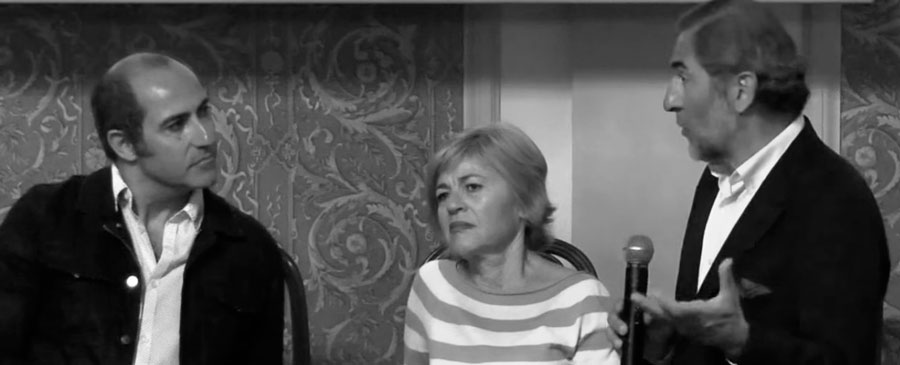
Art critic and curator Carles Guerra converses with collectors Emilio Pi and Helena Fernandino in the context of the exhibition ‘VÍDEO-RÉGIMEN. Coleccionistas en la era audiovisual‘, that took place at Cercle del Liceu during LOOP Barcelona 2015, and had been previously on show at Museo Lázaro Galdiano in Madrid.
The result is a lively conversation on the paradoxes surrounding video as a medium, its status as a collectible, its distribution and preservation, as well as the much debated role of collectors in video and film production. Holding about 1000 titles (among which are archival pieces, editions and video installations), the Collection Pi Fernandino functions as a magnifying lens on the history and evolution of the medium, while it also positions itself among those “pedagogical collections” to be shared with and enjoyed by people.
(Re)visionats, (Re)visitats
2 — 27 May 2017
— An approach to the pioneers of Spanish video production
- Artists
- Antoni Muntadas, Eugènia Balcells and Carles Pujol
- Curators
- Albert Alcoz
- Venue
- Arts Santa Mònica
- A project by
- LOOP Barcelona
- Contributor
- produced by Arts Santa Monica
- Price
- Free admission
Add to calendar
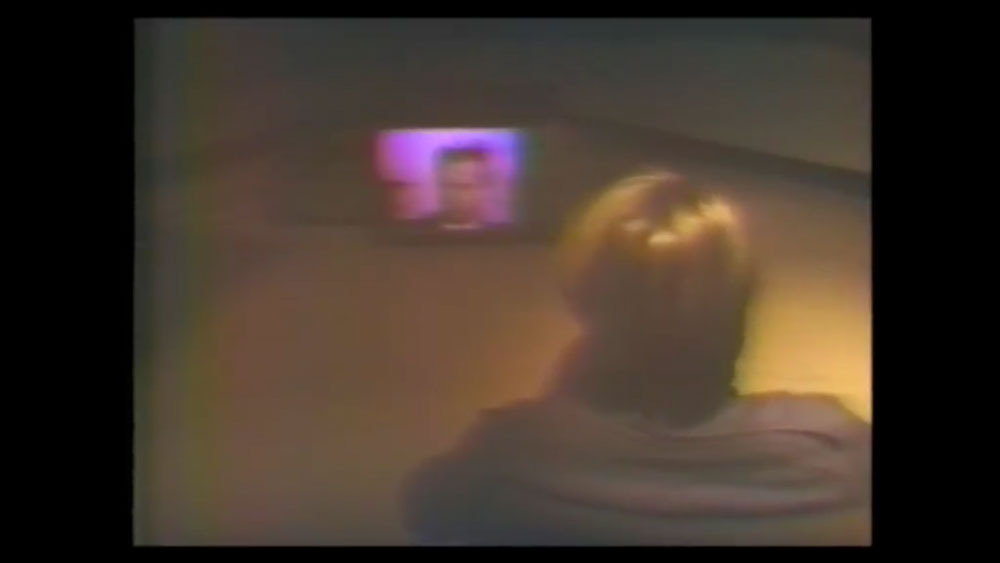
This retrospective, curated by Albert Alcoz, will feature three pioneering video artists whose work is emblematic of the discipline's emergence. It will consider how rapid technological development influenced the form's early days.
In the mid-1970s, video technology was a novel tool whose artistic potential had yet to be discovered. A generation of video producers complicated the process of capturing sound and the moving image. It represented an ideological shift that, due to the existing political situation, involved the debating the conceptual practices linked to the dematerialization of the art and calling into question the conventions conventions of audiovisual communication that had become standard at that time. Analyzing the almost seductive strategies of cinema and television; Demanding the critical involvement of the spectator in the processes of perception; Pointing the need for feminist perspectives in the field and investigating the aesthetic possibilities intrinsic to analogue video are some of the approaches present in the work of this brief selection of pioneers of video production in Spain. Revising and revisiting their work allows us to appreciate, from a contemporary perspective, the value of some of the pieces that are already part of the cultural video-artistic heritage of this country.
Tightrope
Thursday 21 November 2019, 11:15 am
— Taus Makhacheva (Artist, Moscow) in conversation with Carles Guerra (Director, Fundació Antoni Tàpies)
- Speakers
- Taus Makhacheva and Carles Guerra
- Venue
- Almanac Barcelona
- Tickets & register
-
bit.ly/2MwIiUo
Access to the Talks is free with the LOOP professional accreditation
- Language
- English
Add to calendar
In this conversation, Taus Makhacheva will talk about her work with Carles Guerra, analyzing the multiple layers that conform her creative practice. Having grown up in Moscow with cultural origins in the Caucasus region of Dagestan, her projects are informed by this personal connection with the co-existing worlds of pre and post Sovietisation. Oftentimes humorous, her works attempt to test the resilience of images, objects and bodies in today’s world. In most of her performance-based works, she analyzes “the body as a supporting structure”, repeatedly challenged in off-limits situations. She often conducts collaborative projects and her body-driven practice leads her to physical challenges. At the LOOP Fair she presents her 2017’s video Badia, with narrative projects (London).
Una obra, la colección. Recordando a Sisita Soldevila
Thursday 19 November 2020, 6 pm
— Online talk via Zoom
- Speakers
- Natàlia Chocarro, Cristina Lucas and Carles Guerra
- Tickets & register
- bit.ly/2IkSWOlLOOPTalksFVCasa
- Language
- Spanish
Add to calendar
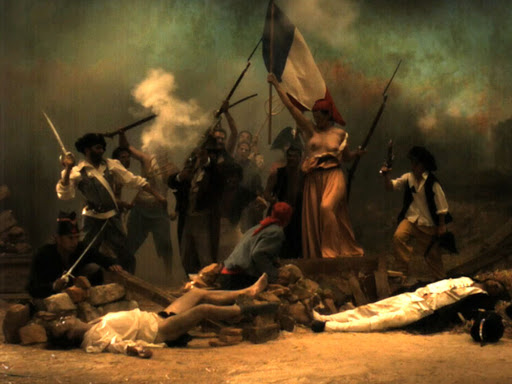
Taking as a starting point the work “La Liberté raisonnée” (2009) by Cristina Lucas, belonging to Sisita Soldevila’s collection and currently on display at the Museu Can Framis-Fundació Vila Casas as part of the LOOP Festival 2020, this conversation aims to highlight the immense work of the recently disappeared Catalan collector in promoting video art collecting in Spain.
This session will be held in Spanish.
The Way They Looked at Each Other
18 — 27 May 2017
— Mario García Torres
- Artists
- Mario García-Torres
- Curators
- Carles Guerra
- Venue
- Museo Tàpies
- Price
- 7 €
- Tickets & register
- www.fundaciotapies.org/site/spip.php?rubrique64
Add to calendar
A photo project that considers temporal separation and the documentation of war
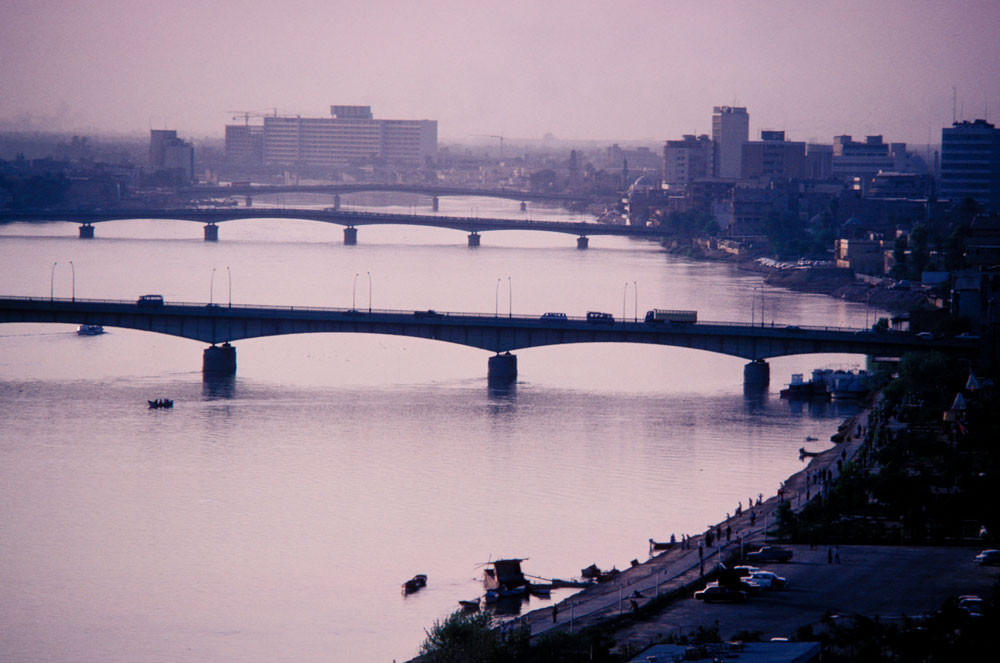
The Way They Looked at Each Other (2012) by Mario García Torres (1975, Monclova, Mèxic) considers the significance of the delay implicit in revisiting any photographic snapshot—such us forensic images that are part of an investigation of a war crime in Baghdad, Iraq—and questions what they reveal about the visual politics of our times.
Flow Series. Walid Raad.
Monday 29 May 2017, 7:30 pm
— A lecture performance
- Artists
- Walid Raad
- Venue
- Museo Tàpies
- A project by
- In collaboration with Fundació Han Nefkens
- Price
- Free admission
- Tickets & register
- www.fundaciotapies.org
Add to calendar
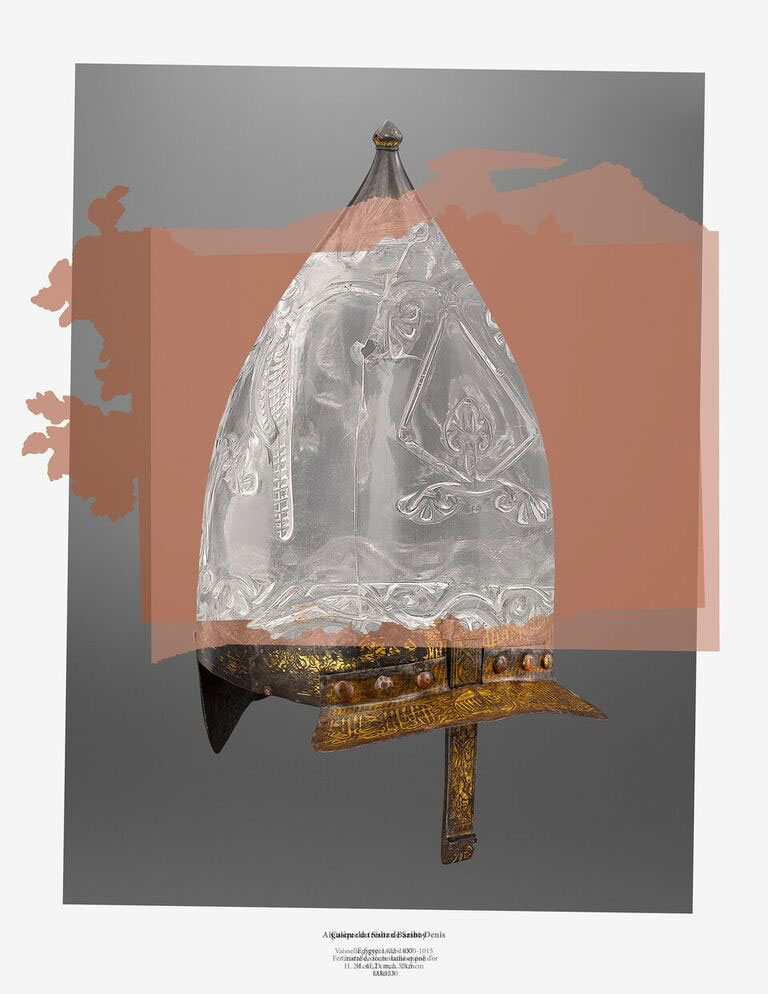
Lebanese artist Walid Raad (Chbanieh, 1967) will introduce his two long-term ongoing art projects, The Atlas Group (1989-2004) and Scratching on things I could disavow (2007-). With The Atlas Group, Raad concentrates on documents, stories, and situations about the Lebanese wars of the past few decades. In Scratching on things I could disavow, his attention shifts to the history of art in the Arab world, with a focus on the emerging infrastructures for the arts throughout the Arab world.
Mario García Torres. Fos a negre.
Friday 26 May 2017, 8:30 pm
— Performance by Mario García Torres.
- Artists
- Mario García Torres
- Curators
- Carles Guerra
- Venues
- Museo Tàpies
- Price
- Free admission
- Tickets & register
- www.fundaciotapies.org
Add to calendar
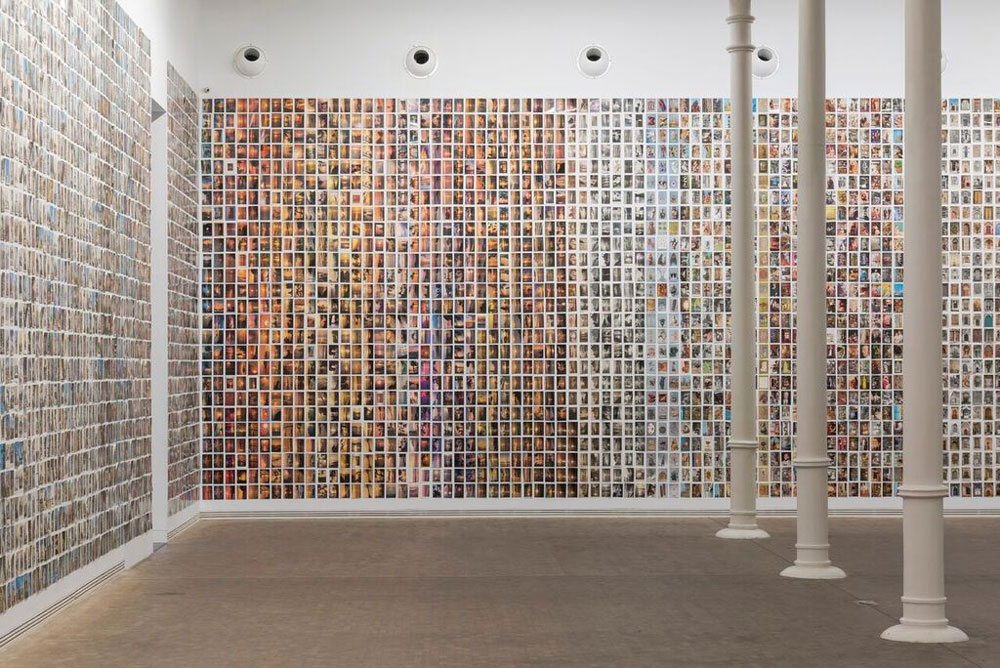
In the frame of the presentation of his work The Way They Looked at Each Other (s.d.), Mexican artist Mario García Torres (Monclova, 1975) will enact the performance-reading Fade to Black inspired by the series of postcards Sunset by Oriol Vilanova, currently on display at the museum.