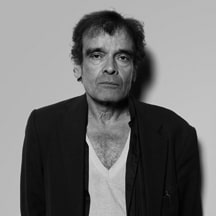
Harun Farocki (1944, Novy Jicin – Berlin, 2014). The work of the artist and film-maker has had a decisive influence on the history of the political film since the late 1960s. Besides over 100 productions made for television and cinema, Farocki – as long-time author and editor of the magazine Filmkritik, curator, and visiting professor in Berkeley, Harvard and Vienna – has conveyed his reflections on the relation between society, politics and the moving picture. His huge significance for the visual arts is reflected in retrospectives in institutions such as Institut Valencià d’Art Modern, the Tate Modern London, as well as in solo exhibitions at MUMOK Vienna, Jeu de Paume Paris, Museum Ludwig Cologne, Kunsthaus Bregenz and more recently at MUAC Mexico and the Hamburger Bahnhof in Berlin. His work sets out a constant research on the conditions of production of the audiovisual image, visual resources and narratives, and the subtexts contained in the production and distribution of moving images.
© http://www.harunfarocki.de/
Updated October 2021
Related artist videos
— Log in to watch the artist video if you have been given an access
- Title
- Two Paths
- Gallery
- àngels barcelona, Barcelona
- Year
- 1966
- Duration
- 3 min
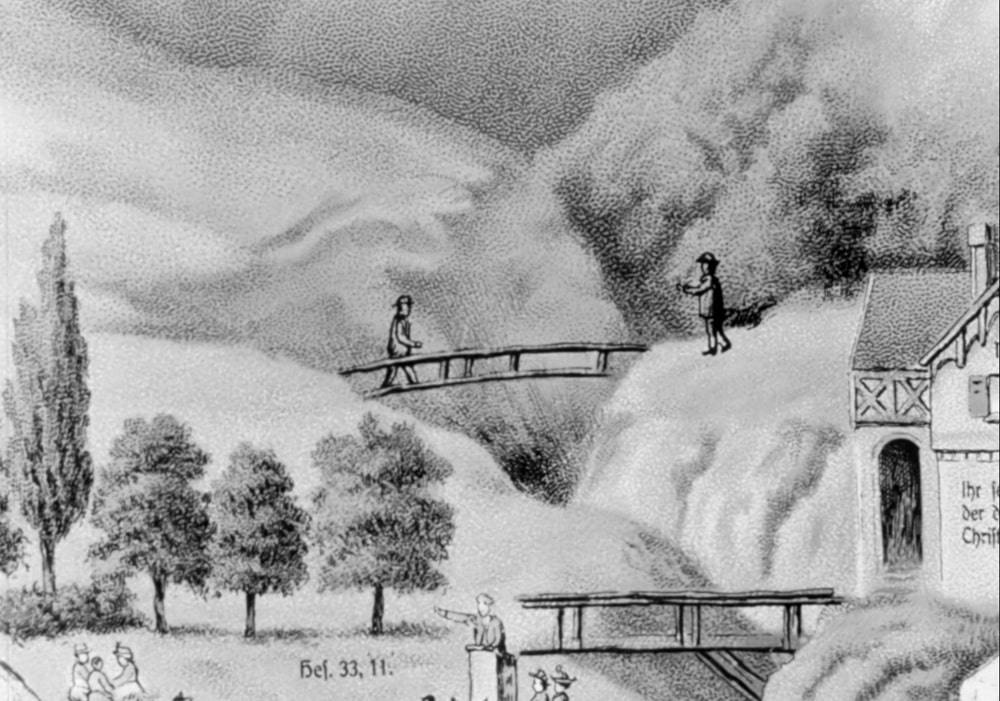
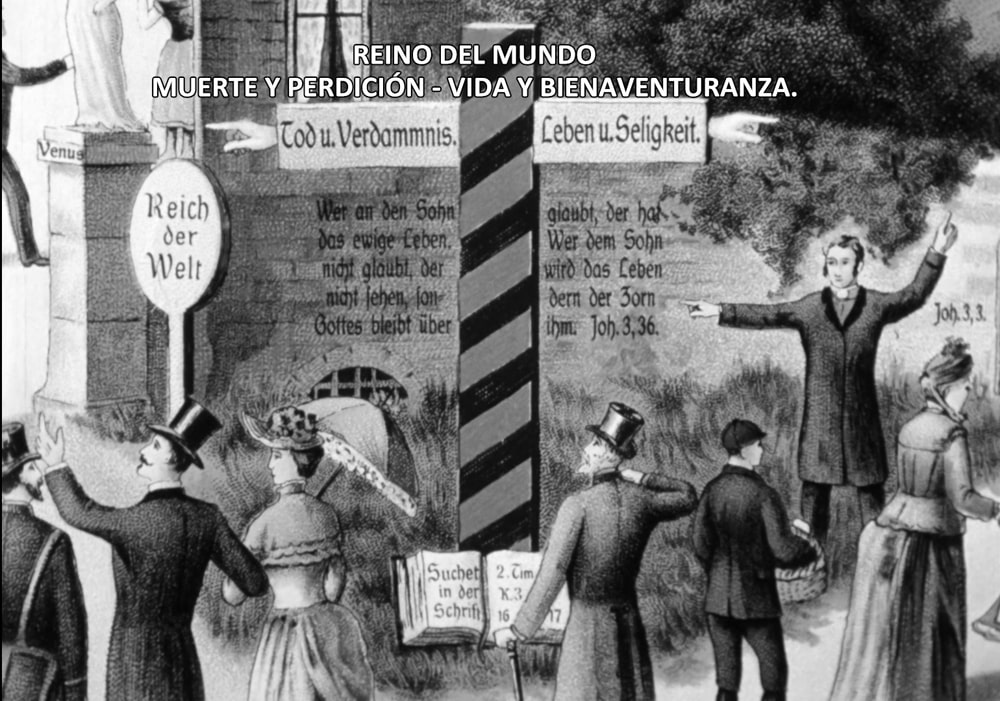
This short piece for the television station Sender Freies Berlin (SFB) is highly relevant to Farocki’s later work. Zwei Wege is a description of a picture! Farocki shows us an image of an oil painting, a religious allegory showing the ‘right’ and the ‘wrong’ path for a Christian. The one path leads to heaven, the other to hell. Farocki uses the camera in effect to dissect the picture; he shows close-ups of the paintings various motifs, which he underscores with rhymes. This method of breaking down an image with the camera reminds us of similar sequences in his essay films, Wie man sieht and Bilder der Welt und Inschrift des Krieges, both from the eighties.
Stills
Related venues
Museo Tàpies
- Address
- Carrer d'Aragó, 255, 08007, Barcelona
- Phone
- +34934870315
- Website
- www.fundaciotapies.org
Related Activities
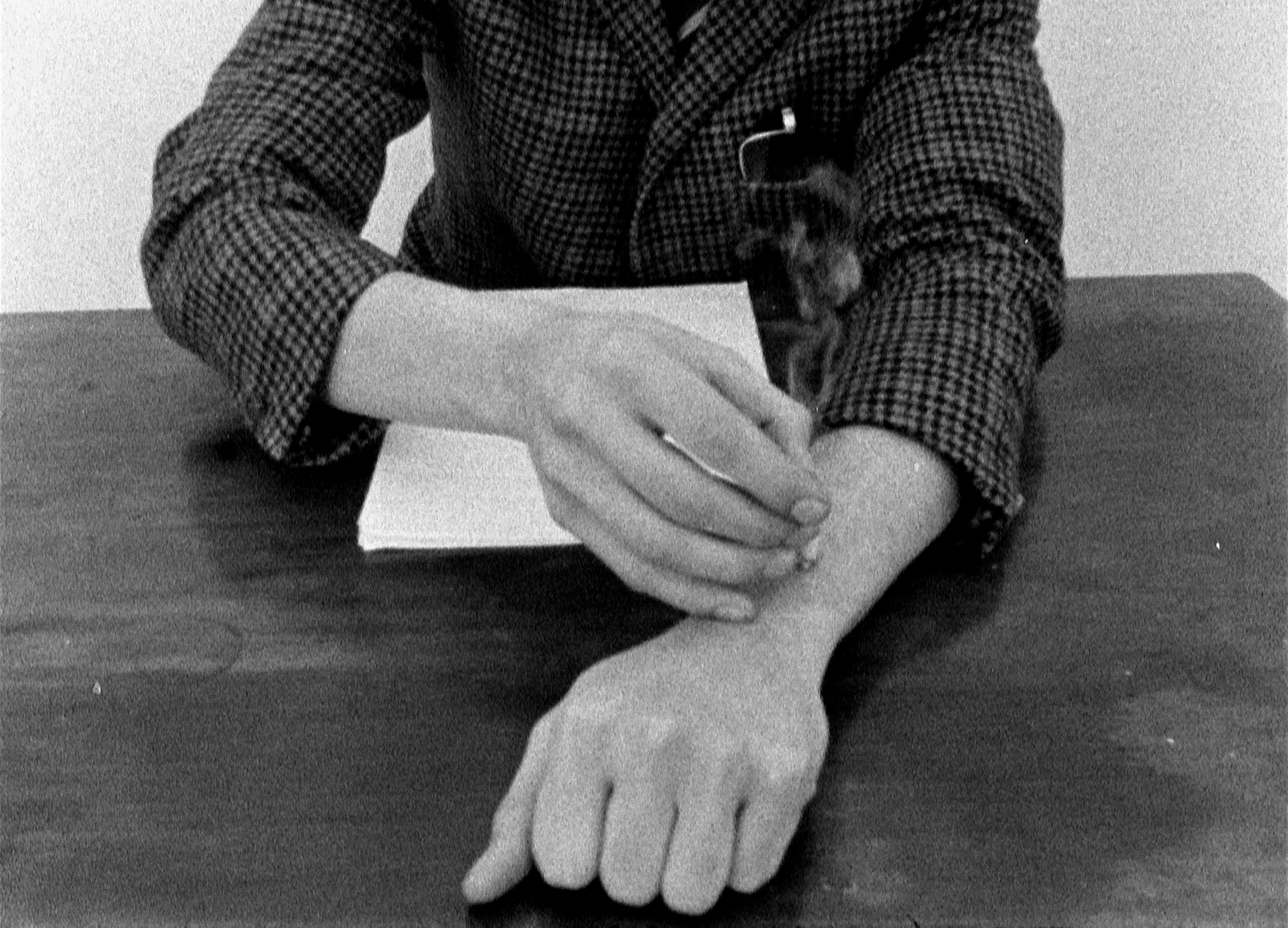
Harun Farocki. Empathy
1 June — 16 October 2016
- Artists
- Harun Farocki
- Curators
- Antje Ehmann and Carles Guerra
- Venue
- Museo Tàpies
- Price
- 7 €
- Tickets & register
- www.fundaciotapies.org
Add to calendar
The exhibition "Harun Farocki.Empathy" brings together the films and installations of an author recognised as a filmmaker, artist, critic and activist and as a seminal figure of the second half of the twentieth century.


In collaboration with the Institut Valencià d’Art Modern, the Fundació Antoni Tàpies presents the second part of a project that revisits Farocki’s early militant films from the 1960s, as well as the video installations he produced from 1995 on. While the selection at IVAM focuses on Farocki’s research on the surveillance image, the operational image and the technologies of vision, the Fundació Antoni Tàpies will present a series of emblematic works that analyse forms of labour arising from traditional production modes as well as from the demands of capitalist production focusing on changes in labour processes and their representation in contemporary societies.
The notion of empathy, taken from a text by Harun Farocki, guides the selection of works to be presented in Barcelona. While from the 1960s on, Brecht’s distancing effect imposed a need for de-romanticization and objectivity in documentary practices, towards the end of his life Farocki questioned why the precious term “empathy” had been handed over to the enemy, i.e. to mainstream cinema and the entertainment industry. Harun Farocki called for its reconsideration and re-appropriation: for Another Kind of Empathy. We regard Farocki’s particularly patient and non-judgmental use of the camera as a tool for filming people at work and work spaces without interference or manipulation as a precious proof of his empathic skills. Complementing this selection of works driven by Harun Farocki’s interest in the world of labour, the Fundació Antoni Tàpies will present, for the first time in Spain, Farocki’s final long-term project, realized together with Antje Ehmann: Eine Einstellung zur Arbeit / Labour in a Single Shot.
From 2011 to 2014, Farocki and Ehmann conducted workshops with filmmakers and artists in 15 cities all over the world. Taken together, these workshops produced more than 400 one- to two-minute long films on the subject of labour. The exhibition on view at the Fundació Antoni Tàpies includes a selection of fifty-four films from nine cities. These short single-shot films exemplify the manifold kinds of labour that co-exist in the world today: material or immaterial labour, paid or unpaid work, occupations traditional or novel. The chosen works by Harun Farocki as well as the films selected from Labour in a Single Shot reveal that cinematic scenarios can be found wherever a pedagogy of the image exists. They are founded on the assumption that an image is never innocent, but rather part of a historically changing visual culture and its image regimes.
Three film programs that focus on different aspects of Harun Farocki’s film oeuvre – “Image Critique”, “Working with Words” and “Other Cultural Producers” – will give visitors the opportunity to delve deeply into Harun Farocki’s work. The films will be shown in Valencia this spring, and in Barcelona and Madrid the upcoming autumn.
Antje Ehmann and Carles Guerra will continue the project of working with Harun’s work with a third exhibition, to be titled Harun Farocki. Materials. This show will open in autumn 2017 in the NBK exhibition space in Berlin, and will be accompanied with a complete retrospective of Harun Farocki’s films at the Berlin Arsenal Cinema.
© Fundaciò Antoni Tàpies
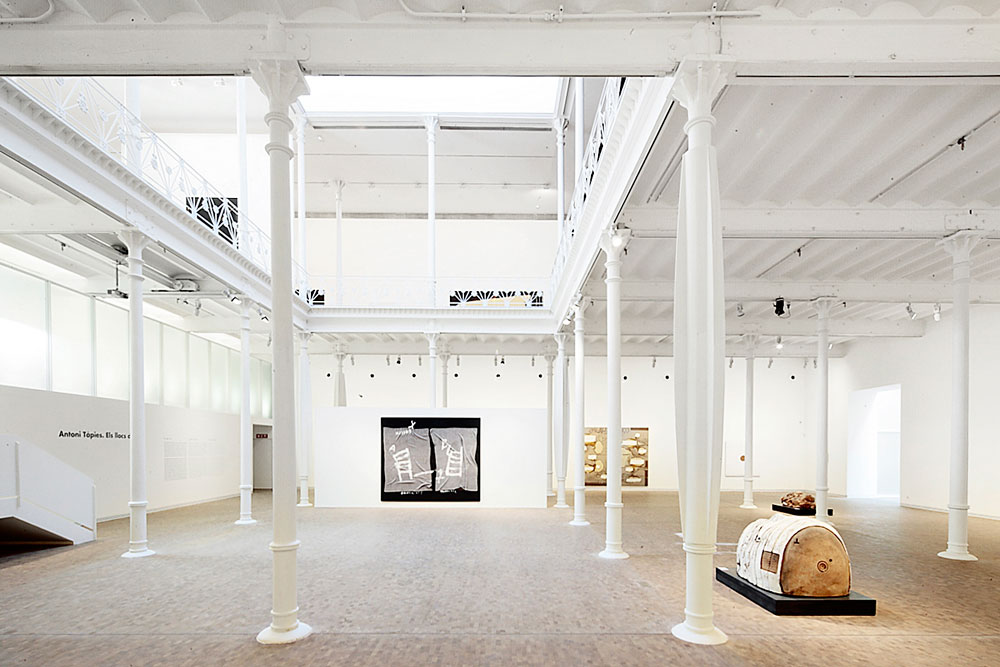
‘Harun Farocki. Empathy’ at Fundació Antoni Tàpies ©Lluís Bover
‘Harun Farocki. Empathy’ at Fundació Antoni Tàpies ©Lluís Bover
Labour in a Single Shot
Wednesday 1 June 2016, 6 — 7 pm
- Speakers
- Antje Ehmann
- Venue
- Museo Tàpies
- Price
- Free admission
- Tickets & register
-
This session has limited seating.
- Language
- English
Add to calendar
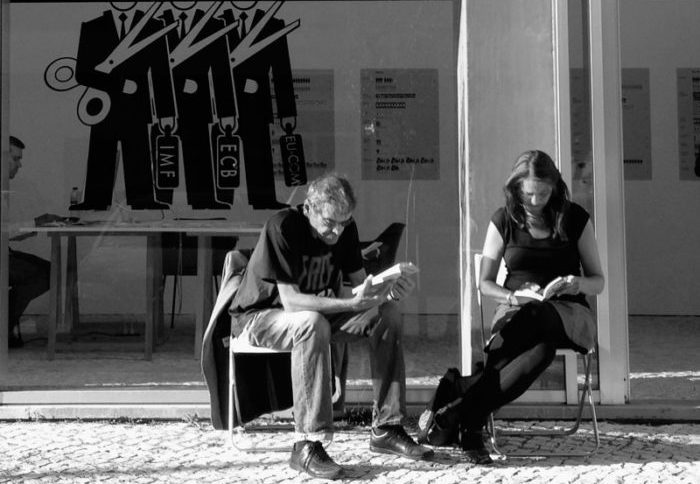
Labour in a Single Shot is a video production workshop, ideated by Harun Farocki and Antje Ehmann, on the subject of labour: paid and unpaid, material and immaterial, rich in tradition or altogether new. Through a series of workshops in 15 cities around the world, the project sought to produce videos of 1 to 2 minutes in length, framed only in a single shot. The task as set led straight to basic questions of cinematographic form and raised essential questions about the filmmaking process itself. Almost every form of labour is repetitive. How can one find a beginning and an end when capturing it? Should the camera be still or moving? How to film the choreography of a workflow in one single shot in the best and most interesting way? Yet the workshop’s results showed that a single shot of 1 or 2 minutes could already create a narrative, suspense or surprise.
Join Antje Ehmann for a talk on the making of the project and its films.
Hito Steyerl. ‘Why Games? Can an Art Professional Think?’
Wednesday 8 June 2016, 8:30 — 9:30 pm
— A presentation by Berlin-based artist as part of Harun Farocki's show
- Artists
- Hito Steyerl
- Venue
- Museo Tàpies
- A project by
- Fundació Antoni Tàpies and LOOP Barcelona
- Contributor
- Goethe Institute
- Price
- Free admission
- Tickets & register
-
The activity has limited availability and requires previous registration. Please contact the Fundació Antoni Tàpies: 934 870 009 / activitats@ftapies.com
- Language
- English
Add to calendar
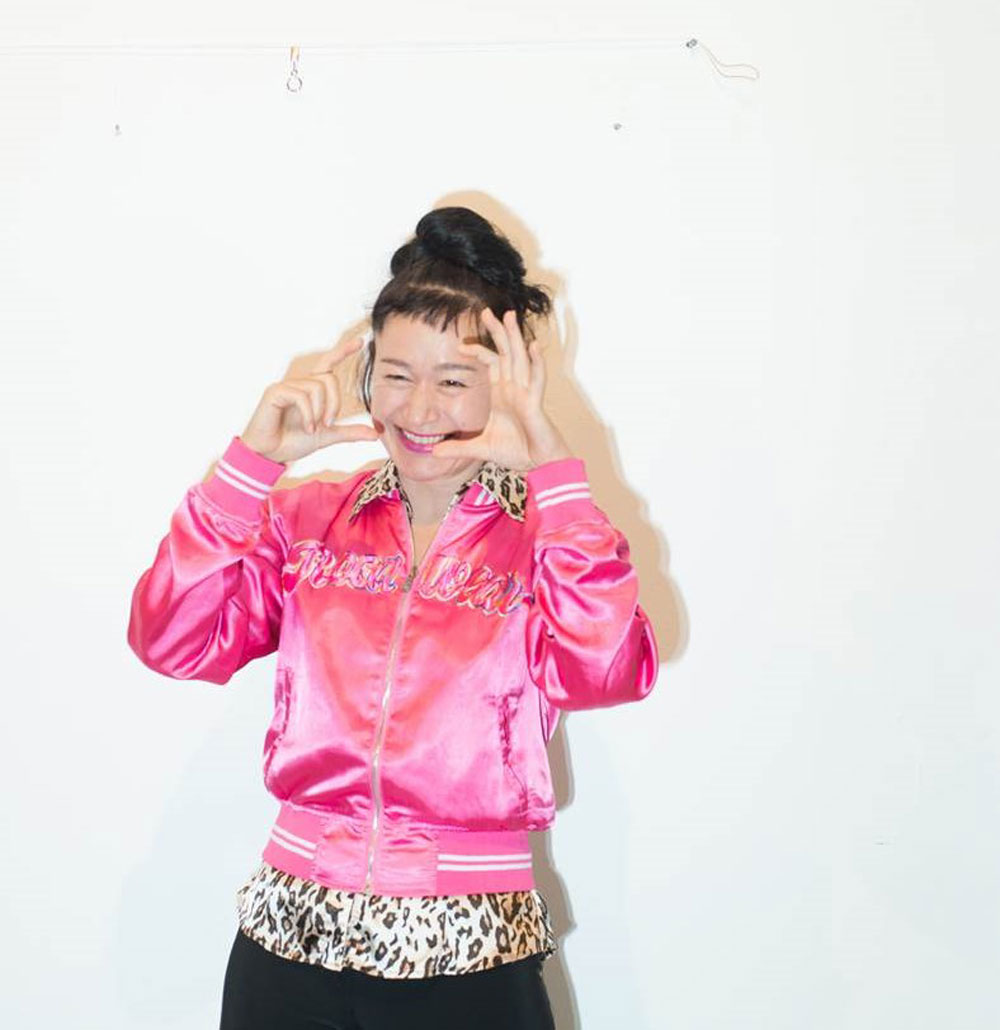
In the context of the exhibition "Harun Farocki. Empathy", Hito Steyerl will give an insightful presentation on video games, virtual simulations and the “generative fiction of autonomy”.
Berlin-based Hito Steyerl (Munich, 1966) is one of the most critically acclaimed artists working in the field of video, today. On the fence between cinema and the visual arts, her work spans reflections on globalization, image production and dissemination as well as the influence of technology on our daily life.
Once a student and close collaborator of the late German filmmaker Harun Farocki, she will give an insightful presentation on video games, virtual simulations and the “generative fiction of autonomy”.
Harun Farocki Institut (HaFI)
Saturday 4 June 2016, 1:30 — 2:30 pm
- Speakers
- Antje Ehmann, Stefanie Schulte Strathaus and Filipa César
- Venue
- Hotel Catalonia Ramblas
- Price
- 15 €
- Tickets & register
-
www.ticketea.com/entradas-conferencia-loop-talks-2016
Seating is limited for this session.
- Language
- English
Add to calendar
In November 2015 part of Harun Farocki’s estate moved to a separate area in the new archival spaces of the “Arsenal–Institute for Film and Video Art” at silent green Kulturquartier in Berlin. The holdings are including film and video material (especially “odds and ends”) and various other materials on Farocki’s individual projects. One of the goals of the Harun Farocki Institute is to preserve and provide access to the extensive holdings in order to facilitate scholarly, artistic, or curatorial work tp those who are interested.
The Harun Farocki Institute was founded in 2015. It is both a platform for research on the practice and work of Harun Farocki and a flexible framework for new artistic, scholarly, and pedagogical projects that investigate the past, present, and future of visual culture. “With such an institution we can also organize an association of working people, not gathered from an abstract understanding, but from the contact points of work.” (Harun Farocki, 1976)
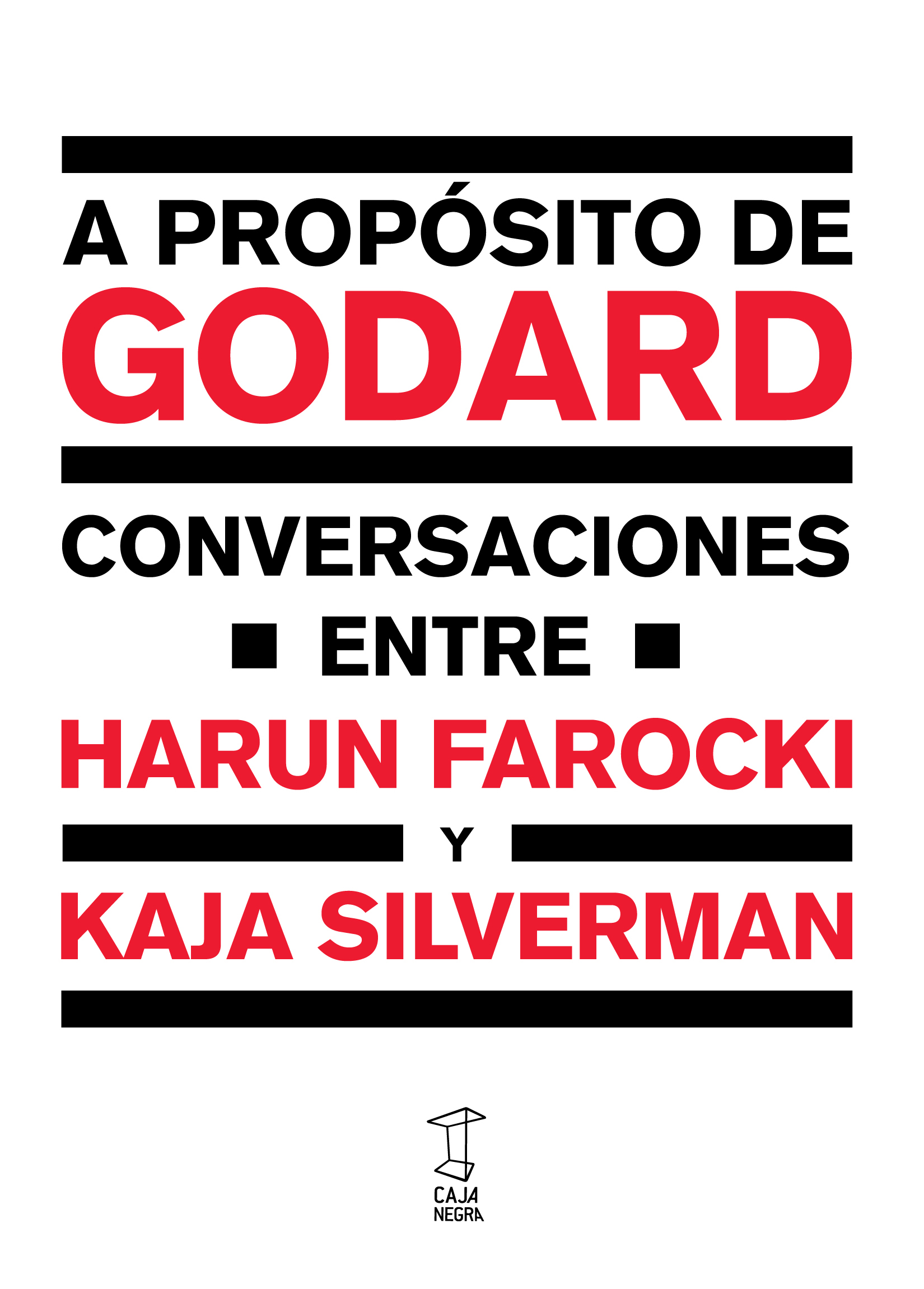
A propósito de Godard
Saturday 4 June 2016, 2:30 pm
— Book Presentation
- Venue
- Hotel Catalonia Ramblas
- Language
- Spanish / English
Add to calendar
Harun Farocki: Para Godard, como para Jerzy [protagonista de Pasión], contar una historia es la parte menos interesante de la realización de una película. Y para Godard, como para Jerzy, el cine es, antes que nada, luz. Finalmente, para Godard, como para Jerzy, el arte implica crear textos que estén en diálogo con textos anteriores.
Harun Farocki
Colección: Synesthesia
Traducción de: Patricio Orellana
Prólogo de: David Oubiña
ISBN: 978-987-1622-46-7
Páginas: 320
Definido por sus autores como un “libro sobre parejas”, A propósito de Godard no se parece a ningún otro volumen jamás publicado sobre la obra del cineasta más prominente de la modernidad. Con un espíritu desafiantemente original que rehúye de los territorios recurrentes de la biografía o del ensayo crítico, Harun Farocki y Kaja Silverman abordan la filmografía de Jean-Luc Godard mediante la estructura de una gran conversación en la que analizan a fondo ocho de sus films más emblemáticos, de Vivir su vida a Nouvelle vague. De esta manera, cada capítulo se ocupa de una película, y cada película es desglosada secuencia por secuencia, plano por plano, hasta llegar a una reflexión precisa y lógica del film respaldada por su misma deconstrucción formal.
Por momentos un diálogo socrático en la oscuridad de la sala cinematográfica y por momentos una desgrabación de la clase magistral a dos voces, la conversación entre Silverman y Farocki articula el background académico feminista de la primera con la agudeza cinéfila del artista de vanguardia del segundo para componer una apreciación rigurosa pero intuitiva que funciona como un verdadero laboratorio de experimentación interpretativa. ¿Es este un libro de cine teórico o práctico? ¿Se trata de un texto marxista, psicoanalítico o semiótico? ¿Cuánto hay de cierto en que estas conversaciones deberían ser leídas, según han dicho por ahí, como cartas de amor? ¿Vale la pena saber, en este sentido, que los autores eran pareja durante la escritura de estos diálogos? La pregunta más importante planteada por Farocki y Silverman, no obstante, es mucho más sencilla: ¿por qué volver al cine de Godard después de tanto tiempo y con tanto lujo de detalles? Sostenida a lo largo de las páginas de este libro, la respuesta emerge una y otra vez como la convicción de que en todo cuestionamiento del arte pasado yace el camino hacia nuevos y luminosos interrogantes.