Almanac Barcelona
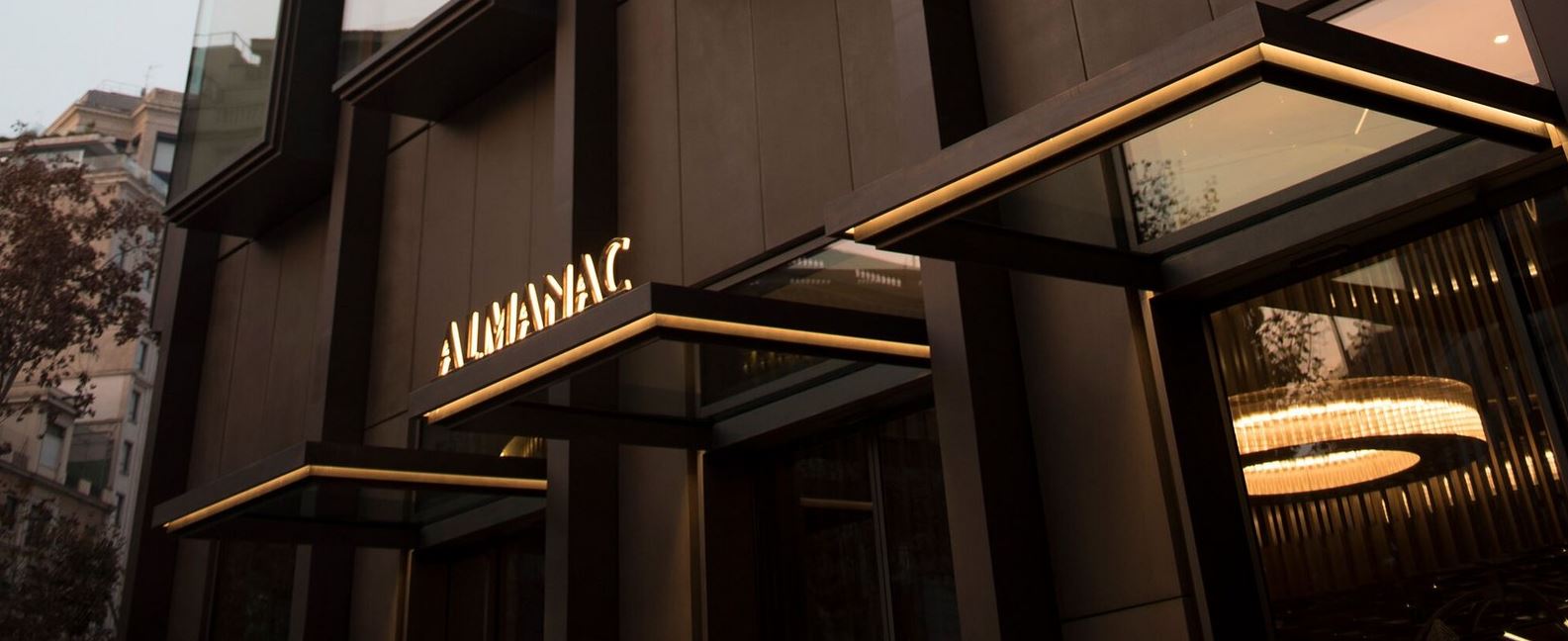
- Address
- Gran Via de les Corts Catalanes, 619, 621, 08007, Barcelona
- Phone
- 930 18 70 00
- Website
- www.almanachotels.com
- Map
- View map
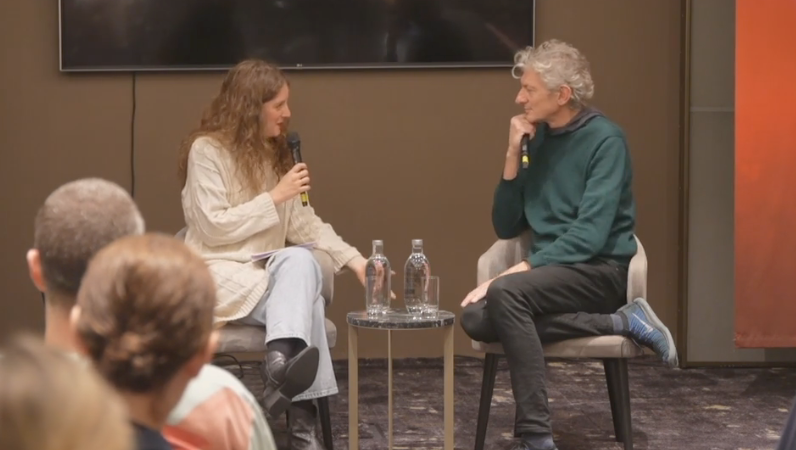
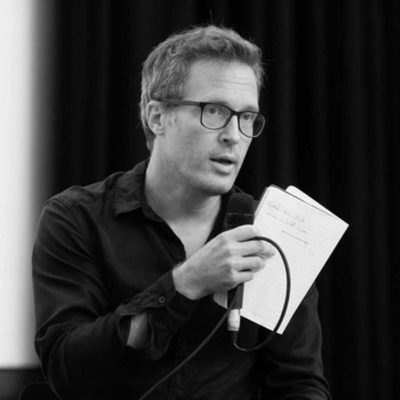
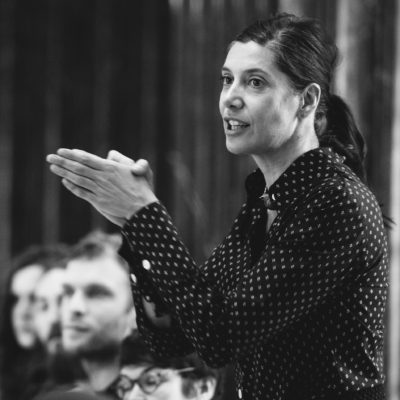
Dr. Andrea Lissoni (Artistic Director, Haus der Kunst Munich) in conversation with Carolina Ciuti (Curator and Director of exibart.es).
Dr. Andrea Lissoni focused his intervention on the effect that the exhibition of the pieces has on the public who come to see them, both physical and cognitive, generating positions and questions that arise from the direct contemplation of the works. Carolina Ciuti led this reflection on the nature of video art as a medium that generates and brings together an audience in the physical and exhibition space of the gallery.
Wednesday, November 22, 2023, 10:30h
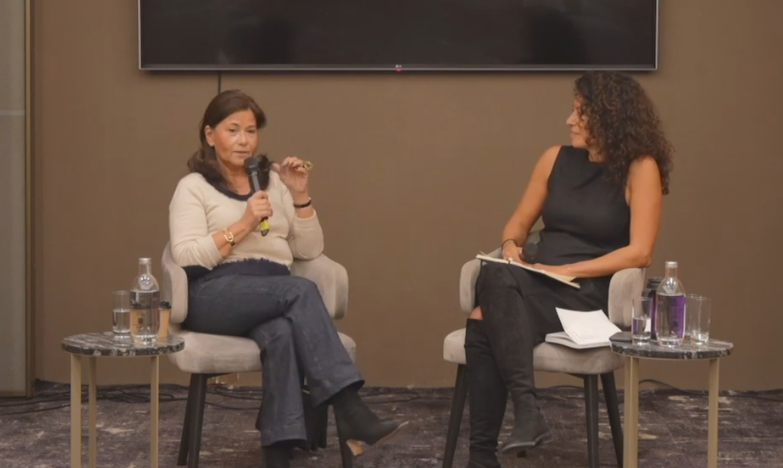
While Art has metamorphosed into an industry of fairs, auctions, galleries and museums, we take a moment to step off the hamster wheel and refocus on the work of art through the eyes of collectors with purpose. More than ever, the philosophy and psychology of behind art collections are of intriguing interest. How do you cultivate the collection? How does the connection between the work and the collector inform a pathway to collecting? Are there new considerations in collecting today that are different than they were from the inception of the collection? How have the thematics of the type of collecting evolved over time? And what is the best way of giving access to the art collection?
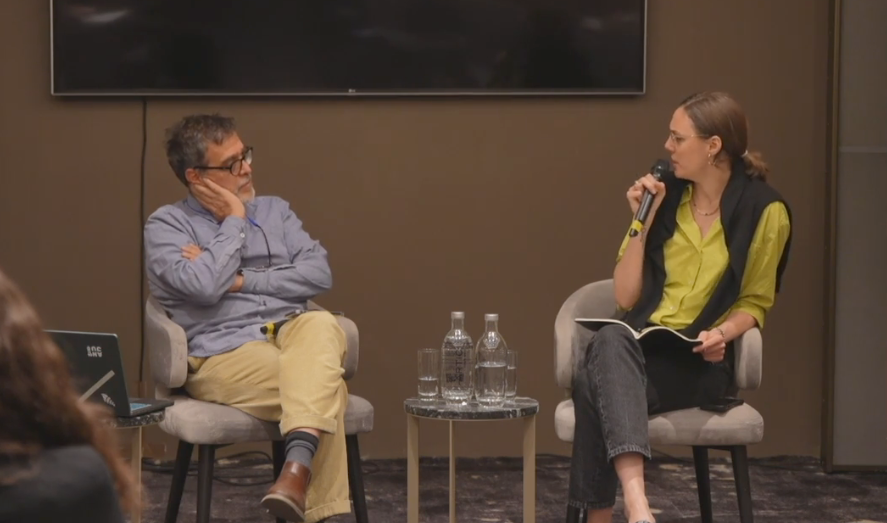
Rafael Ortega (Cinematographer) and Lisa Long (Artistic Director, Julia Stoschek Foundation Berlin) in conversation.
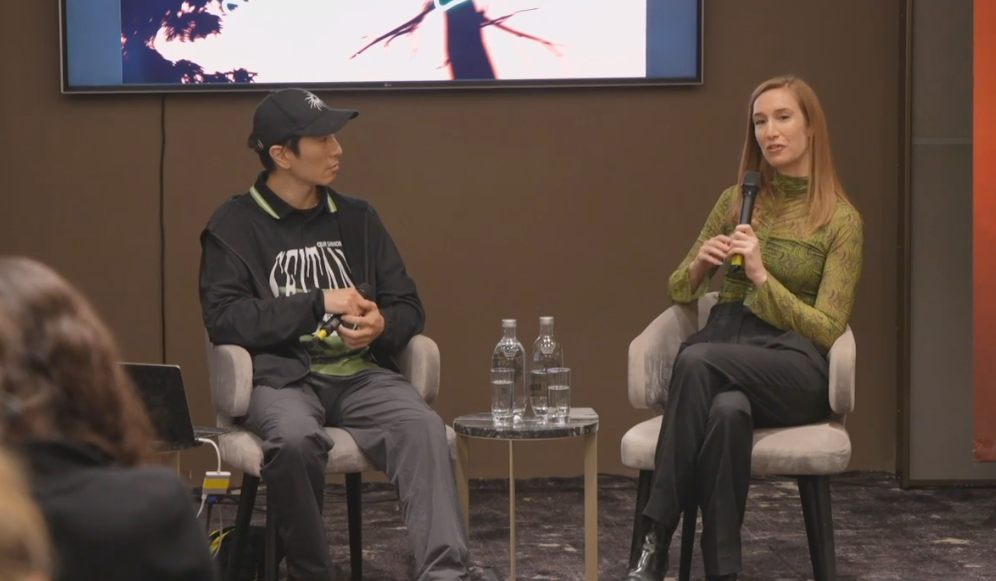
Lawrence Lek (Artist) and Carly Whitefield (Senior Curator at LAS Art Foundation Berlin) in conversation.
Artist Lawrence Lek crafts speculative scenarios that take the form of CGI films, video games, installations and soundtracks set within a Sinofuturist universe. As part of the LOOP fair, he is presenting the video installation Black Cloud Highway (2023), which forms part of a larger series of works exploring the integration of AI into urban life. In this talk, Lek sits down with curator Carly Whitefield to discuss his approach to worldbuilding in game engines, architectural simulation, machinic perspectives, virtual cinematography, and his layering of the virtual and physical in the context of installation.
torytelling and narrative in video art. Experiences and case studies in Europe and Asia . How to establish the various transitions from the seminal narration of video art to the ones that occupy the cinema images.
The purpose of A-Place is to design and implement art-centred place making activities that cut across disciplinary, cultural and geographic boundaries. Over the next four years (2019-2023), a series of actions (i.e. performances, installations, debates, and video and photography productions) will be carried out in six European cities: Barcelona, Bologna, Brussels, Lisbon, Ljubljana, and Nicosia. This site-specific research will examine the role of artistic practices as a catalyst for connecting and strengthening communities.
A-Place partnership includes nine organisations from six European countries: three schools of architecture – School of Architecture La Salle, Barcelona (Spain); Faculty of Architecture, University of Ljubljana (Slovenia); KU Leuven, Department of Architecture (Belgium), one Faculty of Social and Human Sciences, Universidade Nova de Lisboa (Portugal)-, three multidisciplinary groups focusing on arts and community engaged urban interventions – Alive Architecture (Belgium), prostoRož (Slovenia), and Urban Gorillas (Cyprus)-, and two cultural agencies specialised in film and video art – Screen Projects (Spain), and City Space Architecture (Italy).
From its very beginnings, one of the foremost concerns of LOOP Barcelona has been to offer artists opportunities to reflect and enroll in practices that strengthen the various social commitments they want to address in their works. And so it happens that many of the artistic practices that we support are prone to capture the complex layers that animate public space and the various constructs that define people’s sense of belonging, as well as those intimate ways in which they relate with the world. In short, we feel the need to acknowledge and promote that, at the root of their creations, there is a clear intent to uncover the symbolic function and construction of place, a hidden layer that seldom manifests itself in material terms. This place is not an evident place, and so, its making often goes untold. Our contribution to this European cooperation project is to help artist achieve this uncovering aim.
In this 2020 edition we are happy to present the following works that we have helped to complete:

Video seems to evolve towards cinema sometimes imitating its usual models and formats, as a step forward implying a necessary renunciation of its experimental condition and other determinations that have contributed to its definition from the beginning. The future video remains unknown, despite its resistance. Its permanence will mainly respond to the research of the medium, the possibilities offered by media technologies and the exploration of the pertinent narratives, narratologies, and narrotopies. Video production has been transforming, altering the transmission of the message and the relationship between the sender and the receiver. What do we expect from video art? To what extent its contribution may be decisive to the future development of visual arts as it has been in the past?
Image and text often challenge the usual parameters of cinema in the construction of audio-visual stories, exploring – through the fragmentation that characterizes video – fields of knowledge that enhance the transmission of contents that could not otherwise be communicated. Understanding that every narrative is at the origin of what is told, the construction of this telling is key to the composition of the story. What we want to say and how? What are the procedures to achieve this? These questions will be addressed in a conversation open to artists, curators and collectors, and raising issues related to narratives developed for almost half a century.
Contemporary artistic practice is eminently related to its political, social and cultural context. Sometimes this link is made visible by a literal need of the outer space, the space of the polis where relationships happen, regardless of it being natural or not. This out-of-the-studio way of existence will inform the conception, production and presentation of the artwork.
Institutions are capable of legitimating things, almost anything and cultural and artistic institutions are not an exception… To what extent are we using this for the sake of arts? Furthermore, how are visual art institutions nowadays facilitating an Espace Autre – space other – or more accurately spaces for otherness?
Funding in arts being at stake we can only be creative. Entreprises and private individuals, public funds and organizations are challenging ways in which we support arts, and that is, putting the art itself in the center. On the panel, engaged initiatives of different natures debate how active and actual collaborations with the artists themselves are allowing projects to become real.
In times when spectacular exhibition architectures challenge the way we show art, how an immaterial medium such as video can help shape institutional spaces? How can we curate the time and space for it and how visual arts can create room for un-haughty critical thinking?
How is the artist’s methodology relevant to the decision-making process of organisations?
Artists sense and identify way ahead of where the debate lies and how to question it. Can the way they approach risk, uncertainty, and commitment be applied to the benefit of other fields? On the relationship between artists’ practice and how organisations review their problem-solving and decision making creatively.
In-house’s or guest curators’ temporary exhibitions and programs are taking museums to operate not only thanks to acquisitions but also and highly through commissions. Such engagement helps the institution to push practices in a way that was until recently reserved for art centers. Like a double negative grammatical turn becomes affirmation, is the museum collecting by not doing it (the same way) anymore?
Whether it is run by an institutional entity or by an independent body such a Kunstverein, an Art Centre traditionally carries exhibition tasks in arts and promotes research and production rather than keeping a collection. The shift in actual roles of institutional and institutionalized spaces together with both private and public funding at risk, make us re-question the scope of the Kunsthalles or Kunsthaus.
Fine arts schools and visual art programs are the more and more becoming fertile ground for production by means of what we used to call education. Ways of exposure and making throughout their early time in arts are giving artists space and time to be.
On how deconstruction is what it takes.
What used to be something working alongside exhibition-making has lately become an autonomous way of thinking and producing artistic debate in itself. Public programs allow the presentation of artworks while challenging the public and questioning ad-infinitum what “going public” means nowadays. Production of image and how, where and when to do so is to be explored further here.
Will explore artistic counter-narratives and collaborative practices in Europe. How do video artists and curators highlight contemporary concerns beyond the traditional notion of MittelEuropa? How do they envision the continent as a montage of images and personal stories through which aesthetic and political perspectives can be shifted?
Festivals – and fairs – are almost-compulsory meeting places for practitioners, as much as they are official up-to-dates of current production. How do these rendez-vous create and reflect on a propitious space and time for production? How producers are offered a context for that and how do they modulate the impact of the rhythm propelled?
AIR programs are a rather particular context for artistic reflexion and production. Different lengths of short laps of time ranging from weeks to months are terrain for exchange of ideas and cultural shifts. The discussion will revolve on how in that framework moving image can help being an effective vehicle for the contemporary both in content and format.
From Bladerunner to Mulholland drive, cinema and architecture have long been lovers in a back and forth relationship of nourishing scenarios, no strings attached. Moreover, visual arts and precisely moving images are also playing its role in it. Films of anticipation, utopia, and dystopia, but also the depiction of everyday life interiors and environments are modifiers of how we think and shape spaces.
Original Content is constantly being digitally updated nowadays, we are first online. In that sense “web” stands for a new set of realities currently in progress.
How the Internet is an audiovisual space under construction that is public, connected and live? How does it build up context(s)?
Access to the Talks is free with the LOOP professional accreditation
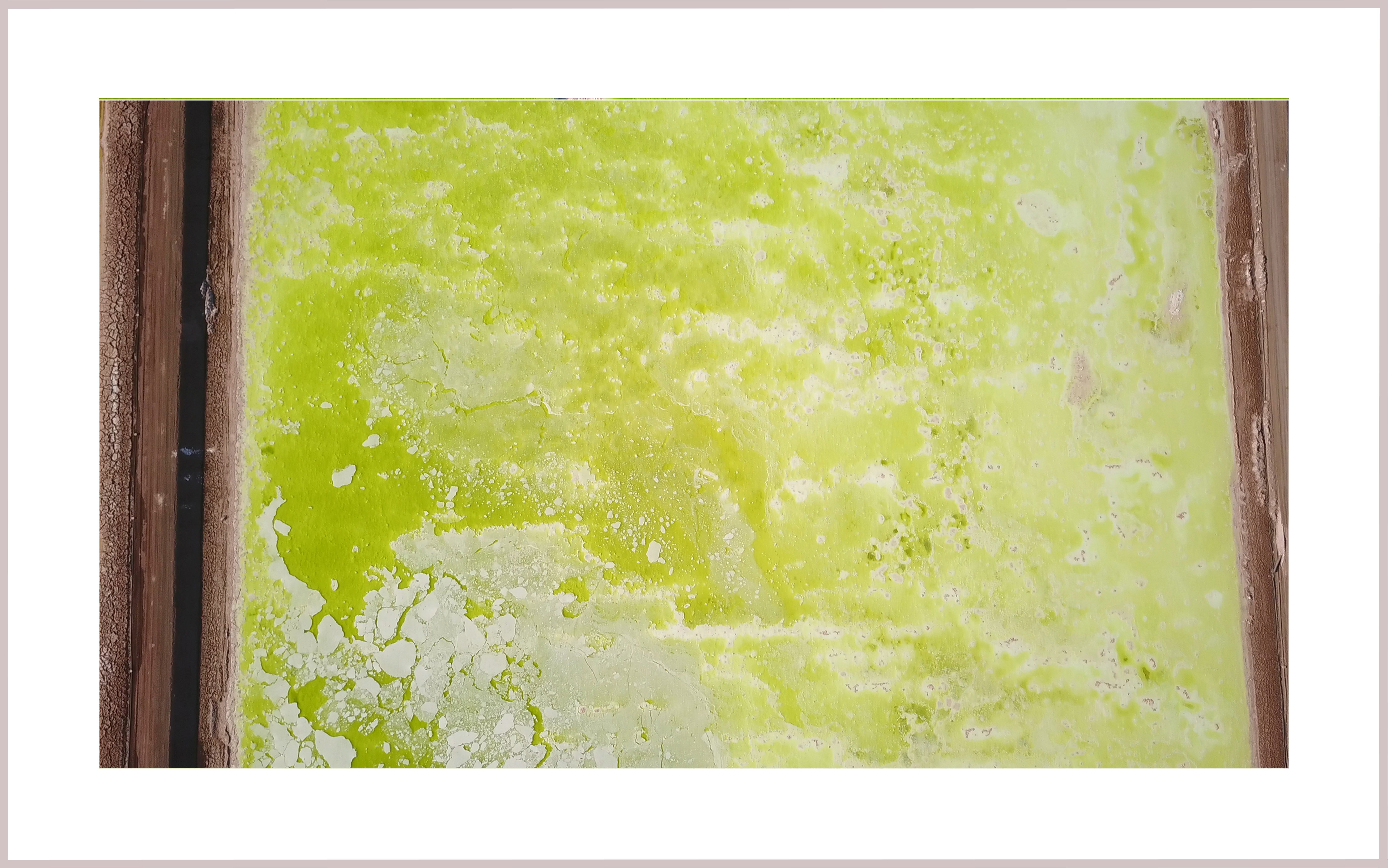
In the context of the LOOP Fair, Melanie Smith presents one of her most recent videos – Maria Elena, 2018 –, together with her gallery Proyecto Paralelo (Mexico City).Maria Elena is a small mining town in the Atacama desert, founded in the 1920’s and developed by the Guggenheim’s to produce saltpetre, used for both fertilizers and explosives. The film explores an ongoing interest in the application and obsolescence of industrial modernity. It also traces the impact of the British in the region, who were heavily involved in the extraction processes of nitrates incorporating it into a satellite of an economic global system. The narrative threads a tale of contradicting montage, whereby crystals become stars, a horse’s ear a mountain and enormous beds of nitrate appear as informal abstract paintings, exposing the geological terror of the past and future.
In this conversation with Tanya Barson, she will disclose the strategies that she deployed with montage, sound and talk about the different narratives that are interwoven throughout the film.
Access to the Talks is free with the LOOP professional accreditation
Arts Catalyst is one of the UK’s most distinctive arts organisations, distinguished by ambitious art commissions and its unique take on art-science practice. The organisation’s primary focus is commissioning new artists’ projects, presented in a range of museums, art galleries and other public spaces in the UK and internationally. In its 22 years of activity, Arts Catalyst has commissioned more than 140 artists’ projects, including major new works by Tomas Saraceno, Aleksandra Mir, Critical Art Ensemble, Jan Fabre, Yuri Leiderman, Stefan Gec, Otolith Group, Beatriz da Costa, Kira O’Reilly and Marko Peljhan, and has co-produced numerous exhibitions, events, performances and publications. Arts Catalyst plays a leading role in the development of artists’ engagement with science, and critical discourse around this field.
In January 2016 Arts Catalyst opened its Centre for Art, Science and Technology in the King’s Cross Area.
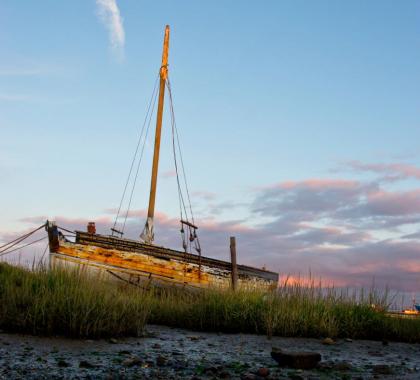
In her lecture, Santomauro will present the curatorial approach that Arts Catalyst has been developing by working in between disciplines and situated knowledge. She will encompass some recent projects, including ‘Wrecked on The Intertidal Zone’ – a project about the changing ecology, society and industry of the Thames estuary –, and Test Sites – a series of inquiries into matters of concern connected with environmental change.
Access to the Talks is free with the LOOP professional accreditation
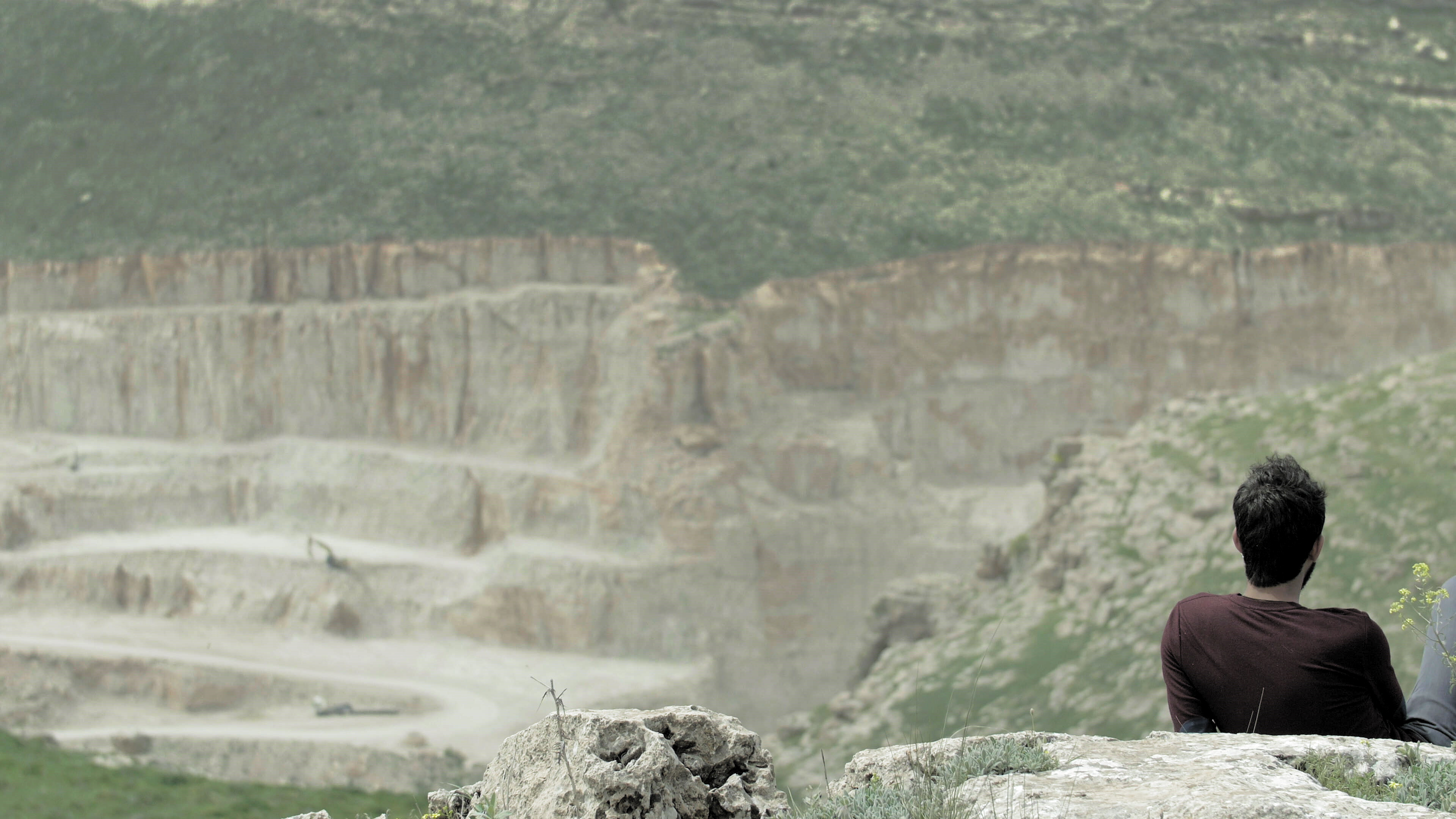
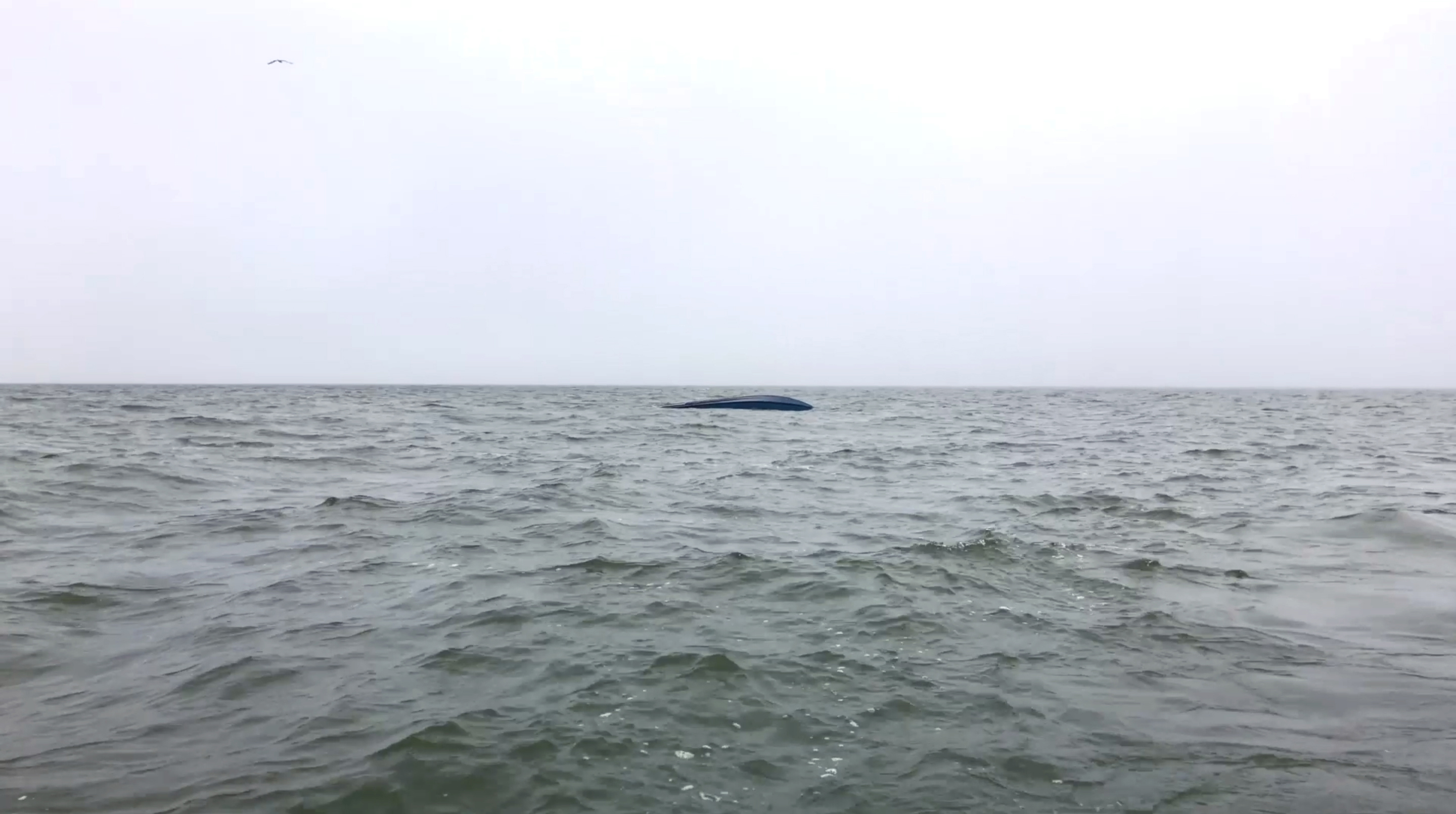
This talk proposes to analyse the notion of “movement” as a whole concept. First, as in relation to visual arts and video, in particular; then, in regards to the current political climate and the global migratory flows. Being one of the most urgent issues of our time, the Immigration crisis and its representation has been preoccupying artists, museum’s directors and collectors alike. Often explored by practitioners through the medium of video, the social and political implications behind shifting borders have also been in the agenda of important public and private collections – when they did not coincide with the very reason for their constitution.
Access to the Talks is free with the LOOP professional accreditation
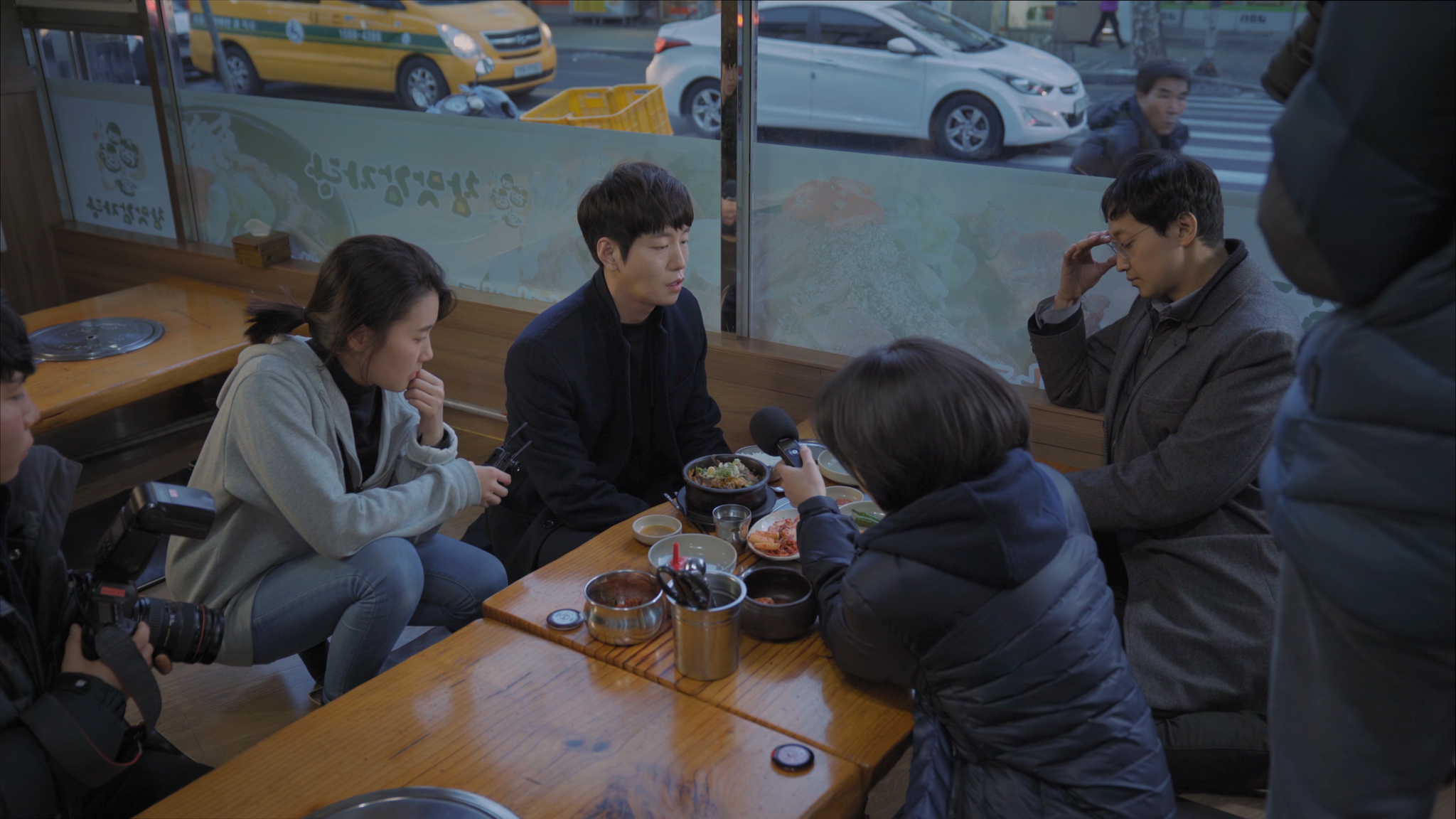
In this conversation, Taus Makhacheva will talk about her work with Carles Guerra, analyzing the multiple layers that conform her creative practice. Having grown up in Moscow with cultural origins in the Caucasus region of Dagestan, her projects are informed by this personal connection with the co-existing worlds of pre and post Sovietisation. Oftentimes humorous, her works attempt to test the resilience of images, objects and bodies in today’s world. In most of her performance-based works, she analyzes “the body as a supporting structure”, repeatedly challenged in off-limits situations. She often conducts collaborative projects and her body-driven practice leads her to physical challenges. At the LOOP Fair she presents her 2017’s video Badia, with narrative projects (London).
Access to the Talks is free with the LOOP professional accreditation
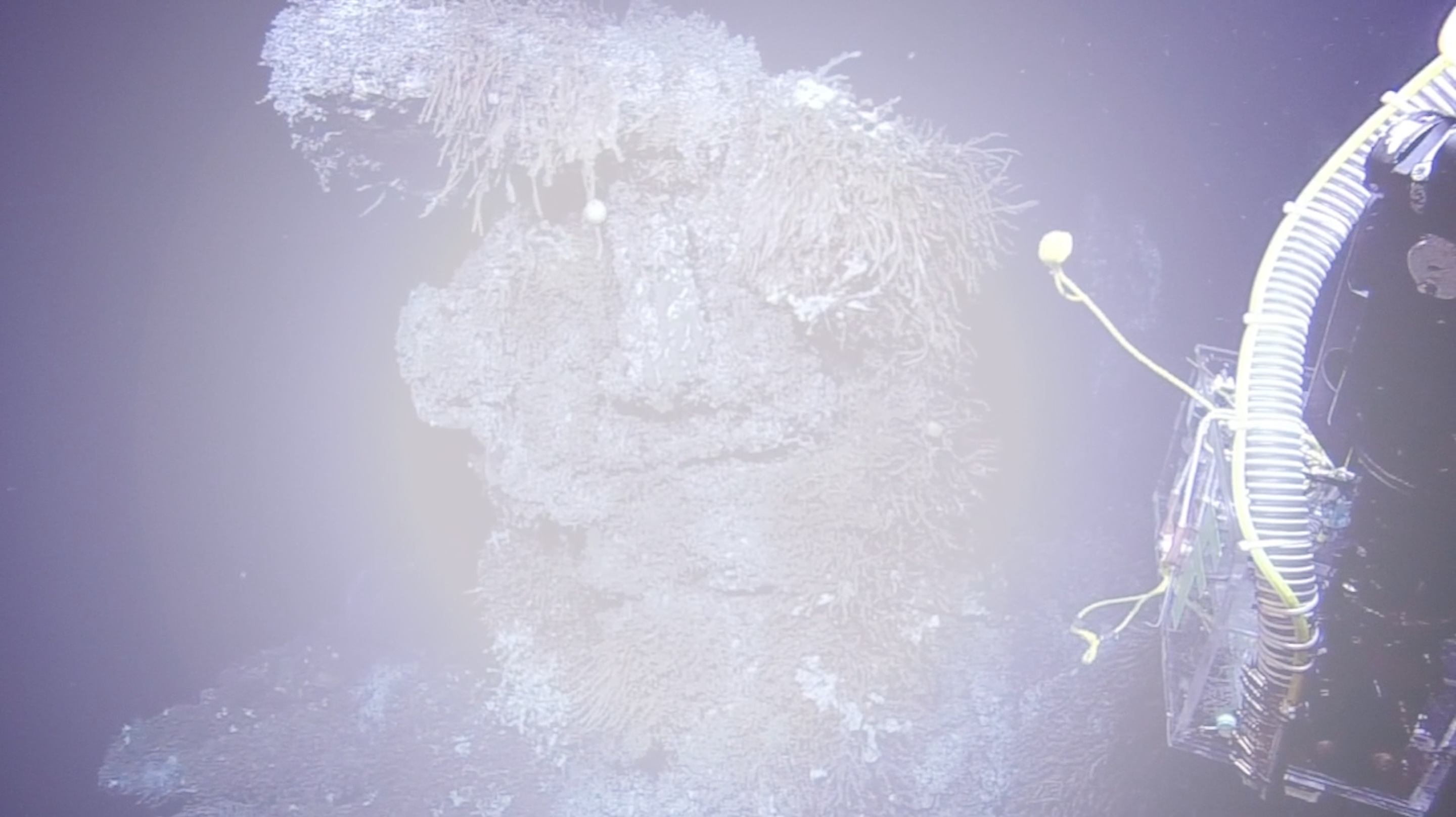
For this conversation, Tao Hui will engage in a “Double Talk” with Marko Daniel, and give an overview of his work. Mostly know his creating immersive video-installations, Tao Hui’s projects bend the boundaries of fiction and reality to address issues related with culture and identity. His works are visceral and provocative, yet enlightening and always imbued with a strong emotional power and a sense of displacement. Ultimately, they invite viewers to confront themselves with their own cultural history, ways of living and social identities. Double Talk is also the name of the video that Tao Hui is presenting at LOOP Fair, with Esther Schipper (Berlin).
*This talk will be held in English and Chinese, with continuative translation in English.
Access to the Talks is free with the LOOP professional accreditation
We live in a time of radical transformation. The ways we understand the world and the means by which we understand it are under revision. Which we? – becomes ever more urgent to ask; a question directed at many others and earth’s others. Taken seriously, all these others force us to reconsider again and again the role and agency of institutions and the position institutions take vis a vis mounting injustices and newly imagined communities of care. How can institutions re-socialize what has been slowly privatized? How can they bring together the science lab, the artist studio, the university, the activists’ wisdom of the street, the common’s daring proposition of shared possession? Which languages and ways of knowing are they representing? These questions point to the difficult challenges for institutions such as TBA21 which dare to participate in the current debate on the political ecologies of the future.
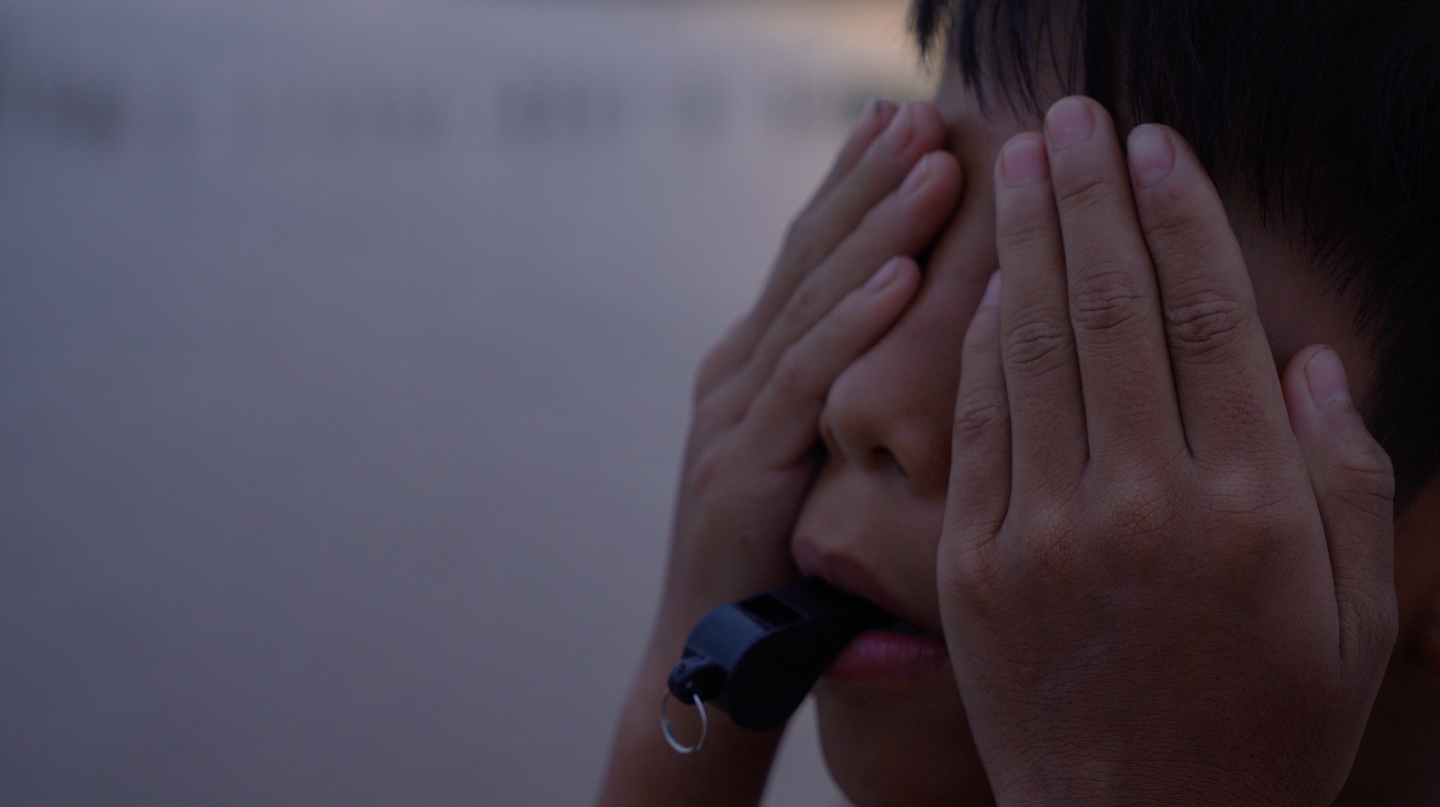
What Is Deep Sea Mining? a series of five online video clips by Inhabitants TBA21–Academy engages, once again, with the rising stakes marking the crossroad at which a new technology, the mining of the deep, is being launched as a legalized economic exploitation against the weak and defenseless logics of ecology. The talk will unfold as a series of arguments and case studies, to test how curatorial and artistic praxis can mobilize localities, bodies and voices and imagine ways of working and living together in “catastrophic times.”
Access to the Talks is free with the LOOP professional accreditation
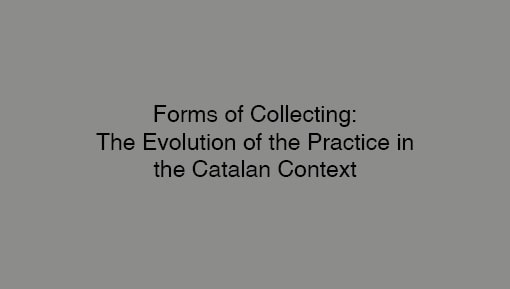
Thao Nguyen Phan’s works draw from the rich and turbulent history of her native country, Vietnam. Taking different forms, her projects explore the agricultural, political and social context of the Vietnamese countryside by incorporating an interest for literature and language. As she explains, her practice entails a certain “ecological responsibility”, understood as her own way to think about agriculture and the issue of food security. In 2018, Thao Nguyen Phan was the winning artist of the first edition of the “Han Nefkens – LOOP Barcelona Video Art Award” organized in collaboration with the Fundació Joan Miró. With the title Becoming Alluvium (2019), the elegiac video resulting from the award surveys the construction of hydroelectric dams, the spread of unsustainable agriculture, the problem of overfishing, the unavoidable economic migration of farmers to big cities, and how these issues are manifested via popular culture and the eyes of adolescents. Curator and writer Barbara London was among the expert jury that conferred the prize for “her heterogeneous, powerful works and their alluring narrative forms.”
Access to the Talks is free with the LOOP professional accreditation
The uncontrolled shifts in technology and innovation, paired with the accelerated unfolding of social and political events are irremediably affecting art practices in that they function as extremely permeable membranes. Faced with such occurrences, museums, public and private art institutions or corporative organisations are called to establish criteria to perform acquisitions and update their collections. Within the Catalan context, very different examples of sensibility and openness towards the transformations in art practices are to be found in the collections of “la Caixa” Foundation, the MACBA Foundation and BEEP. During this conversation moderated by Llucià Homs, Nimfa Bisbe, Cristina López and Andreu Rodríguez will illustrate the very diverse ‘forms of collecting’ that guide the institutions and organisations they lead, all the while disclosing the importance of both establishing recognisable criteria for a collection, and acquiring artworks for public dissemination.
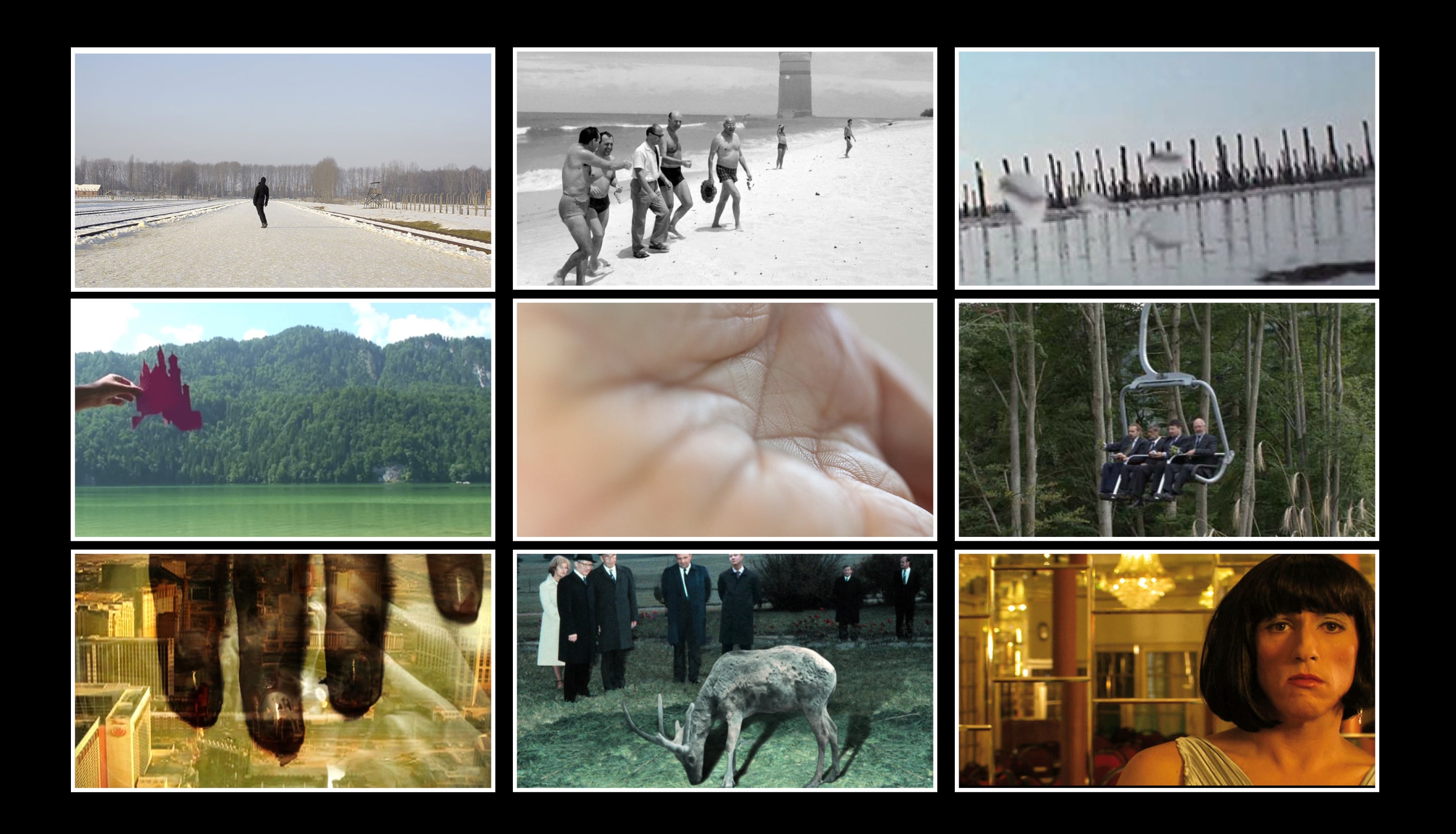
Sandra Terdjman (Co-Founder, Council and Kadist) and Carolina Ciuti (LOOP Artistic Director) will briefly present the KVL VIDEOCLOOP initiative to later engage in a conversation around the online circulation and distribution of video, along with Barbara London (independent curator) and Hans Op de Beeck (artist).
ABOUT VIDEOCLOOP:
VIDEOCLOOP is a public platform dedicated to the preservation, promotion and study of experimental video and film by contemporary artists. It offers online access to a video collection that is mainly nourished by the LOOP Fair’s different editions, since its beginnings in 2003. The release of VIDEOCLOOP is the natural culmination of a process of studying and learning, which has gone hand in hand with the mutation and evolution of video at a formal and conceptual level.
www.loop-barcelona.com/videocloop/archive/
* The activity is subsidized by the Spanish Ministry of Education, Culture and Sports
ABOUT KADIST Video Library:
KADIST Video Library (KVL) is an online platform designed to facilitate public access to video artworks by artists represented in the KADIST collection. The library includes limited edition video titles to preview for the sake of research, education, and enjoyment, as well as prospective loans to art institutions. By creating a free account, KVL visitors can stream videos directly from the KADIST website, find information related to the artwork and artist, and request to borrow artworks for exhibitions and programs. Thanks to KADIST’s unique search tool, video titles are discoverable not only by artwork descriptions or an artist’s biographical information, but also more abstractly through ideas related to a work. By providing greater access to works in the collection, we hope to act as a public resource while also encouraging more exhibition and screening opportunities for KADIST artists worldwide.
kvl.kadist.org
Access to the Talks is free with the LOOP professional accreditation
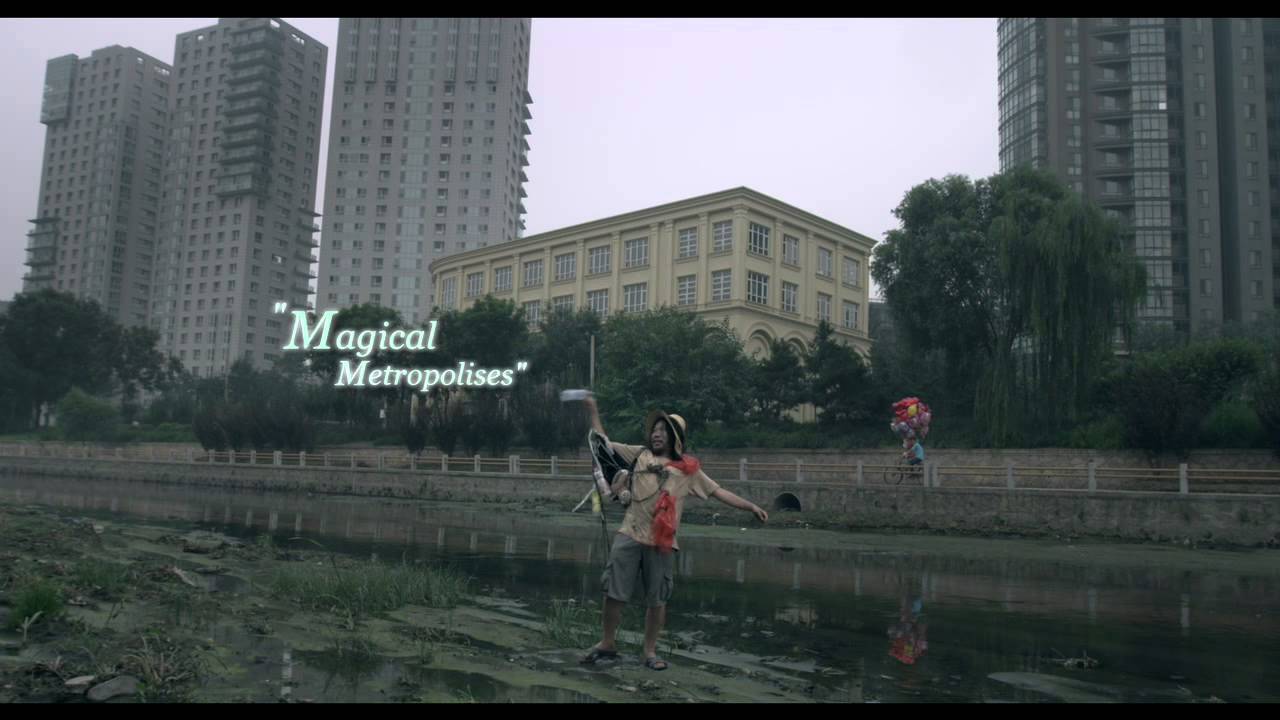
Barbara London and Marko Daniel take a look at how the work of the youngest generation of media artists in China differs from that of their elders. The more emerging grew up with the Internet and access to computers and information, whereas the more senior were shaped by the Cultural Revolution and made do with limited means. As examples, the speakers will consider the ideas and motives behind five artists’ productions: Zhang Peili, Song Dong, Xu Zhen, Cao Fei, and Lu Yang.
Access to the Talks is free with the LOOP professional accreditation
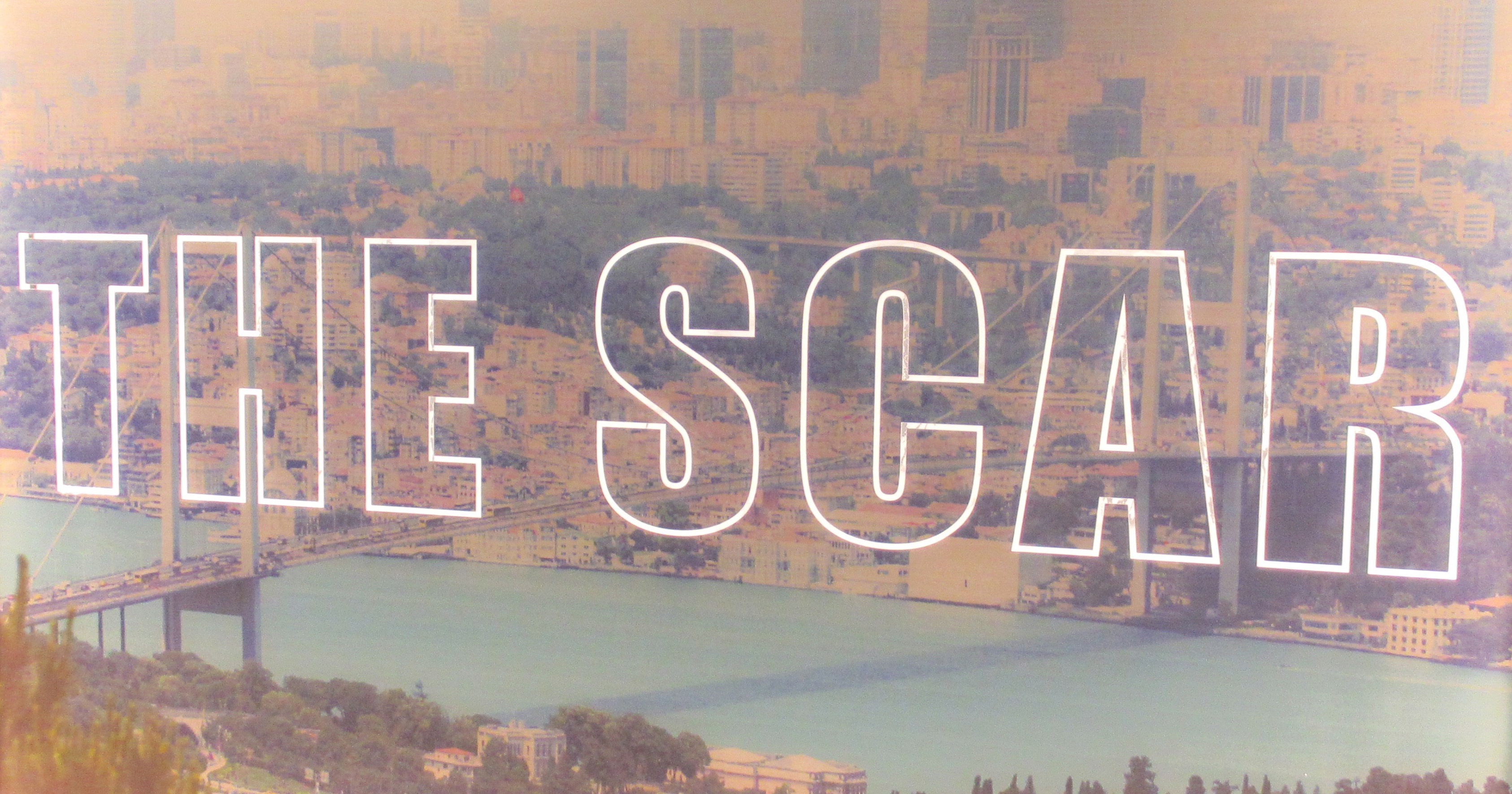
An examination of many facets of the production process, with reference to Butler & Mirza’s recent film The Scar (2018) and earlier moving image works including Non Places (1999). The talk will touch on the role of financial and creative collaborators in the works and the role of awards, institutional support and international co-supporters in facilitating new scales of working and enabling use of traditional film production processes. The panel will discuss the production journey in relation to the specificities of Butler & Mirza’s ways of working, in which a film may be one of many of a number of outputs as part of a body of research, and production includes the process of developing the fictional – telling stories that take real, political events into highly dramatic storytelling. It will also look at the relationship between the production and exhibition and distribution of a film that may operate across different platforms – the gallery, the cinema and site-specific locations.
Access to the Talks is free with the LOOP professional accreditation
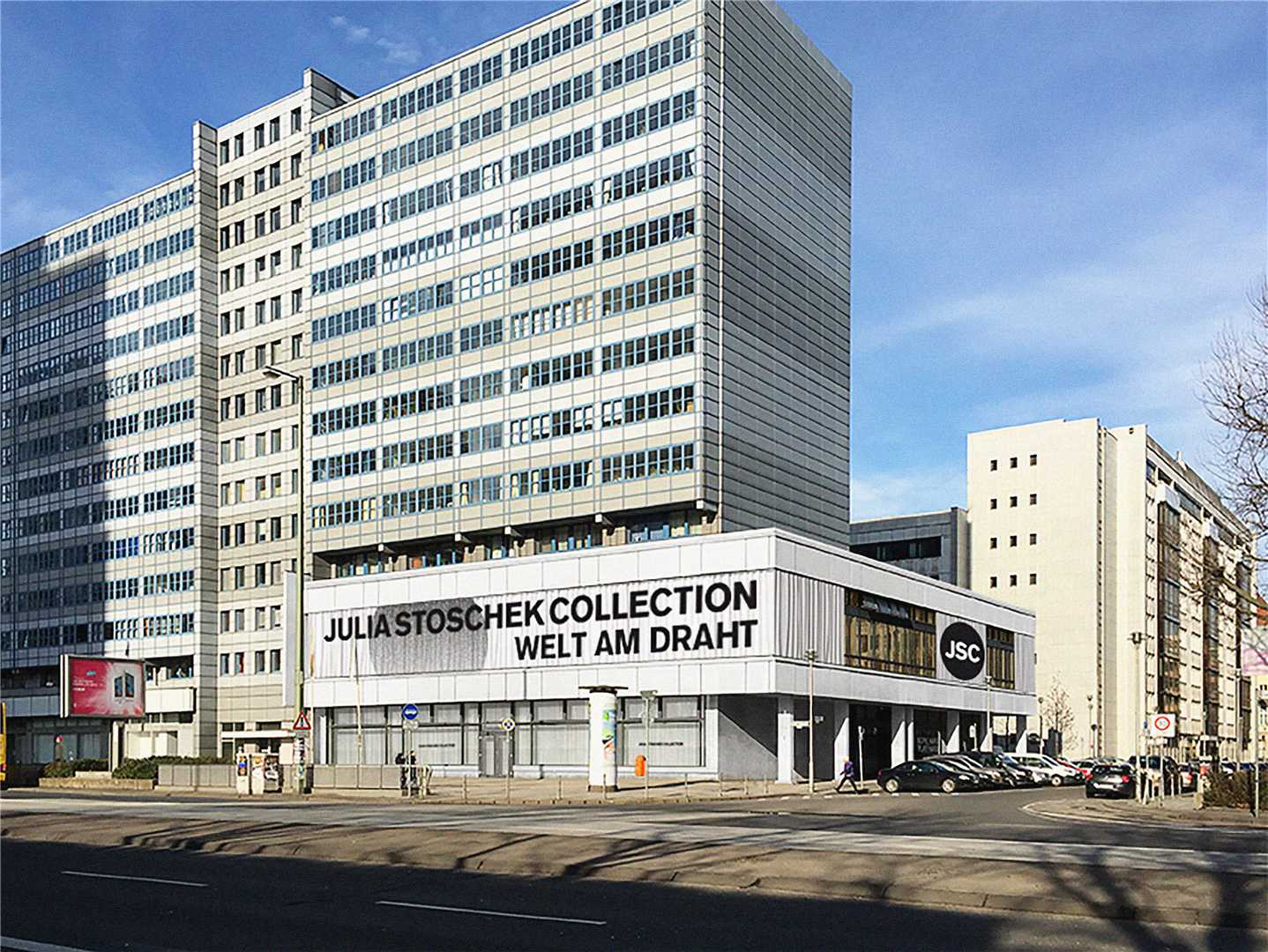
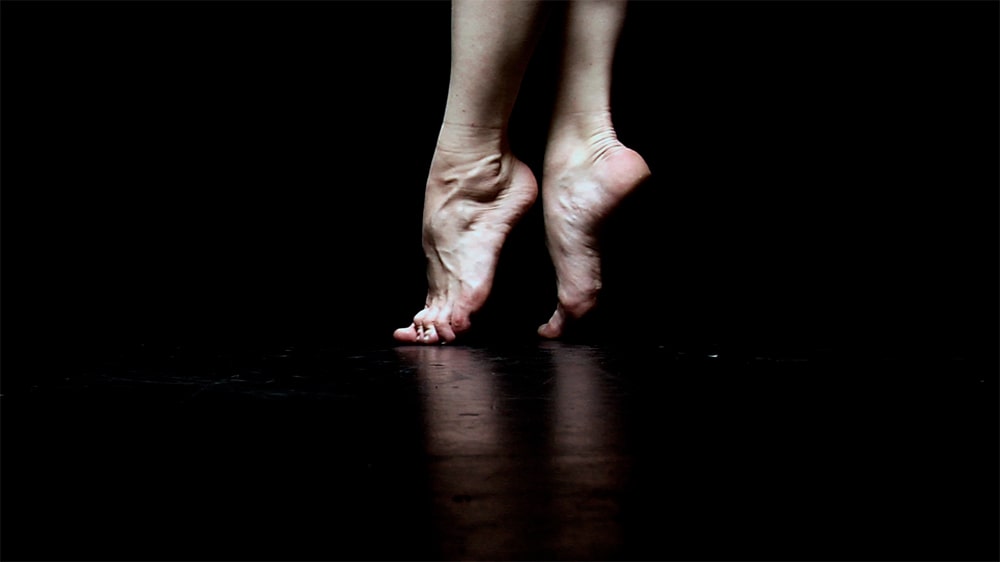
If production can be intended as another layer to curating, Horizontal Vertigo is certainly an exemplar project in this regard. Thought to be presented at the Julia Stoschek Collection in Düsseldorf and Berlin between March 2019 and April 2020, the programme comprises solo exhibitions of existing and new works, the presentation of performances and screenings, as well as talks by international artists and thinkers who embrace the complexities inherent to artistic production, representation and identity. While combining together parctitioners that variously explore feminist, queer and decolonial practices, Horizontal Vertigo then unfolds as a project where curiatorial practice can be understood as cultural production – or the curated circulation of cultural forms, practices, values, and shared understandings through art. Led by Lisa Long, the project is representative of the mission of the Julia Stocheck collection, one of the largest solely dedicated to time-based art and fully committed to set standars in the production, display and conservation processes.
Access to the Talks is free with the LOOP professional accreditation
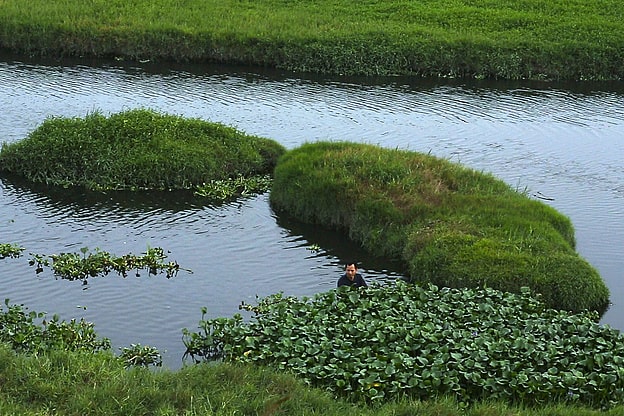
Formally launched in 2012 by Beatrice Bulgari, In Between Art Film is a film production company that explores the shifting boundaries between contemporary art, video art and cinema. In the context of its first collaboration with LOOP, In Between Art Film has presented a video selection featuring works by international artists that variously deal with domestic architecture and the urban space. Furthermore, the chosen videos offer an overview of contemporary moving image creation, while they present an aesthetics that is coherent with the films produced by In Between Art Film. At the presence of two of the artists involved in the exhibition, – the Italian duo MASBEDO and Hans Op de Beeck –, curator Paola Ugolini will then explore the concept behind the programme touching open the production company’s mission and activity.
Access to the Talks is free with the LOOP professional accreditation
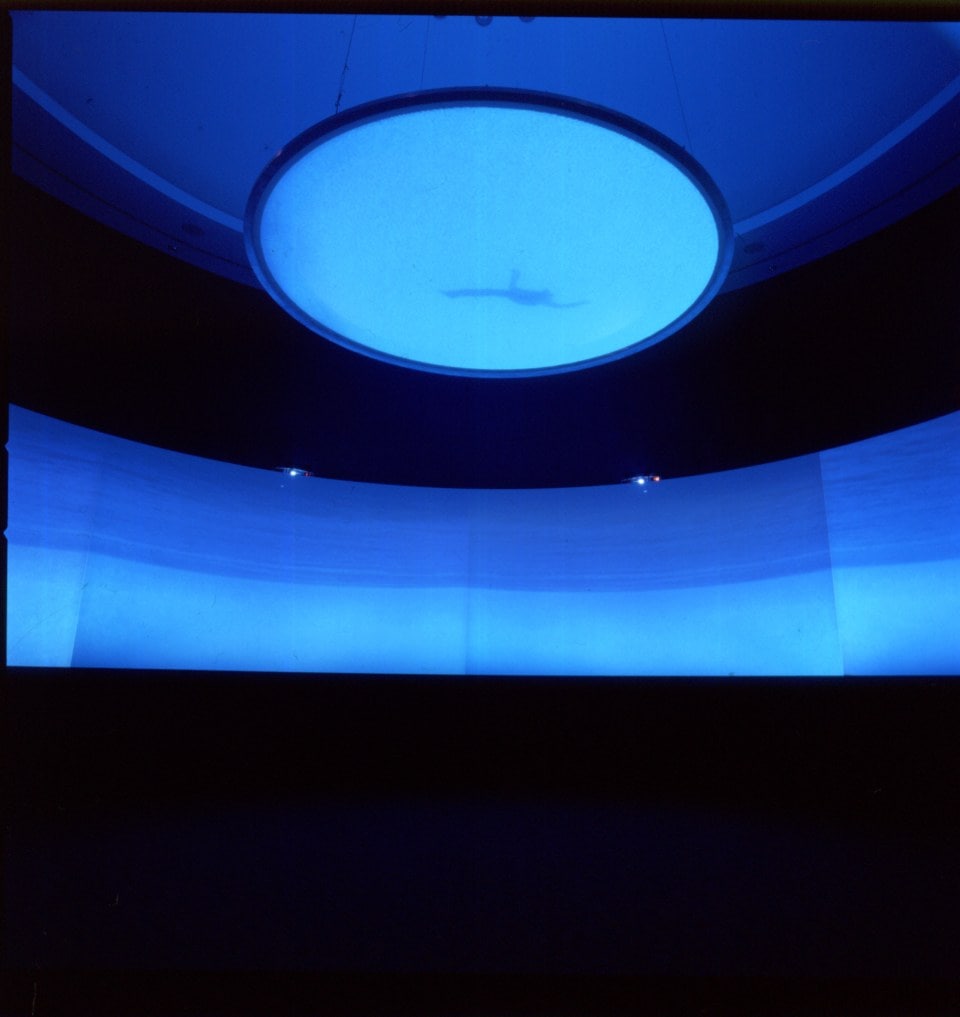
If we were to understand production as a dynamic process finalised to the creation of contents, we should take into consideration the cultural, financial, anthropological and historical factors inherent to it. In recent years, art production has come to be a hybrid practice, – or a more or less structured interaction between agents of different nature, all striving to achieve a common goal. In such a complex network determined by social and economic elements different every time, the interacting agents respond to very personal and specific motives that range from philanthropic endeavours to bold financial ambitions. Taking these considerations as a starting point, this talk will explore the production of artists films and videos today, while highlighting the peculiarities that characterise their temporal and processual nature. If the number of artists making films has tremendously increased in the last decade, the production costs of such ambitious creations often exceed the possibilities of an individual commissioner (be it a museum, a gallery or an art institution) thus presenting the need for structured modes of collaborative production. Artists, gallerists, collectors and curators all become potential contributors of a same project, in this way opening up the way for new systems of networked production.
Exemplar in this regard, and a case study in this talk, the project Measuring with a Bent Stick, promoted by the internationally operating platform Council and born out of the will to explore the impact of climate change worldwide. Through the collaboratively production of a series of films that reflect on the theme, the programme places the inquiry within the problematic surrounding of the production and distribution strategies of films at the crossroads between the art world and cinema.
Access to the Talks is free with the LOOP professional accreditation
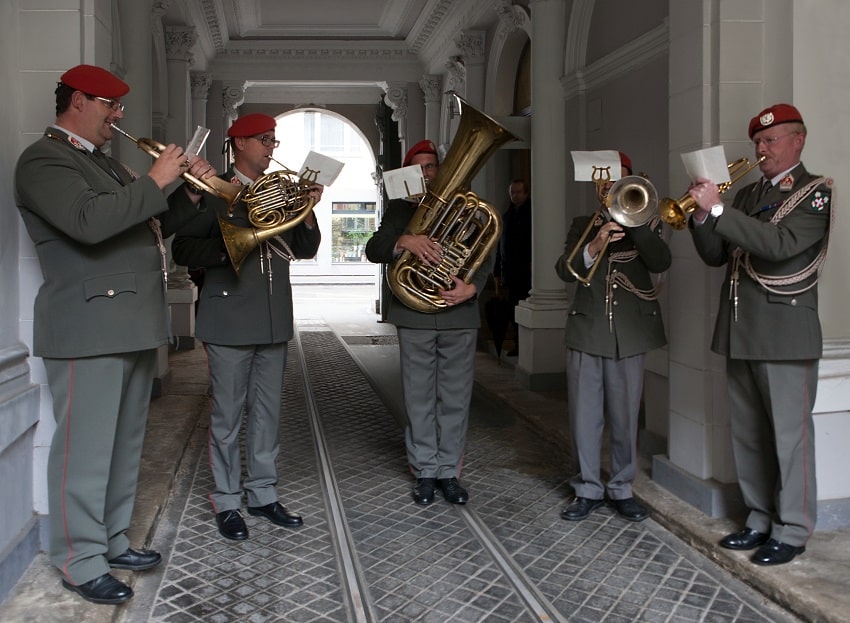
Both pioneering institutions dedicated to the promotion of contemporary art in its manifold manifestations, the Serpentine Galleries (London) and the Fondazione Sandretto Re Rebaudengo (Turin) share a longstanding relationship that dates back to their first joint production in 2001. Conceived as an immersive multi-channel installation specifically thought for the premises of the Serpentine Gallery, New Ocean by American artist Doug Aitken, thus, set the standards for a continuing and fruitful collaboration. In the context of this talk, Patrizia Sandretto Re Rebaudengo and Hans Ulrich Obrist will then review the joint endeavour of the institutions they lead towards contemporary creation, while specifically lingering on the production of artists’ films and videos and the challenges related to it. Ultimately, the conversation will explore the role of art institutions in the commission and creation of time-based work, outlining how and why it is increasingly becoming a collaborative task more than an individual initiative.
In its first collaboration with LOOP, the audio-visual production company Layers of Reality presents the development of Nascimento/Lovera’s ongoing project Archivo Nacional [“National Archive”]. Started in 1997 by the Caracas-based duo, the archive pursues the recuperation of fragments of both collective and individual memory through a series of interventions in the public space. Thanks to the support of Layers of Reality, at LOOP they will present a 360° video resulting from a site-specific action carried out in Barcelona last October.
Access to the Talks is free with the LOOP professional accreditation
Art film is undergoing a revolution. Artists are producing feature-length films that are genre-bending and format-defying. The cinema of Eric Baudelaire, Fiona Tan, Pierre Bismuth, Murakami Takahashi, Ra di Martino and many other speak a new film language that complicates our relation to the screen. But whose screen is it? Too unconventional for the festival circuit, too durational for the gallery, too audience-hungry for the elitist museum – this talk will assess the crisis in distribution and spectatorship of the new artists’ films. With historical expertise and artistic imagination the panel will project a future vision of a hybrid space and a new institutional framework.