Boliche Cinemes
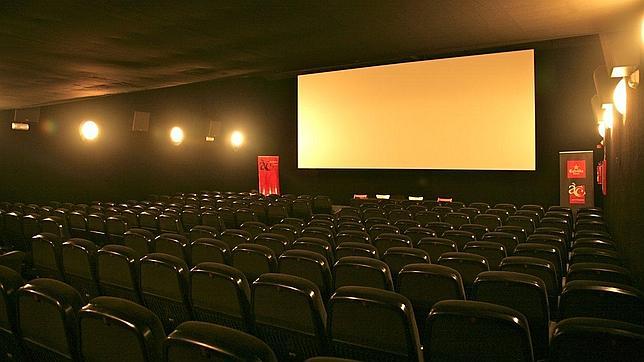
- Address
- Av. Diagonal, 508, 08006, Barcelona
- Phone
- +34932171929
- Website
- bolichecinemes.cat
- Map
- View map
As following this exploration of cinematic narratives and codes as a means to interpret reality, the Zumzeig hosts a selection of films by French born and based artists, set across Northern and Sub-Saharan African cities. While questioning past and present events or envisioning future scenarios, the works span issues related with ethnography, decolonisation, political exiles and upheavals, the exploitation of labour and the loss of memory.
In Dans ma tête un rond point (A Roundabout in my Head) the spectator is invited to go behind the scenes at a central Algiers abbatoir. A glimpse into the working lives of the male employees, Ferhani’s feature-length debut touches lightly on wider issues connected with the Arab Spring; and is thus sufficiently topical — as well as aesthetically distinctive.
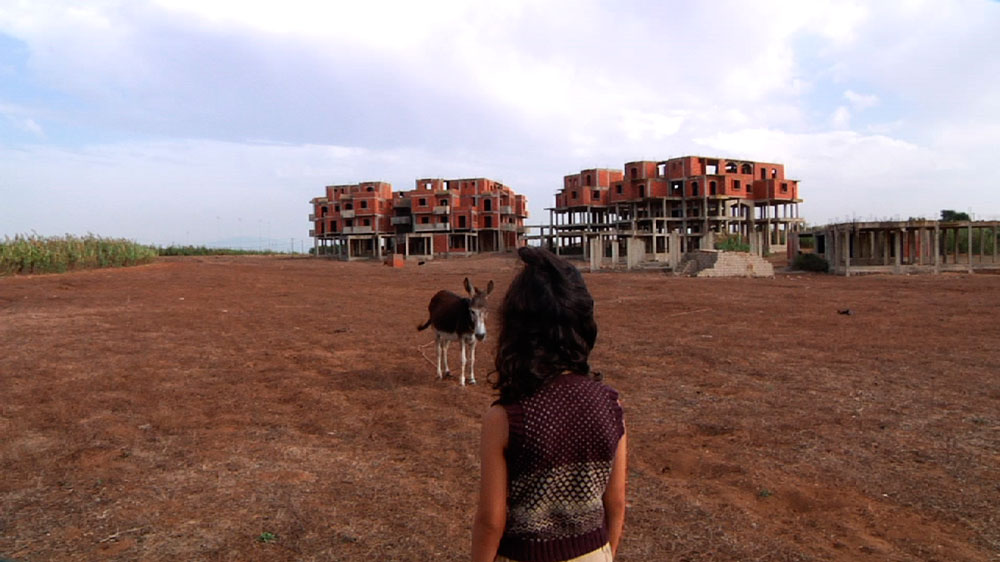
In Fièvre (Fever) a child perceives the presence of the ghost of a woman (a political exile returning to his homeland), on a night of fever in Morocco. While the history of decolonization and forgotten struggles resurfaces, the children and the ghost merge into a journey through space and time, in search for lost memories and past recollections.
In Psaume a small group of men seeks water and survival, in a part of Sub-Saharan Africa. The dusty villages they cross are inhabited only by mad and infirm, souls left behind by a war. In long sequence shots, the camera embraces the slow progress of the haggard figures, immersing us in a post-apocalyptic world that resembles a science fiction landscape as much as it does the setting of a modern African catastrophe.
*At the presence of the directors and the curators.
Accordingly, the cinema Boliche features works by Portuguese filmmaker João Pedro Rodrigues, that blur together documentary images and fictional accounts, cinematographic memories and personal recollections. The films result into a homage to the traditions of the artist’s home city (Lisbon) and hint to the history of his country.
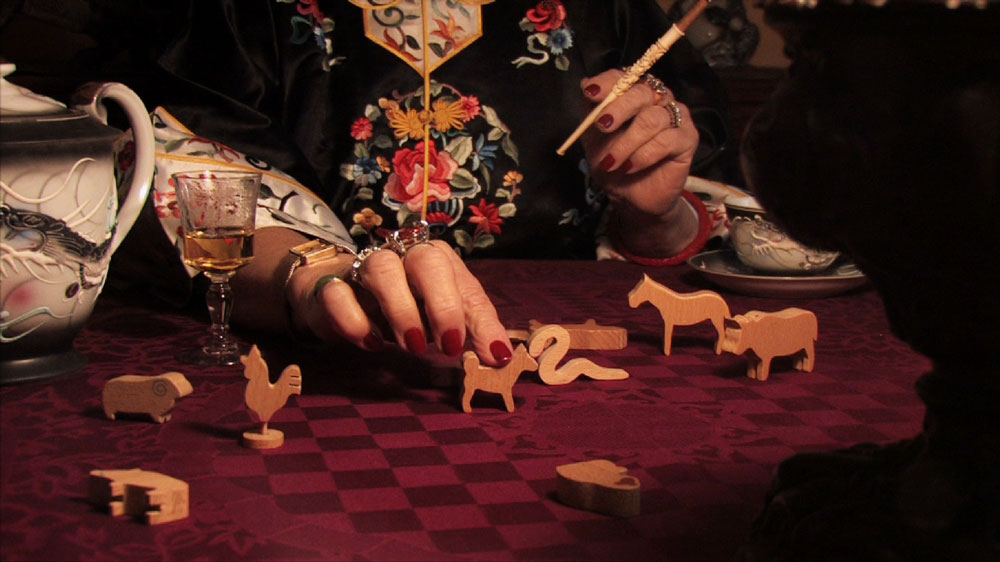
In Á Ultima Vez Que Vi Macau (The Last Time I Saw Macao) João Rui Guerra da Mata receives an unexpected call from Candy, an old friend who lives in Macao, which tells him that she has gotten into trouble together with the wrong man. Mata decides to travel to Las Vegas from the East in order to help her. But going to Macau, implies returning to the city of his childhood and the happiest years of his life. Within this search through the labyrinthine streets and tourist city, real facts are mixed with fiction and biographical memories are intervened upon with the film device.
In Mañha de Santo Antonio (The Morning of Saint Antoine), the director evokes the celebration of his country’s patron, during which lovers traditionally exchange pots of basil, paper-foldings and excerpts of poems.
*At the presence of the director and the curator.