CCCB. Centre de Cultura Contemporània de Barcelona
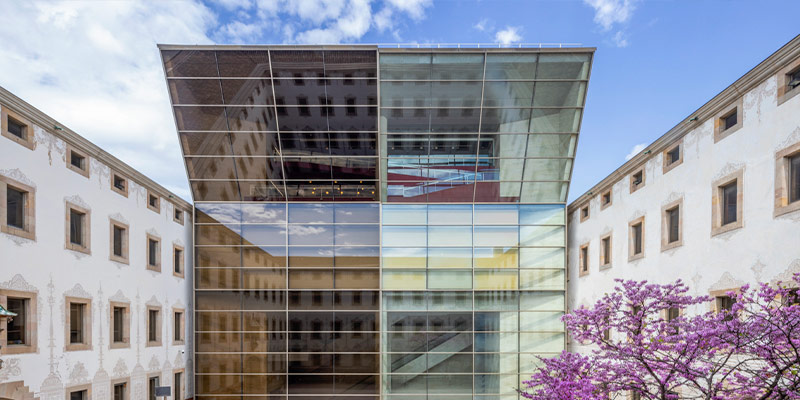
- Address
- Carrer de Montalegre, 5, 08001, Barcelona
- Phone
- +34933064100
- Website
- www.cccb.org
- Map
- View map
On Lines is a live audiovisual collaboration between Iraqi experimental musical Dania Shihab and Chilean filmmaker Carlos Vásquez Méndez, where they explore the concept of lines as a perceptual boundary and symbolic threshold. The collaboration explores the history of the line, how an imaginary landscape is composed not of objects or surfaces but of movements and stillness. A line as a conduit, a border, a path that we delineate as we navigate terrains and leave our indelible mark. A path which is traced by bodies and stories. Vásquez Méndez and Shihab explore landscape as a meshwork of interweaving trails along which life is lived, and conversely of lands which are limited by its borders.
Understanding the line as a score, or a form of notation and translation from the visual to the sonorous where directions, tendencies or predispositions are indicated, Vásquez Méndez threads a network of signs, drawings and lines of light inspired by the soundscape proposed by Shihab, establishing a conversation between two dissimilar languages (images and sounds) that, despite their differences, achieve a sensitive communication that converge right at the border, understanding this not only as a contour on each side, but also as a meeting point.
During the performance Shihab will be creating a live improvisational performance using various techniques such as granular synthesis, and field recording manipulation, time stretched sound and tape loop manipulation, to form a soundscape interpreting the visual work of Vásquez Méndez in real time, who who threads together different loops of film containing lines, horizons and paths that, as they are projected, superimpose layers of concepts and meanings that connect the aesthetic with the political, in a kind of discontinuous and intricate timeline.
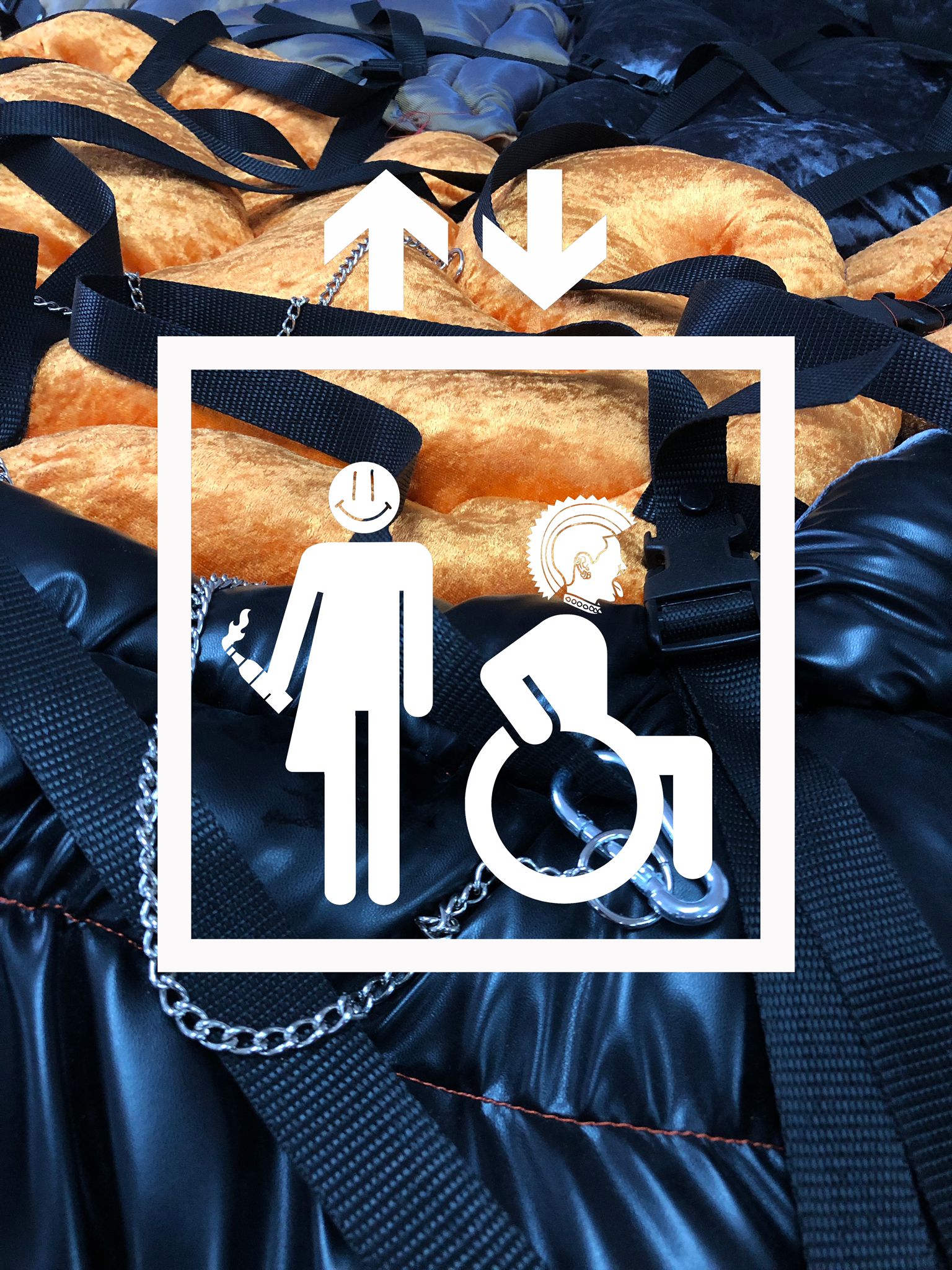
Accident, a new project by Barcelona artist Helena Vinent, is the last of the Espai 13 2024 exhibitions in the program We Will Keep Each Other Company When It Grows Dark, curated by Irina Mutt.
In their exhibition, Helena Vinent creates an experience that revolves around the tension between accessibility and a search for pleasure, where access to the museum’s spaces involves a negotiation that transforms the way we move through them.
Espai 13 becomes a space where crips* cease to be passive subjects and provoke an accident that aims to overturn the ableist paradigm.
scraping the page and the voice is a fragmented personal account combining image, text and sound to reflect on how memories of the landscape shift back and forth. It also explores how certain landscapes are represented, described or distorted from other places. This performance aims to become a journey—or more of a stroll—through a space that is at once territory, garden, park, forest, pond, land and also language.
Valentina Alvarado Matos is an artist who focuses on the moving image through the critical perspective of diasporas, landscapes and gestures. Her work has been showcased at leading film festivals, including the Pesaro Film Festival, Viennale, Los Angeles Filmforum and l’Alternativa, and she has been an artist-in-residence at Hangar, La Escocesa, The Liaison of Independent Filmmakers of Toronto and Matadero Madrid, among others.
A number of her films have been distributed by Light Cone and form part of the XCèntric archive. Her work also features in Cecilia Fajardo-Hill’s book Remains-Tomorrow: Themes in Contemporary Latin American Abstraction. In early 2024 she teamed up with Carlos Vásquez Méndez to put on the exhibition el otro aquí at La Capella and totalmente rostro, which serves as a counterpart to el otro aquí, at La Virreina Centre de la Imatge. She combines her artistic practice with teaching and has given classes and workshops at places such as La Massana, Universitat de Barcelona, Universidad del Zulia (Venezuela) and the International Film and Television School (EICTV, Cuba).
An indispensable feature in analog film laboratories is community, and it is through this network that flows information, knowledge and creativity. A very clear case of this is Sweet Seventeen, an expanded film piece about filming, coloring and blurring perception, which stems from the connection between Joyce Lainé and Lucie Leszez, two artists who inhabit two analog film laboratories, two universes who have shortened the miles between the Atelier MTK and l’Abominable to find themselves in the essence of the expanded, which is the direct one.

This programme is supported by a grant from Acción Cultural Española (AC/E).
Three lookes that converge on a common axis, analog film. Three of the more than 60 self-managed laboratories in existence around the world have many experiences that go through the management of space, common pro and Community processes, the management of teamwork, the exchange of knowledge and information, in areas where the particular materiality of things is an indispensable element, and all this is illuminated by the various artistic and aesthetic expressions that spring to mind in these very special contexts. Lichun Tseng from the lab Filmwerkplaats of Rotterdam, Joyce Lainé from the lab Atelier MTK of Grenoble, Lucie Leszez from the lab L’abominable de Paris share their gaze with Glória Vilches, coordinator of Xcentric.
Lichun Tseng of the lab Filmwerkplaats of Rotterdam, WORM-managed film laboratory. A workspace dedicated to the practice of analogue bricolage, aimed at artists interested in cinema as an expressive and physical medium. Filmwerkplaats is part of a wider network of artists-managed laboratories in Europe and functions as a center for new experiments and discussions around filmmaking. Our screening program covers a wide range of themes, showing works by members and guest filmmakers throughout the year. We believe in promoting the full potential of the medium, and we always seek to explore the possibilities of cinema as a performing and touching material.
Joyce Lainé of the lab Atelier MTK of Grenoble. ATELIER MTK, founded in 1992 by a group of filmmakers, is a handmade film laboratory equipped to work with 16 mm film. Dedicated to artistic training and development in the context of analogue cinema, with special interest in author work and in the inclusion of all elements of the process (camera, printing, film disclosure, montage, sound, projection) as parts of the creative development of film pieces.
Lucie Leszez del lab L’abominable de Paris. L’Abominable is a cinematographic laboratory operated by artists located near Paris since 1996. It is one of the most equipped laboratories with the ability to cover all processes and formats in the context of analogue cinema. With a careful look at the self-management of space by lx artists, thus encouraging the creative process to be the main element and to be able to expand freely into space.

Lichun, one of the founders of the self-managed laboratory Filmwerkplaats in Rotterdam, Joyce Lainé, the driving force behind the new generation of the Atelier MTK lab in Grenoble, and Lucie Leszez, member of the L’abominable lab in Paris, met in the Hall at l’Alternativa, along with Gloria Vilches, coordinator of Xcentric to share their experiences, their fragilities, and their satisfactions in the extensive journey of these three leading laboratories on the international expanded scene.
The proposal we put forward in our curatorial triangle between l’Alternativa Hall, Zumzeig, and Festival LOOP is made up of two live performances of Expanded Cinema, one of whom will be accompanied by musician Robert Kroos, a 16mm-piece visionary, and a conversation to exchange experiences.
Programme
16/11/2023, 18h
3 Laboratories, 3 Experiences, Multiple Perspectives (talk)
Participants: Lichun Tseng, Joyce Lainé and Lucie Leszez
Moderator: Glòria Vilches
16/11/2023, 20.30h
Lichun Tseng & Robert Kroos, Ebb and Flow (expanded cinema)
17/11/2023, 19h
L’Abominable, Filmwerkplaats, MTK, 3 Laboratories, 3 Experiences, Multiple Perspectives (screening)
17/11/2023, 20.30h
Joyce Lainé & Lucie Leszez, Sweet Seventeen (expanded cinema)
This programme is supported by a grant from Acción Cultural Española (AC/E).
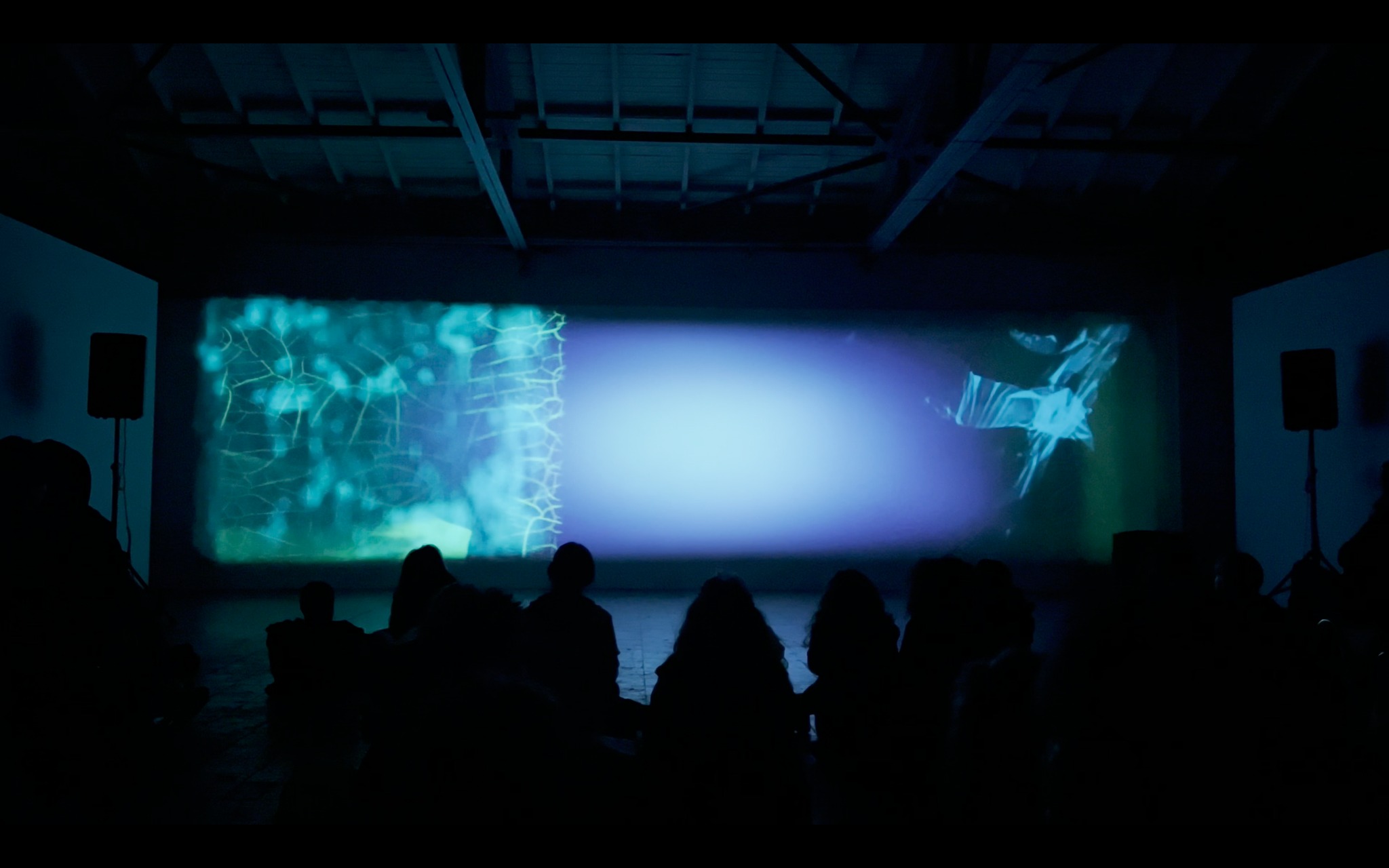
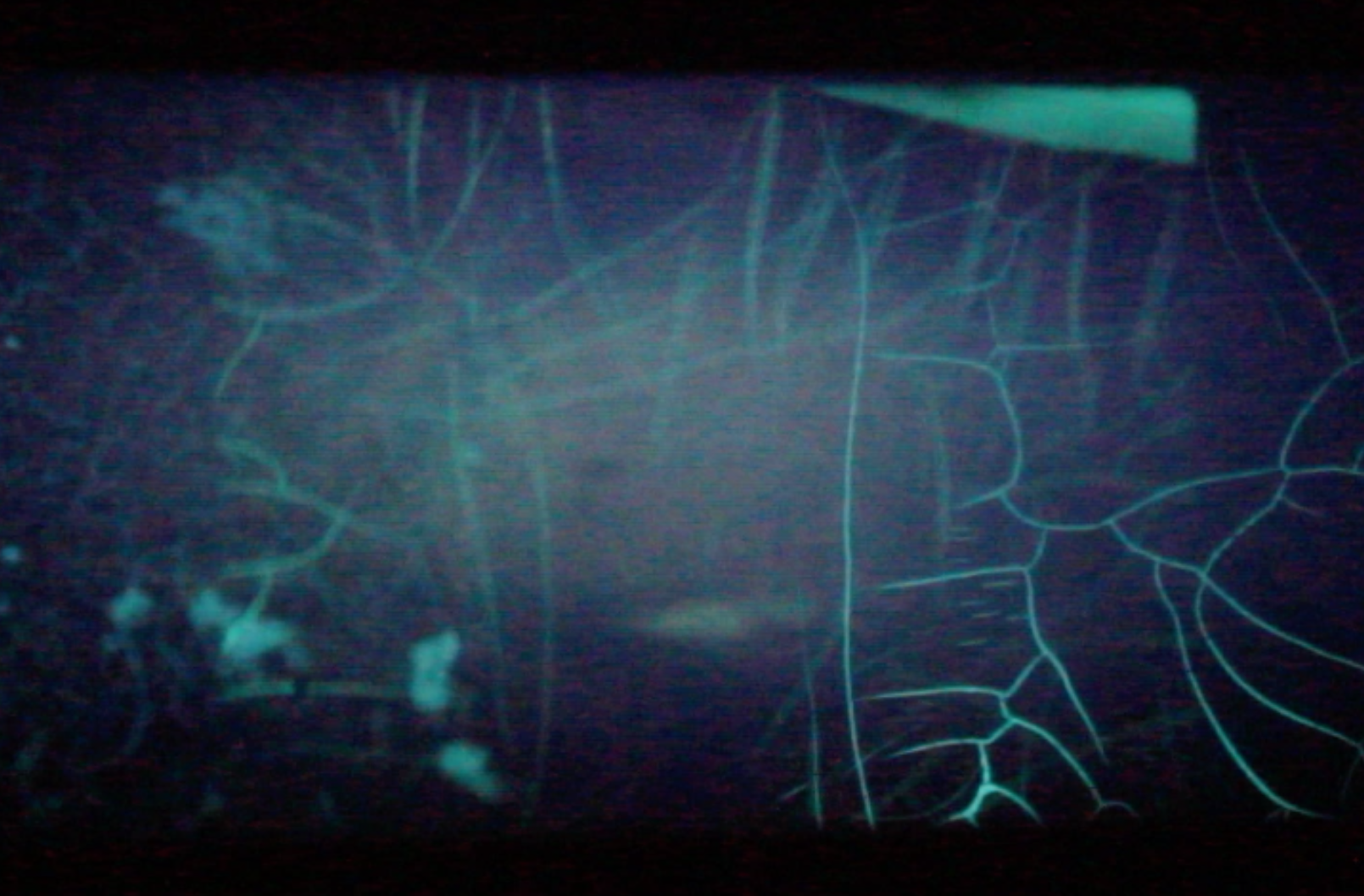
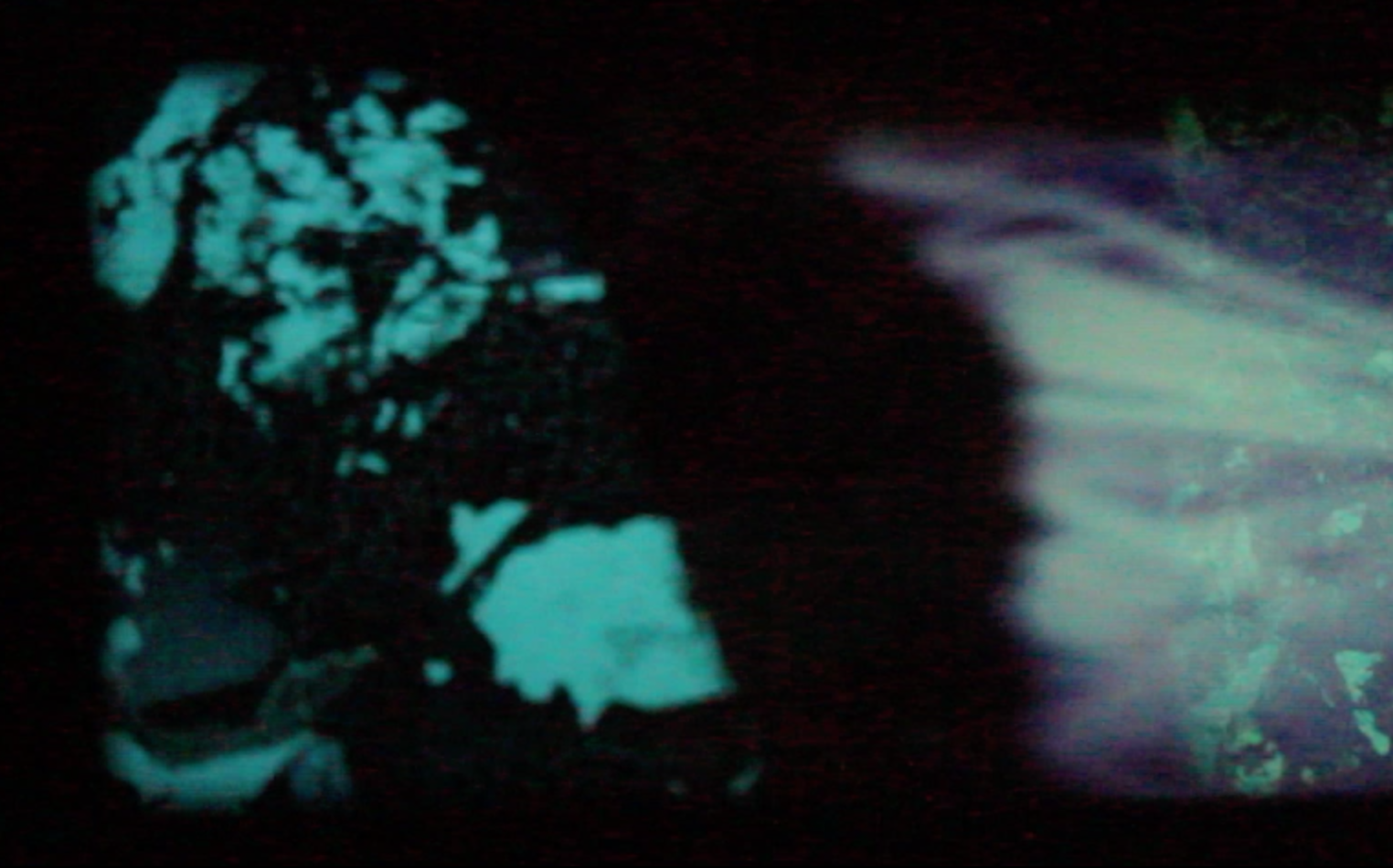
Ebb and Flow is inspired by the I-Ching, the book of change, Chapter 42 – Yi (Increase). Yi is a message about expansion and fullness. It is simply another cycle of life as it flowers, decays, and achieves rebirth. Ebb and flow, darkness and light, life and death… ‘What is’ springs from ‘what is not. Lichun and Robert use 16mm film projectors and analog generated waveforms to create an immersive, trance-inducing journey. Through layering, constructing, and deconstructing visual and auditory textures they strive for a sense transcending experience where the spectator is no longer consciously watching nor listening. Just being.
This programme is supported by a grant from Acción Cultural Española (AC/E).
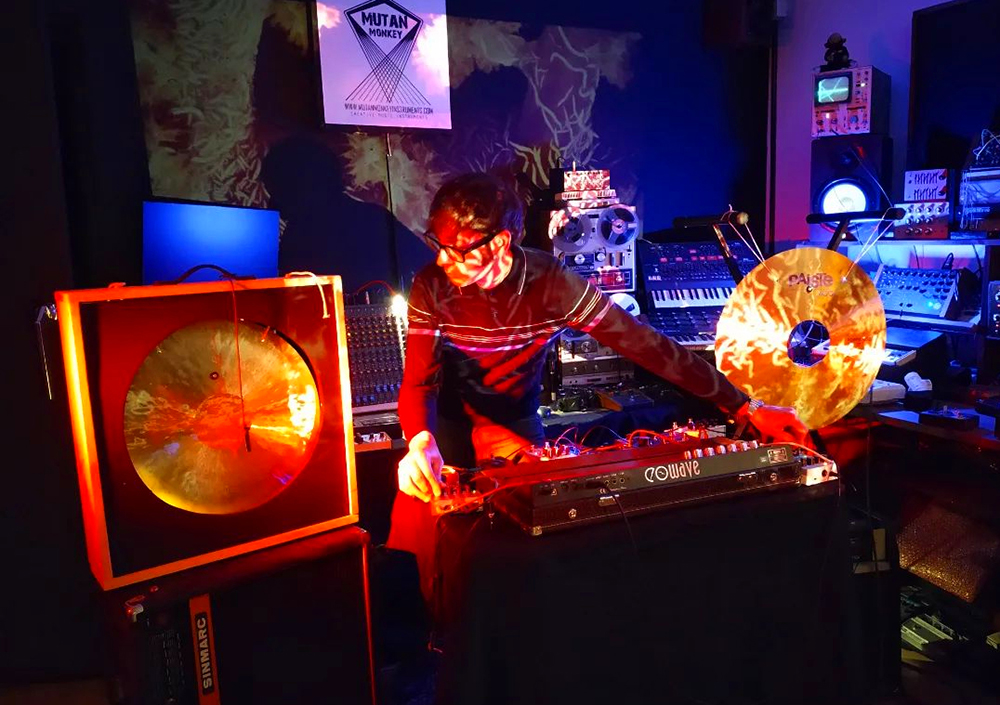
A sum of abstract visual and sound fields create an aesthetic experience based on the materiality of celluloid and wave oscillations in various media. Diffractions of sunlight in water and the synthesis of color-light, join a hypnotic and enveloping sound to bring this abstract piece of poetic and intriguing passages to a particular way of perceiving cinema.
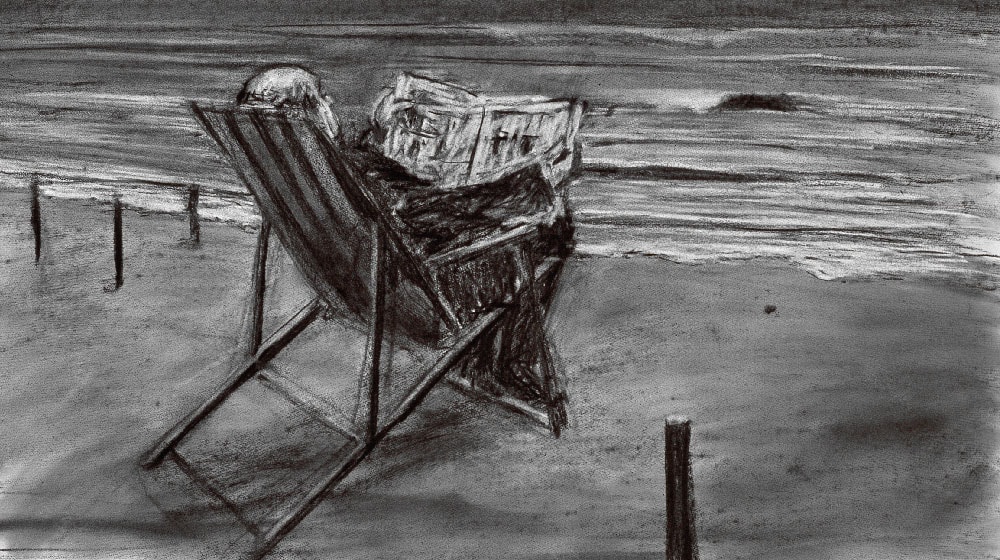
The exhibition presents for the first time the complete series of 11 animated films, Drawings for Projection, which the artist began in 1989, marking his international breakthrough in the art world. Kentridge completed City Deep, the eleventh film in the project, during confinement, and it can be seen for the first time in Europe in the CCCB’s show.
The 11 short films in the series are a critical chronicle of South African history from Apartheid to the present. Drawings for Projection are made with a laborious artisanal animation technique. Kentridge creates charcoal and pastel drawings that he modifies by erasing, redrawing and reworking the elements. He films each stage of the process and modifies it continuously, sometimes leaving “ghostly remnants” of the previous marks on the sheet. In this way, he visualizes the passage of time and the stratification of memory, one of the main themes of his work.
More Sweetly Play the Dance, an audiovisual moving frieze
Another of the most representative works of William Kentridge’s art and creative process on show in the exhibition is More Sweetly Play the Dance, a spectacular almost 40-metre-long moving frieze on eight screens, evoking the dynamics of a ritual procession, a demonstration of the dispossessed, a flow of refugees escaping a crisis or a medieval danse macabre.
The piece is one of the most striking manifestations of the more collective, choreographic side of Kentridge’s oeuvre, a work that blurs the boundaries between artistic installation and performing arts, where the different languages deployed by the artist are organically and hypnotically combined. It will be in Room 2 at the CCCB until 17 January. Thereafter, it will be shown in the PLANTA space of the Fundació Sorigué, near Balaguer.
The creative world of Kentridge in drawings and large-format tapestries
The exhibition “William Kentridge. That Which Is Not Drawn” also includes seven drawings on paper that record the laborious creative process of the films in Drawings for Projection and a selection of nine large-format tapestries, which the artist produces in collaboration with the Stephens Tapestry Studio in Johannesburg, a local workshop that employs women in the area.
The tapestries feature dark silhouettes, recognisable figures that appear throughout Kentridge’s work. They show images of people carrying loads (refugees, demonstrators, pilgrims), for the author symbolizing the crises, wars and problems that plague South Africa and the rest of the world.
The exhibition presents for the first time the complete series of 11 animated films, Drawings for Projection, which the artist began in 1989, marking his international breakthrough in the art world. Kentridge completed City Deep, the eleventh film in the project, during confinement, and it can be seen for the first time in Europe in the CCCB’s show.
The 11 short films in the series are a critical chronicle of South African history from Apartheid to the present. Drawings for Projection are made with a laborious artisanal animation technique. Kentridge creates charcoal and pastel drawings that he modifies by erasing, redrawing and reworking the elements. He films each stage of the process and modifies it continuously, sometimes leaving “ghostly remnants” of the previous marks on the sheet. In this way, he visualizes the passage of time and the stratification of memory, one of the main themes of his work.
Space for reflection on power and the margins of exclusion
With this exhibition, the CCCB aims not just to explore the work and the artistic career of an important creator, but to reflect on the challenges of postcolonialism and the dialectic between power, margins and exclusion today.
William Kentridge’s creations refer to his hometown, Johannesburg, to the history of South Africa and to Apartheid, but above all they touch on universal issues: the nature of human relations, memory, domination, guilt and dissection of power.
“William Kentridge. That Which Is Not Drawn” is an extended adaptation of the exhibitions “William Kentridge – If We Ever Get to Heaven” (2015) and “William Kentridge: Ten Drawings for Projection” (2019), devised and presented at the Eye Filmmuseum (Amsterdam) and curated by Jaap Guldemond, with the collaboration of Marente Bloemheuvel.
What would have happened if it had been a woman to first land on the moon? This question triggered Aleksandra Mir’s iconic performance in the summer of 1999, when she set off to re-enact the legendary moon landing on a Dutch beach of lunar resemblance, with a group of women and a very limited budget. Taking place on the 30th anniversary of Neil Armstrong first walk on the moon, since its representation the performance has been widely shown in its documentary video format, a counter-narrative to the mediated reality on space exploration at the sole preserve of men. As a roughly edited soundtrack mingles a typical ‘sci-fi’ music theme with fragments of the conversations between President Nixon and astronauts Armstrong and Aldrin, First Woman on the Moon stands as a powerful feminist manifesto and a claim for gender equality that is till cogent today.
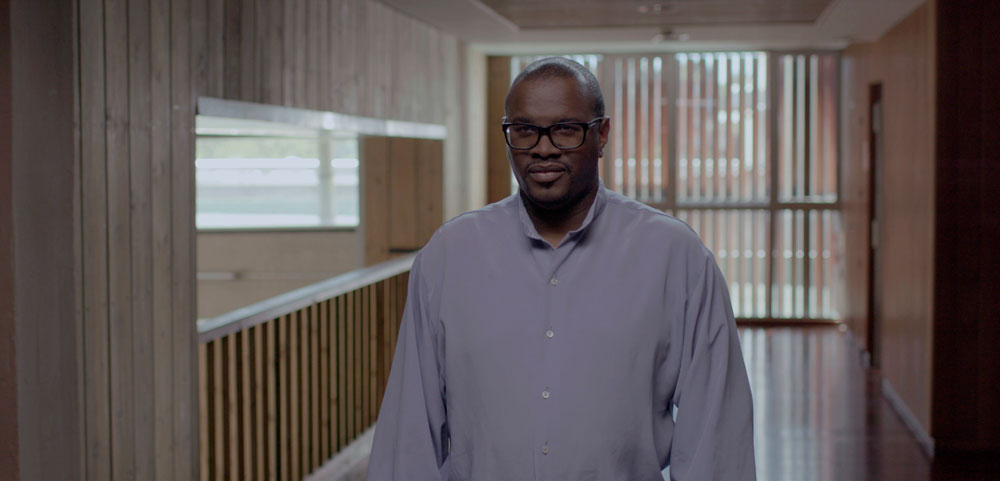
Wonders by Carles Congost was the winning proposal of the second edition of the Videocreation Prize promoted by LOOP Barcelona, the Xarxa de Centres d’Arts Visuals de Catalunya and Arts Santa Mònica.
What would the history of music be without “one-hit wonders”? The intermittent success and silence at the media, the managing of memories and the emotional power of melancholy are good reasons to love these songs and groups that created them.
Carles Congost, author of Wonders (2016), in conversation with Eloy Fernández Prota, professor, writer and co-author of the script, on the working process of the new film by the artist.
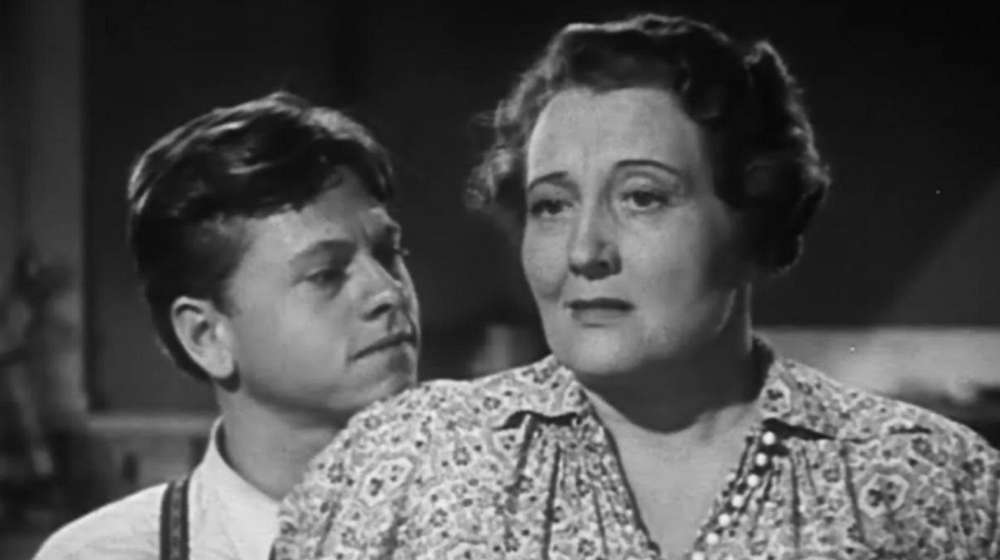
Martin Arnold (Vienna, 1959) deconstructs scenes from classic Hollywood films into small fragments that he slows down and repeats frenetically. The result is a series of loops that disrupt the continuity of the original material and strip it of its narrative meaning. As a result of this radical process of alienation and denaturalization of the relation between sound and image, the scene becomes a Dadaistic gag in which the characters’ actions acquire surprising new meanings. In this way, the family breakfast scene that Arnold deconstructs in ‘Passage à l’acte’ (1993) becomes a violent exchange of blows and monosyllables between the film’s characters. Similarly, in Alone. ‘Life Wastes Andy Hardy’ (1998), the sequence of a son kissing his mother suddenly seems like something quite different, conveying a quite distinct type of affection to that of a mother-son relationship.
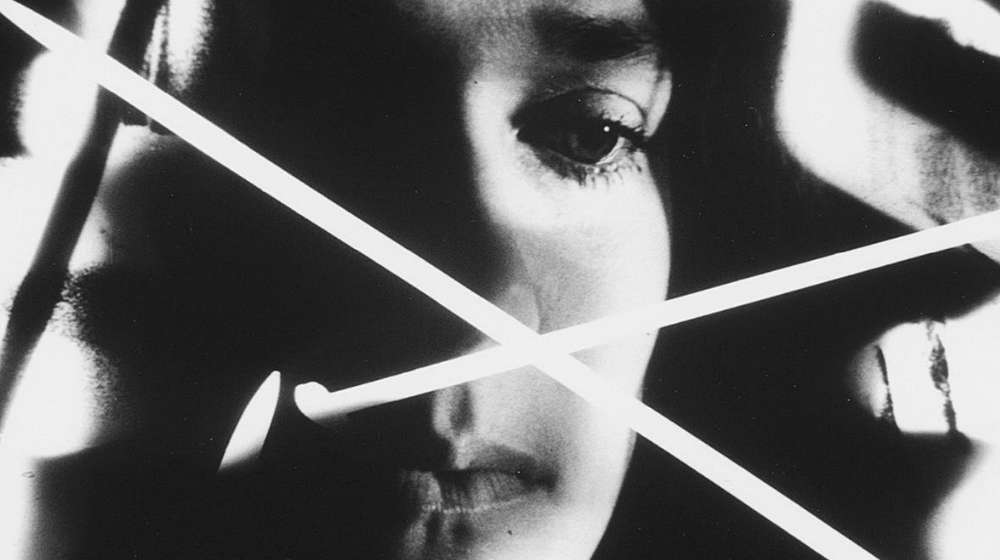
You might say that while Arnold brings an experimental approach to the comic gag, Peter Tscherkassky (Vienna, 1958) does the same thing with sequences of suspense, horror and violence. In Outer Space (1999), for example, Tscherkassky manipulates scenes from the horror film The Entity (1982) to heighten the uneasy atmosphere of this story about a paranormal being that sexually abuses the protagonist. Tscherkassky’s methodology consists in a direct intervention in the mechanics of the cinema. Here, it is not so much the sounds and images as the filmic supports themselves (the film and the soundtrack) that are subjected to a traumatic alteration which radically modifies their continuity. Technical subversion allows new meanings to break free from inside the original images and sounds.
In this masterclass, Tscherkassky and Eve Heller (1961) bring together their respective creations and their ways of seeing the audiovisual unconscious.
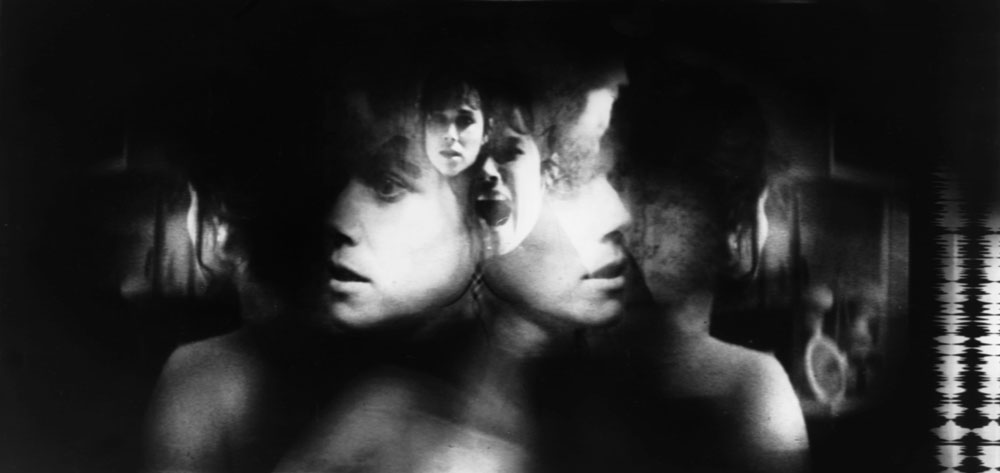
Martin Arnold and Peter Tscherkassky are two of the foremost representatives of Austrian experimental cinema. Despite the differences between their working methodologies and the way they use found footage, both Arnold and Tscherkassky seem to want to reveal a whole series of meanings hidden within the audiovisual continuum; things which, somehow, were already there, but which can only be extracted and displayed by means of a process of alteration, aggression and alienation of cinematographic narratives and techniques. This layer of concealed meaning that seems to emerge from the depths of dreams and original images is what we call the ‘audiovisual unconscious’.
Programme
– Passage à l’acte, Martin Arnold, 1993
– Alone. Life Wastes Andy Hardy, Martin Arnold, 1998
– Outer Space, Peter Tscherkassky, 1999
– Instructions for a Light & Sound Machine, Peter Tscherkassky, 2005
DCP screening. Presentation by the filmmakers followed by a debate with the public.
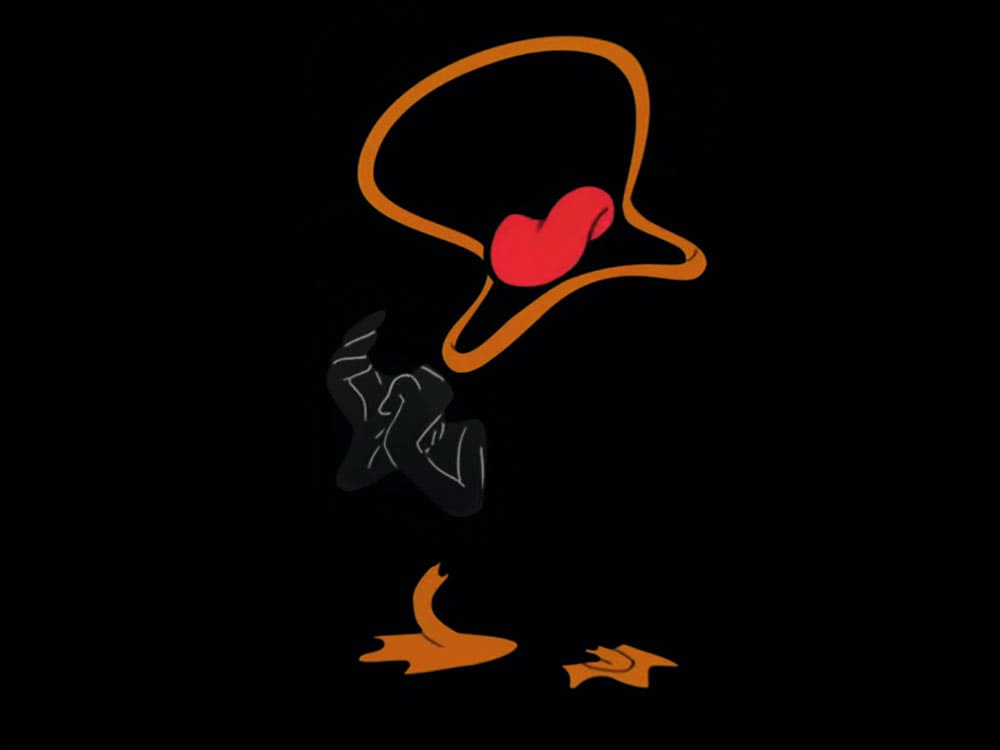
Using a similar principle to that of his films, in the installation, ‘Members Only’, Arnold proposes an experimental review of the gag. In this case, however, the audiovisual material is provided not by black and white Hollywood films but by cartoons. Thanks to his manipulation, the innocence of the images is replaced by a succession of histrionic and violent actions. The characters are fragmented and mutilated, set against a completely black background. Hands that twist, tongues that move, mouths that articulate meaningless words… Here, the harmless original scenes are transformed into creepy or disturbing phantasmagorias, full of frustration and aggressiveness, which, in some cases, also contain a disconcerting erotic urge.
“Pantalla CCCB, a month, an artist” is presented as an audiovisual exhibition space in our building and, at the same time, a screen on our website: a space for contemplation, a window on the work of these creators, for discovery, knowledge and enjoyment.
Curator Anna Dot proposes the presentation of Inversió d’un pla by Job Ramos (Olot, 1974) in May, and Louis Garrel by Irene Solà (Malla, 1990) in June, respectively. Both works deal with the presence of cinema in everyday life; a presence that acts like a force influencing the perception of what surrounds the artist and of which the artwork becomes a reflection.
Programme
May : Job Ramos, Inversió d’un pla, 2009
June : Irene Solà, Louis Garrel, 2015
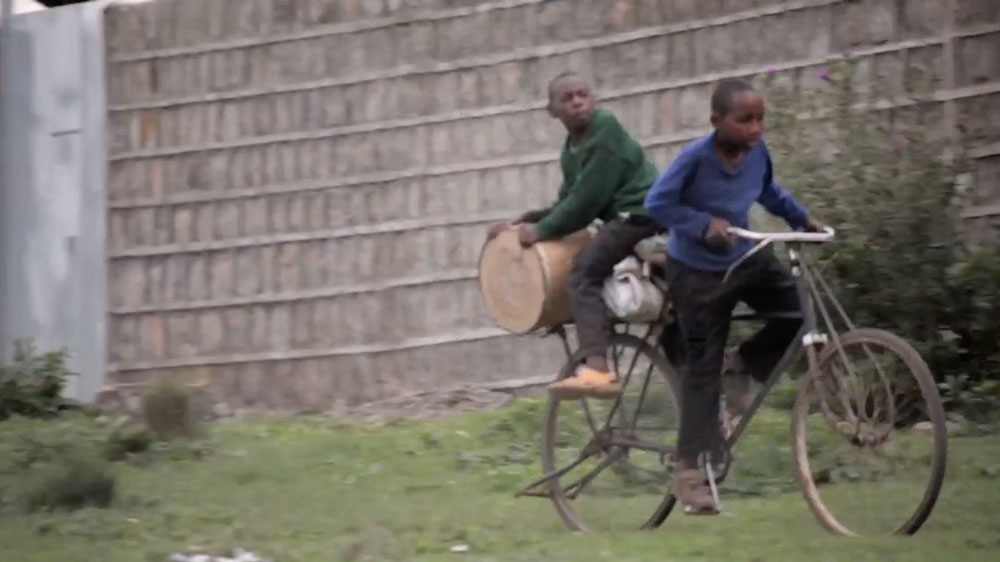
Nick-named Black Mamba, the bicycle has achieved iconic status as an affordable vehicle and a popular method of transport for the Kenyan population. However, as modernisation spreads through the African continent, the Black Mamba is increasingly being replaced by inexpensive Chinese manufactured scooters and motorcycles. Filmed on a flower farm near Mount Kenya, the video shows local cyclists who still use this traditional mode of transportation. This older generation praises the Black Mamba for its reliability and health benefits, claiming that the bicycle’s replacements, scooters and motorcycles, ‘bring sickness and death’. In this film, Kabiru consciously acts as the devil’s advocate, arguing that the Black Mamba will, unfortunately, be replaced and will no longer be seen on Kenyan roads. The End of the Black Mamba I, Cyrus Kabiru not only documents a social and historical occurrence, but also creates a dialogue between his own life story and childhood, and the thriving and changing African city in which he now lives.
Cyrus Kabiru is a self-taught emerging Kenyan artist, best known for his elaborate and detailed sculptural spectacles or “C-Stunners”, made from found objects and recycled material sourced on the streets of Nairobi. A confident and individualistic artist, Kabiru is eloquent and forthright in explaining his practice and resolve to follow his own path. These ‘Afrodazzled’ spectacular bifocals are entirely his own invention and are intimately linked to his life-story.