Centre Excursionista de Catalunya
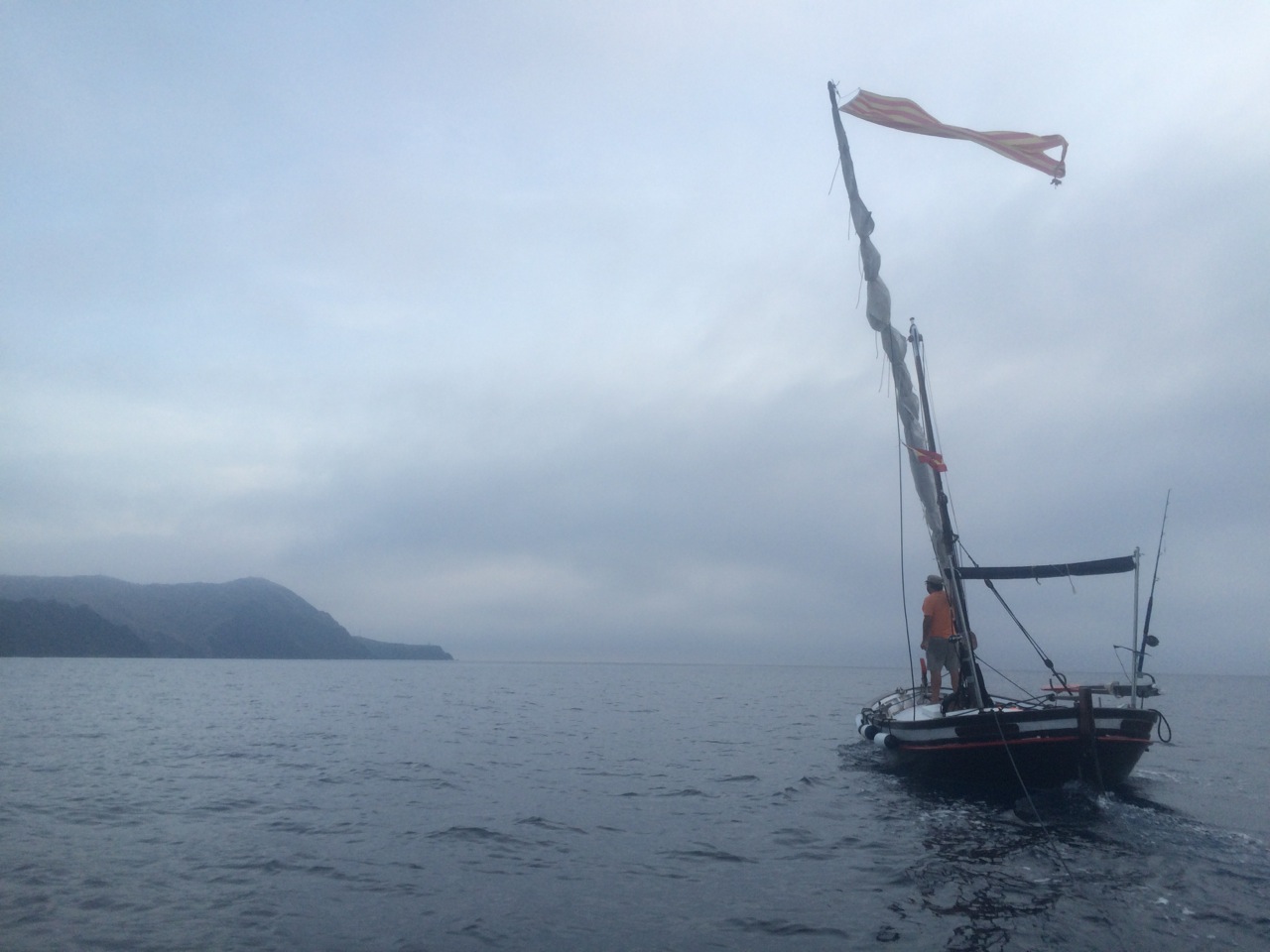
The artist Enric Farrés Duran — originally from Palafrugell and a descendant of Josep Pla — attempts to recreate the maritime journey that the writer narrated in Un viatge frustrat (1918), but this time ensuring a successful arrival. To avoid repeating the failure, Farrés Duran designs a navigation system that offers high chances of success: his small boat will be towed at all times by a larger boat, equipped with sails and an engine, and crewed by a renowned collector. On the 22nd of November 2024, the artist will present the film together with director Miguel Ángel Blanca.
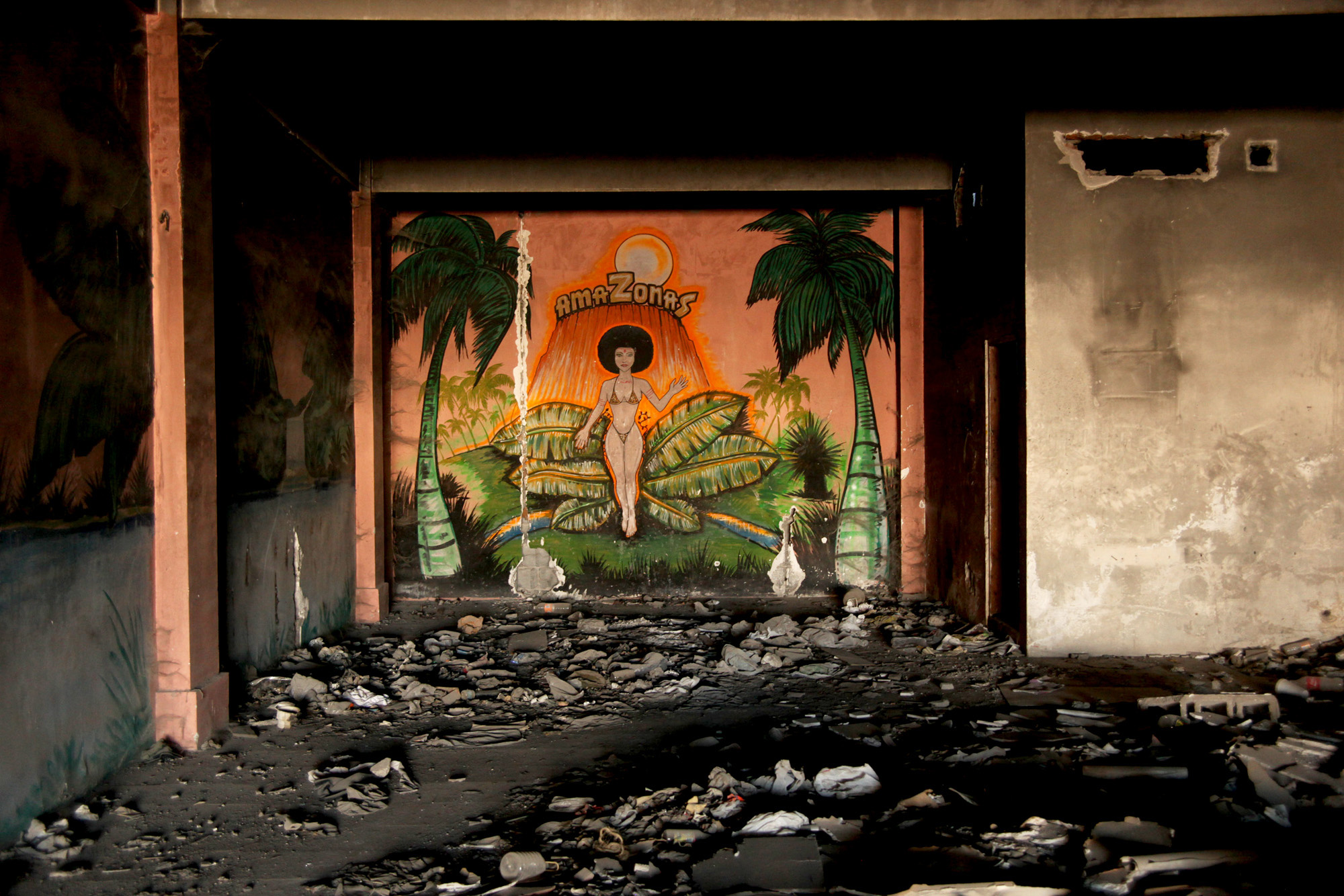
Video using photographs of the disappeared women documented by Mayra Martell. She has spent over 17 years creating various visual records in her hometown, one of the world’s most violent border regions, which is no stranger to the spotlight due to the numerous cases of femicide since the 1990s.
She has documented 172 cases of missing women in Ciudad Juárez. The series El acto de estrañar to which the video belongs, records the places these women/girls frequented and the personal possessions they possessed before their disappearance.
Martell is actively working on creating a book that compiles all the cases, including those the police have been reluctant to officially record. These cases are not documented anywhere else; this publication will serve as the exclusive space for remembering these missing women.
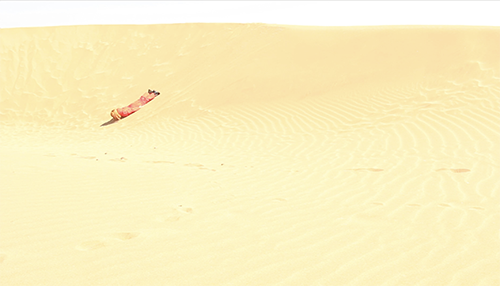
Curious. Disoriented, but present. Actively here. They say that time dictates behaviours, that a place and time determine our relationships. For my part, I think about a time that is always intermediate between something, that is never closed, but rather, which is a hidden closure that gives rise to an accumulation of experiences, of reverberations that come into play.
I also think of an ant which enters someone’s backpack by mistake and suddenly winds up somewhere else, with no earth, far from its anthill, searching and searching along the kitchen floor, guided by its antennae, almost blind and navigating by feel alone. Is this how I would inhabit my time on another planet? Led by my body, by my antennae?
The “Marcial” (Martial) project explores our desire for a possible future. Speculating on the migratory possibility before a world we have injured, Matilde Amigo wondered at recent research on the planet Mars as an inhabitable place. Starting from this premise, the artist launched a “Training programme to inhabit Mars” to learn how to live and form affective bonds on other worlds.
In Believe II, the artist appears to us in an ethereal space whose time and place are unknown to us. Placing the body at the centre, her practice is developed in a dialectic action with the environment, initiating a series of specific gestures and relationships with the singularity of space. Without following a previous choreography, the body appears as an agent of the present.
What relationships will we reproduce in the future? How does our system of individual and collective beliefs contribute to create imaginary worlds and desires? Can we cast doubt on our own beliefs?
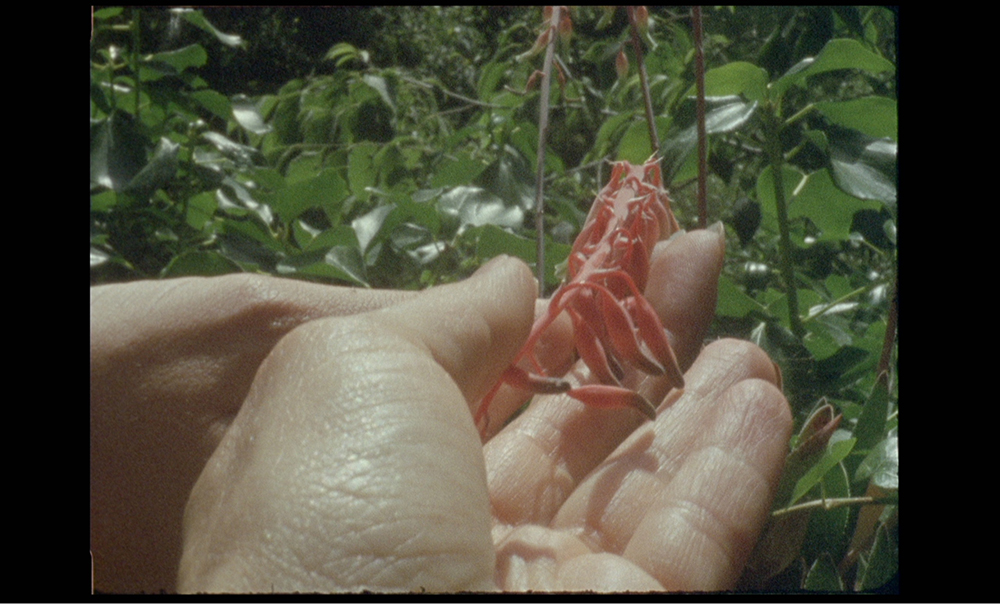
A translation of a meeting that thinks carefully. You read between the lines, you look into his eyes, he listens intently to the crunch of the surroundings. A sketch, from the most mundane, of a meeting, physical, reflective, symbiotic and situated.
A passage of pages as versions of stories that are contained in their simplicity, in their duration and continuity. A space to become what is suggested in each step. An acceptance of the proposal of subjectivity, updating over and over again the way in which what is presented to us is received, updating each gesture and its pulse, in the fabric of string figures. Recognizing us in the condition of intertwined trail walkers.
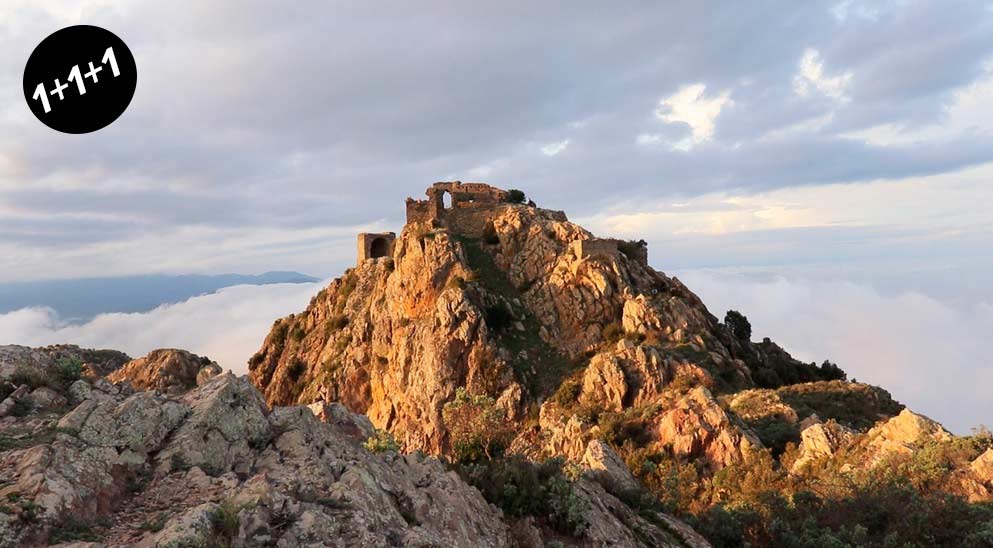
The village Vall de Santa Creu is crossed by many paths that allow us to cross the mountains of Rodes from a side to the other quite easily. With all this in mind, They come from afar is a walk initats at Palau Saverdera with destination to Vall de Santa Creu.
The route pass across many points that evidence the antiquity of these paths such as the group of dolmens of Fontasia, Sant Onofre church, Mas Ventós, Santa Helena church, Sant Pere de Rodes monastery and the stone huds that can be found around Coll Perer.
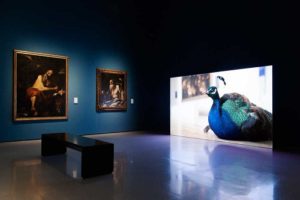
For centuries humans have been using these paths, crossing the mountains in all directions. But it’s been not only us. Also the birds cross them through their paths in the sky. This video piece begins from an initial parallelism between land and air routes.