Museo Tàpies
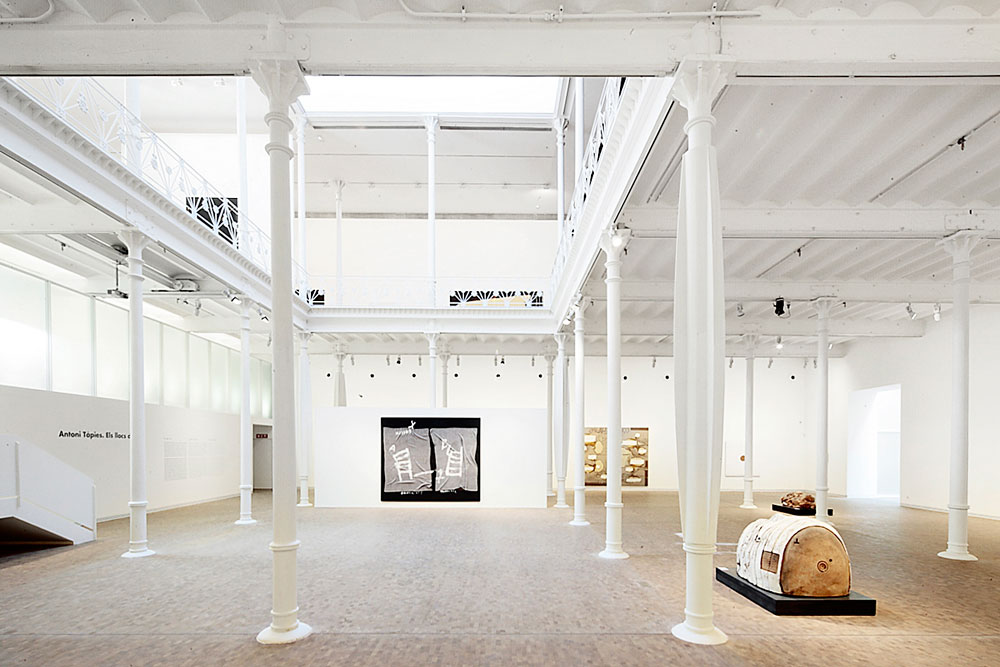
- Address
- Carrer d'Aragó, 255, 08007, Barcelona
- Phone
- +34934870315
- Website
- www.fundaciotapies.org
- Map
- View map
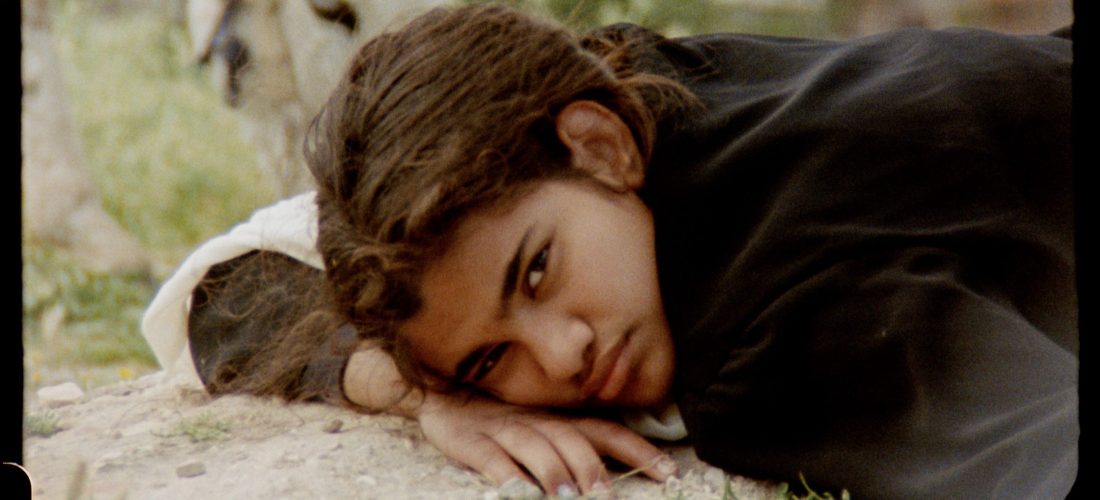
In A Night We Held Between Noor Abed integrates many of the characteristics of her artistic practice: movement and choreography are the guiding thread to delve into the systems of domination and power structures while working on the concept of archive and memory through the land. A Night We Held Between becomes a framework for new narratives of Palestinian reality based on the intersection between history and myth.
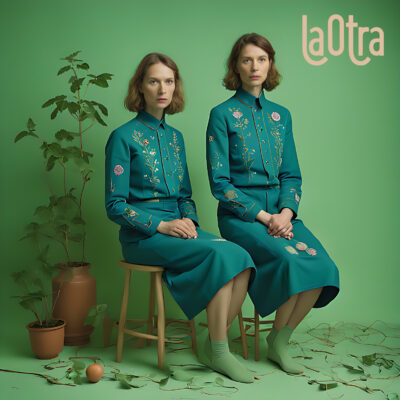
In this activity, the curatorial collective LaOtra, formed by Patricia Sorroche and María Amador, will discuss Abed’s work and analyze the Han Nefkens-Museu Tàpies award-winning film.
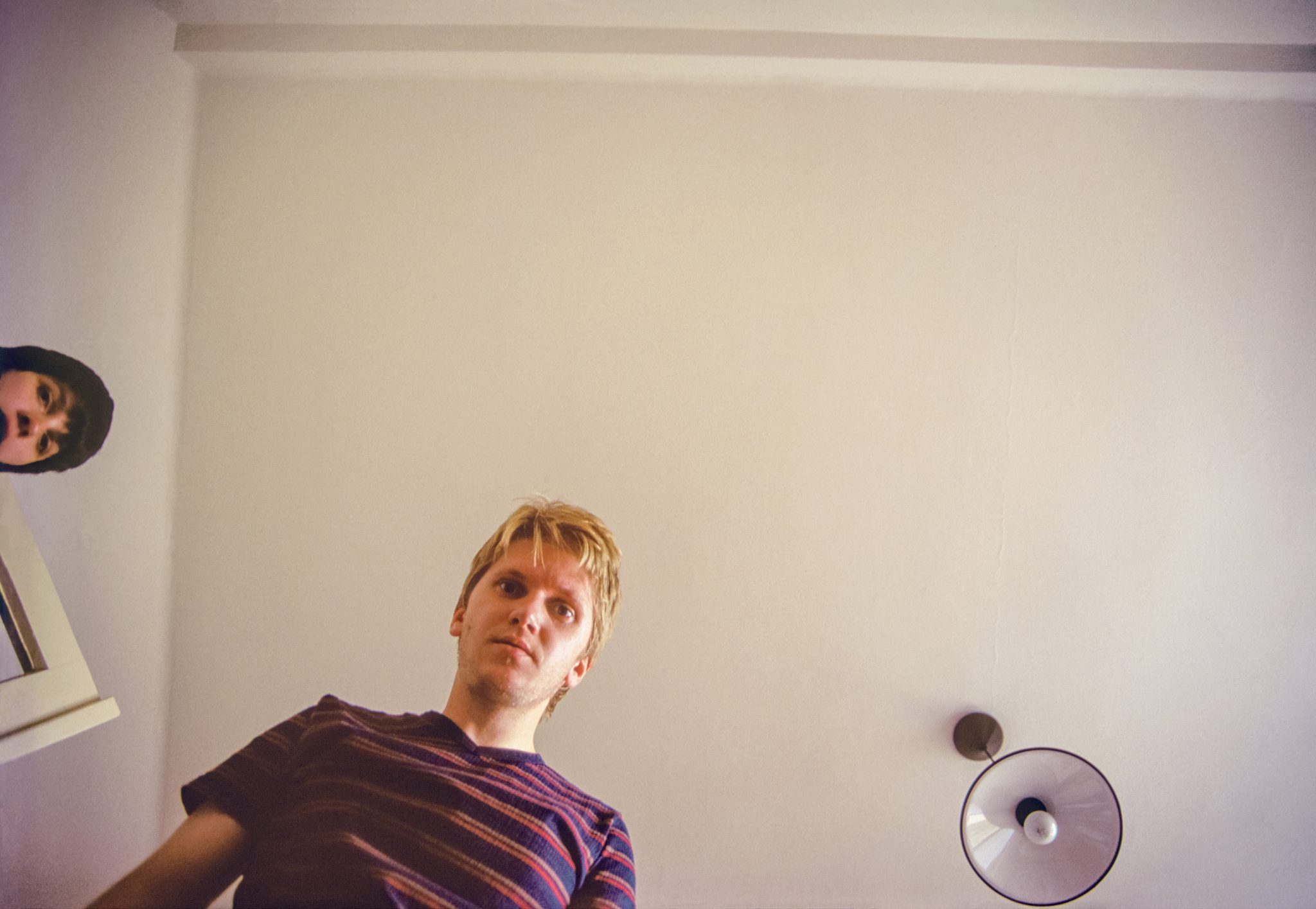
The exhibition Roman Ondak. Infinitum plays between fiction and reality. Reality, which is informed by the artist’s personal experiences from the past while he grew in a society where reality was partially experienced as a fiction. The sculptures, spatial installations and photographs in this exhibition pay tribute to the everyday. The ready-made or constructed objects or situations depicted alternate between what they were while they were still part of reality and now, when they are shifted to subtly fictionalised forms confronting a viewer.
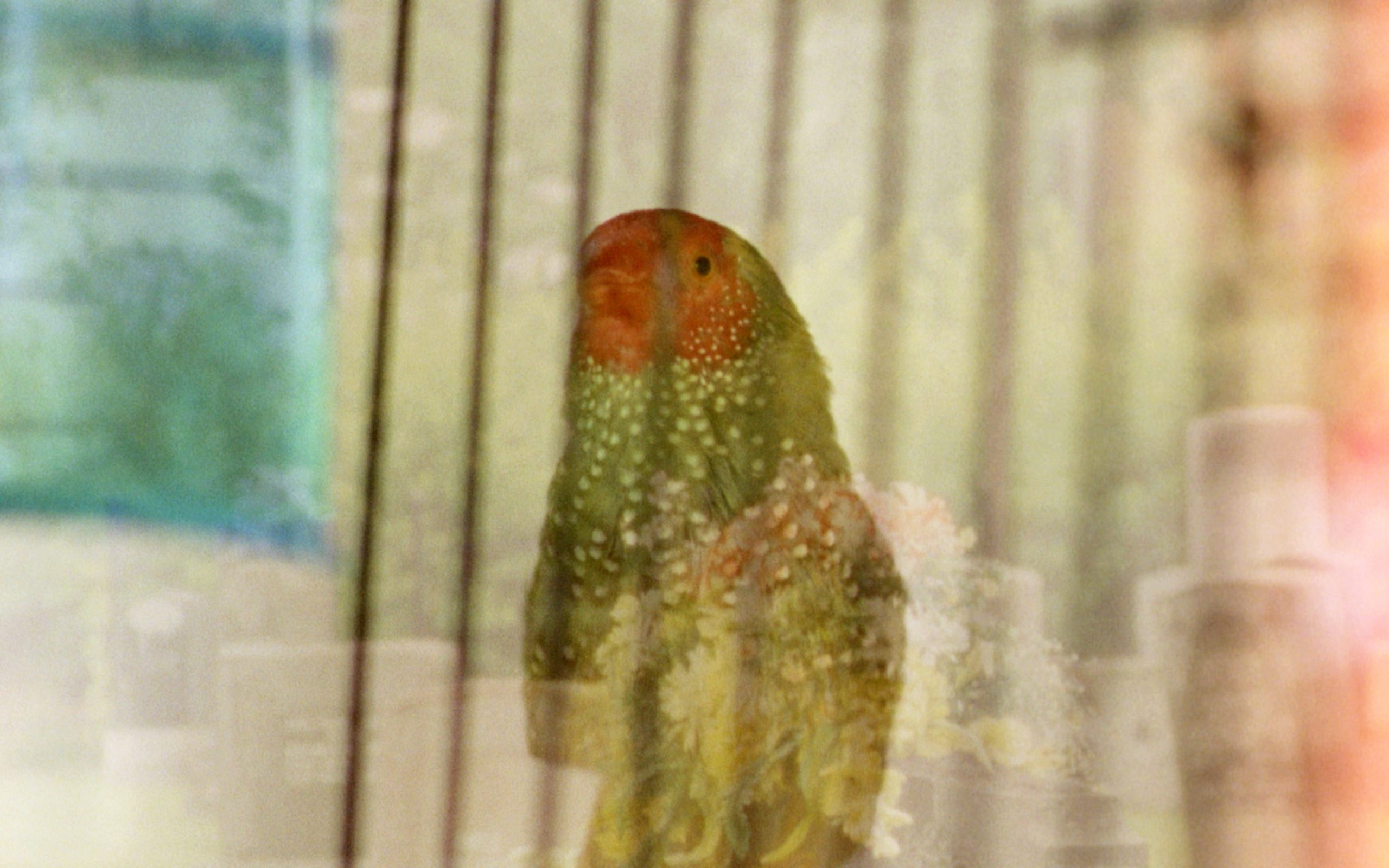
What are we left with when we wake up from a dream? Sometimes it is the vivid recollection of what seemed to be an awake experience; some other times it is a tangle of flickering images that persist as an enduring echo. Instinctively, our brains might try to make sense of their meanings, yet they will not always succeed. With time, all that remains is a series of muffled feelings, the distant memory of a hallucination. And in that blurry reverberation your very own interpretation might probably manifest.
The layered films of Magdy often draw inspiration from life to create an altered perception of reality; by juxtaposing images that would normally be associated with different semiotic fields, the artist manages to make even absurd occurrences seem plausible. As shown in the films selected for this show–Crystal Ball (2013), The Dent (2014) and FEARDEATHLOVEDEATH (2022)–our effort of attributing a logic to what we see is immediately swept away by the immersive sensory experience generated by the masterly editing. Sound, especially, becomes a determining factor in creating the feeling of an enveloping ambience and the illusion of a continuous present that captures you until your eyes are wide open again.
As it happens with dreams, it can be said that in Magdy’s work reality blurs with fiction and that the veracity of a vision loses its urgency. What gains importance is, instead, a new horizon of possibility, where past, present and future collapse and a novel interpretation arise. The question is: what is it that you’ll remember once you are awake?
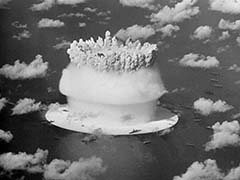
The exhibition presents Conner’s experimental films with a representative selection of nine works. Among these is CROSSROAD (1976), a film that assembles footage of the first U.S. underwater atomic bomb tests at Bikini Atoll in 1946 into a 36-minute study on the horror and sublimity of this apocalyptic event.
Light out of Darkness references a solo exhibition project of the same name for the University Art Museum at Berkeley, California, in the 1980s. One of the main reasons it never took place was Conner’s refusal to compromise in his dealings with institutions, whose rules for artists he would not accept. The title Light out of Darkness emphasizes the experimental character of Conner’s filmic output, which in his early works, especially, resembles a brilliant probing of our perceptual possibilities. The symbolic dualism of light and darkness stands for the artist’s propensity to think in opposites and metaphors and for his mysticism.
This exhibition has been realized in cooperation with Museum Tinguely, Basel.
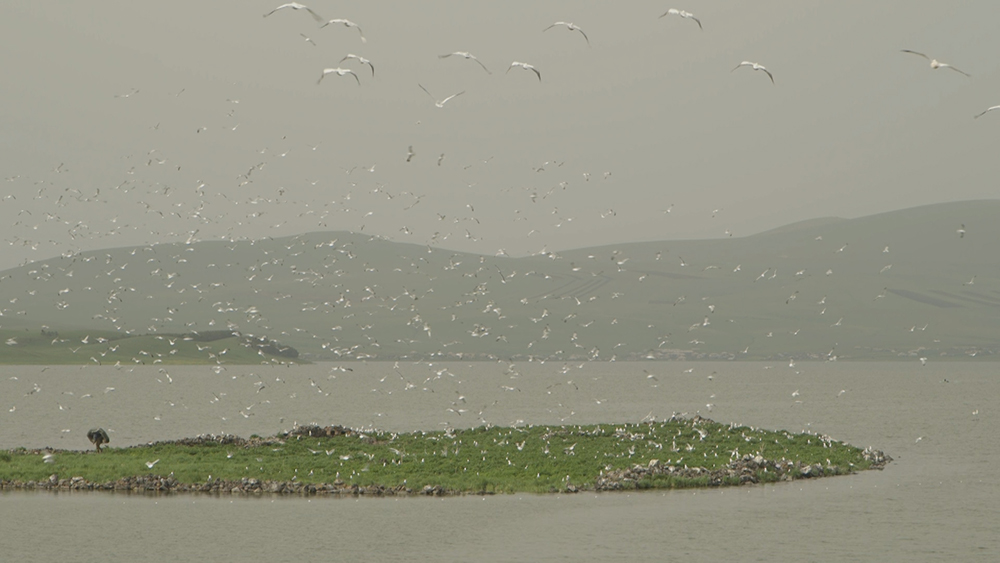
A State in a State is an experimental documentary film that follows the processes of construction, disruption, and fragmentation of railroads in the South Caucasus and Caspian regions. It examines railways as the technical materialization of the fragile political borders that have reemerged after the collapse of the Soviet Union.
Revolving around the scenes of delay and waiting that constitute cargo mobility, the film reads the optimistic narratives about the New Silk Road against the grain. It observes how the iron foundation of connectivity between places and people can be used as a weapon of exclusion and geopolitical sabotage.
Dotting the same lines, other forms of sabotage are deployed by workers to disrupt the political violence. Looking at historic and current practices of resistance A State in a State explores the potential of railroads for building a different, infrastructural consciousness and the lasting, transnational, kinship among the people who live and work around them.
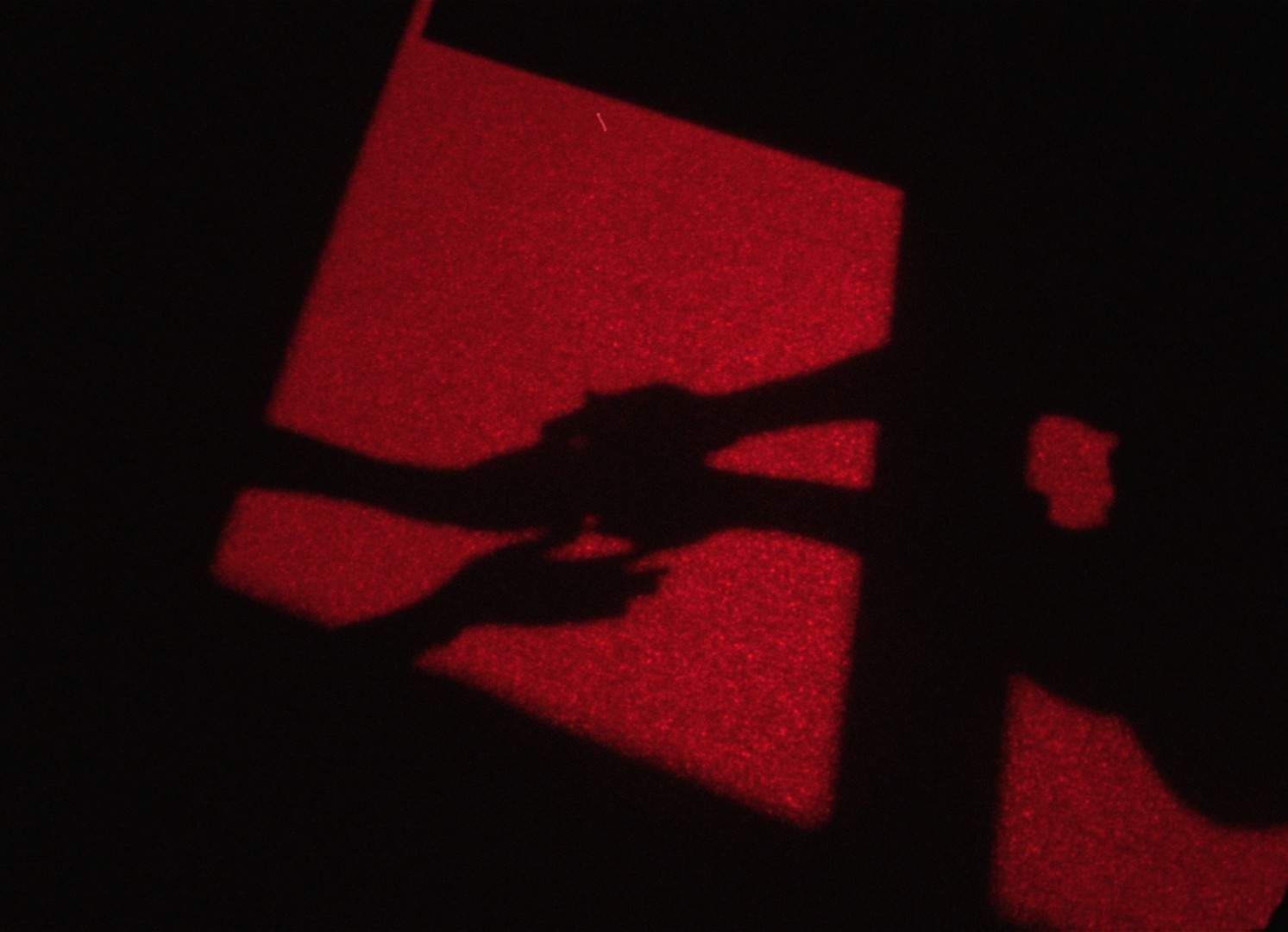
Free entrance with LOOP accreditation.
Mascarilla 19 – Codes of Domestic Violence, the first project undertaken by Fondazione In Between Art Film, took the form of 8 new video projects by 8 international artists. With this ambitious series of commissioned works, the foundation wanted to further the international debate on the dramatic issue of domestic abuse, which has been exacerbated by the long months of the Covid-19 emergency.
The 8 artists who were invited to explore the theme of domestic violence during the unprecedented global lockdowns in 2020 are Iván Argote (Colombia/France, b. 1983), Silvia Giambrone (Italy/UK, b. 1981), Eva Giolo (Belgium, b. 1991), Basir Mahmood (Pakistan/Netherlands, b. 1985), MASBEDO (Italy, Nicolò Massazza, b. 1973 and Iacopo Bedogni, b. 1970), Elena Mazzi (Italy, b. 1984), Adrian Paci (Albania/Italy, b. 1969), Janis Rafa (Greece, b. 1984).
Mascarilla 19 (Mask 19) is the name of a campaign launched by Spanish Prime Minister Pedro Sanchez in response to an appeal by UN Secretary-General António Gutierrez and to the frightening increase in abuse during the pandemic, when many women, due to the lockdown, found themselves trapped at home and unable to ask for help. In a world that is digitally hyperconnected but physically separated, the victims of domestic violence found themselves in a state of double isolation, having no way to communicate with the outside world. This situation led to the idea of a secret SOS signal, a code word that victims of violence could use at pharmacies around Spain, alerting staff to set an emergency response process in motion.
With a project that directly alludes to this campaign, Fondazione In Between Art Film wanted to call attention to a global emergency while also aiding artists, providing them with tangible support to produce new work at a time when all artistic undertakings had been put on hold.
The 8 artists’ films that make up Mascarilla 19 – Codes of Domestic Violence offer different perspectives on a shared theme, captured in its full scope and urgency: each work expresses a unique sensibility, through languages and approaches that range from documentary-style exposé to the symbolic, psychological exploration of relationship dynamics.
In the works by Janis Rafa and by the artist duo MASBEDO, the idea of the home as a place of violence is explored through highly metaphorical language and with the characteristic narrative tension of cinematic storytelling, whereas Basir Mahmood looks at how the mechanisms involved in producing images on film can be a realm of social, economic, and gender conflict. Eva Giolo highlights solidarity between women through a rhythmic, diary-like fragmentation of the narrative; Adrian Paci evokes a sense of physical and psychological isolation by centering his work on voice rather than image; and Elena Mazzi searches for the roots of gender violence by delving into mythology and archeology. The idea of domestic abuse as a phenomenon in the public rather than the private sphere is explored by Iván Argote, who examines political activism and the normalization of violence by linking the cities of Paris and Bogotà. Lastly, Silvia Giambrone turns the home into an arena of violence so internalized that it pervades a couple’s everyday actions and language.
Mascarilla 19 – Codes of Domestic Violence is meant to offer a shared platform of dialogue to as broad an audience as possible. Its program of video screenings has been travelling to some of the most prestigious art institutions in Italy and abroad, such as MAXXI – Museo Nazionale delle Arti del XXI secolo in Rome, Castello di Rivoli, Lo schermo dell’arte – Festival internazionale di cinema e arte contemporanea in Florence, and Teatrino di Palazzo Grassi in Venice.
Between 2020-2021, the films commissioned for Mascarilla 19 – Codes of Domestic Violence have been selected in many international film festivals, such as Cinéma du réel, Doku Fest, European Film Awards, FID Marseille, IFFR – International Film Festival Rotterdam, Punto de Vista, This is Short, Visions du Réel, Vilnius International Film Festival, just to name a few. Notably, Basir Mahmood’s film Sunsets, Everyday (2020) won the IFFR Ammodo Tiger Short Award 2021.
Beatrice Bulgari is Founder and President at Fondazione In Between Art Film, which has the aim of supporting artists and institutions working with moving images. Between 2012-2019, she founded and directed the film production company In Between Art Film, dedicated to providing artists, filmmakers, and directors with the possibility of freely exploring a creative interdisciplinary approach between two languages: the language of cinema and the language of contemporary art. Over these years, Beatrice Bulgari has produced several feature-length films and artist’s films by Vanessa Beecroft, Pierre Bismuth, Yervant Gianikian, William Kentridge, Diego Marcon, Masbedo, and Shirin Neshat, among others. In 2007, she set up CortoArteCircuito, a multifaceted platform that produced documentaries by international directors on the work of contemporary artists such as Antony Gormley, Luigi Ontani, Alfredo Pirri, Michelangelo Pistoletto, and Marco Tirelli, among many others. Beatrice Bulgari has also collaborated as set and costume designer in many films, such as Giuseppe Tornatore’s Cinema Paradiso.
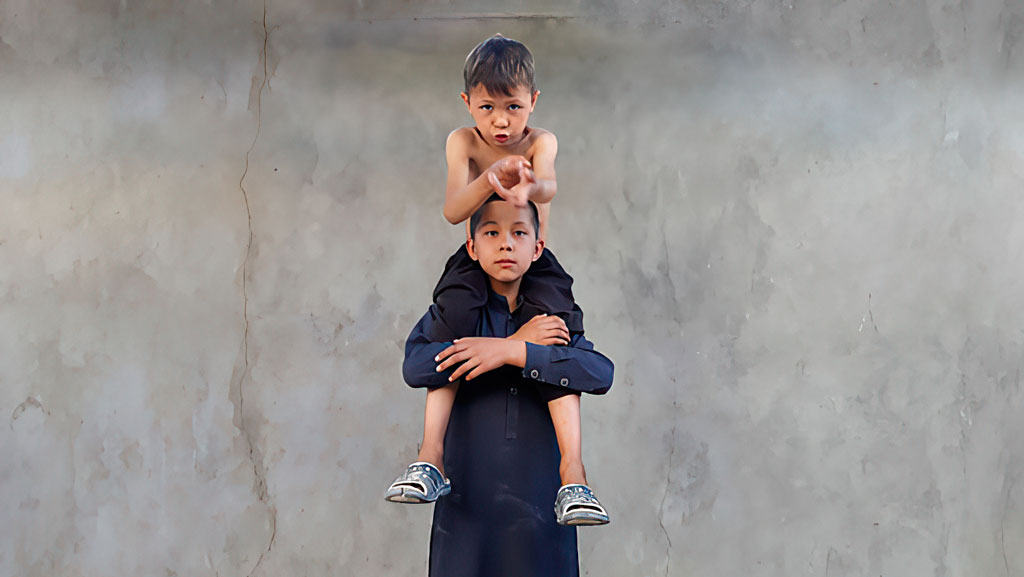
This is where cultures intermingled and touched the world around them. A place between mysticism and militancy, where traces of ancient history, rituals and statuses are preserved. A land that has been at the epicentre of conflict for more than a century, where the bloodshed and violence to which men are both witness and party seem almost endemic. The outcome of the struggles of Afghanistan, the proxy battleground, is impossible to predict, and only the brave or foolish can foretell its future. Can these boys and the country to which they belong escape the collective pain of loss and the historical deformation of human destinies to survive? Is violence still terrifying when it takes place every day? How can the echo of events, both distant and recent, be political and poetic – and how does it trigger personal memory?
Aziz Hazara tells his story, strikingly reflected here through the exclusively male lens of these young boys on the path to adulthood (and participation in the same formative processes of violence and trauma), with impressive modesty. He transforms and transcends both personal and collective memory to claim the national as more than the instantly and easily identifiable objects and images that the West is used to seeing. His works find a balance between visual immediacy and social commentary, becoming at the same time immediate and monumental. The artist uses an arrestingly serene way of storytelling to explore the suffering and struggle in his native Afghanistan. The actions that he stages for the camera, with the help of children’s games and play, speak camera, with the help of children’s games and play, speak for themselves as they explore the relationship between young people and the sites of trauma that have become their playground. To understand Hazara’s work, look for meaning in the collective silence and the blanks that remain in the official versions of this shared narrative. Look past what you see on the screens before you; search for what is missing in the narrative that you think you know.
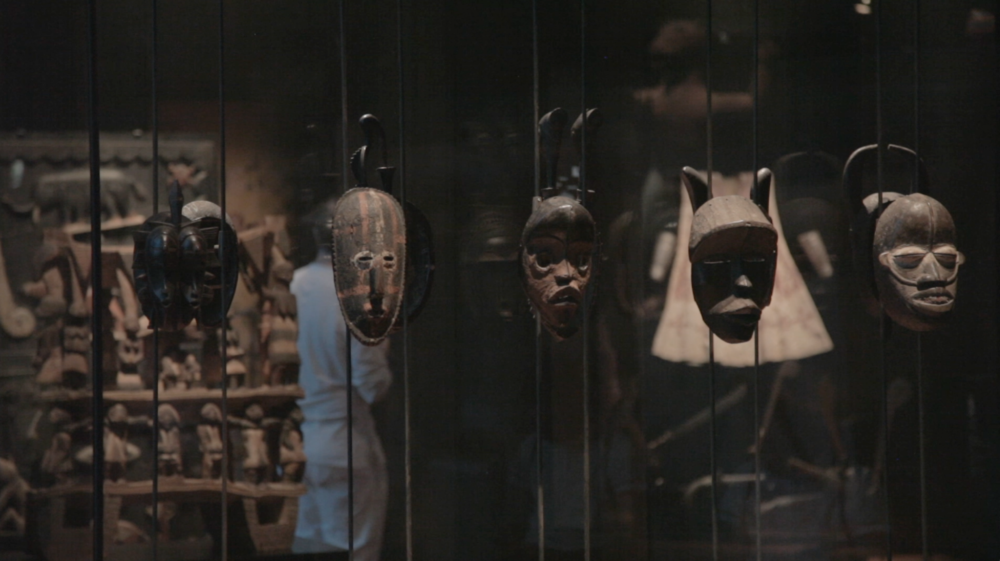
Focusing on plundered objects in European museums and listening to the call of asylum seekers to enter European countries, their former colonizingpowers, the film defends the idea that their rights are inscribed in theseobjects that were kept well documented all these years.
The screening of the film is included in the Ariella Aïsha Azoulay. Errata project. The exhibition will remain open from Friday, October 11, 2019,to Sunday, January 12, 2020 (Sunday afternoons and Mondays, closed) atthe Fundació Antoni Tàpies. No prior reservation is necessary. Supported by the European project 4Cs: From Conflict to Conviviality through Creativity andCulture. Voice and Music: Edoheart, Awori & Moor Mother / Camera: Bona Magna Bell / Editing & Graphics: Claudia Yile / Production: Eyal Vexler / Sound editor: Ziad Fayed.

Ana Vaz is a Brazilian artist and filmmaker whose films and expanded works speculate upon the relationships between self and the other, myths and history through a cosmology of signs, references and perspectives. Assemblages of found footage and shot materials, her films combine ethnography and speculation in exploring the frictions and fictions imprinted upon both cultivated and savage environments and their multiple inhabitants. She was awarded the Kazuko Trust Award presented by the Film Society of Lincoln Center as well as awards granted by Cinéma du Réel and Media City. Recent screenings of her works include the Tate Modern, TABAKALERA, New York Film Festival, Dhaka Art Summit, Moscow Biennial of Young Art and Videobrasil.
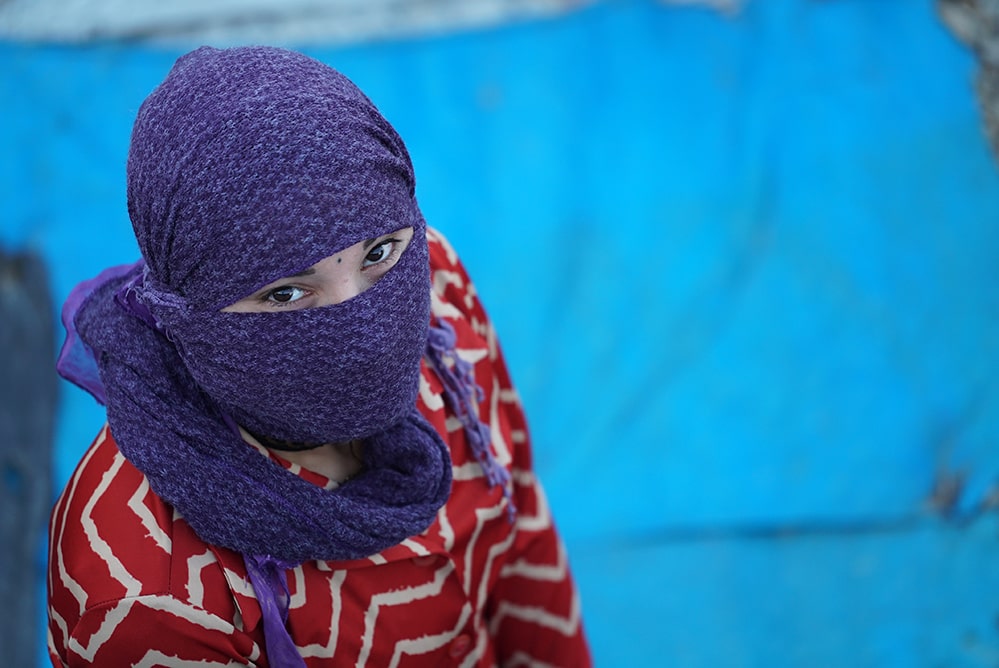
The Han Nefkens Foundation and the Fundació Antoni Tàpies present Erkan Özgen’s first solo exhibition in Spain. At a time when a turbulent migration crisis is redefining our political and social ecosystem, Erkan Özgen’s work gives voice to a series of stories that could be forgotten due to rapid information flows, or could sometimes be intentionally overshadowed. These migration and war stories, which are often connected to traumas and told with different levels of accuracy and objectivity, tackle the challenges of relating the experiences of each individual, as well as families and groups. Curated by Hilde Teerlinck, Giving Voices: Erkan Özgen will include newly commissioned works, such as Memory of Times (2018) and Aesthetic of Weapons (2018), as well as Purple Muslin (2018), a video produced by the Han Nefkens Foundation Production Grant, and premiered at the biennial Manifesta 12 in Palermo, or Wonderland (2016), a video premiered on occasion of Özgen’s recent participation at the 15th Istanbul Biennial.
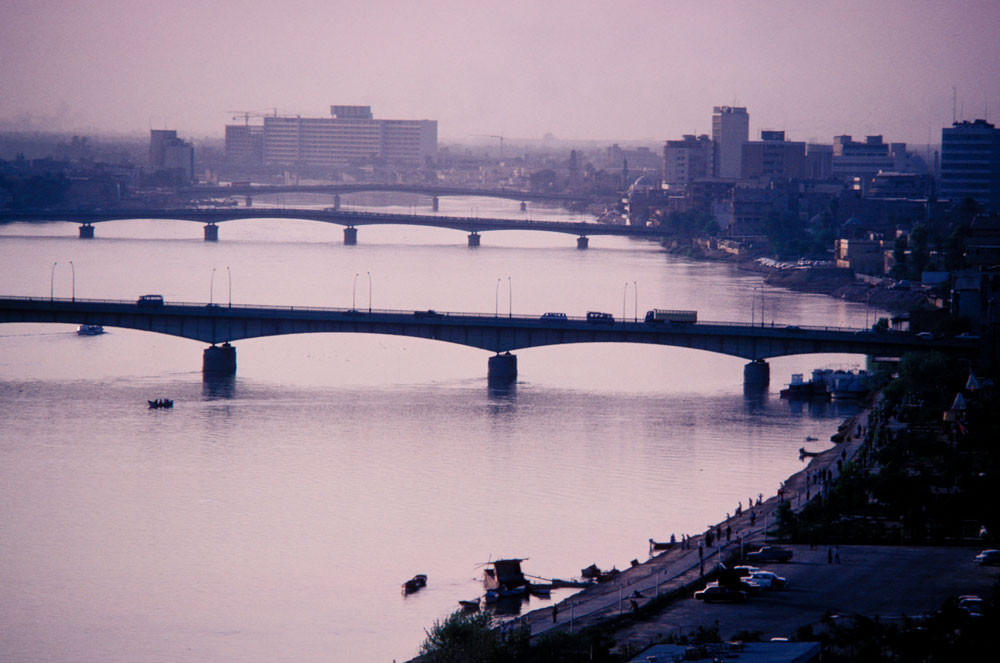
The Way They Looked at Each Other (2012) by Mario García Torres (1975, Monclova, Mèxic) considers the significance of the delay implicit in revisiting any photographic snapshot—such us forensic images that are part of an investigation of a war crime in Baghdad, Iraq—and questions what they reveal about the visual politics of our times.
The activity has limited availability and requires previous registration. Please contact the Fundació Antoni Tàpies: 934 870 009 / activitats@ftapies.com
Berlin-based Hito Steyerl (Munich, 1966) is one of the most critically acclaimed artists working in the field of video, today. On the fence between cinema and the visual arts, her work spans reflections on globalization, image production and dissemination as well as the influence of technology on our daily life.
Once a student and close collaborator of the late German filmmaker Harun Farocki, she will give an insightful presentation on video games, virtual simulations and the “generative fiction of autonomy”.
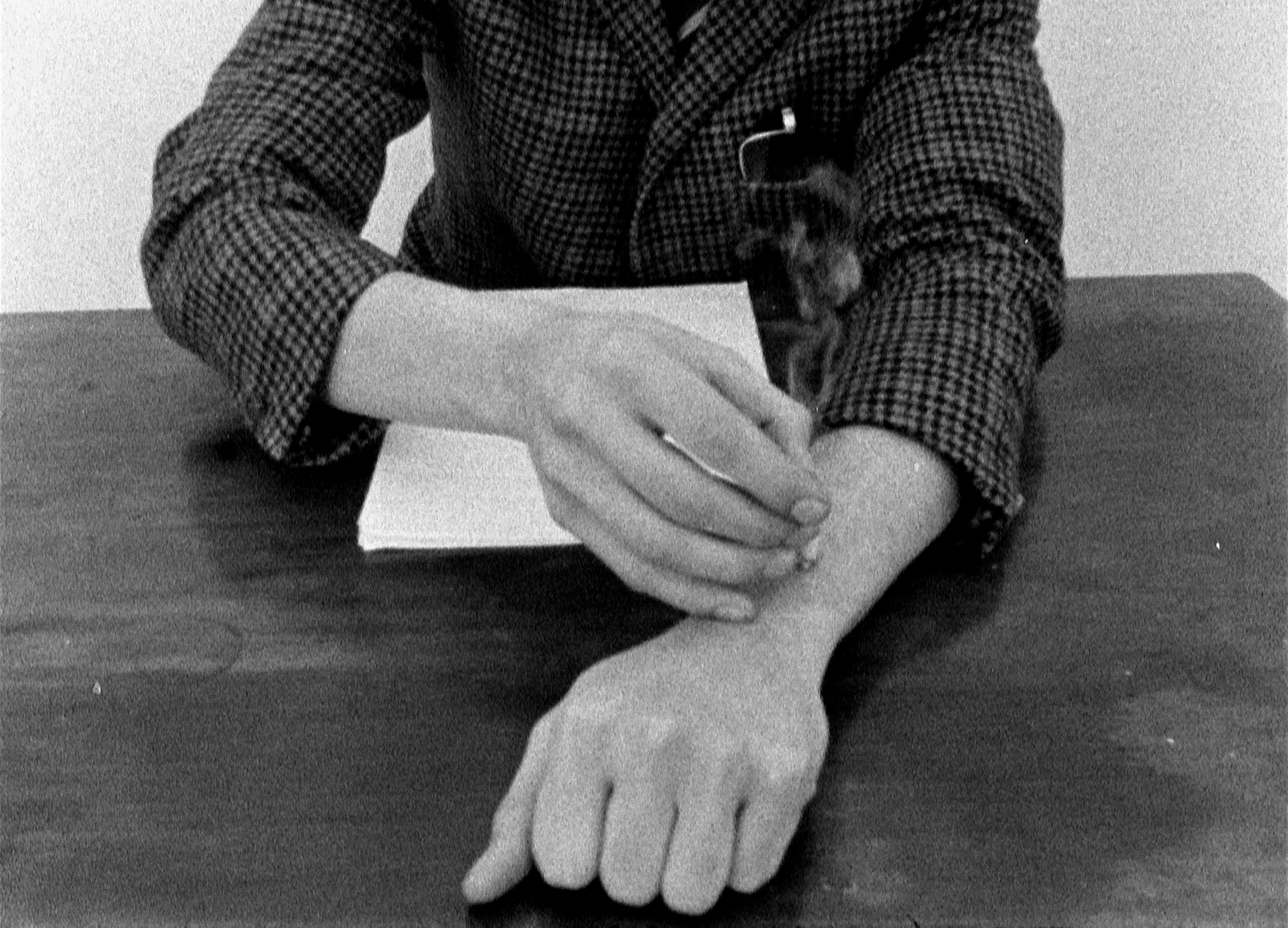
In collaboration with the Institut Valencià d’Art Modern, the Fundació Antoni Tàpies presents the second part of a project that revisits Farocki’s early militant films from the 1960s, as well as the video installations he produced from 1995 on. While the selection at IVAM focuses on Farocki’s research on the surveillance image, the operational image and the technologies of vision, the Fundació Antoni Tàpies will present a series of emblematic works that analyse forms of labour arising from traditional production modes as well as from the demands of capitalist production focusing on changes in labour processes and their representation in contemporary societies.
The notion of empathy, taken from a text by Harun Farocki, guides the selection of works to be presented in Barcelona. While from the 1960s on, Brecht’s distancing effect imposed a need for de-romanticization and objectivity in documentary practices, towards the end of his life Farocki questioned why the precious term “empathy” had been handed over to the enemy, i.e. to mainstream cinema and the entertainment industry. Harun Farocki called for its reconsideration and re-appropriation: for Another Kind of Empathy. We regard Farocki’s particularly patient and non-judgmental use of the camera as a tool for filming people at work and work spaces without interference or manipulation as a precious proof of his empathic skills. Complementing this selection of works driven by Harun Farocki’s interest in the world of labour, the Fundació Antoni Tàpies will present, for the first time in Spain, Farocki’s final long-term project, realized together with Antje Ehmann: Eine Einstellung zur Arbeit / Labour in a Single Shot.
From 2011 to 2014, Farocki and Ehmann conducted workshops with filmmakers and artists in 15 cities all over the world. Taken together, these workshops produced more than 400 one- to two-minute long films on the subject of labour. The exhibition on view at the Fundació Antoni Tàpies includes a selection of fifty-four films from nine cities. These short single-shot films exemplify the manifold kinds of labour that co-exist in the world today: material or immaterial labour, paid or unpaid work, occupations traditional or novel. The chosen works by Harun Farocki as well as the films selected from Labour in a Single Shot reveal that cinematic scenarios can be found wherever a pedagogy of the image exists. They are founded on the assumption that an image is never innocent, but rather part of a historically changing visual culture and its image regimes.
Three film programs that focus on different aspects of Harun Farocki’s film oeuvre – “Image Critique”, “Working with Words” and “Other Cultural Producers” – will give visitors the opportunity to delve deeply into Harun Farocki’s work. The films will be shown in Valencia this spring, and in Barcelona and Madrid the upcoming autumn.
Antje Ehmann and Carles Guerra will continue the project of working with Harun’s work with a third exhibition, to be titled Harun Farocki. Materials. This show will open in autumn 2017 in the NBK exhibition space in Berlin, and will be accompanied with a complete retrospective of Harun Farocki’s films at the Berlin Arsenal Cinema.
© Fundaciò Antoni Tàpies

‘Harun Farocki. Empathy’ at Fundació Antoni Tàpies ©Lluís Bover

‘Harun Farocki. Empathy’ at Fundació Antoni Tàpies ©Lluís Bover
This session has limited seating.
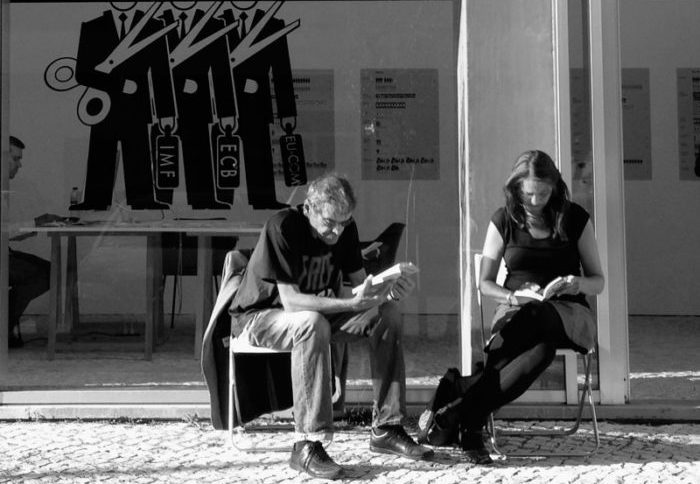
Labour in a Single Shot is a video production workshop, ideated by Harun Farocki and Antje Ehmann, on the subject of labour: paid and unpaid, material and immaterial, rich in tradition or altogether new. Through a series of workshops in 15 cities around the world, the project sought to produce videos of 1 to 2 minutes in length, framed only in a single shot. The task as set led straight to basic questions of cinematographic form and raised essential questions about the filmmaking process itself. Almost every form of labour is repetitive. How can one find a beginning and an end when capturing it? Should the camera be still or moving? How to film the choreography of a workflow in one single shot in the best and most interesting way? Yet the workshop’s results showed that a single shot of 1 or 2 minutes could already create a narrative, suspense or surprise.
Join Antje Ehmann for a talk on the making of the project and its films.