Fundació Enric Miralles
- Address
- Passatge de la Pau 10, bis, 08002, Barcelona
- Phone
- +34 936 241 702
- info@fundacioenricmiralles.com
- Website
- www.fundacioenricmiralles.com
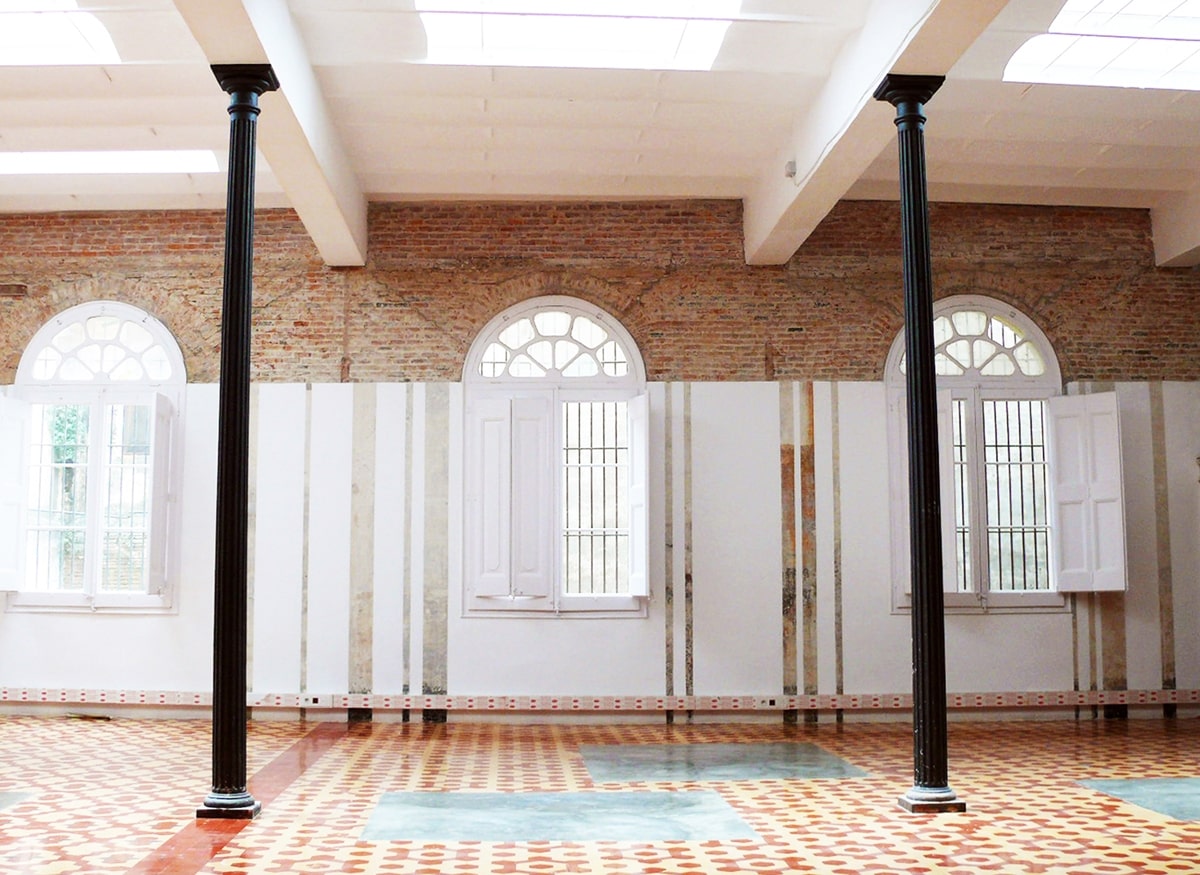
(Somewhere between) The Wind and the Dove, brings together a feature length video artwork with a short film, presented within the faceted interior space of the Fundació Enric Miralles. What is the wind without something moving to make it visible? How can the dove fly without the wind to lift its wings? The artwork by Lenka Clayton and Phillip Andrew Lewis (UK/US), and the film by Xavier Marrades (Catalunya) bring the international into conversation with the local, and remind us of timeless subjects, and modes of attention, care and memorial. Each work, in different ways, establishes a rapport with the aesthetic and structural logic of EMBT and the Fundació Enric Miralles. A relationship is the very raison d’être of the foundation, and this spirit is echoed in the practice and subjects (respectively) in these two works, presented not as a program, nor an exhibition, but instead as a pair.
The Wind, 2024
Lenka Clayton, Phillip Andrew Lewis (UK and US)
77 min
Single Channel HD Video with Sound
Commissioned by The Pittsburgh (US) Cultural Trust
Sound mix and master by Simon Keep
Cucli, 2016
Xavier Marrades (Catalunya)
16 min
Director: Xavier Marrades. Cinematography: Oriol Colomar, Xavier Marrades. Editor: Xavier Marrades. Drone operator: Pol Thomas Ferrero. Colorist: Enya Rodriguez. Producer: Xavier Marrades, Nanouk Films. Executive producer: Jerome Thelia, Oriol Colomar. Sound: Sergi Nogué, Alejandro Castillo. Graphic design: Giovanni Jubert.
–
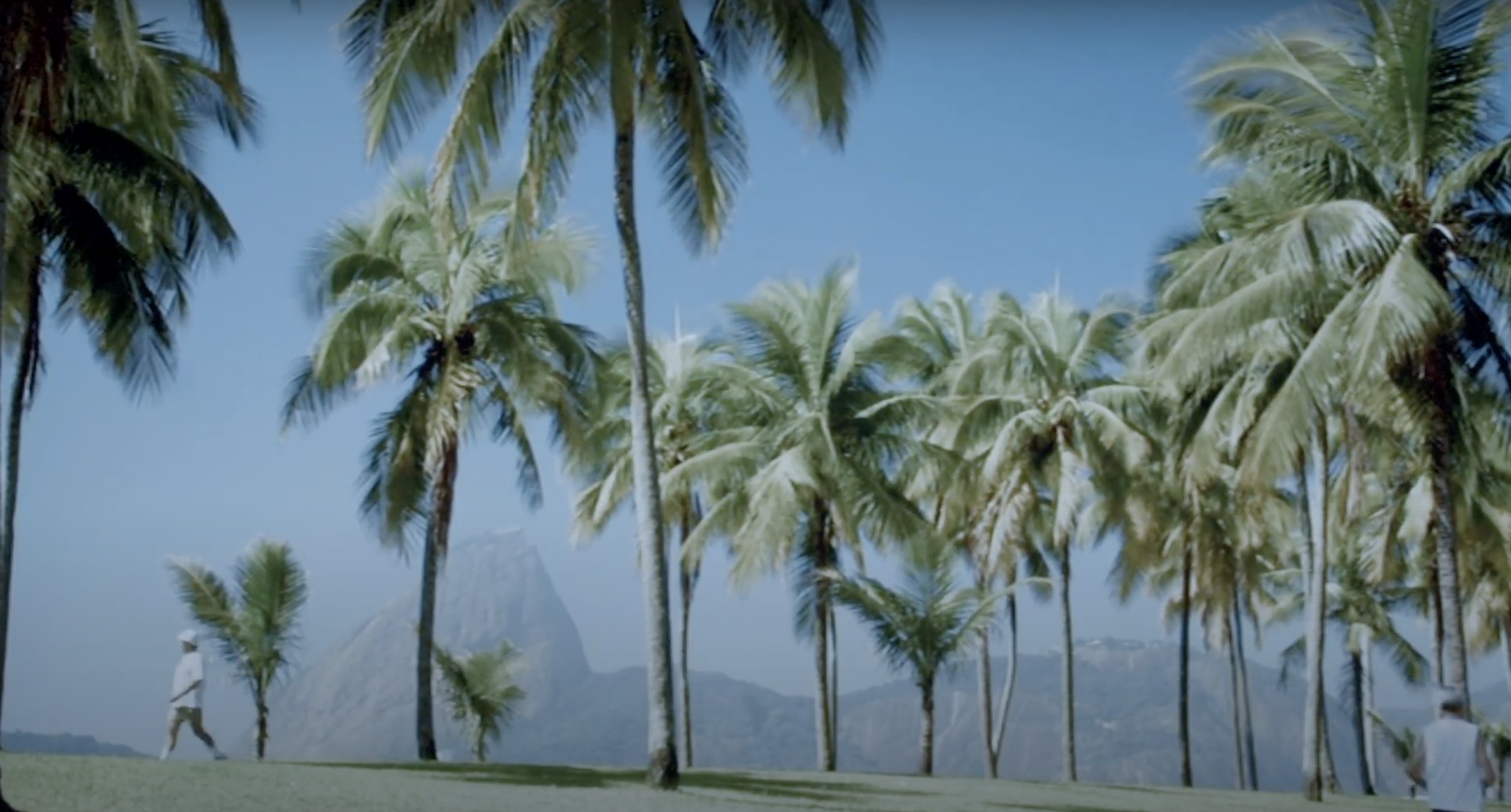
The Wind is a feature-length video artwork composed of ~1,400 clips found and collected from across the history of cinema (spy dramas, rom-coms, westerns, etc.) each depicting the invisible force of the wind. In most settings the wind is not the ‘figure’ of the scene but rather animates the background. In this film it shifts to a point of attention, the protagonist, showing us all that it touches—giving it shape as it flutters through clothes on the line, undulates grasses in the field, spins weather vanes, rolls tumbleweeds, or shrugs the branches of a tree.
Often footage of the wind in films can signal an emotional tone or foreshadow an ominous turn. It can also be used as a pause or rest—a temporal transition. In The Wind, these in-between moments accumulate with an increasing intensity according to the Beaufort Wind Scale, progressing from barely perceptible quivering plants to a devastating tornado that tears a building from its foundations.
Ranging from a half second to several seconds, the clips are presented with their original sound, one that accompanies the presence of the wind. Each resonant sonic fragment—a scream, a car door slam, dialog in various languages—sends the mind off along hundreds of narrative tangents creating a concrete poem, a collage de sons trouvés. The experience of attending to an invisible presence invites a new form of awareness, approaching a meditative state, as The Wind moves across time and space.
Cucli is a short film and intimate portrait of a cross-species relationship, set in Cervera (Catalunya), the hometown village of the artist. It’s a film about trust: between one man and a bird, but also implicitly between the artist and his subjects. According to the artist: despite an abundance of pigeons in the region, doves are quite rare. This symbolically charged creature—an international symbol of peace—appeared in the life of a distant relative of the artist, Ramon, after the passing of his wife, and keeps him company on the long-haul truck transport from eastern Spain to Portugal and back. Cucli, tells a multi-layered story of the transformative power of love and companionship, “Since the dove came, I see life in a different way,” Ramon says in the film. “I’ve changed radically.” It also invites the viewer to consider their own thoughts and beliefs about reincarnation, divine intervention, and the process of healing after loss.
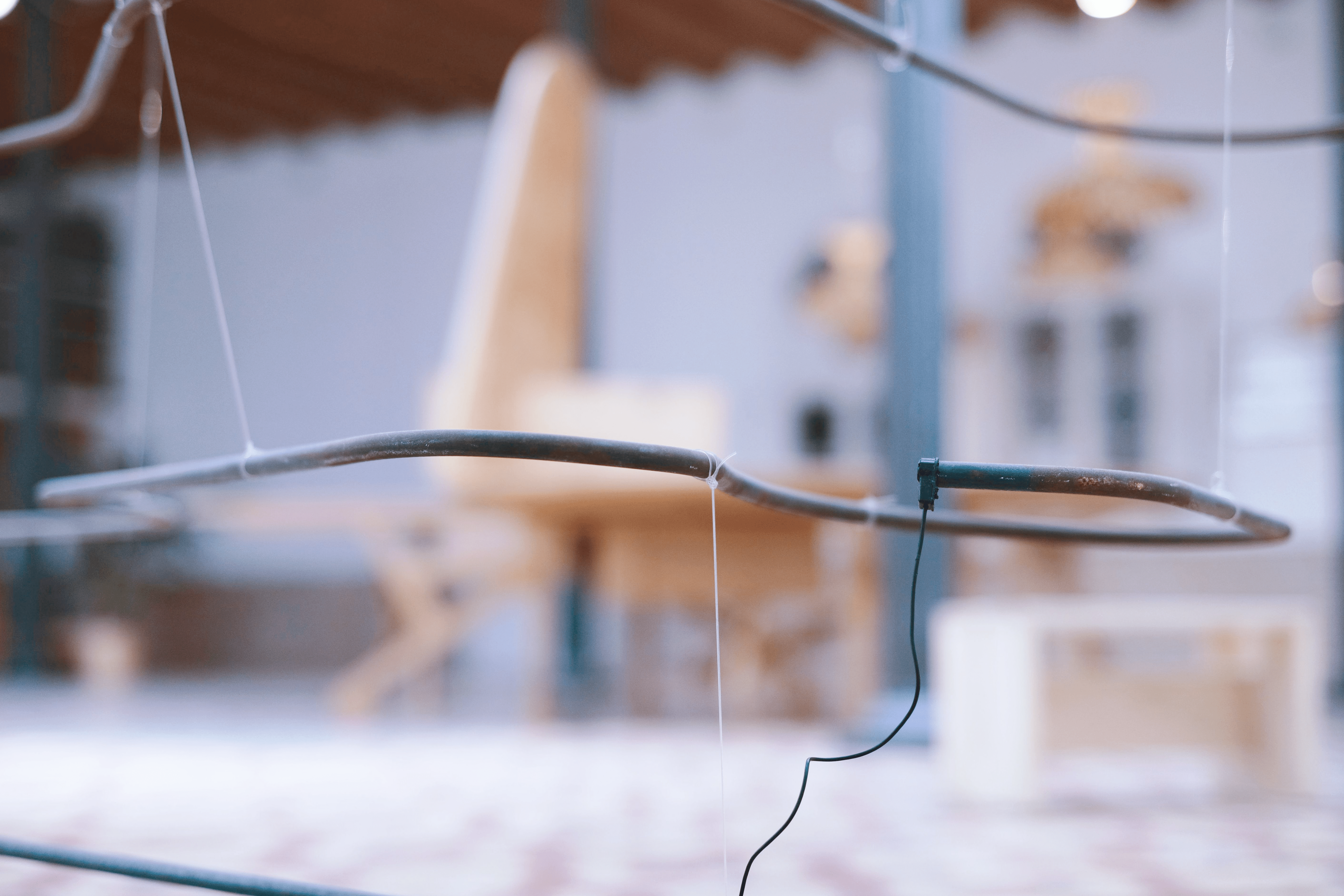
The installation Sections/EMBT shows sounds of field recordings derived by four selected EMBT projects: Mercat Santa Catarina, Igualada Cemetery, Kálida Sant Pau Centre and the sculpture Heaven. These represent different scale, context, space, and material representing life, city, landscape, and death.
The field recordings have been artistically processed by architect and artist Gisle Nataas and assembled into an installation where all the layers play together in a complex sound composition. The installation is a cut through time, scale and place and representing life, humans, material, and unique stories. The sounds define the immateriality of EMBT project in terms of sound, interpretation, and association for the audience.
On November 13th at 19h a performance will take place at EMBT with Gisle Nataas (electronics) and Julio César Palacio (electronics).
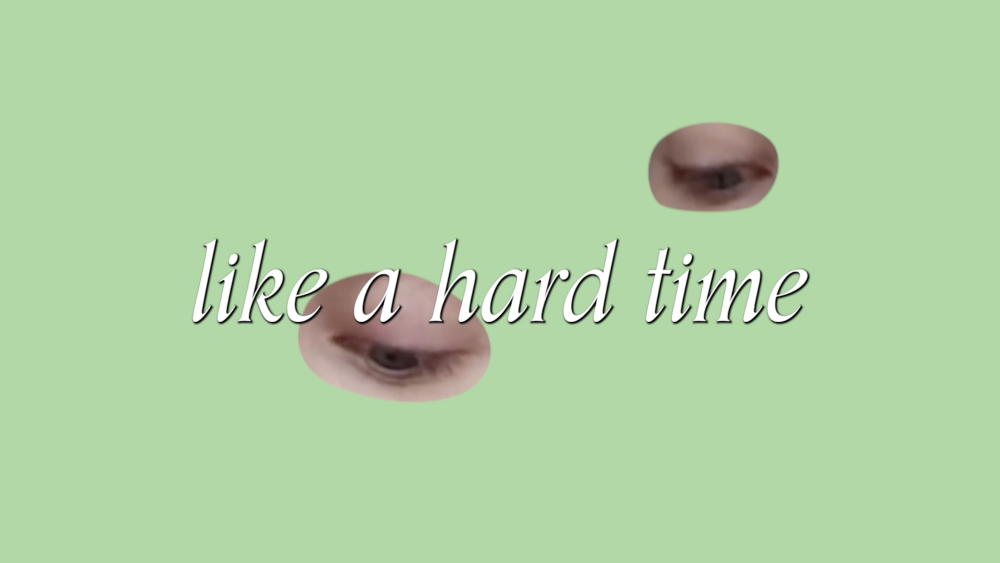
We currently spend 3 hours and 43 minutes a day on our mobile devices, spending a total of 2 hours and 27 minutes scrolling through various channels on social networks. Unlike our presence in conventional communications channels, in which we were usually mere consumers of content, on social networks we are often also creators. The figure of the virtual spectator, which has become especially important in recent years due to the accelerated expansion of the Internet, is what Alvin Toffler defined as a prosumer in the seventies.
Prosumers consume and produce simultaneously, while social networks store hours and hours of content. These pictures, videos or audio recordings commercialise our life experiences on the virtual world under the watchful gaze of brands and/or multinational companies, turning them into easily-devoured popular culture. This vicious circle both feeds us and leads us to spend part of our daily time on our virtual presence.
quality time | GRWM is the first part of a piece that is 3 hours and 43 minutes long and which researches this phenomenon based on audio recordings from the internet and footage by the artist, recreating the time we spend investing in our online egos. In this first 30-minute part, Clàudia del Barrio invites us to consume a Get Ready With Me (GRWM), a ritual in which influences share the first moments of the day with their followers. These videos, which are streamed live, have become virtual spaces in which intimate moments, which may involve important subjects such as mental health, are also shared. Thus, by delving into these spaces, the artist also reflects on the banalisation of sensitive content.
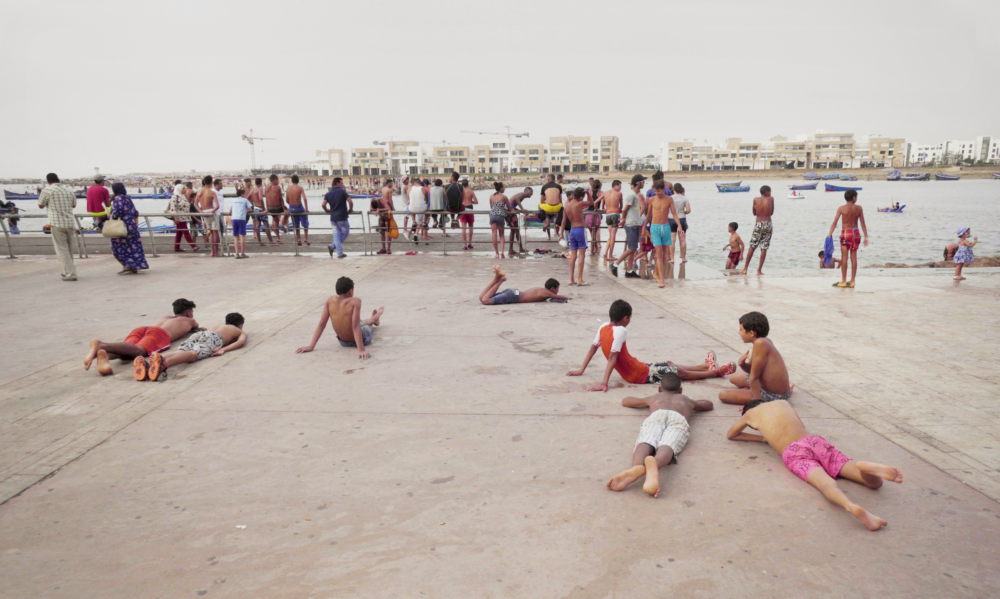
The exhibition will be accompanied by a wide programme of activities
Through lockdowns and social distancing, the world pandemic established a global process of disembodiment in our relation to urban space and to social life which deeply troubled our physical condition as urban dwellers. Now at the very moment of attempting to reinstate a ‘normality’, this exhibition proposes a critical interrogation into our individual and collective bodily experience of urban space. The recent collective ordeal of the sanitary crisis, which had the effect of depriving, restricting, constraining and limiting our freedom of movement and behavior, highlighted how much being an urbanite, before being a social and political question, is first and foremost a physical condition – living together, next to each other, in a state of proximity, even of paradoxically anonymous intimacy.
The show explores the multiple facets of the urban body revealing how much our bodies, in their daily routines and rituals, are the expression of a constant interweaving of physical, social, cultural and political issues. The exhibition is composed around the large scale project Homo Urbanus. A city- matographic odyssey of the video-artists duo Bêka & Lemoine. In dialog with this video installation, the show also presents some films produced by the Laboratory for Sensitive Observers, a March design studio led by Bêka & Lemoine together with Gili Merin at the AA Architectural Association School of Architecture in London. Conceived as a collective research project, based on Bêka & Lemoine’s films, the studio aims to portrait the Homo Urbanus of today on a global scale.
Laboratory for Sensitive Observers
Chak Hin Leung, Jugaad, 2020
Matthew Ho, Urban Nomadism, 2020
Christopher Ioannou, Anatomy of a city, 2020
Nikola Miloradovic, Homo Mobilis, 2021
Caterina Miralles Tagliabue, Lon(don)liness, 2021
Aijie Xiong, A dissolving rurality, 2021