Fundació Joan Miró

- Address
- Montjuïc Park, s/n, 08038, Barcelona
- Website
- www.fmirobcn.org/en
- Map
- View map
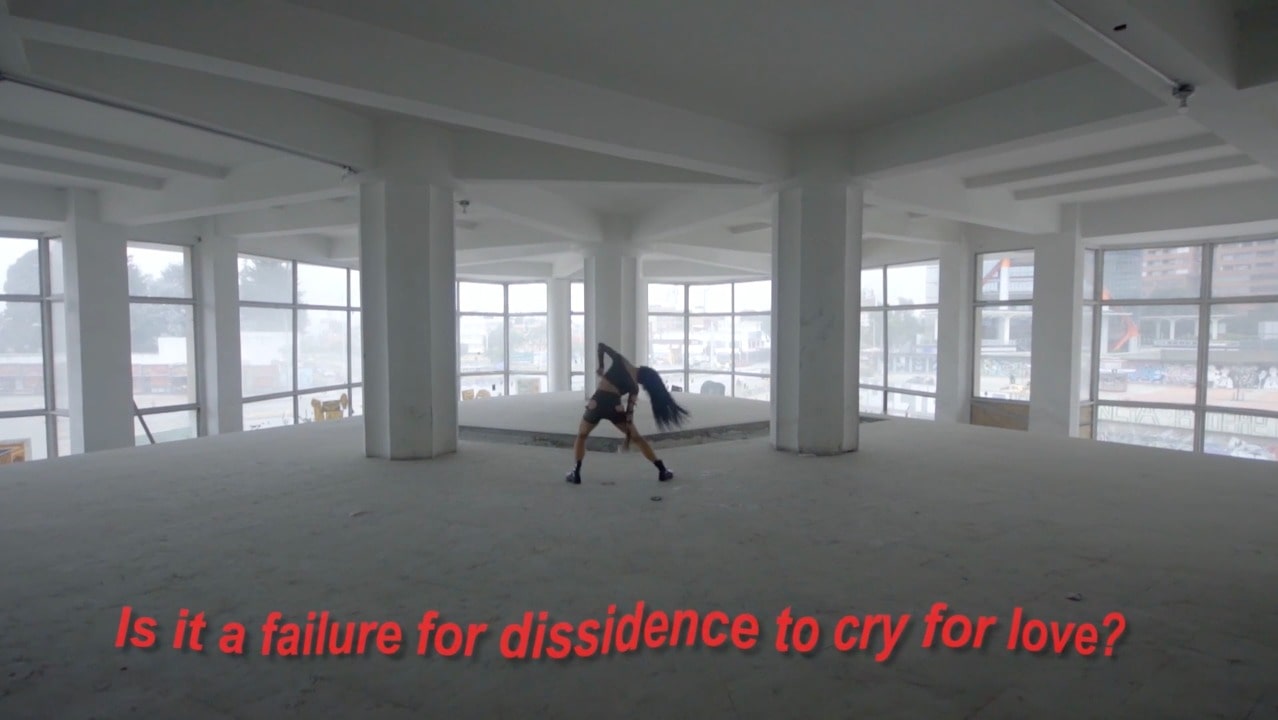
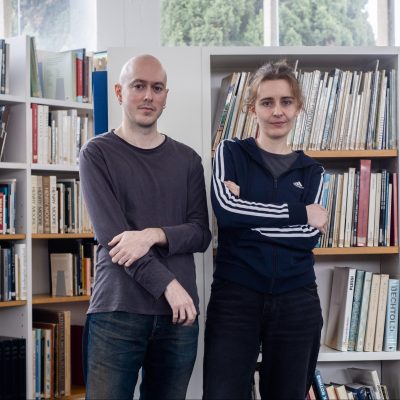
Tour led by the team of Hamaca, consisting of Eli Lloveras, Belén Soto and Elena Lasala, that brings some of the videos in their archive, readings out loud and reggaeton listening sessions into a dialogue with the Miró-Picasso exhibition. We will be talking about these two geniuses’ friendship, the importance of their creations and the works that began their lives after they were completed. All through reflection on how feminist critique helps us to situate the world, to uncover, name and discover our own errors in a gentle way, and to explore some of the most irksome issues of art and life itself.
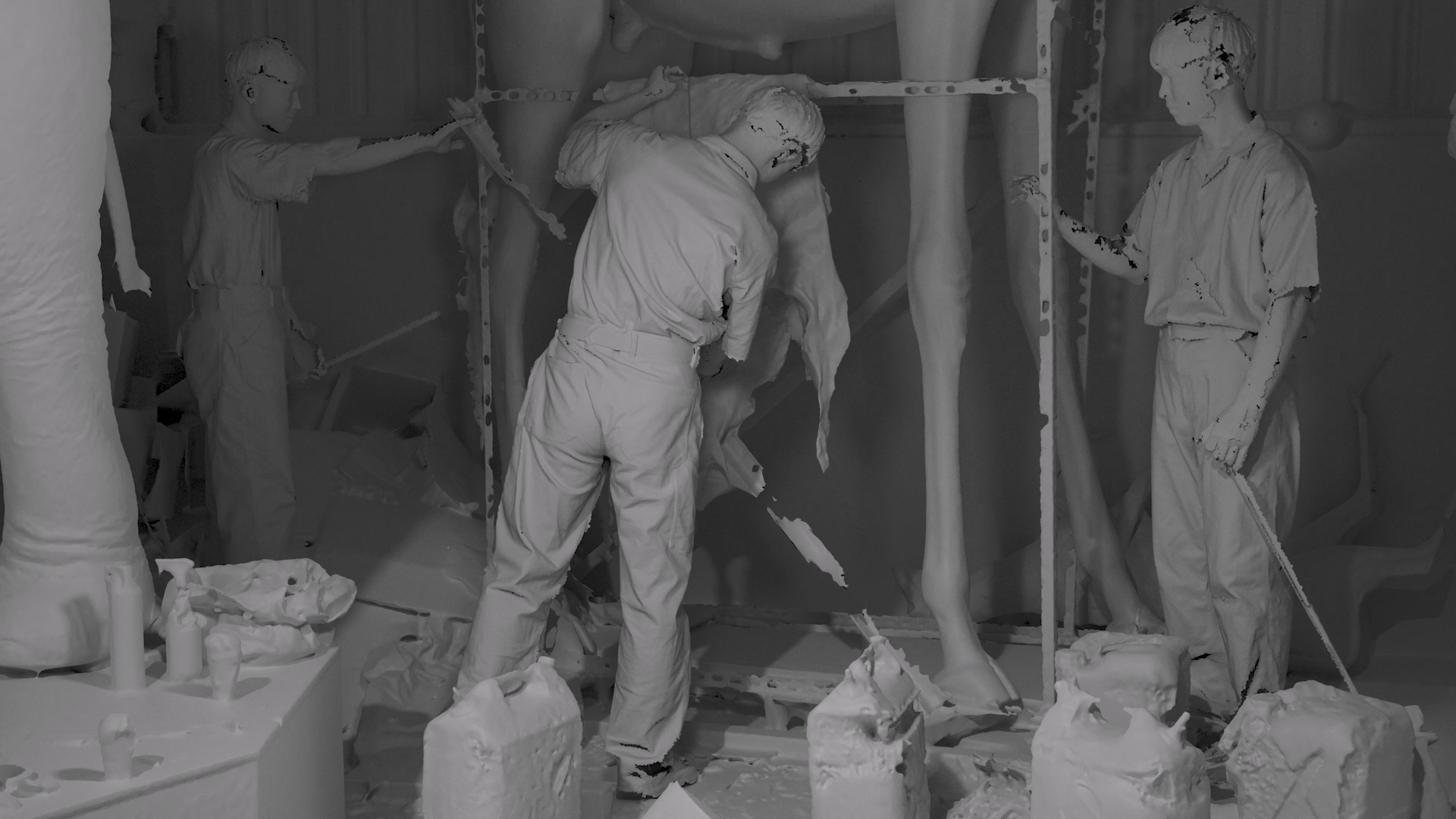
Che-Yu Hsu was the winner of the 2020 Han Nefkens Foundation – Loop Barcelona Video Art Production Grant, in collaboration with the Fundació Joan Miró. Upon receiving the grant, the Taiwanese artist started a new series of works in collaboration with a forensic team specialised in 3D scanning of crime scenes.
Che Yu-Hsu’s practice focuses on the research and revisiting of historical moments, as well as on the reconstruction of private and collective memories. For this occasion, Che-Yu Hsu presents Zoo Hypothesis (2023), a single-channel video work featuring a scriptwriter and an actor having a conversation on a performance they are preparing that explores the relationship between ‘gestures’ and ‘horrors’ in a taxidermist’s studio.
The conversation revolves around two events from Japanese occupied Taiwan during World War II. One is the memorial ceremony held in a zoo to honour animals that died during military operations, for which animals such as elephants and orangutans were trained to kneel as a symbolic gesture of mourning. The other event alluded to the mass execution of animals that took place in 1944 at Yuanshan Zoo. The killing was intended to prevent civilian casualties caused by runaway animals in case the US military bombed the city. The animals’ bodies were then stuffed using taxidermy to preserve their movements and postures.
The dialogue between the two characters is visually overlapped with digital reconstructions of the oldest zoo in Taiwan and its taxidermy studio using 3D scanning technology.
_
A guided tour of the exhibition will be held by the artist together with author and writer Iván Pintor Arranzo, on Sunday 13th at 1.30pm.
Access to the activity is free prior registration.
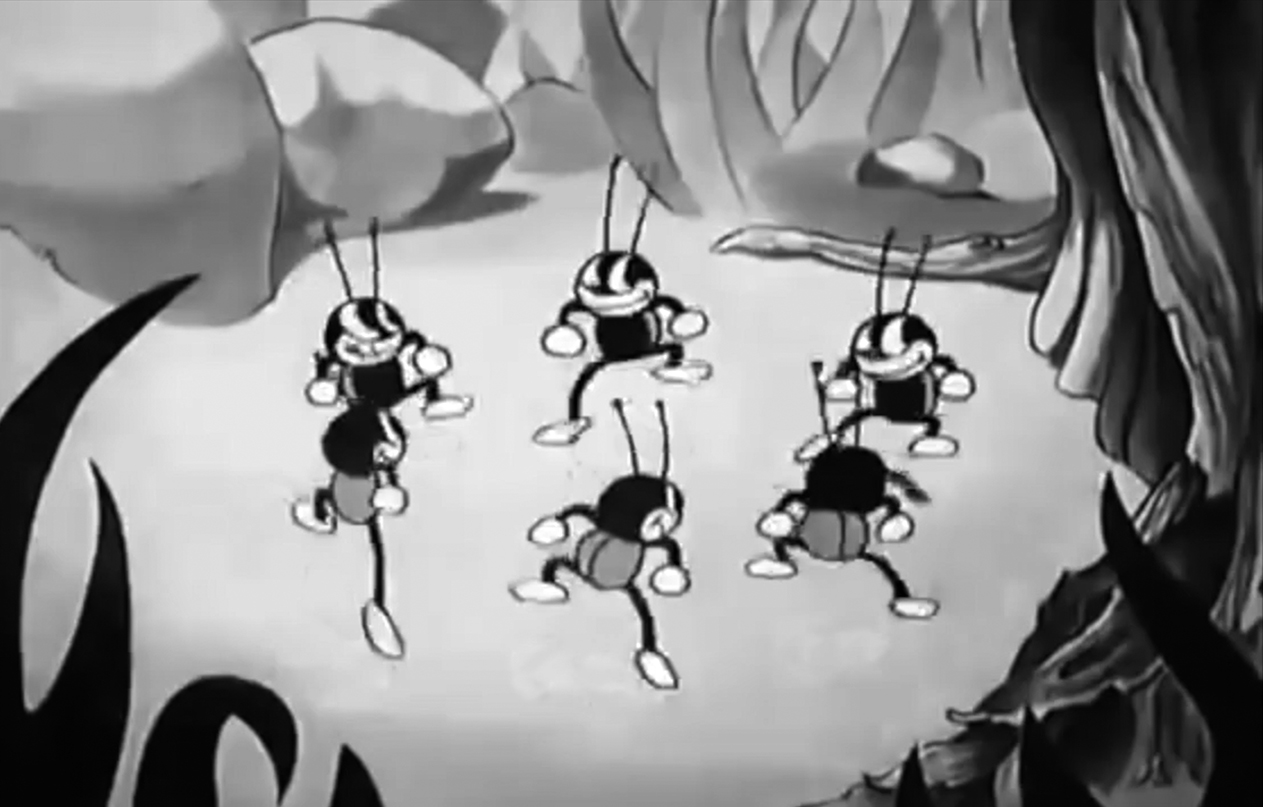
Silly Symphony is a newly-produced project by Martín Vitaliti that starts from the appropriation of the earliest American cartoons from the thirties, the golden age of animation, which began with the coming of the first animated cartoons with synchronised sound. The title Silly Simphony comes from the name of a series of shorts produced by Walt Disney between 1929 and 1939. The artist highlights the artisanal process of assembly line production of the drawings used for those early animations. Specifically, he pays attention to the sequences of repetitive movements of the characters in a specific scene and the way in which digital manipulation can change their perception by decoding their reading. In this display, Vitaliti will create an installation to display the tragic and alienating dimension of these repetitive loops, which evoke the extreme use of assembly lines to maximise profits.

Curated by Martina Millà
The Indian artist Nalini Malani, the winner of the 2019 Joan Miró Prize, presents a selection of works from her entire career, in which feminist thought and the condemnation of violence are ever-present.
Malani’s works suggest the vulnerability and precariousness of human existence with a personal iconography that draws from ancient and universal mythologies. Social, feminist, and environmental justice are at the heart of her artistic quest and materialize in the exhibition as an ensemble of large-scale immersive installations -video projections and animations, shadow plays and painted panels. The artist has also created wall drawings specifically for the Fundació Joan Miró.
The title You Don’t Hear Me is a direct challenge to the patriarchy, an interlocutor who Nalini Malani views as indifferent and insensitive to the fair demands of vulnerable people, particularly women.
According to the jury panel for the Joan Miró Prize, Nalini Malani shares Joan Miró’s radical imagination and socio-political awareness. The jury also considered that other points in common between the two artists include an extraordinary intellectual curiosity and an ongoing dialogue with some of the most outstanding figures of their times, who influenced their respective outputs.