Hotel Catalonia Ramblas
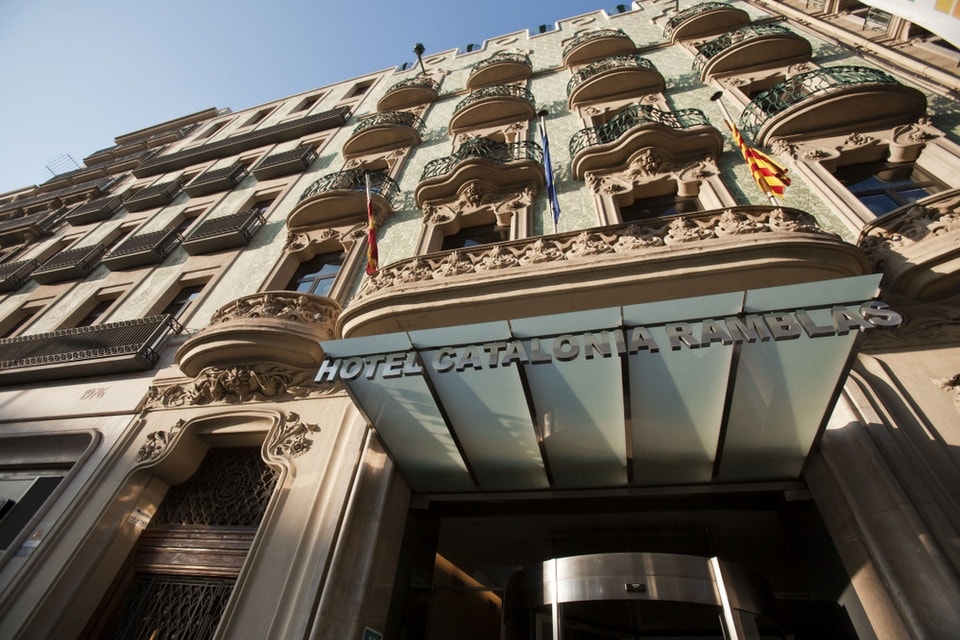
- Address
- Carrer Pelai, 28, 08001, Barcelona
- Phone
- +34 93 316 84 00
- ramblas@hoteles-catalonia.es
- Website
- en.hotelcataloniaramblas.com
- Map
- View map
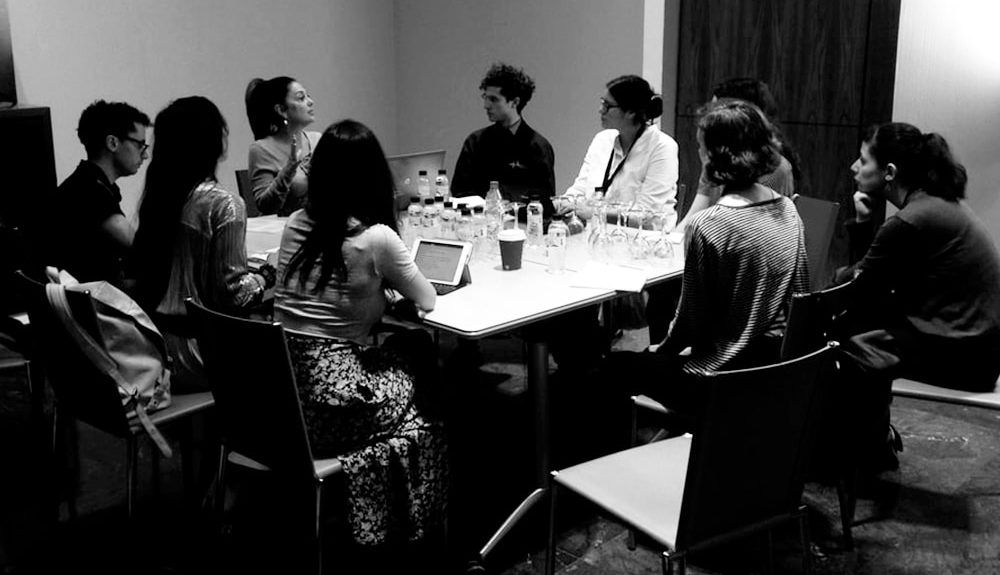
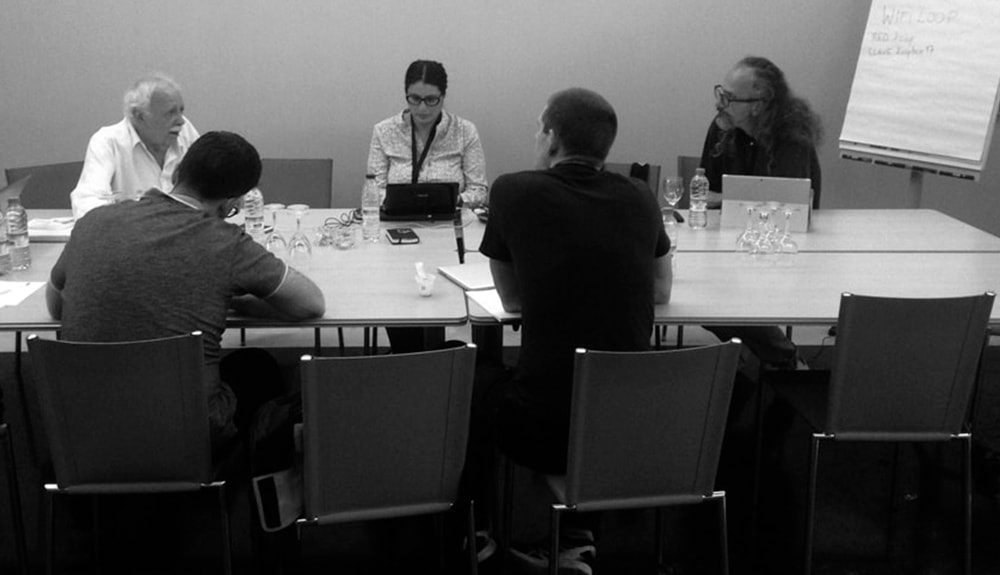
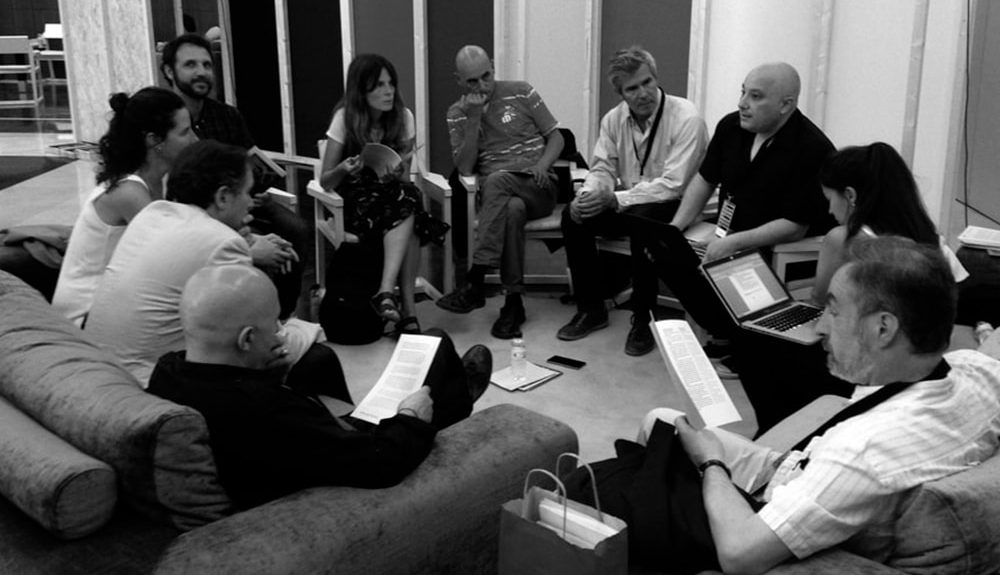
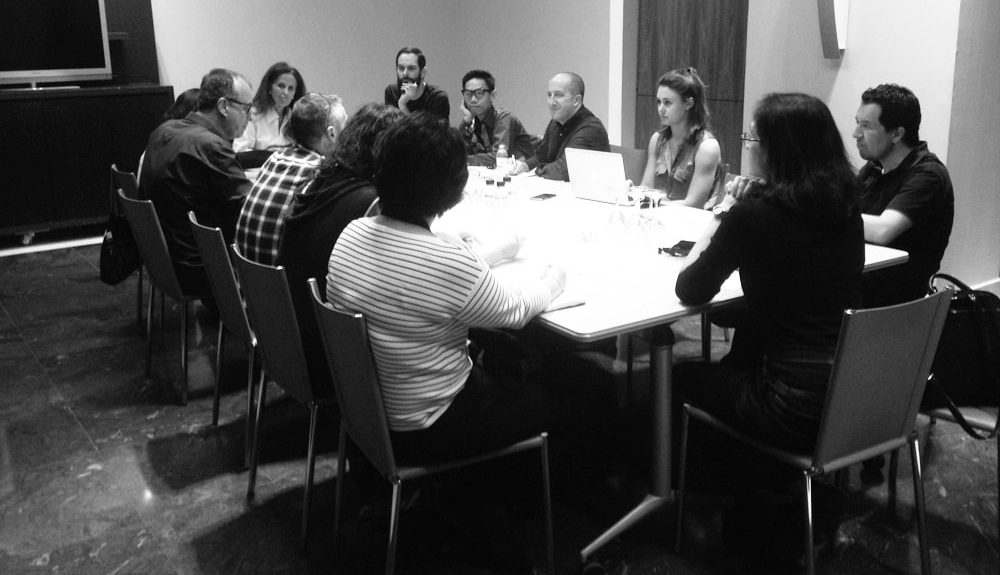
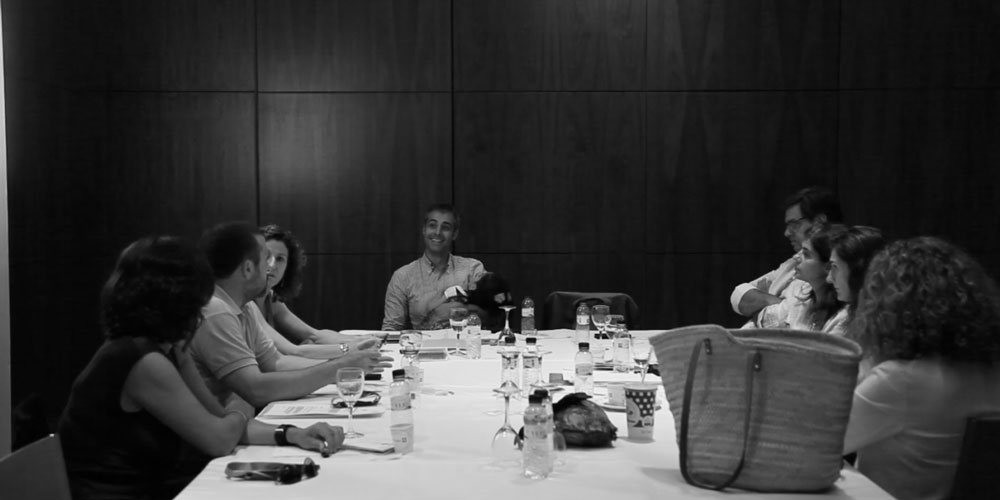
The meeting aims to discuss the validity of video art as a way of experimentation and reflection more than 50 years after its birth. In this sense: has video art lost interest? Is it still a form of experimentation? Is it still a thoughtful and a critical tool to think about contemporary society? Or will it be replaced by other kinds of technologies?
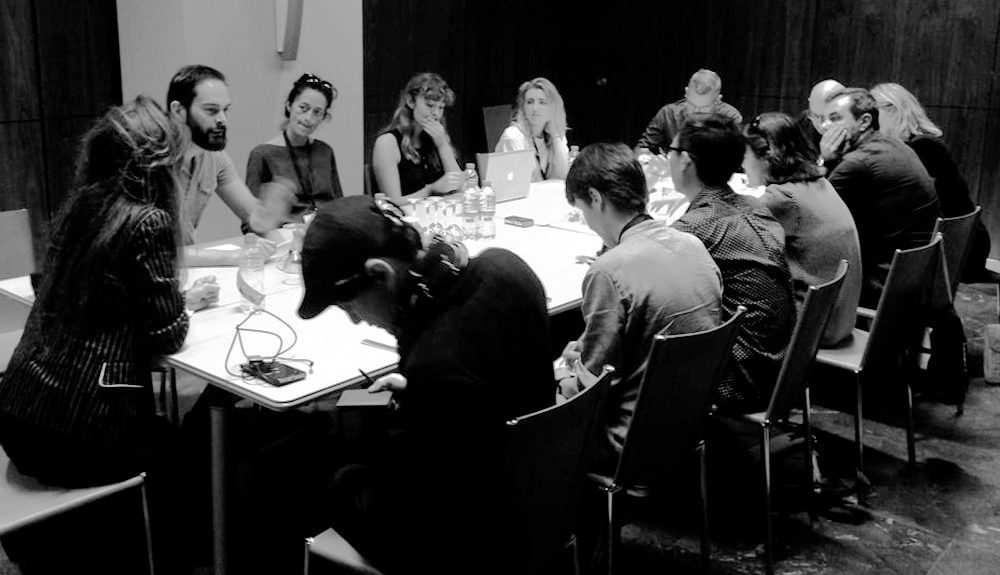
The meeting aims to reflect on the differences and similarities that connect these two forms of artistic expression. In this sense: Are there really boundaries between both genres? Could a dialogue be set up between them? And does technology continue to be a distinctive criterion to between cinema and video art?
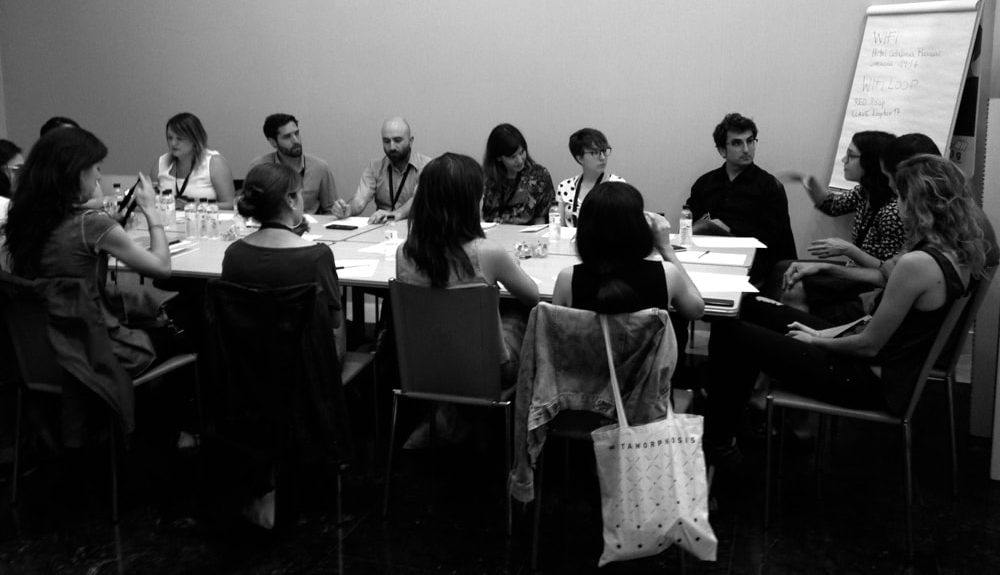
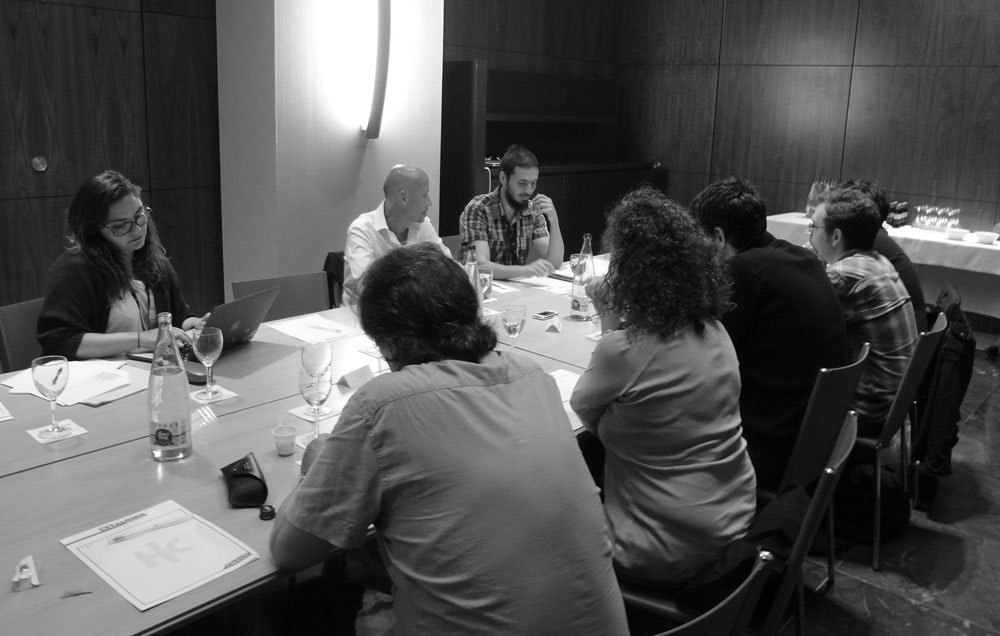
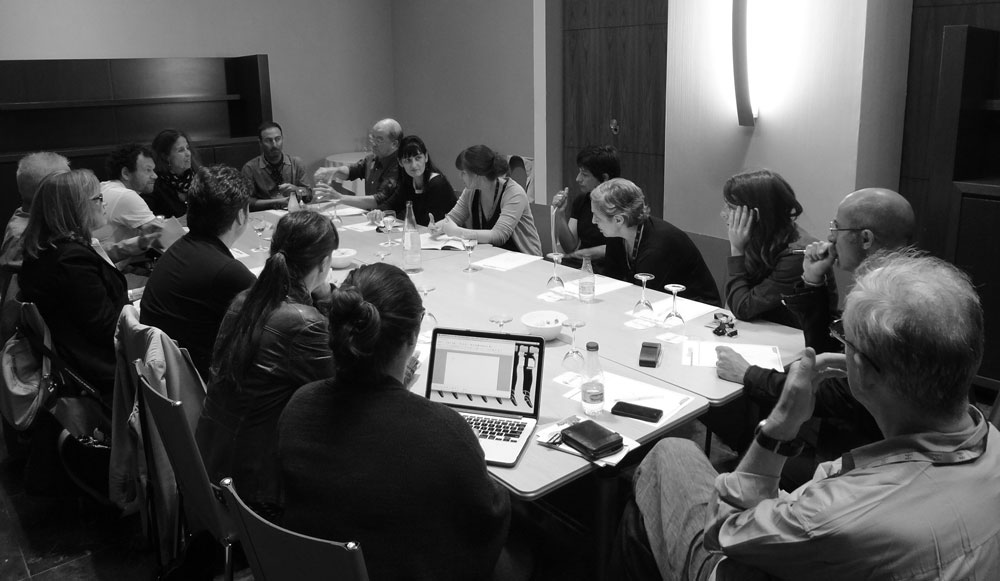
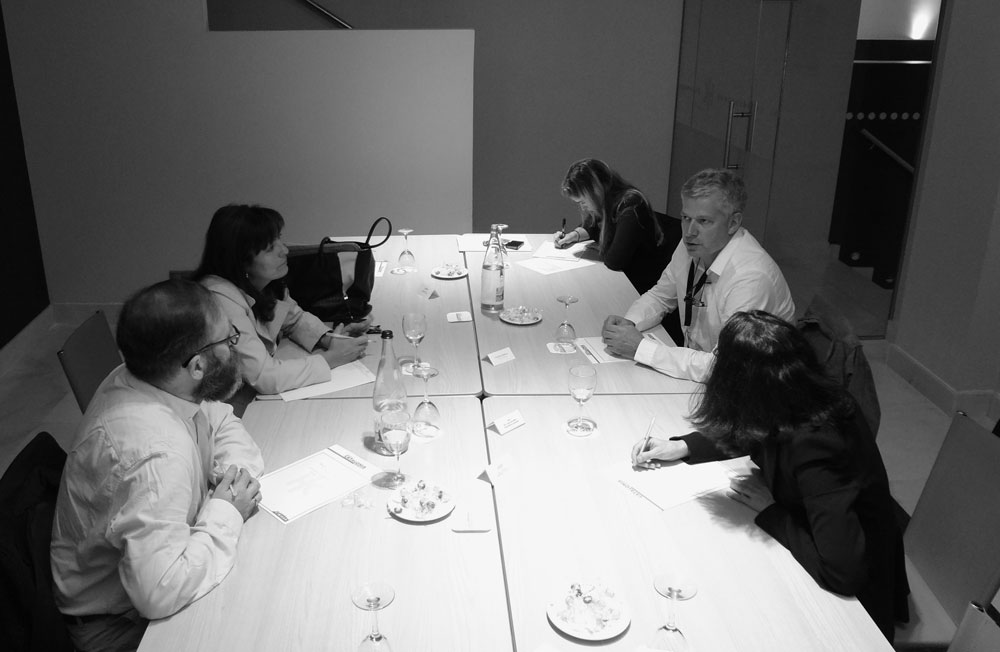
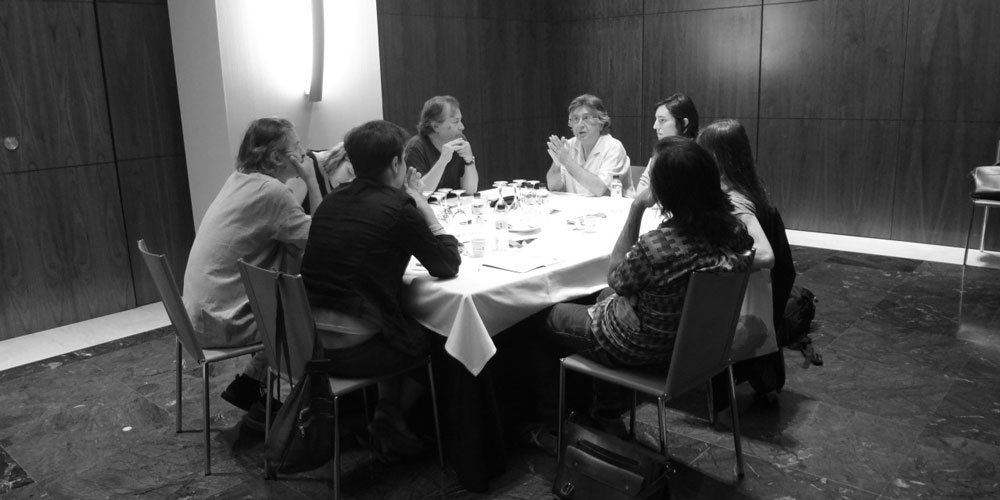
After a 1st meeting held during LOOP Fair 2016, FILMCLUB and LOOP Barcelona festival gather once again to organize a second meeting dedicated to Film Literacy entities and professionals in Catalunya.
The focus of the event is to create a communication bridge between experienced entities that promote film and other audiovisual art forms as pedagogical tools in schools.
In an open and horizontal space we will to share experiences, difficulties, necessities and think of ways to join our efforts as a community and find solutions and further develop our projects.
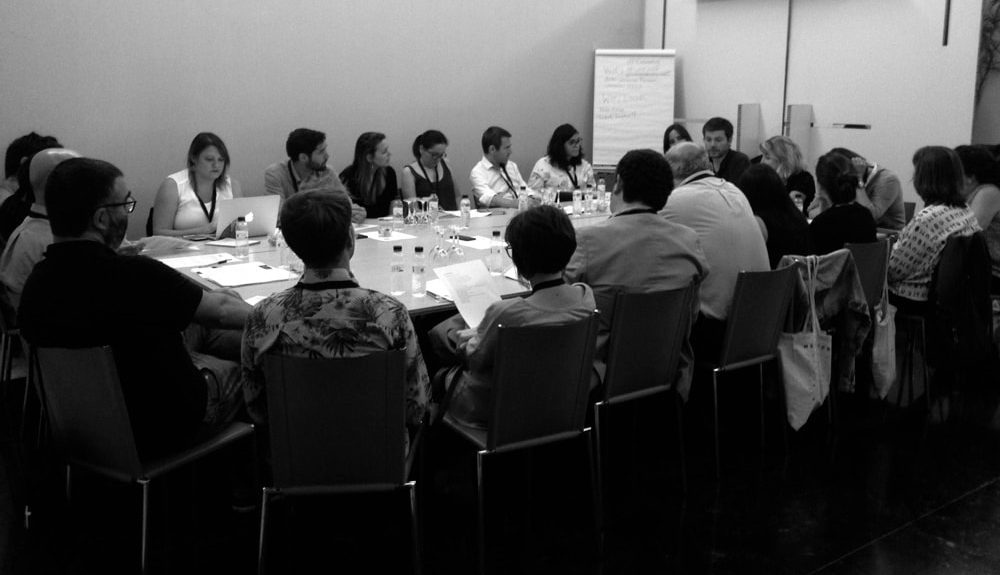
FILMCLUB and LOOP Barcelona organize a meeting between entities of the Film Industry that have implemented various actions related to the field of education. The purpose of this meeting is to discuss sustainable and scalable public development models. Producers, distributors and presenters as well as film schools and representatives in the field of educational innovation will present a wide panorama of experiences, difficulties and needs, as agents linked in the same cultural environment.
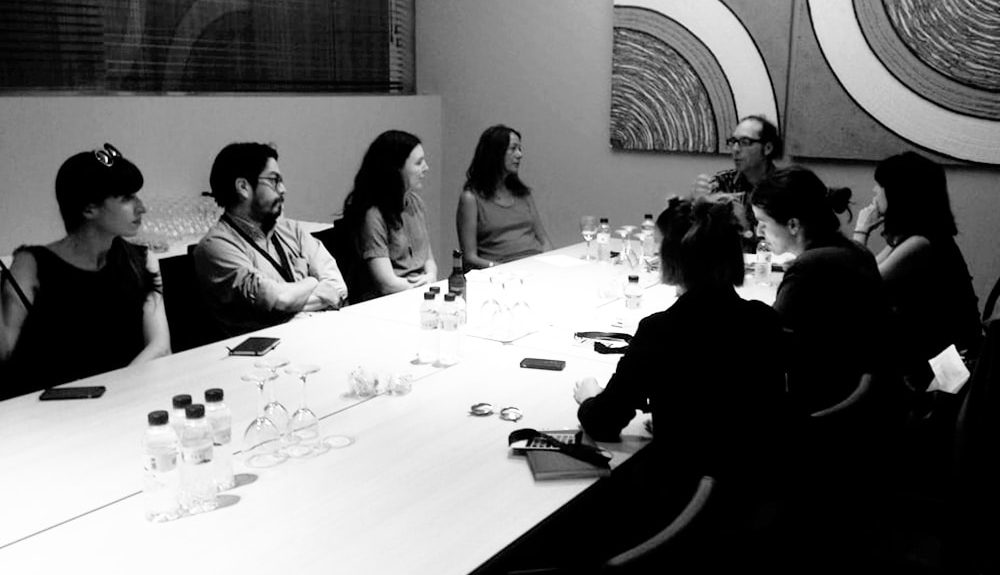
This meeting between curators of contemporary art – specializing in the moving image-, artists who frequent the discipline that contains images in time, film curators / programmers of cinema to screen single-channel – whether independent programs or programs meant to accompany other works-, or specialist teachers in the emerging discipline of the Time Based Media. It has committed to give voice to several agents to share their experiences, to try to better define their roles, and deepen the complex context of the curator, from their different aspects including any event, whether installation, audiovisual program, sample, etc.
The focus will be on sharing their points of view, research and challenges in the elements of space work (white cube / dark room), contextual (gallery / exhibition / festival / biennal / art fair), format support (film / video / digital-online), display (single-channel / multiscreen / virtual / augmented reality, etc.), temporal aspects (loop / linear defined, etc.), etc.; thus, deepening the aspects that modify the viewer’s perception in each case and in the dialogue -or imposition- that is stable with other “static” artistic disciplines.
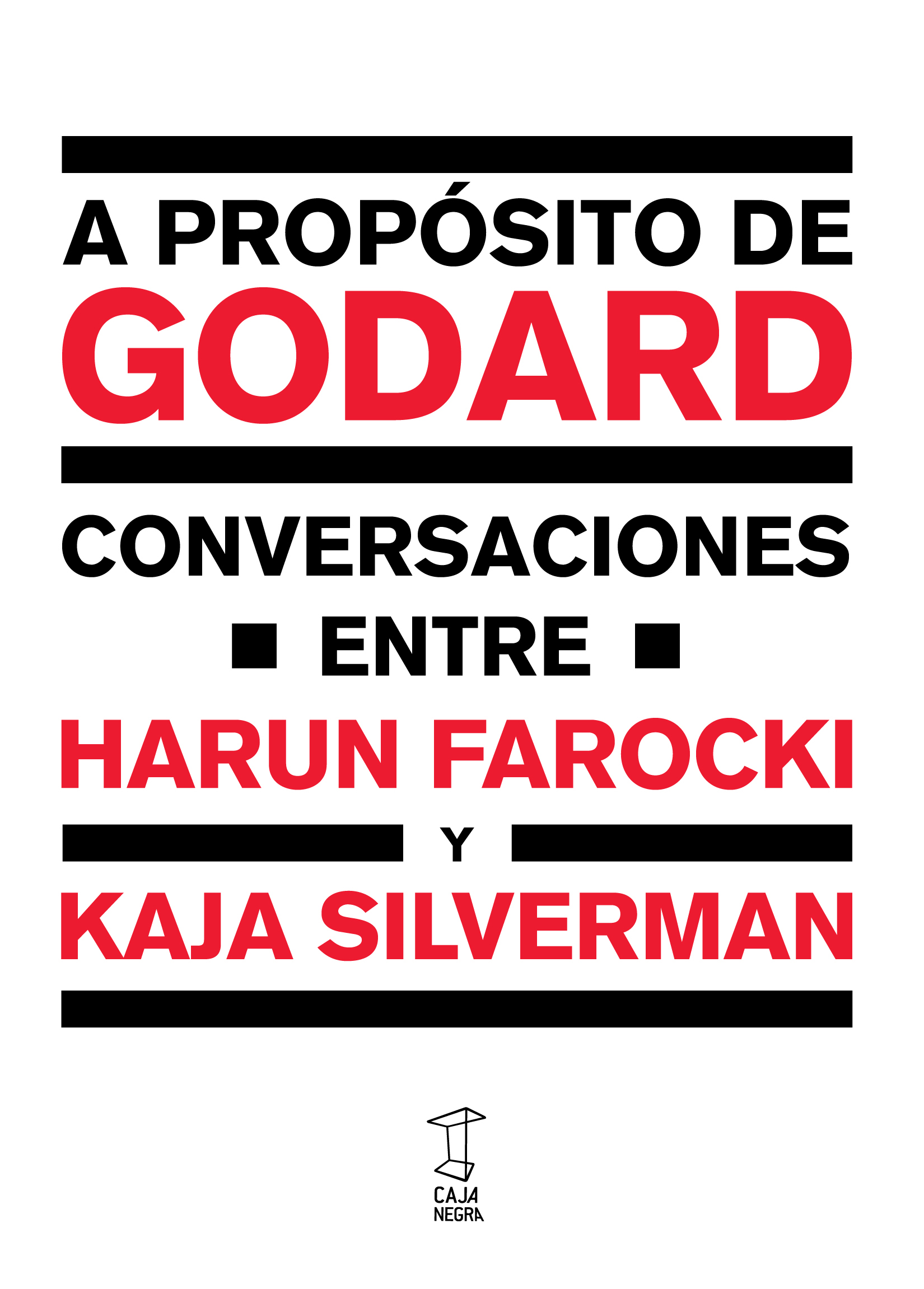
Harun Farocki
Colección: Synesthesia
Traducción de: Patricio Orellana
Prólogo de: David Oubiña
ISBN: 978-987-1622-46-7
Páginas: 320
Definido por sus autores como un “libro sobre parejas”, A propósito de Godard no se parece a ningún otro volumen jamás publicado sobre la obra del cineasta más prominente de la modernidad. Con un espíritu desafiantemente original que rehúye de los territorios recurrentes de la biografía o del ensayo crítico, Harun Farocki y Kaja Silverman abordan la filmografía de Jean-Luc Godard mediante la estructura de una gran conversación en la que analizan a fondo ocho de sus films más emblemáticos, de Vivir su vida a Nouvelle vague. De esta manera, cada capítulo se ocupa de una película, y cada película es desglosada secuencia por secuencia, plano por plano, hasta llegar a una reflexión precisa y lógica del film respaldada por su misma deconstrucción formal.
Por momentos un diálogo socrático en la oscuridad de la sala cinematográfica y por momentos una desgrabación de la clase magistral a dos voces, la conversación entre Silverman y Farocki articula el background académico feminista de la primera con la agudeza cinéfila del artista de vanguardia del segundo para componer una apreciación rigurosa pero intuitiva que funciona como un verdadero laboratorio de experimentación interpretativa. ¿Es este un libro de cine teórico o práctico? ¿Se trata de un texto marxista, psicoanalítico o semiótico? ¿Cuánto hay de cierto en que estas conversaciones deberían ser leídas, según han dicho por ahí, como cartas de amor? ¿Vale la pena saber, en este sentido, que los autores eran pareja durante la escritura de estos diálogos? La pregunta más importante planteada por Farocki y Silverman, no obstante, es mucho más sencilla: ¿por qué volver al cine de Godard después de tanto tiempo y con tanto lujo de detalles? Sostenida a lo largo de las páginas de este libro, la respuesta emerge una y otra vez como la convicción de que en todo cuestionamiento del arte pasado yace el camino hacia nuevos y luminosos interrogantes.
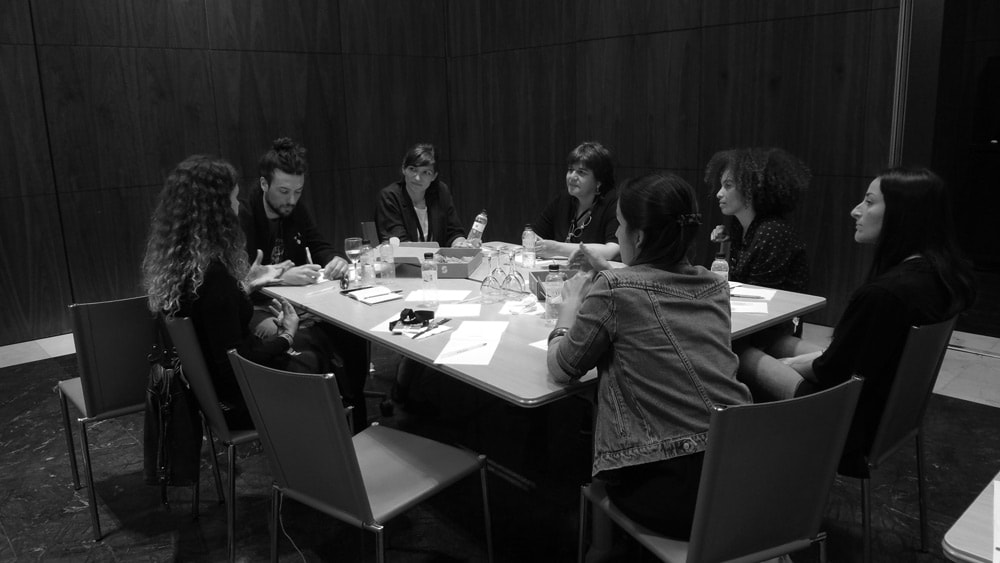
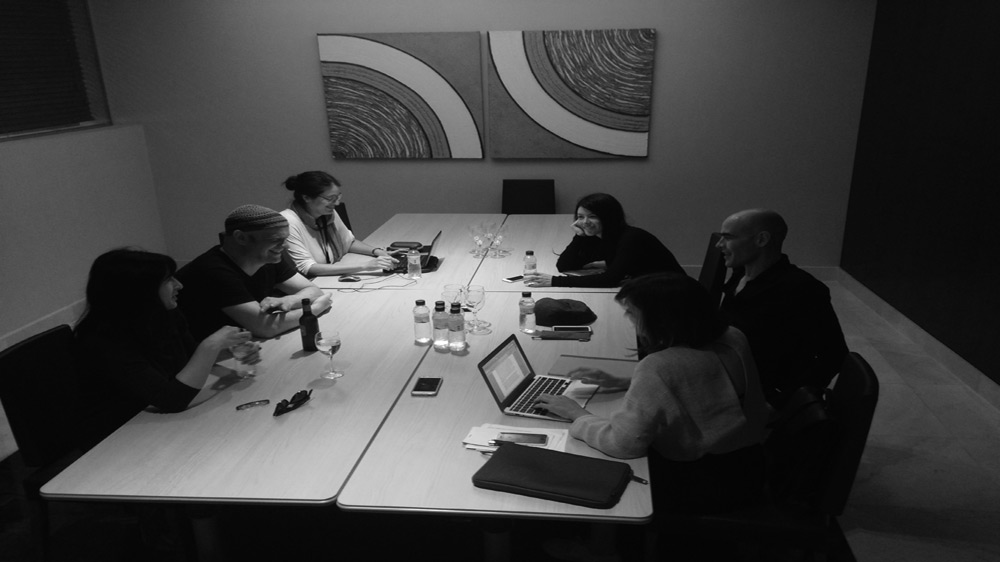
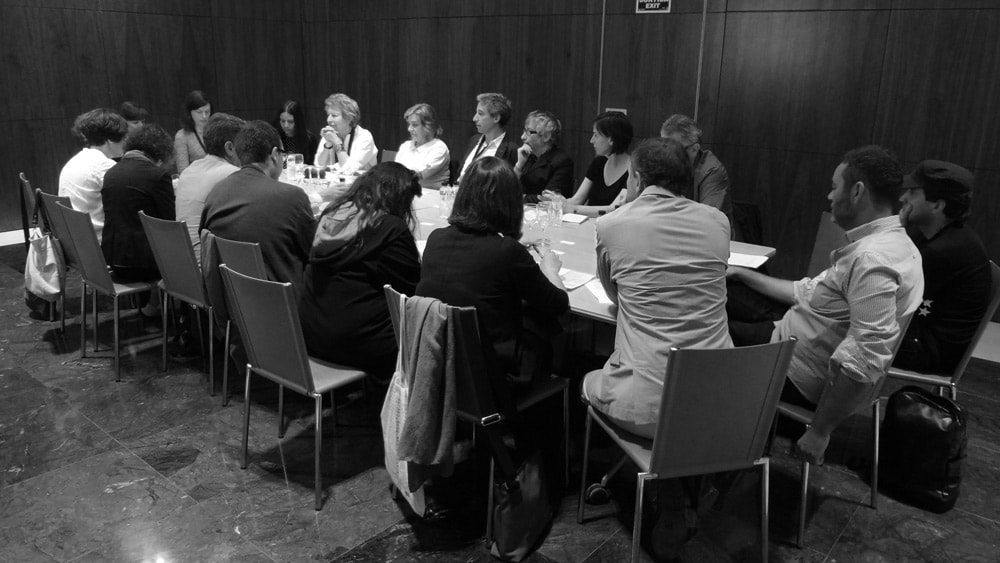
Diana Sans, Bòlit. Centre d’Art Contemporani, Girona
Antoni Jové, Centre d’Art La Panera
Antoni Perna López, Centre d’Art Tecla Sala de l’Hospitalet de Llobregat
Antònia Maria Perelló, MACBA
Arantza Morlius, Departament de Cultura / Generalitat de Catalunya
Carme Cruañas, Fabra i Coats: Centre d’Art Contemporani de Barcelona
Carlos Durán, LOOP
Conxita Olivier, Departament de Cultura / Generalitat de Catalunya
Emilio Alvarez, LOOP
Gisel Noé,
Jaume Reus, Arts Santa Mónica
Jordi Abelló Vilella, El Teler de Llum Centre d’Art de Tarragona
Marta Ramos, Comisaria
Vicent Fibla, Lo Pati – Centre d’Art Terres de l’Ebre
Oscar Abril, Sectors Culturals i Innovació de l’Institut de Cultura de Barcelona
Marta Gustá, Departament de Cultura / Generalitat de Catalunya
Rose Cupid, FLAMIN
Anne Marie Charbonneaux, Presidenta de Le Magasin de Grenoble
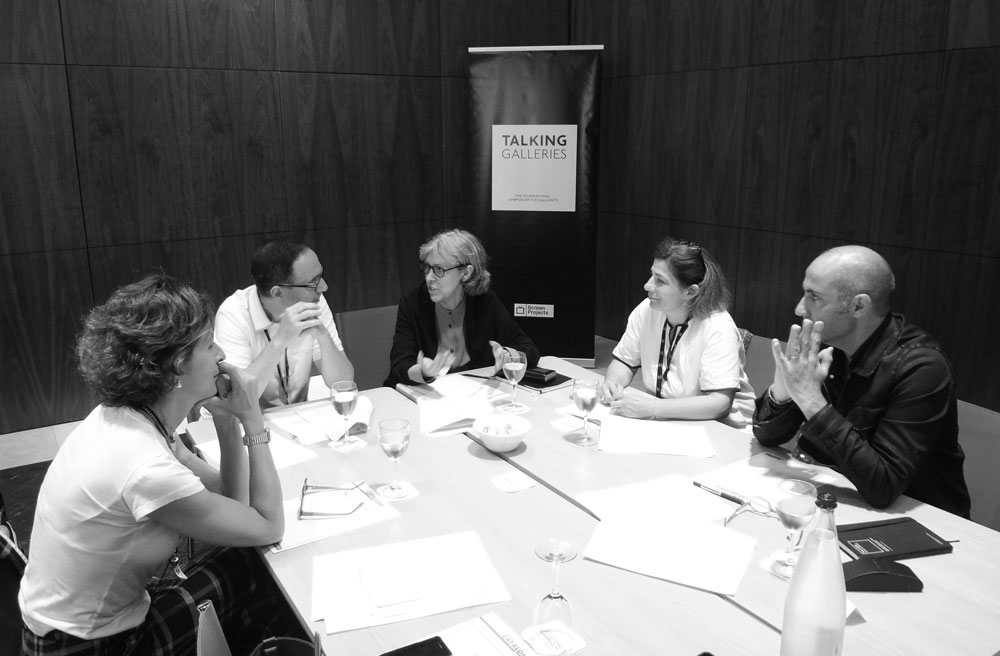
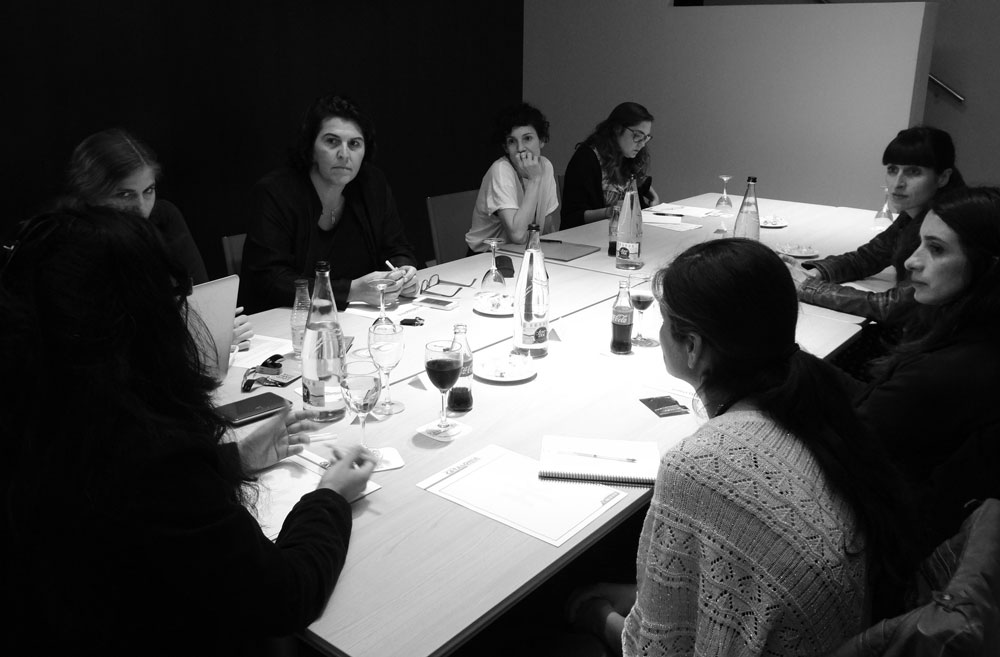
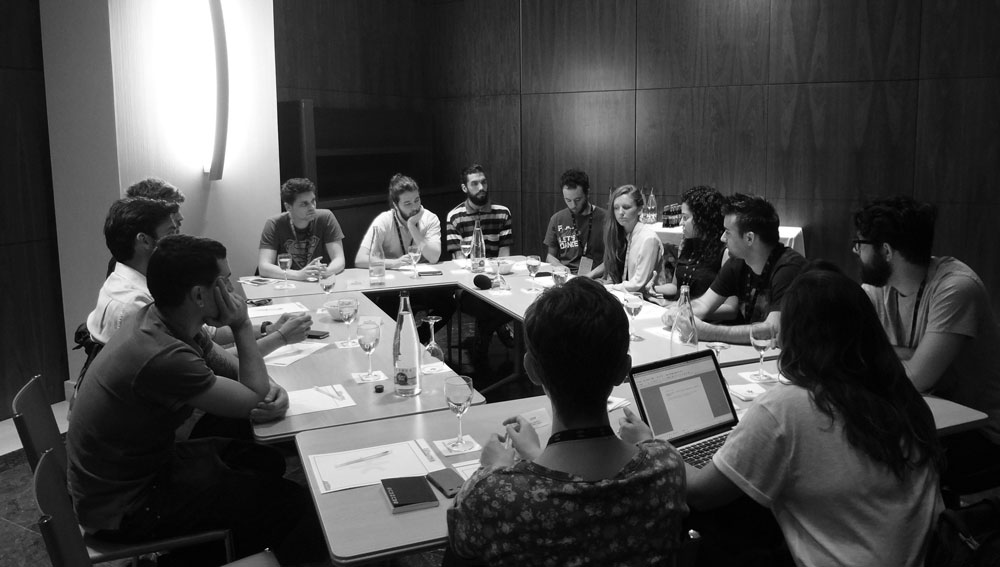
Read the summery (ES)
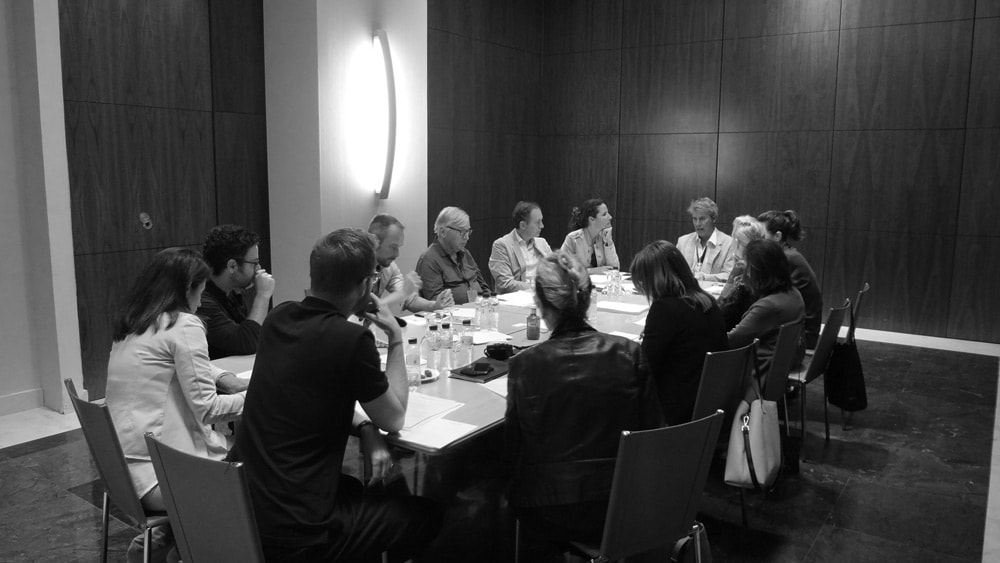
THE LOOP PROTOCOL – Three Party Audiovisual Works Acquisition Agreement, is a document for the acquisition of video art which was written up and agreed between representatives of the three parties involved: Artists, Galleries and Purchasers.
It has been used during LOOP Fair 2016 edition for the purchase of the video art pieces. Taking this fact into account, during the meeting, some amendments were proposed in order to improve the Protocol and to adapt it to any kind of jurisdiction.
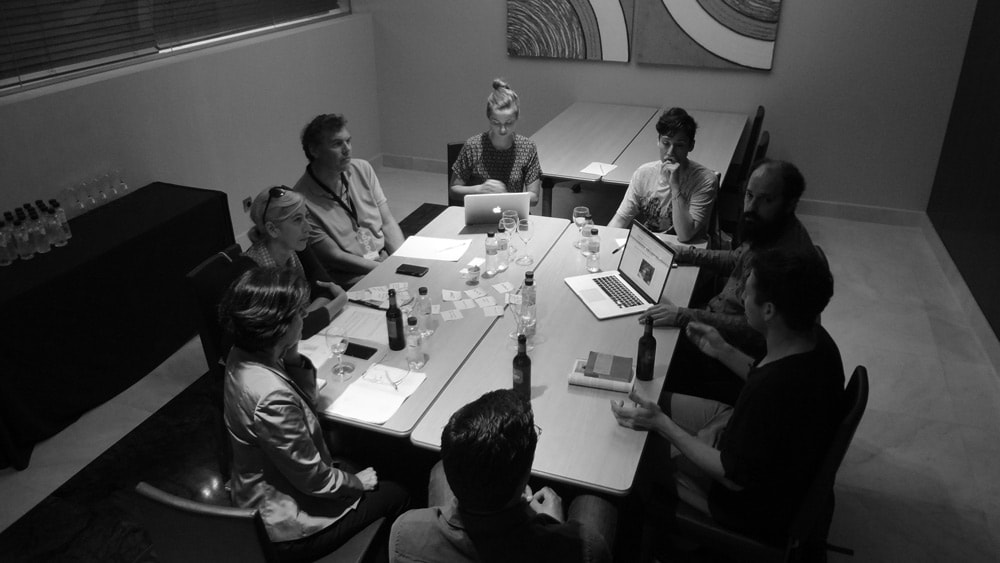
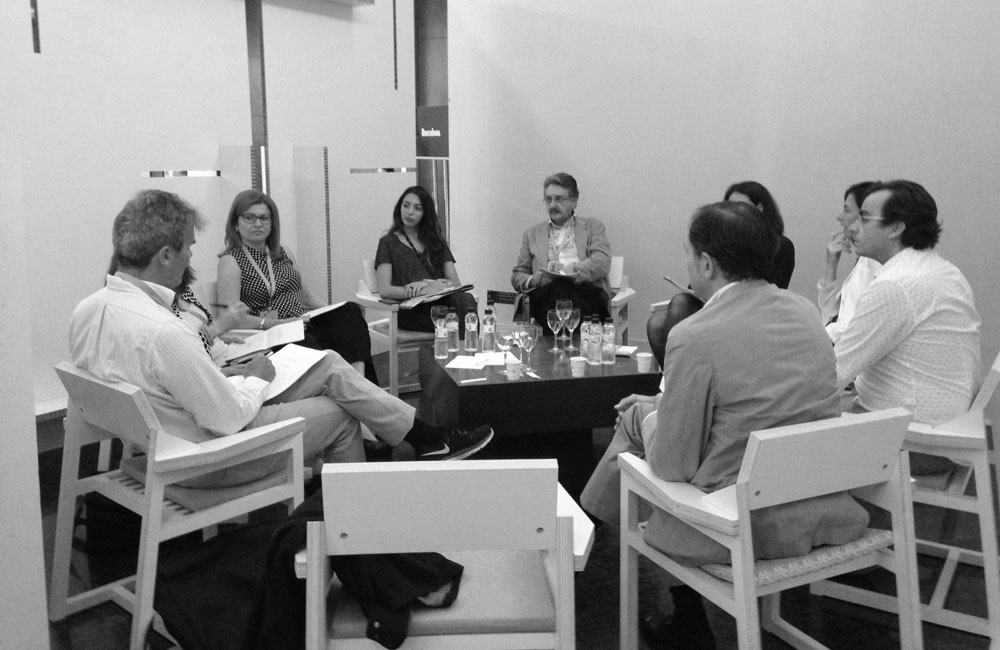
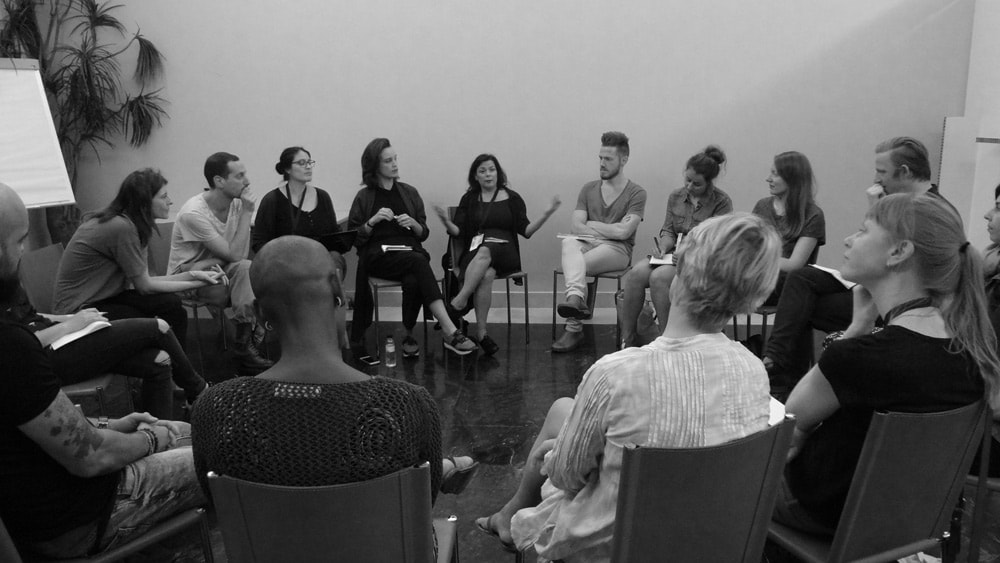
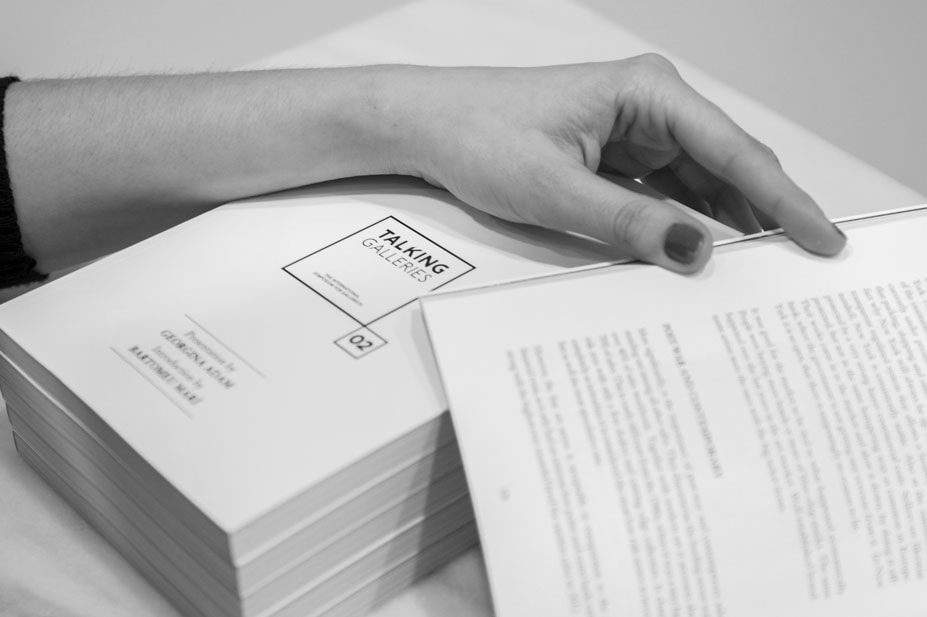
This session has limited seating.
Over the last few decades, we have witnessed the progressive migration of cinema to the art space, i.e. the intermingling between the so called “black box” and “white cube”, timidly started with the appearance in the late 1970s of video art departments and collections in public institutions. However, if museums seem to have quite promptly welcomed moving image based productions, private galleries proved to be more resilient – except for sporadic early experiments, such as that of gallerist Julian Levy in the 1930s and the duo Castelli-Sonnabend, forty years later. In departing from the acknowledgement of the galleries’ key role within the contemporary art ecosystem, this conversation between gallerists Ani Molnár (Budapest) and Anthony Reynolds(London), independent producer Jacqui Davies (London) and chaired by Gabriela Galcerán, will then take into consideration the challenges (or advantages) for an art gallery of representing artists that orbit between video art and cinema, and it will at the same time tackle the related issues of acquisition, display, production and distribution. According to film expert and critic Jonathan Walley, the latter are indeed the parameters, or “modes of film practice”, that should be deployed when evaluating, comparing or differentiating video art from experimental filmmaking. In addition, the gallery’s relationship to independent producers and private collectors, the notion of authorship, as well as the question of whether or not cinema and gallery goers could share the same interests will also be addressed.
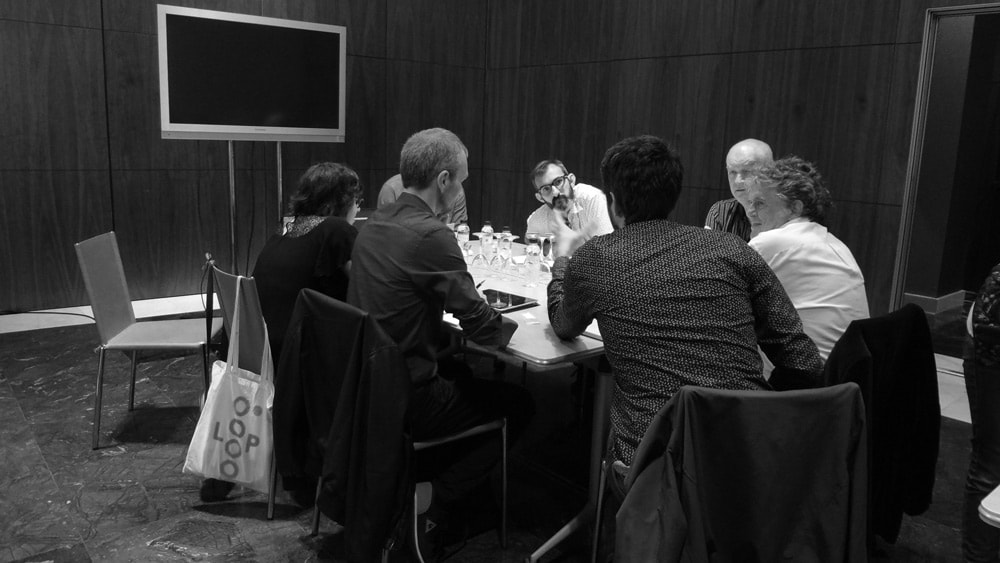
A round table gathering different profiles related to the audiovisual arts to discuss the question “is it possible to establish a return of audiovisual production towards the society, and which strategies or systems exists currently?”. As introduction to the debate a fragment of “La Asamblea 2.0” a work by Miquel Garcia will be shown, where through a participatory system he conducted an Assembly of Educators, Curators, Artists, and cultural Programmers to debate about artistic local production.
A lunch box will provided for 15€.
This session has limited seating.
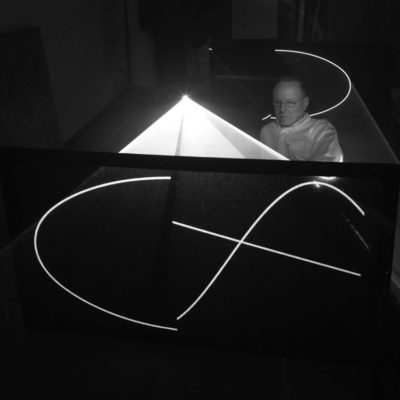
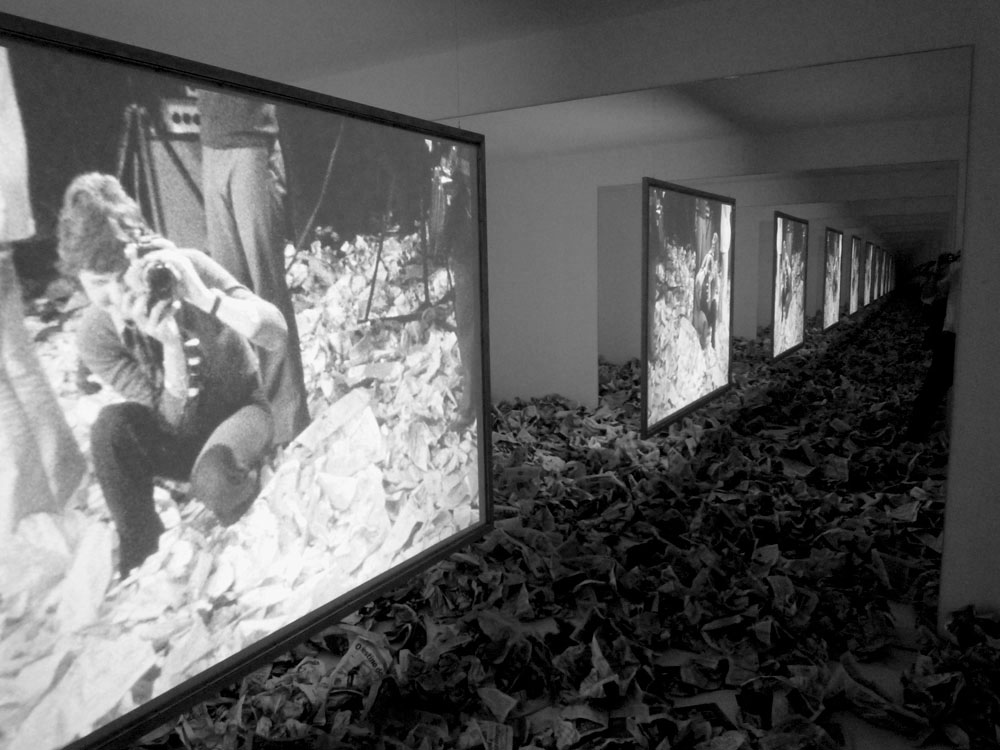
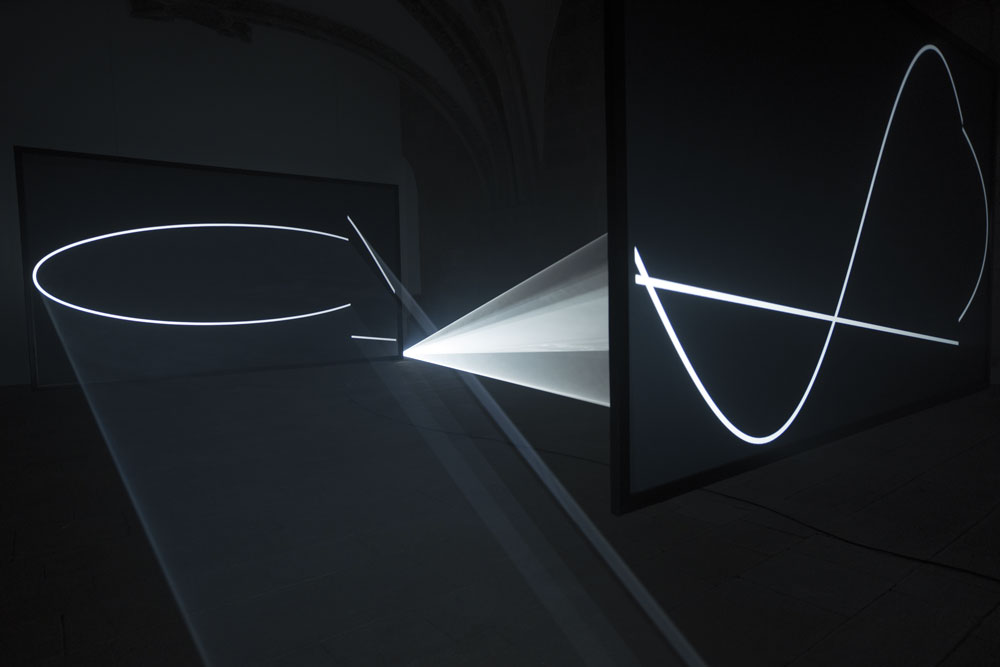
Since 1972 I have made a series of ‘solid light’ installations, from Line Describing a Cone in 1973, to Coming About in 2016. Within the series there are two distinct groups of works: one from the nineteen-seventies, made on 16mm film and horizontally oriented; the other, from 2000 to the present, made digitally, and in various orientations –horizontal, vertical and diagonal.
Most of these works are continuous, three-dimensional installations, projected in a darkened gallery or museum space, for an audience of visitors that come and go in their own time. It has been useful to me to think of them as occupying a zone somewhere between cinema, sculpture and drawing.
The twenty-year period between 1980 and 2000 was the period when the use of digital technology gathered speed; when “cinema” ceased to carry a capital ‘C’’ gradually fracturing into different shards and practices; and when art museums and other art world institutions like Biennials, expanded and proliferated. It was also the period when I made no new work.
Some of the differences between the early and late work have proved fertile. For instance, I have re-made early films (ie Line Describing a Cone 2.0) while retaining the original version in the world, which complicates the status of each; I’ve completed early performance works that resisted completion prior to the computer (like Circulation Figures); and I have lifted live performance ideas from the early seventies, like my progressively changing 36-point grid central to the “Fire” series and re-cast a similar grid into a programmable present (Eclipse, 2012).
My talk will review both the early and later works, and discuss this back and forth between the two periods.
©Anthony McCall, 2016
LOOP + Marseille expos
Talking Galleries + Estonian Contemporary Art Development Center
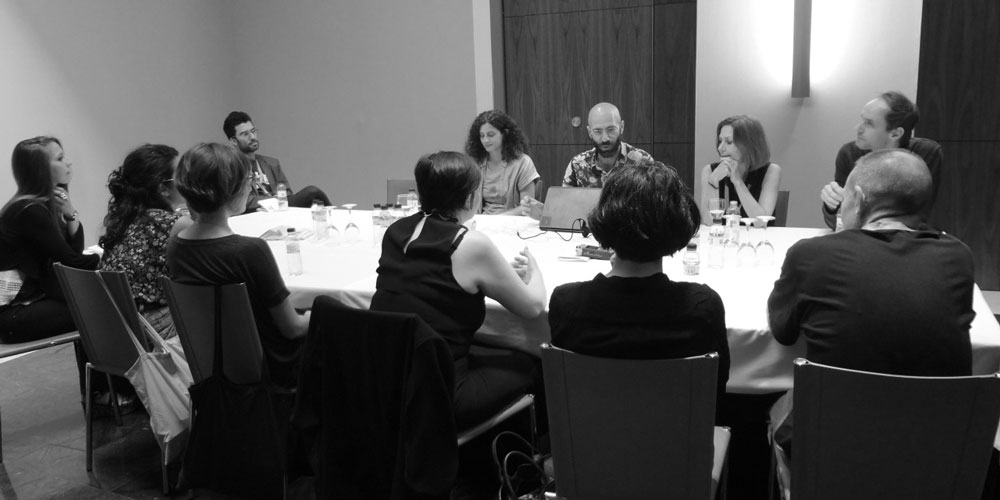
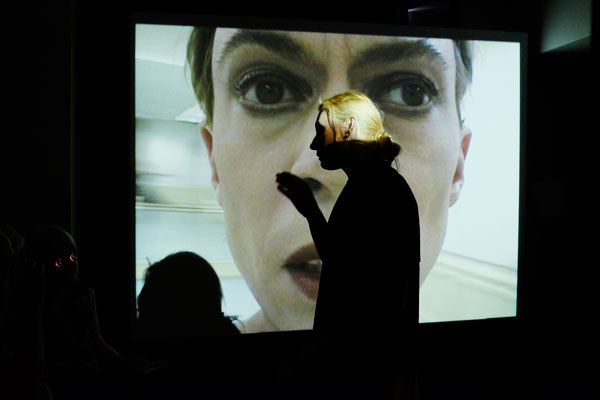
Since 2003, LOOP Fair has been the first fair devoted to video art and moving image, and an international meeting point for community-making
and debate.
The video projects have been sourced from artists and committed galleries supporting stimulating moving image initiatives.The selection of works has been undertaken by a committee of video collectors made up of Haro Cumbusyan, Renee Drake, Josée & Marc Gensollen and Isabelle Lemaître, and chaired by Jean-Conrad Lemaître.
To know about the participating artists and galeries 2016, visit here.
This session has limited seating.
Departing from the first Spanish survey dedicated to media artist Anthony McCall at the Fundació Gaspar (Solid Light, Performance and Public Works), independent curator and editor Gloria Moure converses with curators Caroline Bourgeois (Pinault Collection) and Sabine Breitwieser (Director, Museum der Moderne Salzburg) about the exhibition of cinematic sculpture or three-dimensional cinema in the art space.
Over the last few decades, we have indeed witnessed the recuperation of experimental film by galleries and museums as well as its resurrection as a plastic work of art, all of this being a symptom of artists’ general tendency to deploy always different formats and the testimony of a shared nostalgia towards the cinema’s early days. What does it mean for artists to address seemingly contradictory media such as film and sculpture? How does it change the gallery’s viewing conditions and how does it affect the audience’s reception? All of these questions will be tackled during the talk.
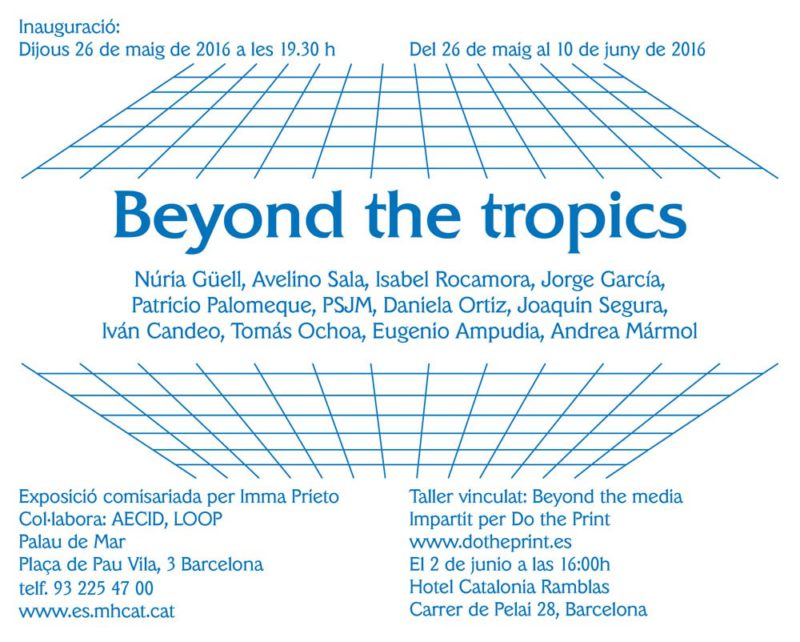
This workshop has limited availability. Participants will be provided with a certificate of attendance and granted free access to the Fair.
If you wish to attend, send an email to both DoThePrint - info@dotheprint.es - and Carolina Ciuti - loopstudies@screen-barcelona.com
OBJECTIVE: The aim of the workshop is to think about how moving images translate into printed media, and to analyse how to build a video or film catalogue. Following these premises, the printer will be used as the fundamental means to compose the publication.
METHODOLOGY: The catalogues of the artists participating to the exhibition will be used as basic documentation tools and will function as the point of departure to generate a new manuscript. The similarities of both visual and printed media will be encompassed and their languages analysed.
Tha maximum number of participants to the workshop is 12.
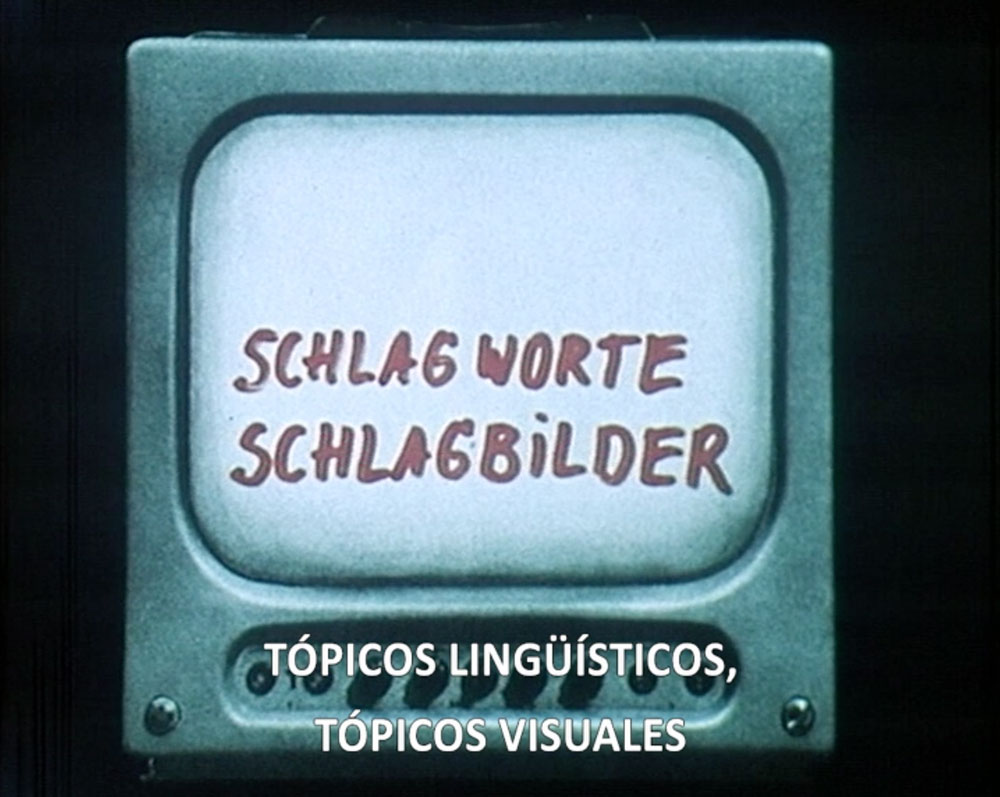
Registration to the workshop is required. Please send an email to projects@loop-barcelona.com by including your CV and short cover letter to justify your interest.
What is really the power of the voice-over? What is the relationship between a voice-over and the politics of an image? We intent to reflect on the different roles the voice-over has in contemporary art. Together, in collaboration with theorists and artists, and taking some examples from H.Farocki’s work, we will develop a critical phenomenology of the senses and of the uses of the voice-over in contemporary video.
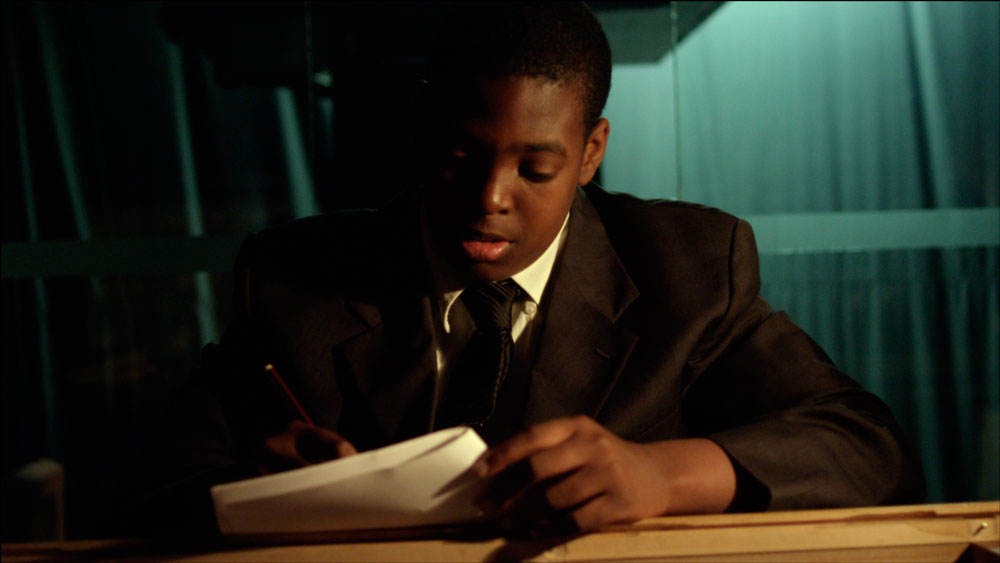
‘What power would you most like to have? How would you use it at school? At home? In your town? In the world? For yourself? For your friends?’ These were the question posed by Claudio Zulian to school pupils at Aulnay-sous-Bois (north of Paris), as the starting-point of his film.
Power No Power explores the representations of power, according to young people. Their personal experiences and relationships, as well as their vision of the world, provide the source for the investigation. The young actors were closely involved in the workshop scenario established by the artist to define the film’s setting, the stories and protagonists, and, thus, invited to discover the mysteries of a professional film shoot through a collaborative approach, which led Zulian to question his own practice.
*The film will premiere in Barcelona on June 3 at 6 pm, and the projection will be followed by a talk with the artist and the curator Diana Padrón.
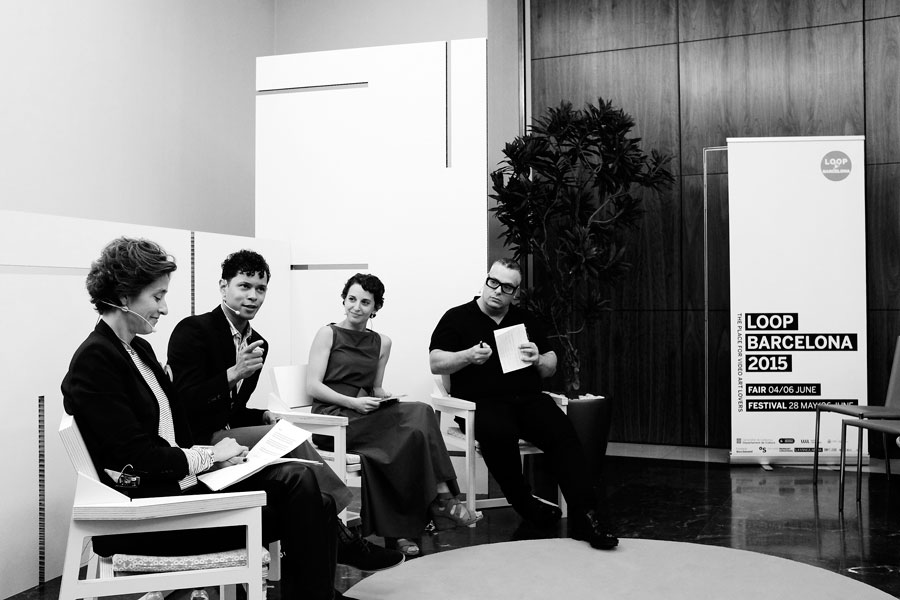
What is that leads collectors to commit to curatorial processes, apart from the will to pay justice to the artists beyond the market? Indeed, whether in the form of foundations or other sorts of creative projects, very often collections promote specific agendas by being opened to public enjoyment. In these cases, they evolve into vital platforms, aimed at exploring the social and at fostering the participation of either local and international communities. Accordingly and by encompassing different and international realities (the London-based not for profit Delfina Foundation; Kadist, a visual arts organisation and collection based in Paris and San Francisco; the private collection and foundation Leal Rios in Lisbon) this conversation thus addresses the shift from private acquisition to public commitment, while also exploring the role of collections as catalysts for artistic and social change.
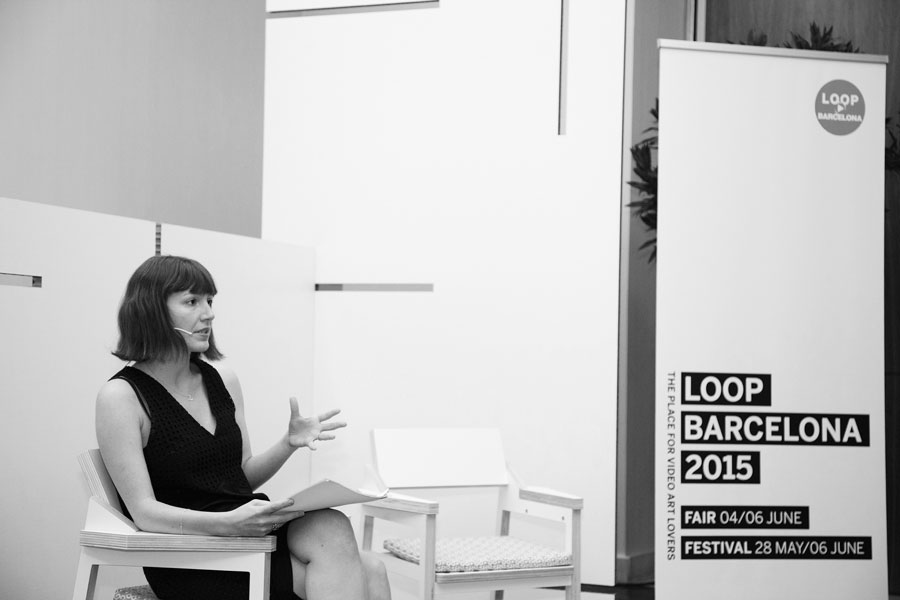
The sale of artists’ film and video as limited editions on the art market is an increasingly dominant form of distribution, displacing both the rental model of the co-ops and the sale of uneditioned works. The widespread espousal of editioning represents a reining in of the inherent reproducibility of the moving image and its wholesale recuperation into the symbolic economy it once compromised, that of the unique work of art. The rise of this model has provoked considerable controversy. For some, its artificial scarcity goes against the inherent qualities of the medium and betrays promises of access and democratization; for others, it represents the only way film and video will be taken seriously by museums and the most viable economic model to support the livelihood of artists.
Influenced by the practices of late nineteenth-century printmaking, the idea of selling artists’ films as limited editions arises in the early 1930s but remains unrealised at that time. Throughout most of the twentieth century, attempts to edition film and video consistently failed to achieve market viability. This changes in the 1990s, when a number of factors align to make such a model of distribution not only possible, but increasingly preferred. This talk unfolds this history, proposing an account of the reasons behind the increasing adoption of the limited edition over the past twenty years, and explores what implications this development has for the distribution and acquisition of film and video today.
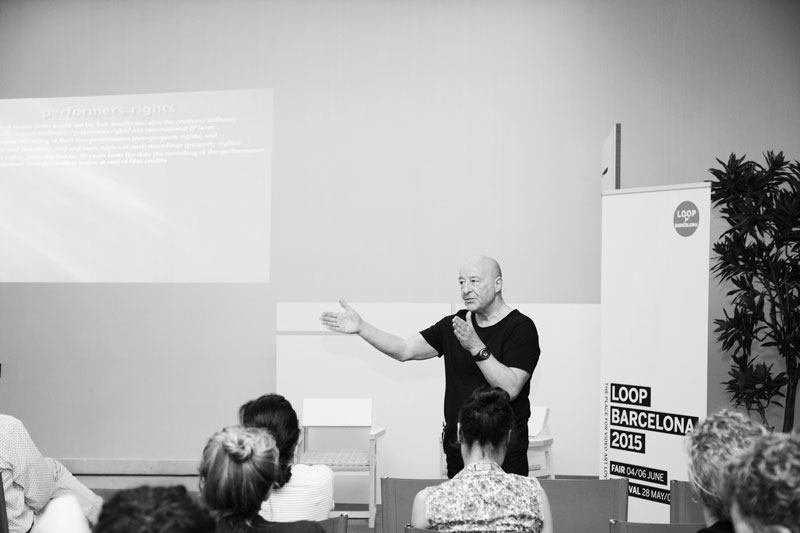
Duchamp planned all his artwork: he made copious notes, sketches, models, maquettes, and trial assemblages; he carefully archived planning material, not only for his own reference but also for what he called “the posterity”. He also meticulously and assiduously planned for art after death: throughout the last twenty years of his life he worked secretly on conceiving, sourcing and fabricating materials for, and trialing assembly of, an installation work. Duchamp died in 1968 and, following his directions and instructions, his named trustees assembled and exhibited the work at its intended location in 1969. The Philadelphia Museum of Art continues to own and show this now iconic posthumous work, Étant donnés, 1946-66, through which Duchamp posthumously delivers the completion of his artistic explorations.
Most artists give little if any thought to posterity. The job of artists’ future estate executors and administrators could be greatly facilitated by living artists embracing within their practices, from the outset of their careers, straightforward and undemanding planning measures.
This session explores key issues involved in and arising from the death of an artist, which practicing artists – regardless of their artistic skill, market or critical value – may find stimulating and useful during their working lives: contracts for sale and for lending, including the licensing of public showings of their works.
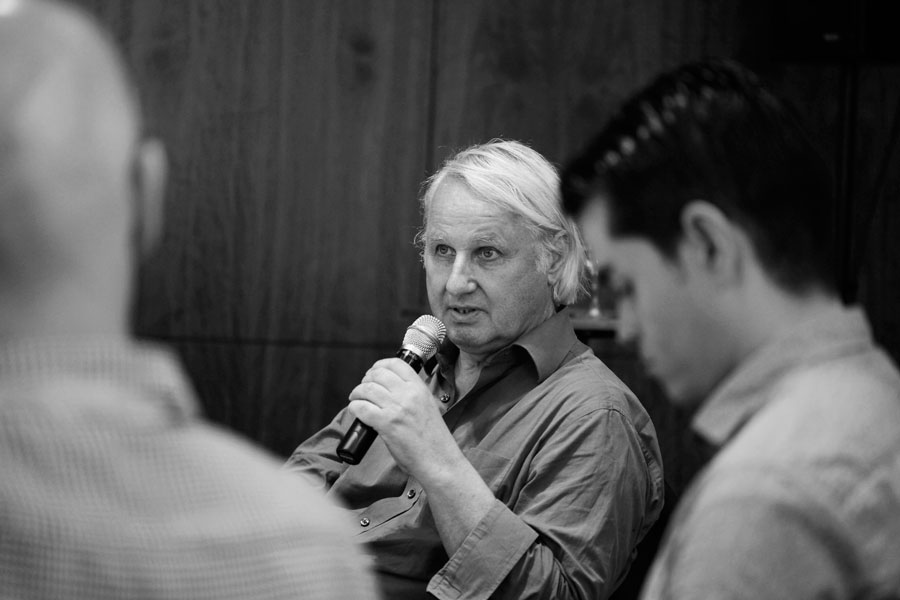
As an architect and pioneer of Sound Art, Bernhard Leitner explores the fundamental relationship between the sound, the space and the human body. His work focuses on spatial creativity, and sound is deployed as the very medium to mold and structure the space. During this session, Leitner discloses his oeuvre, by encompassing a studied selection of significant works made between the early Sixties and the current days.
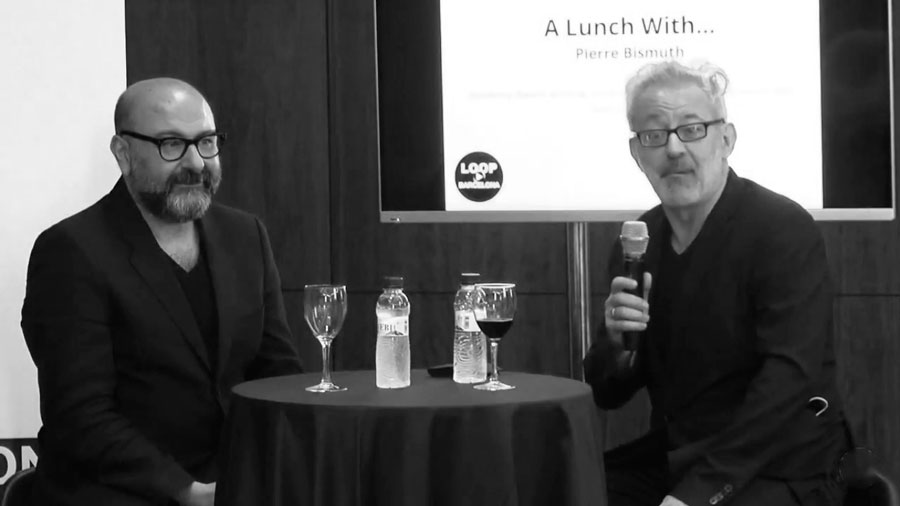
Back in 1997, Bartomeu Marí curated Pierre Bismuth’s first solo exhibition at Witte de With Contemporary Art Centre in Rotterdam. The city was then a vital hub for contemporary art practices and the exhibition consecrated Bismuth’s work on an international scale. This conversation aimed at retracing the evolution of the artist’s practice, while it also functioned as an occasion to more generally linger on the changes that interested contemporary art production and criticism from the late 1990s until today.
![An Aperitivo with the alt[AV] Group](https://fervent-sinoussi.5-196-224-241.plesk.page/wp-content/uploads/2016/04/altav-min.jpg)
As a network of artists, curators, thinkers and cultural agents, the alt[AV] – Alternative Audiovisual Network from Brazil, proposes a discussion on new paradigms towards collecting, distributing and exhibiting, as well as a reflection on the market for Video and Moving Image practices at large. The talk not only highlights cases of success, but it also encompasses experiences that bring new perspectives over industrial and formal standards (as, for instance, the museological). In bringing about an exhaustive analysis of the features constituting so unique mediums as Film and Video, it spans both the contextual role of private collections in the Multimedia Age, the notions of intellectual property, proprietary platforms and network services, as well as the online and offline status of a video, before being stored (i.e. the possible stages of a multimedia piece’s life).
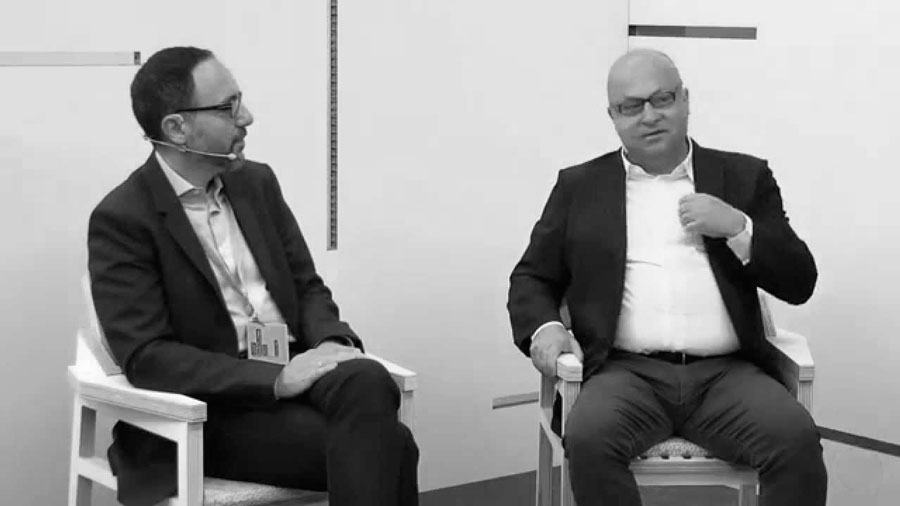
By gathering together international collectors to participate into one-to-one conversations, ‘Collecting Live’ resulted into a concise yet insightful roundup on different collecting strategies. To trigger the session, Haro Cumbusyan interviewed Turkish collector Agah Ugur and the result was an interesting reflection on video as a collectible, on its feature as a vehicle for anthropological critic, as well as on the current milieu in Turkey, its religious and cultural controversies.
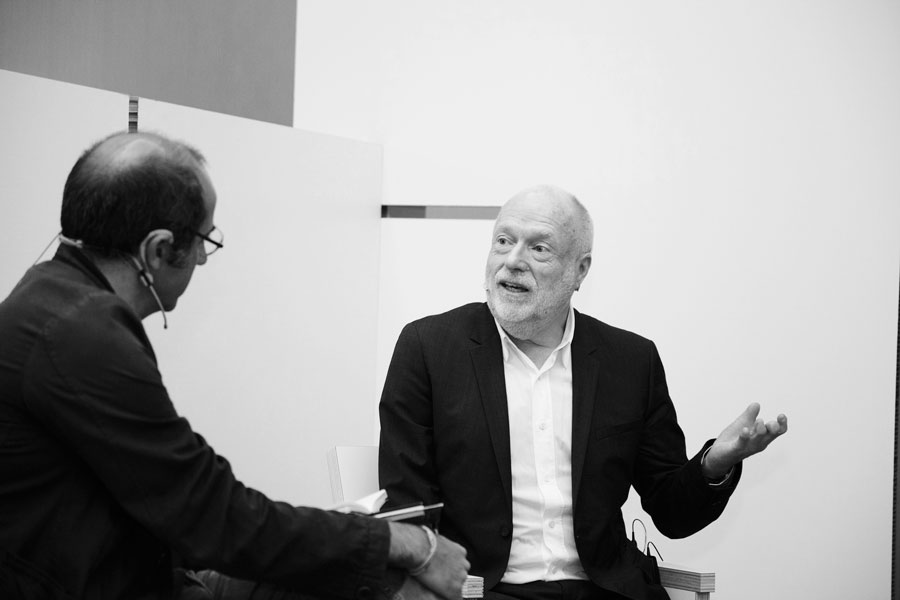
By gathering together international collectors to participate into one-to-one conversations, ‘Collecting Live’ resulted into a concise yet insightful roundup on different collecting strategies.
In the context of this conversation, Han Nefkens outlines his activity as an activist, his tireless and disinterested support to the arts and his relationship to the Moving Image. More than a collector, Nefkens is an ‘arts patron and benefactor’, whose commitment is aimed at accompanying artists througout the very process of conceiving and later producing a work. Rather than being interested in the acquisition of a finished work, Nefkens indeed puts his effort to literally ‘give birth’ to a piece, in this way becoming a proactive co-producer of artists’ ideas. Accordingly, the artists films and videos he collects become means towards social and political reflection.
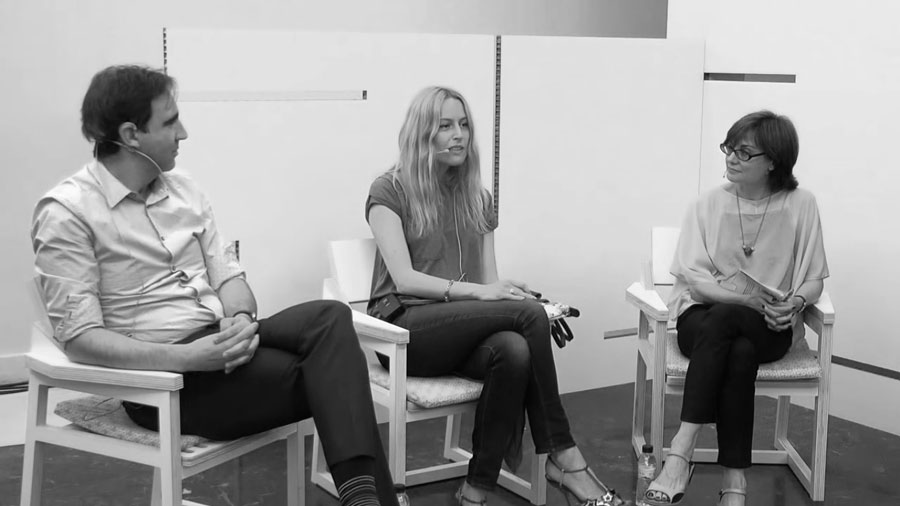
Starting by introducing their recently born project ‘A Window in Berlin’ (2013), Ángel and Clara Nieto talk about collecting as a ‘statement’, as a fundamental act that irremediably mirrors one’s identity and beliefs. Accordingly, their collection literally features as a window into Iberian-American culture, providing the city of Berlin with powerful visual insights into a foreign dimension. Through this project, the act of collecting ultimately translates into a tool to merge and mingle diverse cultural universes, while it functions as way to open up a space for international collaboration, too.
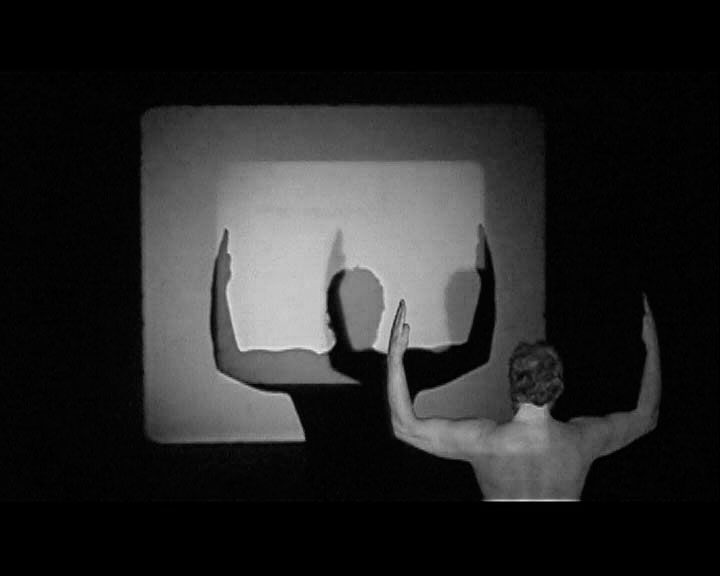
This session has limited seating.
One of the seminal filmmakers to emerge from the London Filmmaker’s Cooperative in the 1960s, Malcolm Le Grice’s oeuvre spans cinema and gallery, analogue and digital, theory and practice. Deemed by the British Film Institute to be “probably the most influential modernist filmmaker in British cinema,” Le Grice is known for his rigorous interrogation of filmic materiality, innovative engagements with found footage, expanded cinema experiments, and commitment to a politicized critique of the illusionism of Hollywood cinema. More recently, he has engaged deeply with the aesthetic possibilities of digital technologies, including digital 3D. In this conversation, Le Grice will discuss the guiding concerns of his nearly-fifty year career as an artist and writer, and will reflect upon how the relationships between art and the moving image have developed and transformed since the 1960s.
Seating is limited for this session.
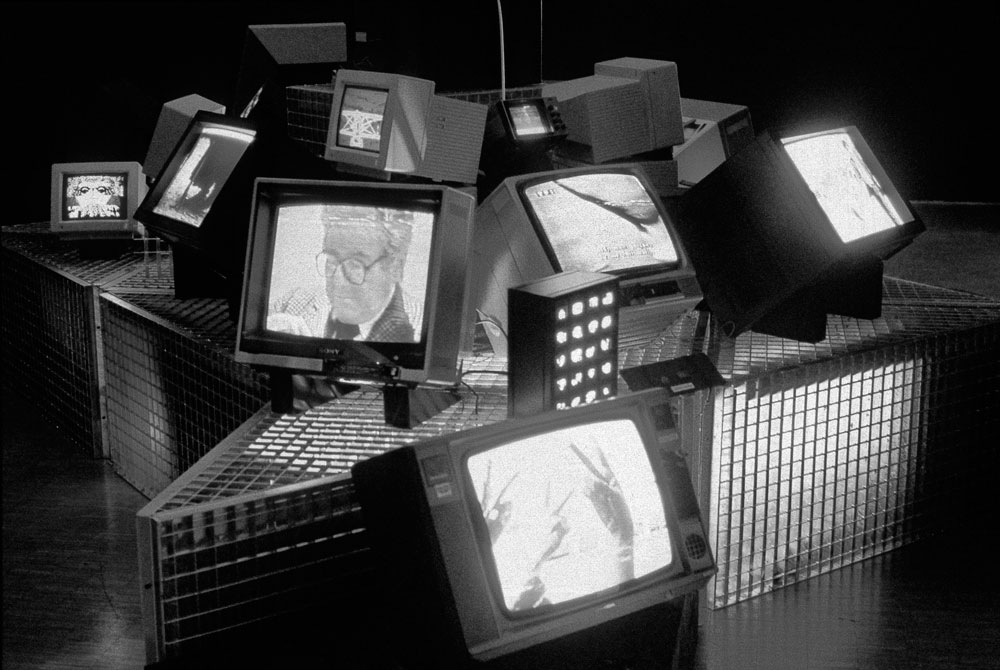
In November 2015 part of Harun Farocki’s estate moved to a separate area in the new archival spaces of the “Arsenal–Institute for Film and Video Art” at silent green Kulturquartier in Berlin. The holdings are including film and video material (especially “odds and ends”) and various other materials on Farocki’s individual projects. One of the goals of the Harun Farocki Institute is to preserve and provide access to the extensive holdings in order to facilitate scholarly, artistic, or curatorial work tp those who are interested.
The Harun Farocki Institute was founded in 2015. It is both a platform for research on the practice and work of Harun Farocki and a flexible framework for new artistic, scholarly, and pedagogical projects that investigate the past, present, and future of visual culture. “With such an institution we can also organize an association of working people, not gathered from an abstract understanding, but from the contact points of work.” (Harun Farocki, 1976)
Seating is limited for this session.
The Centre Georges Pompidou exhibition Passages de l’image, curated by Christine van Assche, Raymond Bellour, and Catherine David in 1990, marks a key turning point in both the exhibition of moving images in a gallery setting and the reconfiguration of the relationship between art and cinema that has taken place in the last 25 years. Comprised of a gallery exhibition, an extensive film programme, and a viewing room for “synthetic images,” Passages de l’image defied traditional museological practice to stage an investigation of the intermedial “passages” across cinema, photography, video, and digital images. In so doing, it delineated a field of inquiry that would be taken up internationally throughout the 1990s and which remains pressing in our contemporary moment. This conversation between Raymond Bellour, Christine van Assche, and artist David Claerbout, chaired by Erika Balsom, will revisit Passages de l’image in light of the present in an attempt to chart the legacy of this landmark exhibition. The panellists will together consider how its central questions – such as the relationship between stillness and movement, the changing character of analogy in an increasingly digital culture, and the place of cinema in the museum – continue to resonate with us today.