Pavelló Mies van der Rohe
- Address
- Avinguda Francesc Ferrer i Guàrdia, 7, 08038, Barcelona
- Phone
- +34934234016
- Website
- miesbcn.com
- Map
- View map
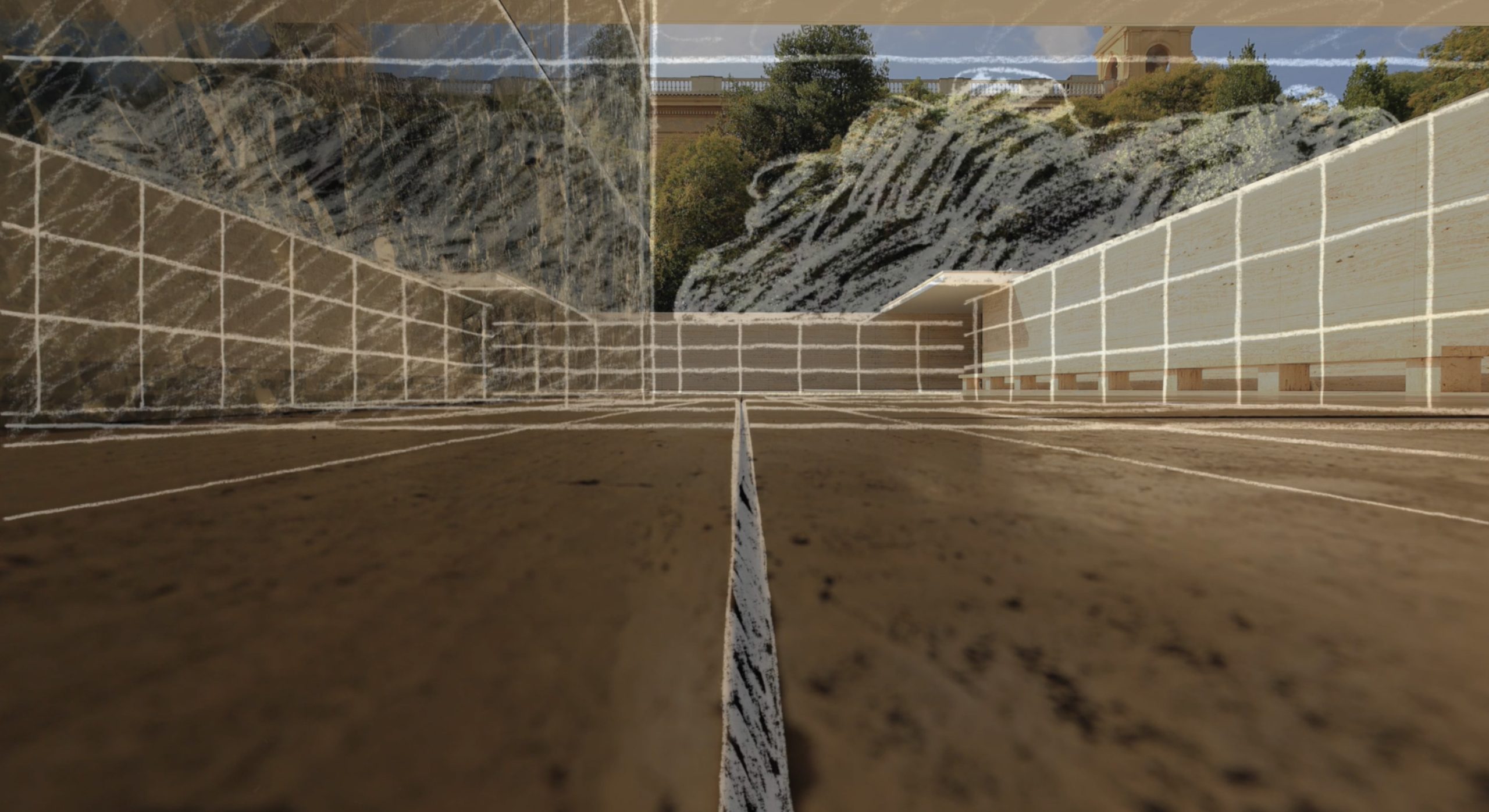
The art critic Rosalind Kraus has said that the modernity of the Barcelona Pavilion (Mies van der Rhoe / Lilly Reich, 1929) depends on its grid, and that this grid announces “modern art’s will to silence, the his hostility to literature, to narrative, to discourse”. The first part of this statement is revealing, the second is misleading. It is true that the main contribution of the Barcelona Pavilion to modernity is related to the grid; but this grid is not hostile to culture and nature since it integrates them holistically, even if it does not imitate them. The Grid is a visual project that questions the particular and exemplary way in which the Barcelona Pavilion celebrates culture and nature. The methodology used consists of representing the building from several points of view strictly annexed to the task imposed by the material construction. The alignment of the view with the horizontal joints of the floor allows the shiny travertine pieces to assimilate the surrounding buildings, trees and, as a whole, the blue Mediterranean sky that is always omnipresent at the site. On the contrary, by aligning the frame with the vertical joining lines they enhance the landscape, the human presence (even when uninhabited) and nature, while the building itself usually melts between infinite and multiplied symmetries. The Grid addresses those tensions between rational and perceptive, aesthetic and intellectual, freedom and law, flow and order that are still active components of contemporary life, challenging, in a strictly artistic way, the theoretical production around this fundamental piece of modern architecture. Aesthetic experiences will not generate conclusions or prove anything, but they certainly leave indelible marks on those who are ready to experience them. The Grid challenges the separation between feeling and thought, body and mind, materiality and idealism by making visible the alternative wholeness that is intimately associated with the kind of intelligent perception that art demands and enables.
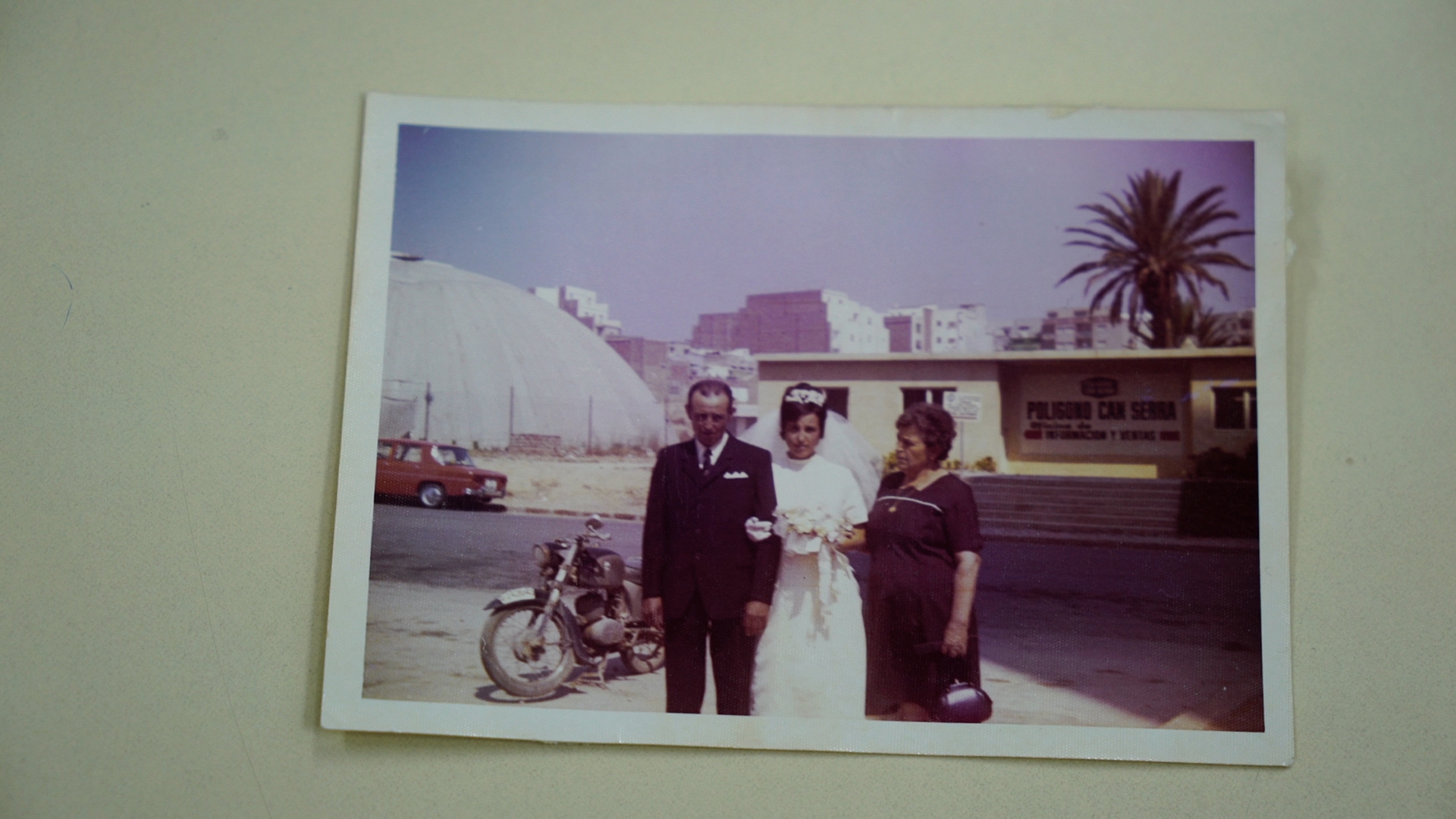
La carpa aims to investigate the process of construction, use and disappearance of a removable theater installed at the end of the sixties in l’Hospitalet de Llobregat, the work of the Murcian architect Emilio Pérez Piñero. This research is based on the account of direct testimonies: neighbors, city council workers and relatives of the architect. Being temporary and ephemeral, many of Emilio Pérez Piñero’s works only survive in memory, like a ghost, but the case of La carpa is special because its current whereabouts are unknown.
Co-financed with funds from the Creative Europe Program and the project A-PLACE. Linking places through networked artistic practices.


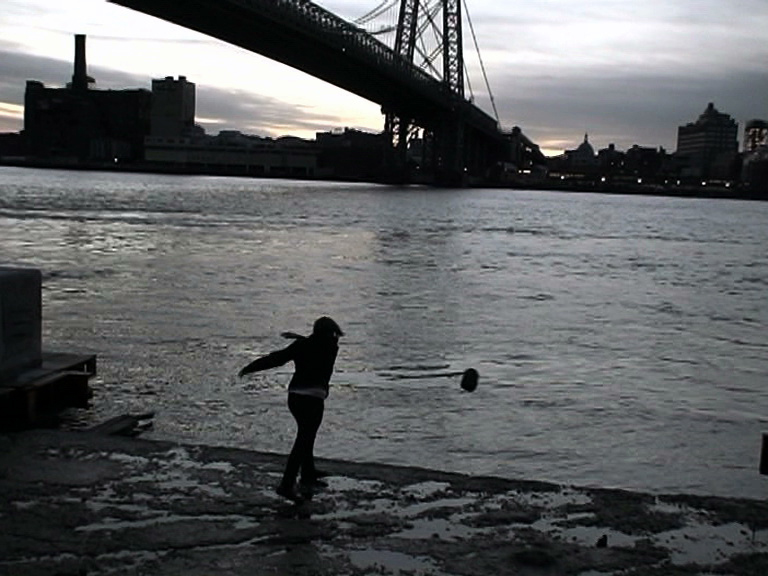
This year marks LOOP’s first collaboration with the Julia Stoschek Collection, a private collection specializing in time-based art in Düsseldorf and Berlin. With more than 850 works by 255 artists from around the world, the collection spans video, film, single and multi-channel moving image installation, multimedia environments, performance, sound and virtual reality. Photography, sculpture, and painting supplement its time-based emphasis. Characterized by an ever-growing technological convergence and an interdisciplinary approach, the collection is unique in its heterogeneity. Within the framework of this collaboration, the Pavilion Mies van der Rohe will host a selection by Swedish artist Klara Lidén (Stockholm, Swiss, 1979) that belong to the collection. With the title Kasta Macka, the exhibition will propose a reflection on the relationships between body and space, a central theme in the programming of the pavilion itself.
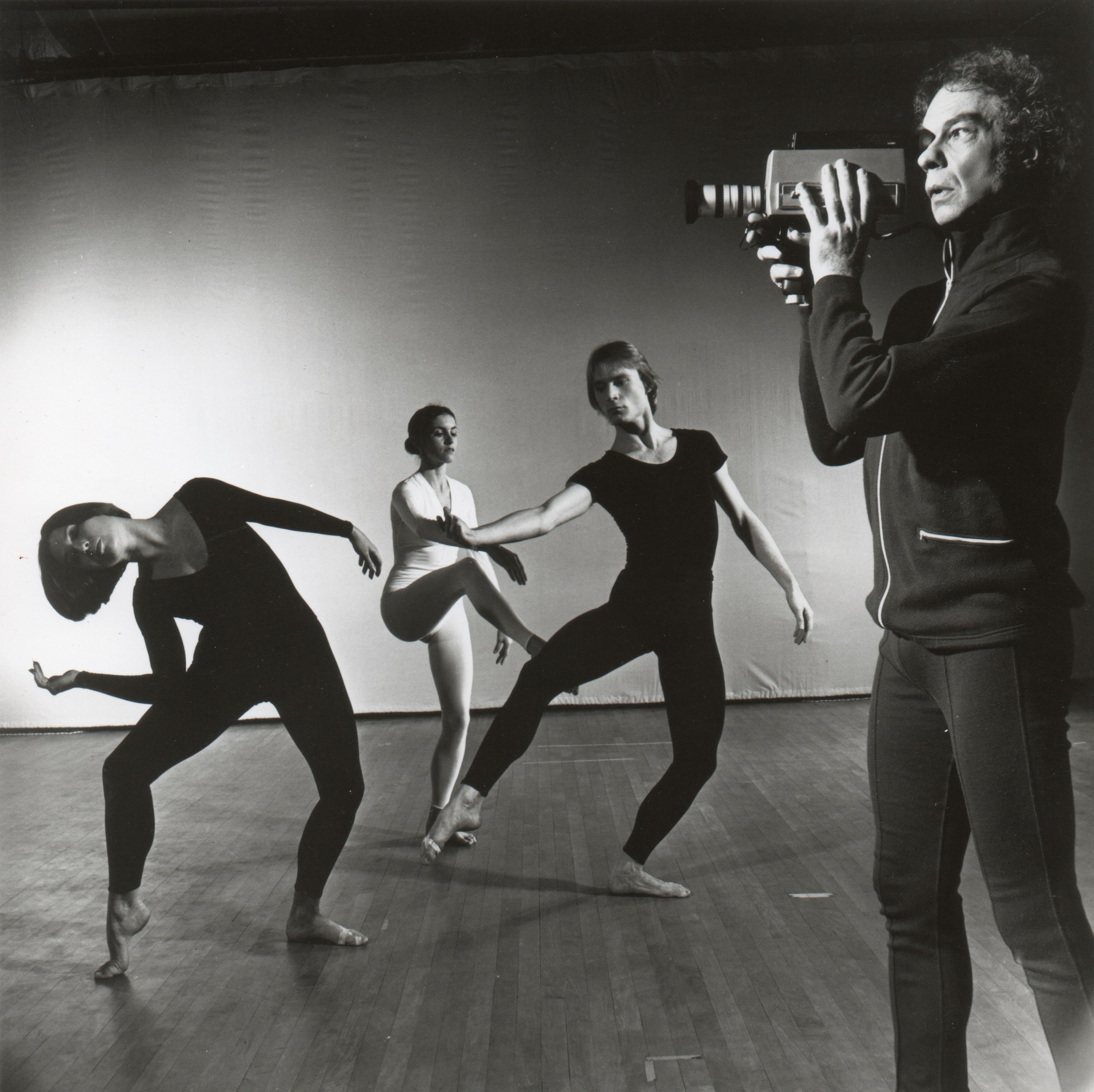
LOOP Barcelona and the Mies van der Rohe Foundation join the Merce Cunningham Centennial Celebration with an exhibition of his video works at the Barcelona Pavilion. The selection will feature work that Cunningham made over forty years, developed in collaboration with artists such as John Cage, David Tudor, Robert Rauschenberg and Charles Atlas and testimony to their common interest in space and technology. Among the films presented is Assemblage, a recently re-released piece shot in 1968 in San Francisco. The exhibition also includes Cunningham classics like Merce by Merce by Paik, Westbeth and Channels/Inserts. Film and video offered Cunningham new ways to explore movement, as well as a different perspective on the anatomy of his dancers. Cunningham considered film one of the four events that led to large discoveries over his six-decade career as a choreographer.
The event on Saturday 17, 6.30pm with live music by BCN216 and Mikel Rouse
You can download and play Mikel Rouse music by following this link and using the password: eyeSpace1
Here you can read the curator text written by Xavier Acarín
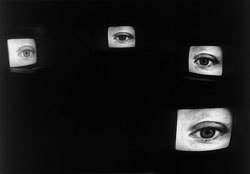
This year’s edition of the LOOP Festival outlines “a contemporary archeology of video”. In this framework, I thought it was appropriate to present Lumina, an emblematic work by the Austrian artist and theorist Peter Weibel (Odesa, 1944). The work was exhibited for the first time at the Galerie Magers in Bonn in 1977, and this year it celebrates its 40th anniversary. Upon the artist’s request, a new edition of the work has been produced, although the original seven channel installation format has remained unaltered. This anachronism prompts us to reflect on the possibilities granted by video creation when it comes to challenging traditional artistic categories such as authenticity and originality.
The video installation Lumina finds its etymological meaning in the Latin term lumen, which refers to an intrinsic source of light, in this case corresponding to the monitor itself. In the guise of a video art treatise, this work attempts to show how the luminous flux perceived by the human eye precisely coincides with its very emission from the monitor’s cathode ray tube. This direct link between the poíesis and the reception of artificial light suggests a rupture with respect to the cinematographic tradition, – which instead needed an external source of light for the capture and projection of the images according to the natural principle of the dark chamber. It also inaugurates a new and seemingly definitive emancipation of the image from the sunlight.
This installation takes the form of a walk-through sculpture that brings us back to the medium’s early days, when audiovisual production blurred the boundaries of both expanded sculpture and those minimalist proposals that incorporated the exhibition space itself. Being an icon of minimalist architecture in Barcelona, the Mies van der Rohe Pavilion, thus, seemed to offer the perfect context to inquire about the spatial dimension of the gaze and the attitude that the spectator takes before the video installation.
Curated by Diana Padrón.
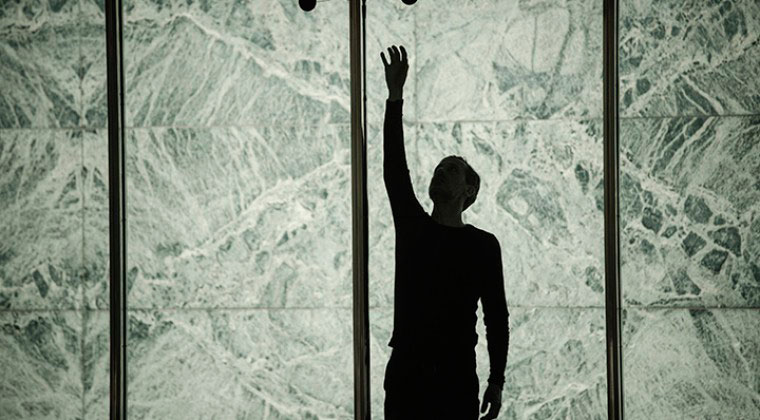
The sound installation presented at the pavilion considers two categories of perception, the inner space and the outer space, and explores the flow between one and the other. The project’s philosophy is generated by various explorations of architecture and cognition, originating in the works of Francisco Varela, Evan Thompson and Eleanor Rosch, and developing, among other theorists, by Shaun Gallagher, Ezequiel Di Paolo, Thomas Fuchs, or Dan Zahavi. The fundamental question is: can architecture be a condition in the appearance of feeling? With this perspective, the immediate, sensual and pre-aesthetic interaction between human bodies and their constructed environment is analyzed, and the foundation for understanding the aesthetic experience of architecture and opening the channels of participation through art are made.
In addition to the installation, a video essay, audio pieces and text by Alex Arteaga were presented at the Fundació Antoni Tàpies. Research seminars were also conducted by Alex Arteaga at the Goethe Institut and at Sonar + D.
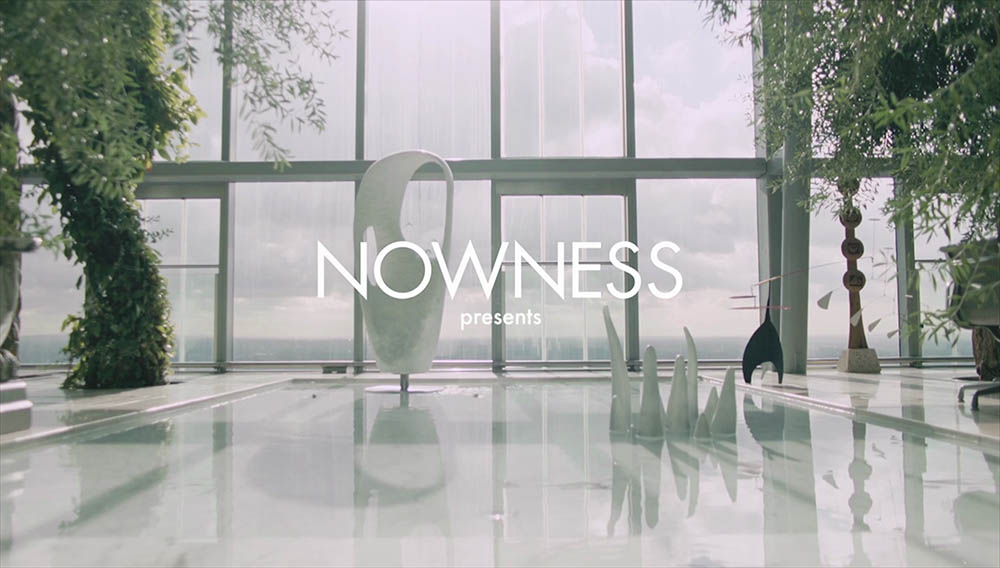
The cultural channel Nowness will present the selection of works on architecture from the series In Residence on display on days May 27-30, in conversation with filmmaker Albert Moya, who has worked over three years in the project.
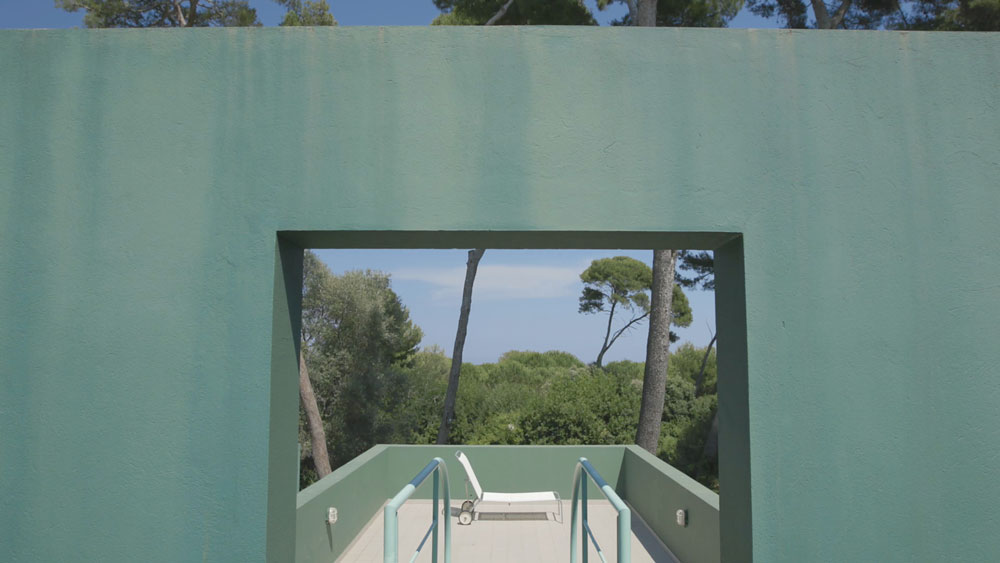
In the context of its 30th anniversary, the Mies van der Rohe Pavilion participates in the LOOP Festival once again with a selection of films titled Not Another Architecture Film, including works from the In Residence series, produced by the Nowness video platform and directed by young Catalan filmmaker Albert Moya.
In Residence is a series of short videos, shot by different authors, and devoted to discovering the homes of celebrated architects, designers and artists. The group of videos on display includes those dedicated to the studio-house of architect Ricardo Bofill, built on the site of a former factory, and the labyrinth-house of sculptor Xavier Corberó, both of which are located on the outskirts of Barcelona.
Programme
In Residence: Ricardo Bofill (Dir. Albert Moya)
In Residence: Xavier Corbero (Dir. Albert Moya)
In Residence: Jean Pigozzi (Dir. Matthew Donaldson)
In Residence: Patrizia Moroso (Dir. Matthew Donaldson)
In Residence: Ian Simpson (Dir. Emile Rafael)