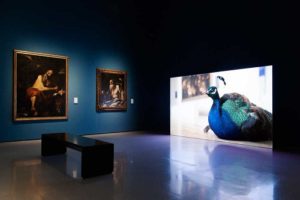
Museu Can Framis-Fundació Vila Casas

- Address
- Roc Boronat Street, 116, 126, 08018, Barcelona
- Map
- View map
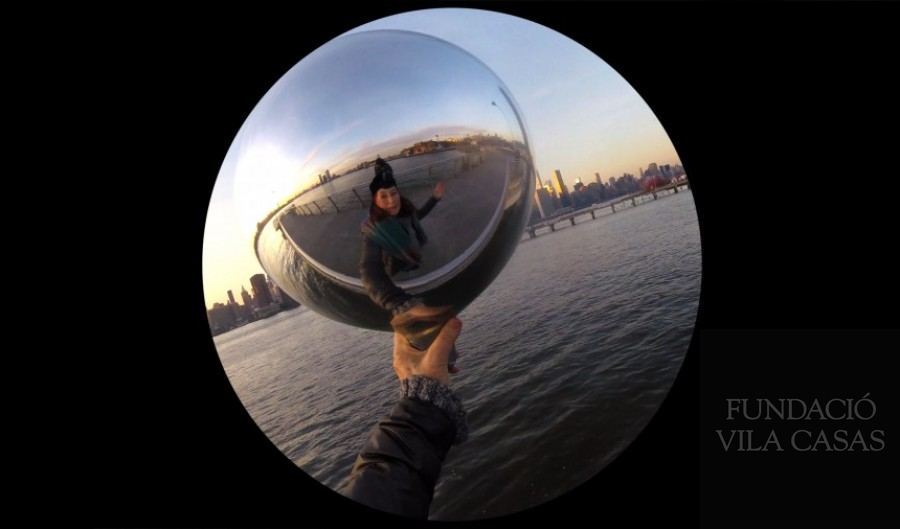
The exhibition brings together different works from the late seventies and early eighties – Fin (The End), Re-Prise, Boy Meets Girl, Going Through Languages – which reveal her astute questioning of the role of women in contemporary society. The selection of works continues with Àlbum portàtil (Portable album) (1993), in which the artist pays homage to all women without exception, and Autoretrat (Self-portrait) (1980–2018), whereby she uses a video camera to portray her place in New York city, where she lived for thirty years. The exhibition closes with Becoming (2022), an installation arising from the work Un espai propi (A Space of One’s Own), in which Balcells pays tribute to the life and work of Virginia Woolf.
Balcells has always encouraged an interest in the presence of women in different spheres of public life and the need to break with predetermined role models. She questions reality through the eye of the camera and particularly explores the human stereotypes immortalized in cinema by the big Hollywood film companies.
In the mid-sixties she begins her career in the field of Spanish conceptual art, and becomes one of the pioneering artists in experimental cinema and audiovisual art.
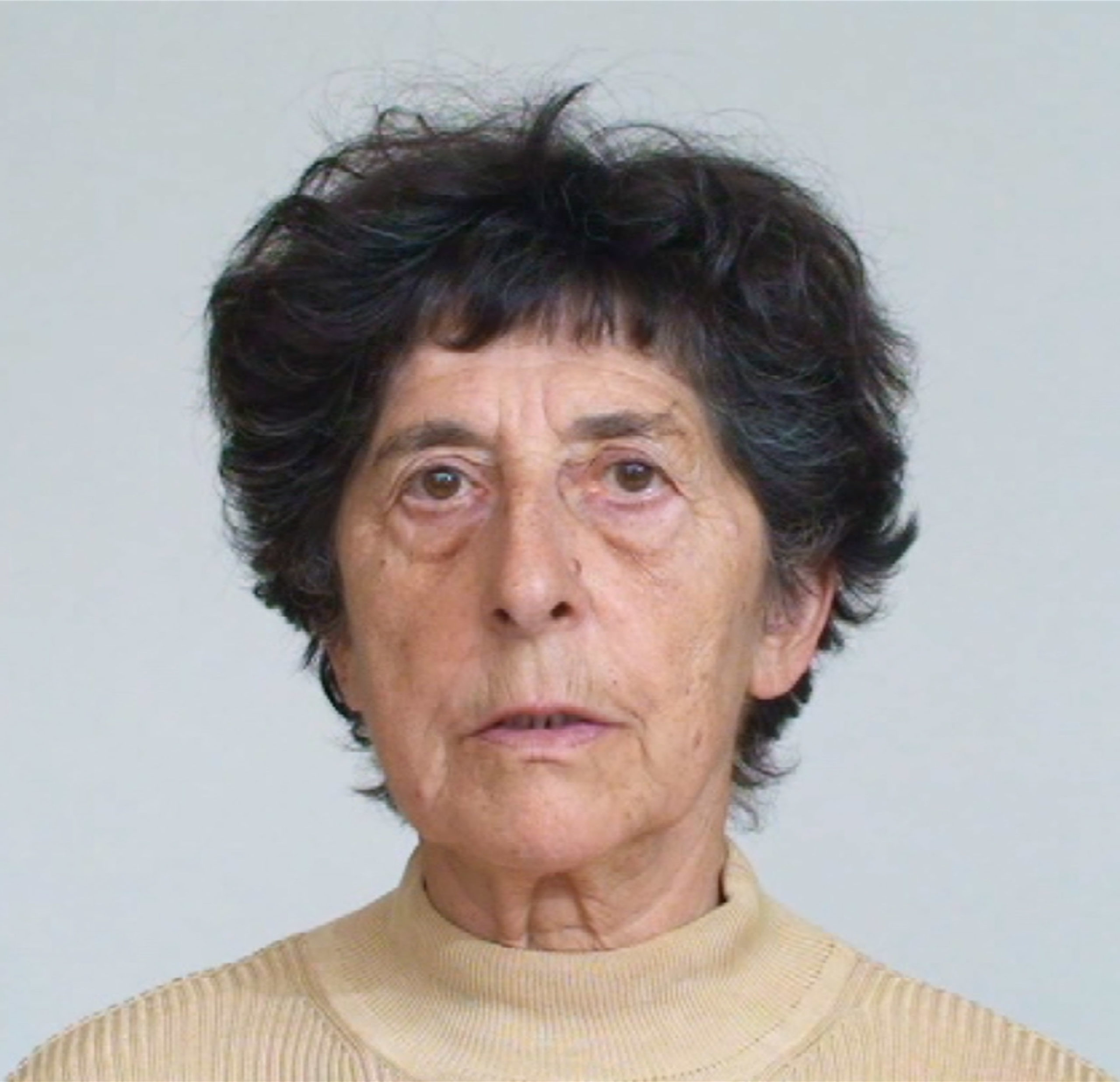
This film in colour from 2013 could have well been a classic black and white performance register from the seventies. It’s mute, it’s “poor” and it explores the possibilities of the artist’s body as a tool for transgressing cultural paradigms in and by itself. When I say the video is “poor” do not take me wrong, the artist never wanted anything but to do poor art, using just her own unadorned body, a few props and, when the occasion allows for it, an installation as frame. Indeed, the only prop she has here is one of her most cherished: a chair, which, despite being invisible, mustn’t be taken for granted. This anthropomorphic stage prop is as recurrent in Ferrer’s work as it is in Bruce Nauman’s. These two artists share common interests in repetition, in senselessness (which repetition brings about), in gestures that are profoundly banal and, at the same time, reveal the existential hardship of social interaction. Esther Ferrer’s interest in time and repetition has been one of the constants of her career ever since the sixties, when she became part of the transgressive artistic collective known as ZAJ alongside Juan Hidalgo, Ramón Barce and Walter Marchetti.
Esther Ferrer is an artist from the seventies and, in a way, this is also an art work from the seventies. When first watching Extrañeza, desprecio, dolor y un largo etc.(Strangeness, disregard, sorrow and a long etcetera) one finds it comical; the facial expressions reverberate with silent cinema. The gestures, which as we know draw the human face further and further away from an idealized depiction, are exaggerated and clownish but, we gradually realize, real as life. This is a repertoire of gestures we resort to in weddings, funerals, grand openings and a long etcetera of events. At first the gestures are defined as pertaining to a specific feeling, but soon they start to drift into a nebulous ambiguity in which the simulacra becomes devoid of meaning. In the repertoires of gestures of the Renaissance the “others” (the elderly, the ethnic) were always the ones disfigured by radical facial expressions; otherness was the perfect platform for us to recognize the extremity of existence. By performing this clownish repetition of extreme social gestures, Ferrer assumes this role, bringing us face to face (literally) with the extreme mechanisms of communication. After all, this is an artist who for half a century has worked with time, space and presence, and for whom nothing else (nothing less) will do.
Text by Claudia Rodriguez-Ponga Linares
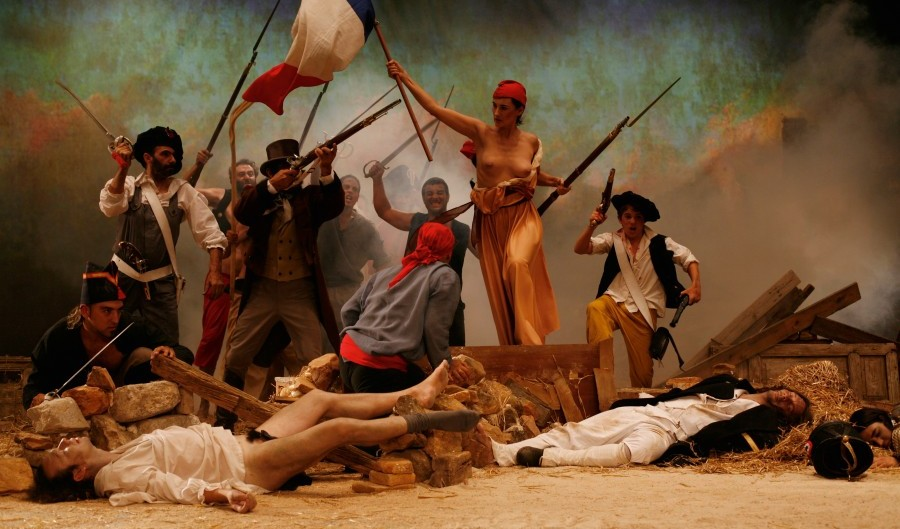
The Vila Casas Foundation presents the work La Liberté raisonnée (2009) by the artist Cristina Lucas from the Sisita Soldevila collection at the Can Framis Museum. The proposal, which alludes to Delacroix’s famous painting, Liberty leading the people, is a staging in which the future of freedom is questioned. La Liberté raisonnée was previously presented in one of Loop Fair’s latest editions and is going to be showed nowadays when this freedom is in the spotlight more than ever because of the current situation.
Sisita Soldevila, who had the greatest artists in her video art collection, such as Bill Viola and Michael Snow, was a reference in video having at the same collection younger and renowned authors, such as: Eulàlia Valldosera, David Ymbernon or Cristina Lucas. Soldevila was an outstanding collector in Spain and known for the creation of the prestigious art hotel, Ámister Art Hotel.
On November 19 at 6 pm the artist Cristina Lucas will participate in an online round table with Carles Guerra, artist and art critic, and Natàlia Chocarro, director of external projects of the Vila Casas Foundation.