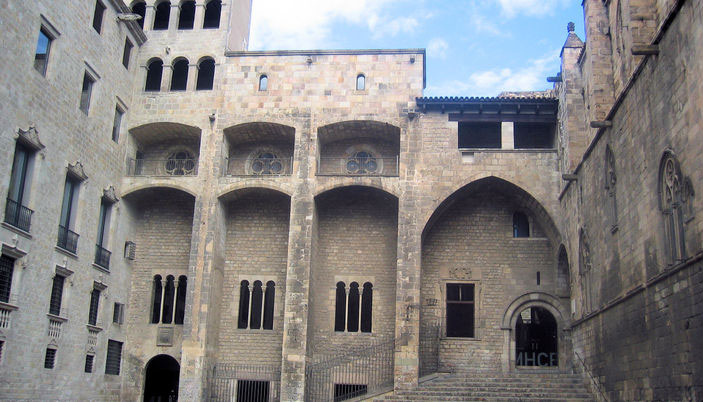
Museu d’Historia de Barcelona, Capilla de Santa Ágata
- Address
- Plaça del Rei, s/n, 08002, Barcelona
- Phone
- +34 93 256 21 00
- museuhistoria@bcn.cat
- Website
- museuhistoria.bcn.cat/en/muhba-placa-del-rei
- Map
- View map
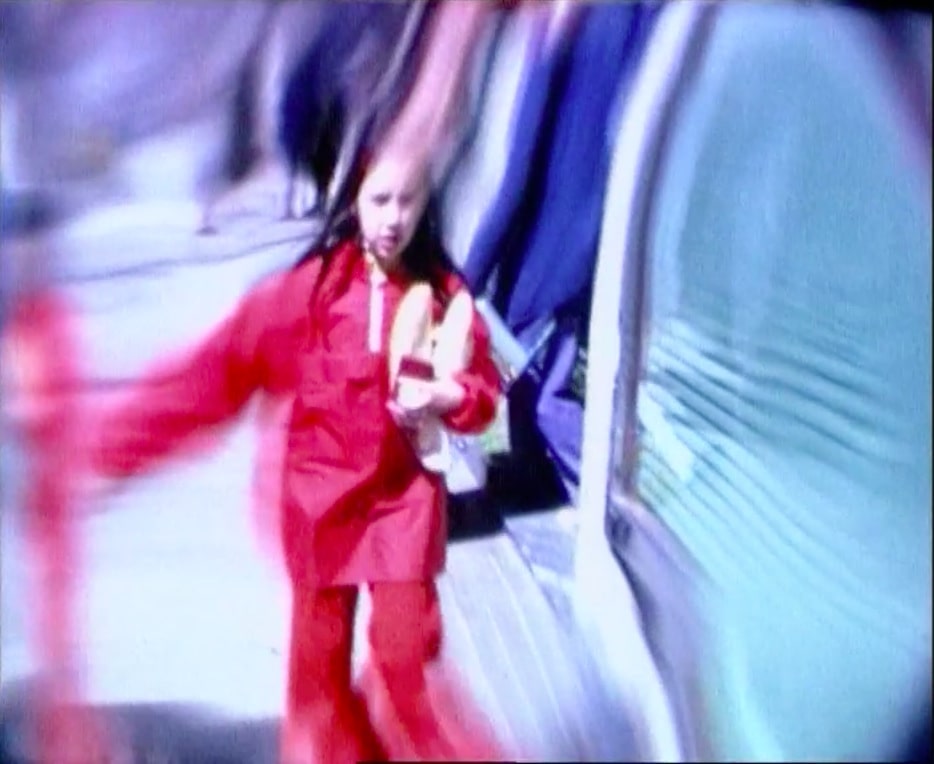
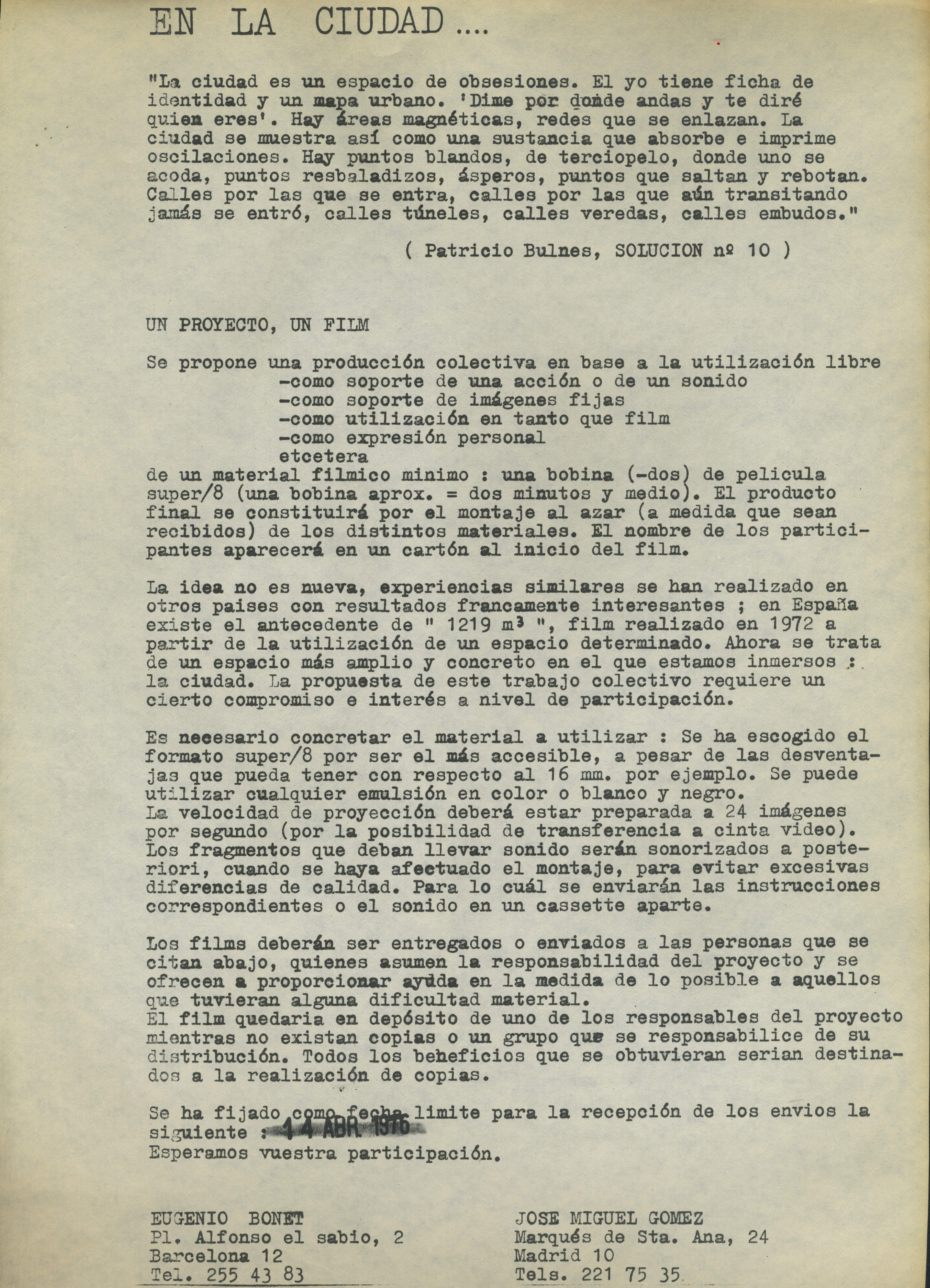
En la ciudad [“In the City”] was the title of an unusual collective film that followed an initiative by Eugeni Bonet in 1976. The film project consisted of a series of Super-8 short films made by a series of different artists. Reflecting on the role of the city, expressing personal concerns and interrogating the different urban logic of places such as Barcelona, Madrid, Paris or New York was the main objective of a heterogeneous film that put together the analytical recordings of the surroundings with an artistic format that was close to cinema. Recognised experimental filmmakers –such as Iván Zulueta, Eugènia Balcells, Manuel Huerga– and renowned visual artists linked to conceptual practices –like Eulàlia Grau, Muntadas, Antoni Miralda, Fina Miralles, Francesc Torres– were some of the participants in such plural work that speaks truth to a period of hopeful socio-political change. Today the film has become a historical document.
Round table about the collective film En la ciudad [“In the City”] (1976-77). Urban transformation, economic recovery, environmental pollution, traffic noise, the anonymity of the citizen and the media landscape are some of the themes of a feature film that explores the photochemical properties of the Super 8 and the ideological possibilities of editing. The promoter of the film project (Eugeni Bonet), one of the participating artists (Eulàlia Grau), the anthropologist Manuel Delgado and the curator of the exhibition (Albert Alcoz) will discuss the different problems touched upon in the film taking into account contextual considerations linked to the cities represented as well as to the cinematographic medium used.
In 1974 I visited Dachau, the site of the former concentration camp. It seemed to me a very strange tourist site: very much cleaned up, tourists strolling thru the site, sometimes murmuring, sometimes playing with their children.
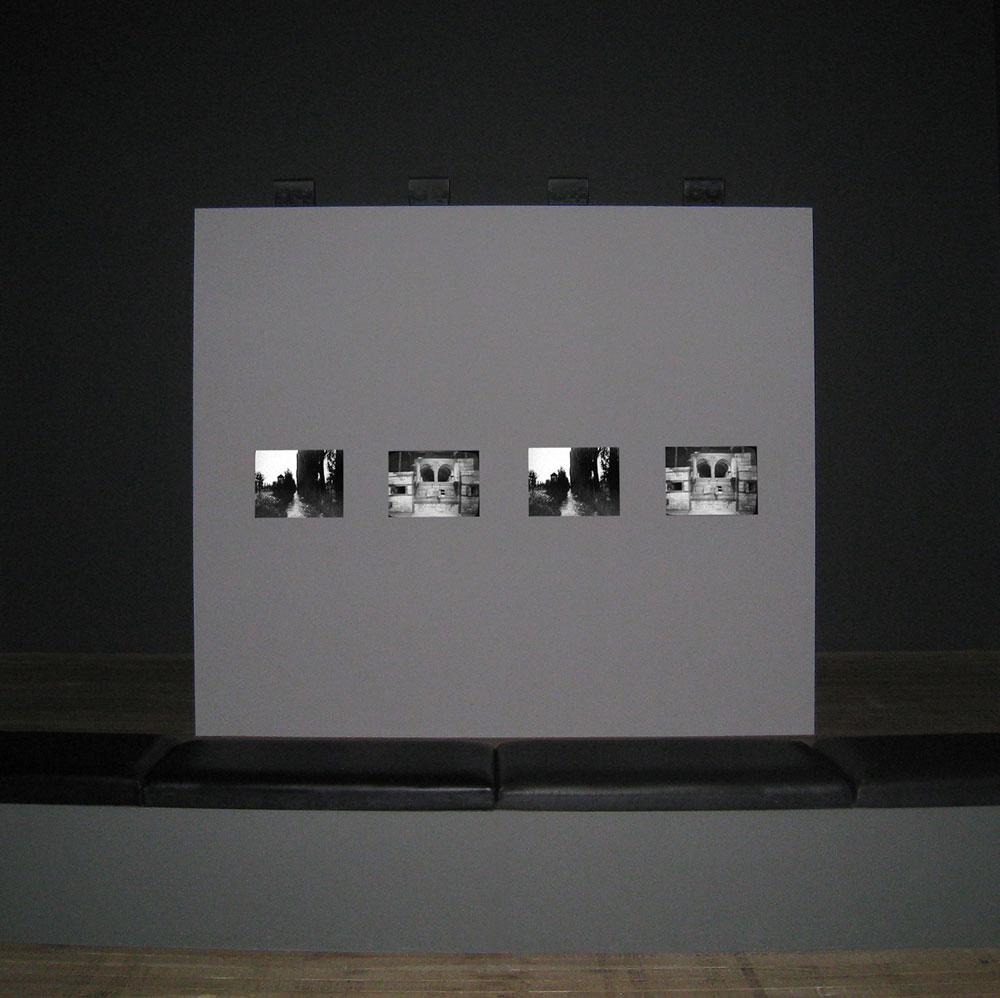
Having learned to weave months before, and interested in the multiple channel genre just developing, a video tapestry of Dachau emerged. The minimum number of threads necessary to bind a cloth is four. Paired channels (l and 3) and (2 and 4), though rhythmically different, formed the interlocking “thread” combinations of image and 1 second blanks as the work proceeded in time. This paired structure takes the viewer on a journey from outside the camp’s walls, passed guard towers, to the barracks and finally to the crematoria.
The blanks interrupt the narrative, allowing the identical images of each pair to appear at slightly different times. In its verbal silence, rigorous formalism and focus on the present, the work must ultimately engage the memory of the viewer to endow it with meaning.