SAC- Centre Cívic Sant Andreu
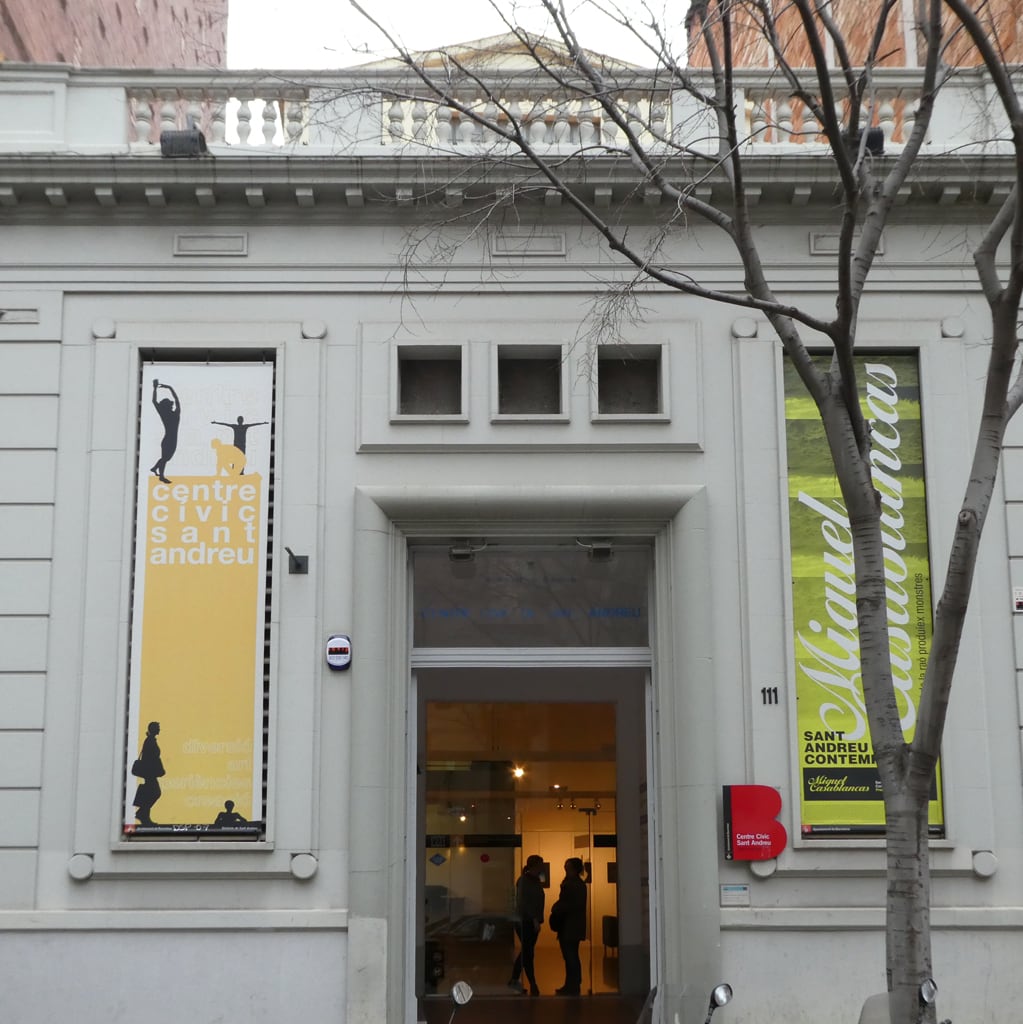
- Address
- C/ Gran de Sant Andreu, 111, 08030 , Barcelona
- Phone
- 93 311 99 53
- sac@santandreucontemporani.org
- Website
- santandreucontemporani.org/ca/sac
She has learned to spit and amuse herself by leaving little puddles of saliva that she spreads with her hand or foot. She now sits on my lap, looking towards me, intertwined, she reaches out her hands towards my face and she puts her fingers in my mouth, she wants to hold my tongue, touch it, stretch it. It’s weird and annoying, but I let her explore, the teeth, the lips, the saliva. She sticks her tongue out, she says aaaaaaahhhh smiling, insistent, she wants our tongues to touch. Someone says that’s not right, that there are too many bacteria in the mouth. I think how she came out of me a little over a year ago, how she continues to feed from me every day when she sucks, milk that comes out from me and that my body continues to produce, and it still seems magical to me. She says the first words, mom, boob, water, no. Our tongues touch and tickle.
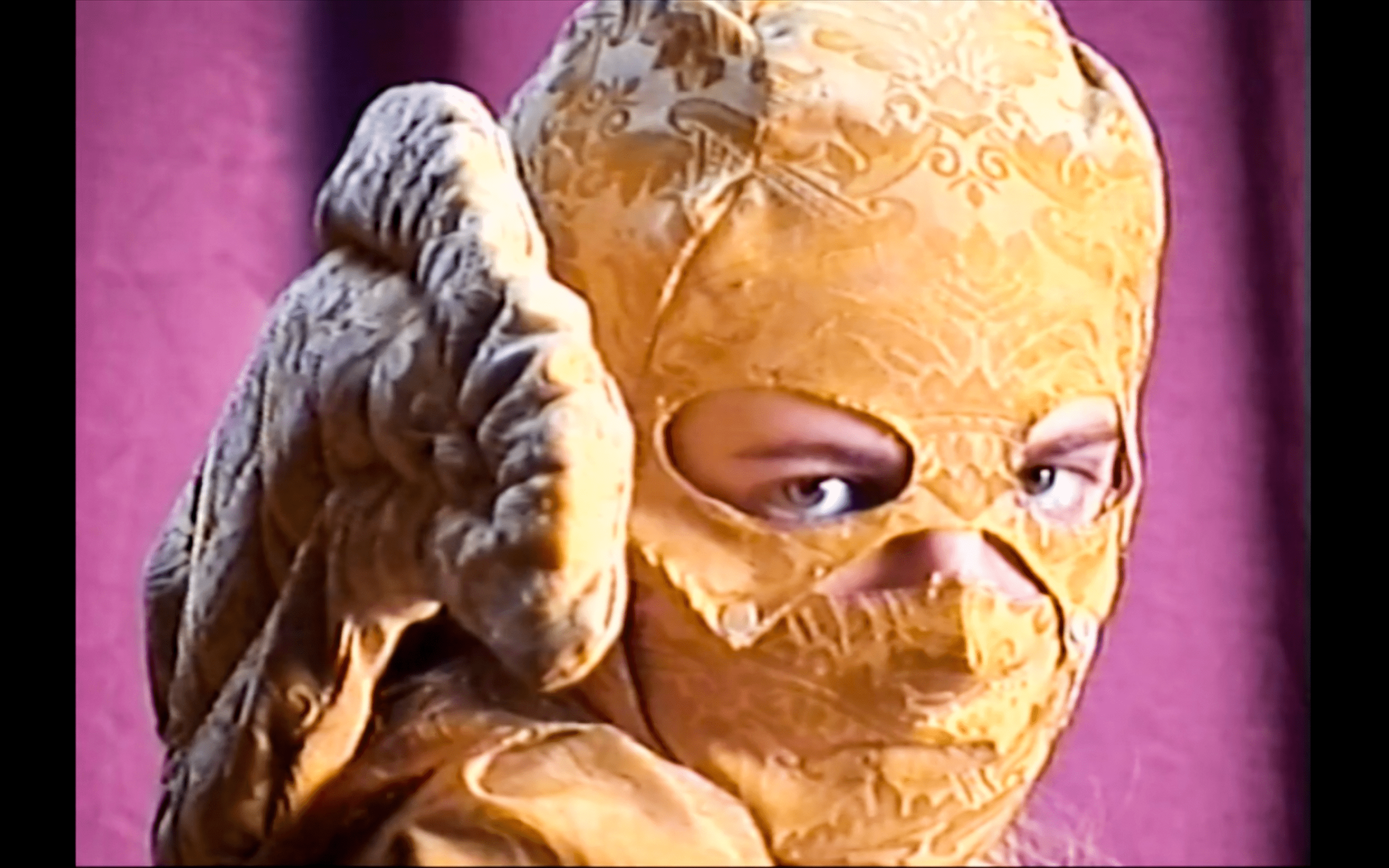
An Oral Exhibition takes the tongue as an organ, a muscle of the mouth, like a member or an extremity that gestures in the darkness and humidity of the oral cavity and that communicates the exterior and interior, linking our body with the environment. An Oral Exhibition wants to penetrate us as we penetrate it and each of the projects it brings together; It invites us to suck, to squirt, it appeals to the body, the heart, the flesh, it avoids the eye—the gaze—as the only possible organ to approach artistic practices. If the eyes are like two marbles tied by a thread to our head, the tongue is a piece of meat that lives in the dark, humid cave, full of odours, bacteria, traces of our eating, sexual, loving, toxic, liquid practices. And that comes out to make the air sound against the teeth, against the palate, that moves to lick suck taste give pleasure and irreverence, that makes the mouth not just a hole but the lair of the beast, that is not only an orifice or an entrance, also an exit channel, flow, threshold; a meeting point, of contact, of flavour, of pleasure, the possibility of eroticism.
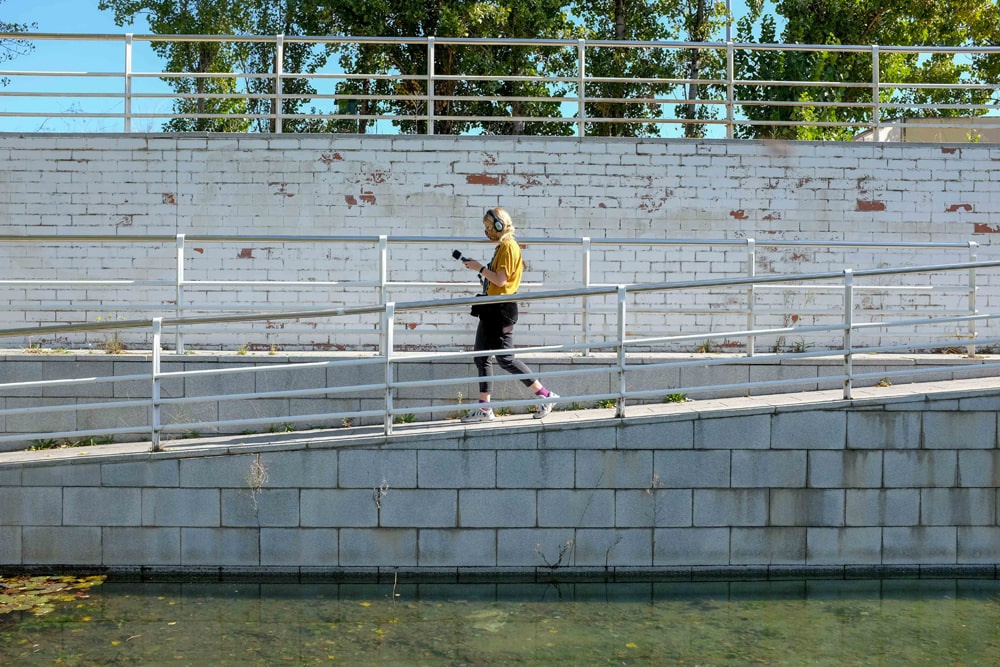
Sounds of Our Cities is a project based on research and knowledge transfer between art, technology and social space. The resulting exhibition includes sound art projects developed in two cities, the Krottegem district in Roeselare and the Sant Andreu district in Barcelona, mounting a critical reflection upon cultural identity in relation to community and silence. Based upon memories and remembrances, the 11 projects offer a fictional landscape in which to imagine other realities or experiences, new cities which are not so remote from the cartographic territories that we understand as real and existing. An opportunity to imagine the utopian or dystopian, using elements of memory.
The exhibition in Barcelona is based upon an information point located in the Sant Andreu Civic Centre, and expands outside the exhibition space. Based on the work of each artist, and on stories collected by residents from the Sant Andreu district, sound installations have been realised at various significant points within the neighbourhood, thus creating an “imagined city” where sound and space form a new reality.
The artists participating in the exhibition share methodology and sensitivity to issues such as collective memory, the recovery of voices, and the urban imaginary. Each one presents the community and the sonic work from a different perspective, some adopting processes of collaboration as an essential part of the work, creating more performative results, and others instead using objects or architectural spaces as their strategy for collecting stories and experiences.
The artists participating in the exhibition are: Donia Jourabchi with the participation in the workshop of Natalia Domínguez, Aleix Plademunt, Wingel Gilberto, Anna Recasens, Sofía Balbontín, Matthias Neumann, Sena Aydin, Yolanda de los Bueis, Jordina Roca, Christos Papasotiriou i Carolina de la Cajiga; Zsofia Szonja; Raphael Daibert; In-Dialog Collective with the participation of José Pablo Parra and Mila von Chobiak from the Master of Sound Art (UB); Anne Fehres and Luke Conroy; Martí Madaula; Banu Çiçek Tülü; John Grzinich; Dynamische Akustische Forschung (Dynamic Acoustic Research), Marta Azparren and Pablo Martin Jones, and the Voices project with the participation of students from the master’s degree course in Sound Art (UB), the master’s degree course in Research in Art and Design (Eina-UAB), and the Creation Workshop course, part of the degree in Fine Arts (UB).
Sounds of our Cities is a cultural cooperation project involving the City of Roeselare (BE), Dear Hunter (NL), Aalborg University (DK) and Idensitat (ES). Co-funded by the Creative Europe programme.